

Spring is a season of renewal, and what better way to welcome it than with a fresh, clean home? However, many conventional cleaning products are laden with harsh chemicals that can harm your health and the environment.
That’s where non-toxic spring cleaning tips come in. By adopting natural and eco-friendly methods, you can create a safer, healthier home while minimizing your environmental impact.
In this guide, we’ll explore 10 practical, non-toxic spring cleaning tips to help you refresh your living space. From DIY cleaning solutions to green products, you’ll find everything you need to embrace a healthier approach to cleaning.
Why Choose Non-Toxic Spring Cleaning Tips?
Many household cleaning products contain chemicals like ammonia, bleach, and phthalates, which can irritate your skin, eyes, and respiratory system. Long-term exposure to these toxins may even increase the risk of chronic health issues. Non-toxic spring cleaning tips eliminate these hazards, offering a safer alternative for your family.
Benefits of Going Non-Toxic
- Healthier Living: Reduce exposure to harmful chemicals.
- Eco-Friendly: Protect the environment by using biodegradable and non-polluting products.
- Cost-Effective: Many DIY solutions cost a fraction of store-bought cleaners.
- Pet and Child Safe: Keep your loved ones safe from toxic residues.
Key Differences Between Conventional and Non-Toxic Cleaning
| Aspect | Conventional Cleaners | Non-Toxic Cleaners |
| Ingredients | Chemicals, artificial fragrances | Natural, biodegradable substances |
| Health Impact | Can cause irritation or allergies | Safe for most individuals |
| Environmental Impact | Non-biodegradable pollutants | Eco-friendly and sustainable |
10 Non-Toxic Spring Cleaning Tips for a Healthier Home
1. Declutter Before You Clean
A clutter-free space makes cleaning more efficient and less overwhelming. Removing unnecessary items not only clears physical space but also reduces mental stress.
- Start Small: Focus on one room or area at a time, such as a closet or pantry.
- Sustainable Decluttering: Donate or recycle items you no longer need instead of discarding them. Many local charities accept gently used items for reuse.
- Case Study: A family reduced cleaning time by 30% after donating unused items and organizing their space.
Simple Decluttering Categories
| Category | Examples | Sustainable Options |
| Clothing | Old jeans, unused jackets | Donate to local shelters |
| Kitchenware | Extra pots, expired pantry items | Recycle or compost |
| Electronics | Old phones, chargers | E-waste recycling centers |
2. Use DIY Cleaning Solutions
Homemade cleaners are effective, affordable, and free of harmful chemicals. Many of these solutions use ingredients you already have in your kitchen, making them easy to implement.
All-Purpose Cleaner Recipe:
- 1 part white vinegar
- 1 part water
- A few drops of essential oil (e.g., lavender or tea tree)
DIY Cleaner Recipes at a Glance
| Surface Type | Ingredients Needed | Tips for Use |
| Glass | Vinegar, water | Use a microfiber cloth for streak-free results. |
| Countertops | Baking soda, lemon | Test on small areas before applying. |
| Wood Furniture | Olive oil, vinegar | Buff with a soft cloth after cleaning. |
| Tile Grout | Baking soda, hydrogen peroxide | Let sit for 10 minutes before scrubbing. |
3. Freshen Your Indoor Air Naturally
Skip artificial air fresheners, which often contain phthalates and other toxins. Improving indoor air quality naturally benefits your health and adds a refreshing ambiance to your home.
- Indoor Plants: Place air-purifying plants like peace lilies or spider plants around your home. They are known to remove toxins like formaldehyde and benzene from the air.
- Essential Oils: Use a diffuser with oils like eucalyptus or lemon for a natural scent boost. You can also create room sprays using distilled water and a few drops of essential oil.
- Case Study: A study by NASA showed that certain plants can significantly improve indoor air quality by removing harmful toxins.
Top Air-Purifying Plants
| Plant Name | Toxins Removed | Care Tips |
| Peace Lily | Formaldehyde, benzene | Keep in indirect sunlight |
| Spider Plant | Carbon monoxide, formaldehyde | Water weekly |
| Snake Plant | Benzene, trichloroethylene | Tolerates low light, minimal water |
4. Choose Green Cleaning Products
When purchasing cleaners, look for eco-friendly certifications like EPA Safer Choice or Green Seal. These products are tested for safety and efficacy, ensuring you’re making the best choice for your home and the planet.
Recommended Brands:
- Seventh Generation: Known for biodegradable and plant-based products.
- Method: Offers effective, naturally derived cleaners with fun packaging.
- Dr. Bronner’s: Multi-purpose products with organic ingredients suitable for various uses.
Popular Green Cleaning Certifications
| Certification | Focus Area |
| EPA Safer Choice | Human and environmental safety |
| Green Seal | Eco-friendly ingredients |
| Leaping Bunny | Cruelty-free testing |
5. Wash Windows with Eco-Friendly Techniques
Say goodbye to streaky windows with this simple, non-toxic spring cleaning tips method. Clean windows brighten your home and improve natural light without exposing yourself to harsh chemicals.
- Ingredients: Mix equal parts vinegar and water.
- Technique: Use a squeegee for a streak-free finish, wiping it clean after each swipe.
- Additional Tip: Add a few drops of lemon juice to the solution for a fresh scent.
Window Cleaning Steps
| Step Number | Action | Tools Needed |
| 1 | Dust window frames | Soft brush |
| 2 | Apply vinegar-water solution | Spray bottle |
| 3 | Wipe with microfiber cloth | Microfiber cloth |
| 4 | Finish with squeegee | Squeegee, clean rag |
6. Deep Clean Your Carpets and Rugs
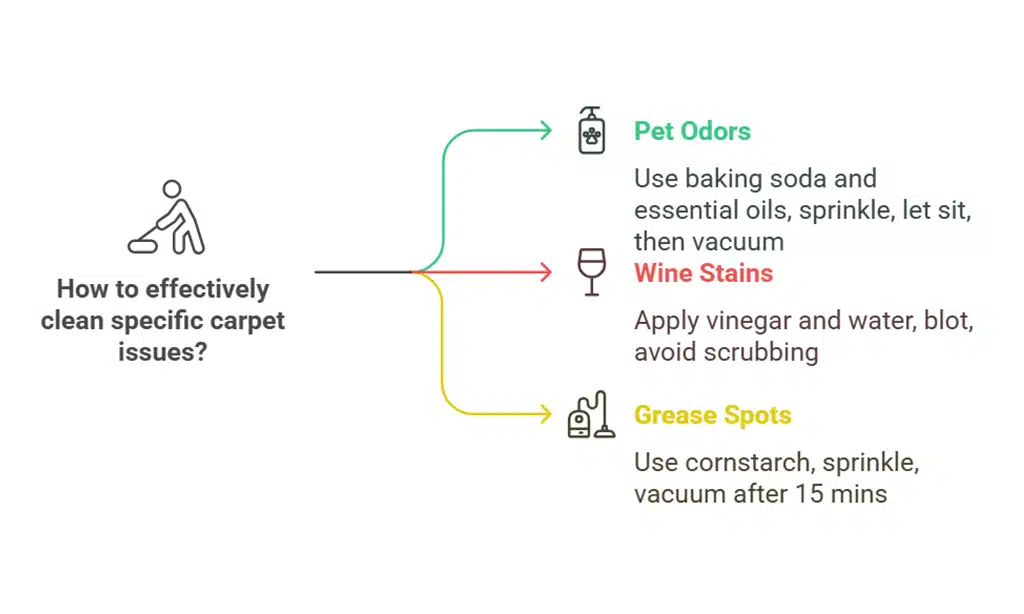
Carpets can trap dirt, allergens, and odors. Regular cleaning keeps your home healthier and more inviting. Non-toxic spring cleaning tips methods are safe for kids and pets who often spend time on the floor.
- Deodorize: Sprinkle baking soda on carpets and vacuum after 30 minutes. For added freshness, mix in a few drops of essential oil.
- Stain Removal: Mix equal parts vinegar and water, apply to stains, and blot with a clean cloth. For tougher stains, use hydrogen peroxide sparingly.
Carpet Cleaning Solutions
| Issue | Solution | Application Tips |
| Pet Odors | Baking soda, essential oils | Sprinkle, let sit, then vacuum |
| Wine Stains | Vinegar, water | Blot, avoid scrubbing |
| Grease Spots | Cornstarch | Sprinkle, vacuum after 15 mins |
7. Tackle Tough Kitchen Grease Without Harsh Chemicals
The kitchen can be a grease magnet, but you don’t need toxic cleaners to tackle it. Simple, natural solutions can cut through grease effectively while leaving your kitchen smelling fresh.
- Natural Degreasers: Use a paste of baking soda and water to scrub greasy surfaces. Rinse with warm water for a shiny finish.
- Citrus Power: Lemon juice cuts through grease and leaves a fresh scent. It’s especially effective on stovetops and counters.
Kitchen Grease Solutions
| Grease Location | Best Natural Solution | Tips |
| Stovetops | Baking soda paste | Use a sponge for better scrubbing |
| Oven Interiors | Vinegar, water | Spray and let sit for 20 minutes |
| Backsplashes | Lemon juice, warm water | Wipe with a soft cloth |
8. Revitalize Your Bathroom with Safe Products
Bathrooms are prone to mold and mildew, but natural solutions can keep them spotless. A clean bathroom promotes hygiene and prevents respiratory issues caused by mold spores.
- Grout Cleaner: Combine baking soda and hydrogen peroxide to scrub grout. Use an old toothbrush for better precision.
- Showerheads: Soak in a vinegar solution to remove mineral deposits. Rinse thoroughly and wipe dry.
Bathroom Cleaning Hacks
| Area | Non-Toxic Solution | Method |
| Grout Lines | Baking soda, peroxide | Scrub with a toothbrush |
| Faucets | Vinegar, water | Wipe with a microfiber cloth |
| Mirrors | Vinegar, water | Wipe with newspaper for shine |
9. Polish Wooden Surfaces Safely
Avoid silicone-based polishes that can damage wood over time. Instead, use gentle, natural alternatives to enhance the beauty of wooden furniture and floors.
- DIY Wood Polish Recipe: Mix 1 part olive oil with 1 part vinegar. Apply with a soft cloth and buff gently for a glossy finish.
- Long-Term Care: Dust wooden surfaces weekly to maintain their luster.
Wooden Surface Care
| Surface | Best Cleaner | Tips |
| Tables | Olive oil, vinegar | Use circular motions |
| Floors | Castile soap, water | Mop with minimal water |
| Shelves | Microfiber cloth | Dry dusting is sufficient |
10. Embrace Minimalism for Long-Term Cleanliness
A minimalist lifestyle reduces clutter and the need for frequent cleaning. By keeping your home simple and organized, you’ll spend less time cleaning and more time enjoying your space.
- Simplify Spaces: Keep only essential items on countertops and shelves. Avoid overcrowding areas with decor.
- Storage Solutions: Use baskets or bins to organize belongings. Label them for easy identification.
Minimalism Strategies
| Area | Decluttering Tip | Storage Solution |
| Kitchen | Limit gadgets to essentials | Drawer organizers |
| Living Room | Reduce decor items | Storage ottomans |
| Bedroom | Rotate seasonal clothing | Under-bed storage boxes |
Non-Toxic Cleaning Cheat Sheet
Here’s a quick reference for essential ingredients and their uses:
- Vinegar: All-purpose cleaner, deodorizer.
- Baking Soda: Scrubber, deodorizer.
- Lemon Juice: Degreaser, stain remover.
- Essential Oils: Natural scents, mild antibacterial properties.
Final Thoughts
Embracing non-toxic spring cleaning tips is more than just a trend—it’s a healthier, more sustainable way to refresh your home. By using natural ingredients and eco-friendly products, you’re creating a safe haven for your family while contributing to a cleaner planet.
So, gather your cleaning supplies and get started on your journey to a toxin-free home today.
What’s your favorite non-toxic spring cleaning tips? Share in the comments below!





















