

Tax laws are essential to how individuals and businesses manage their finances, and staying updated on changes can significantly impact your economic well-being. The new tax rules in Spain for 2025 represent one of the most comprehensive updates in recent years, targeting fairness, sustainability, and economic recovery. Whether you’re a resident navigating income tax adjustments, a digital nomad benefiting from streamlined regulations, or a business owner planning around corporate tax changes, understanding these updates is crucial.
Spain has also introduced reforms that align with broader European Union policies, focusing on fostering environmental sustainability and promoting equity in taxation. These updates go beyond compliance—they offer opportunities for smarter financial planning, strategic investments, and even tax savings for those who plan ahead.
In this article, we’ll delve into the 10 new tax rules in Spain for 2025, explore their implications, and share actionable tips to help you adapt seamlessly to these changes. By the end of this guide, you’ll have a clear understanding of how to approach Spain’s evolving tax landscape.
Why the New Tax Rules in Spain Matter
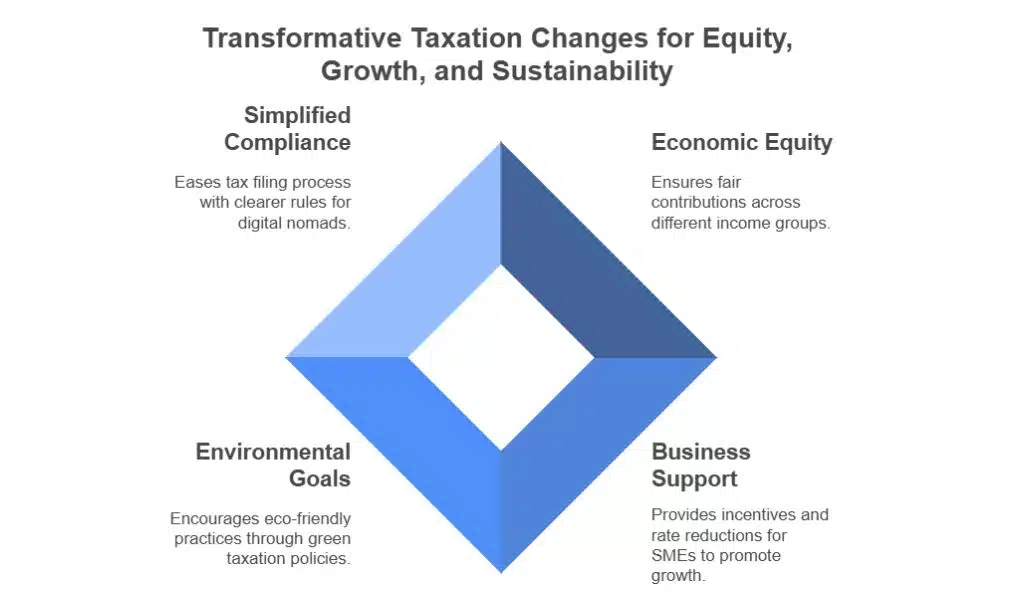
Tax rules play a crucial role in shaping personal and business finances. The updates for 2025 aim to address economic challenges, encourage sustainable practices, and align with European Union tax directives. These changes impact individuals, businesses, investors, and even digital nomads working in Spain. Staying informed about the new tax rules in Spain is essential to avoid penalties and make the most of tax deductions and incentives.
Key Reasons These Changes Are Important:
- Economic Equity: The adjustments aim to ensure fair contributions across different income groups.
- Business Support: Incentives and rate reductions for SMEs promote growth and competitiveness.
- Environmental Goals: Green taxation policies encourage eco-friendly practices and sustainability.
- Simplified Compliance: Clearer rules for digital nomads and cryptocurrency holders ease the tax filing process.
Overview of the New Tax Rules in Spain for 2025
1. Changes to Income Tax Brackets
Spain’s income tax system for residents has been updated with new thresholds for 2025. These changes aim to provide relief to low-income earners while increasing the tax burden for higher-income brackets.
| Income Range (€) | 2024 Rate | 2025 Rate |
|---|---|---|
| Up to 12,450 | 19% | 18% |
| 12,451 – 20,200 | 24% | 23% |
| 20,201 – 35,200 | 30% | 30% |
| 35,201 – 60,000 | 37% | 38% |
| Over 60,000 | 45% | 47% |
Expanded Implications:
- For Employees: Middle-income earners will experience slight relief, while high-income professionals need to prepare for increased deductions.
- For Employers: Payroll structures might require adjustments to account for higher tax brackets for top earners.
Actionable Tips:
- Revisit Financial Plans: Employees and self-employed individuals should adjust savings and investments accordingly.
- Explore Deductions: Use available deductions to offset tax burdens, especially for education, family care, or green investments
2. Updated VAT Rates on Key Goods and Services
Value-added tax (VAT) adjustments in 2025 include reduced rates on essential goods like basic food items and increased rates on luxury goods.
| Category | 2024 VAT | 2025 VAT |
| Basic food items | 4% | 3% |
| Utilities (water, energy) | 10% | 8% |
| Luxury goods | 21% | 23% |
Expanded Implications:
- Households: Lower VAT rates on basic needs will ease financial strain for families.
- Luxury Consumers: High-income households purchasing non-essential items will pay more, reflecting a push towards equitable consumption.
Actionable Tips:
- Track Purchases: Identify how changes affect your regular expenses and adjust your budget.
- Businesses: Revise pricing strategies for goods and services affected by VAT changes.
3. Corporate Tax Adjustments
Businesses will see adjustments in corporate tax rates based on their size and revenue. Small and medium enterprises (SMEs) benefit from reduced rates, while large corporations face slight increases.
| Business Type | 2024 Rate | 2025 Rate |
| SMEs (<€1M revenue) | 25% | 22% |
| Large corporations | 25% | 26% |
Expanded Implications:
- For SMEs: The reduced tax rate supports reinvestment opportunities and encourages innovation.
- For Corporations: Large firms will need to reassess their tax strategies and allocation of profits.
Actionable Tips:
- SMEs: Utilize savings from reduced rates for business growth initiatives.
- Corporations: Engage in tax planning to manage the increased rate effectively.
4. Digital Nomad Tax Rules
Digital nomads residing in Spain under the Digital Nomad Visa program will now have clearer tax guidelines. A flat income tax rate of 24% applies to income earned up to €60,000.
| Income Range (€) | Tax Rate |
| Up to 60,000 | 24% |
| Over 60,000 | Standard rates apply |
Expanded Implications:
- Simplified Compliance: Digital nomads can easily calculate their tax obligations under this flat rate system.
- Encouragement for Remote Work: Spain remains competitive as a digital nomad hub.
Actionable Tips:
- File Early: Avoid delays and penalties by preparing tax filings ahead of deadlines.
- Leverage Local Resources: Work with local accountants familiar with digital nomad tax rules.
5. Green Taxation Policies
To promote environmental sustainability, Spain introduces new green taxes and incentives.
| Policy | Details |
| Carbon emissions tax | Applied to industries exceeding limits |
| Tax rebates for solar panel installations | Up to 20% deduction for individuals |
| EV purchase incentives | Increased rebate of up to €5,000 |
Expanded Implications:
- For Individuals: Significant savings for adopting renewable energy solutions at home.
- For Businesses: High-emission industries face additional costs, encouraging cleaner operations.
Actionable Tips:
- Explore Rebates: Check eligibility for solar panel and EV tax rebates.
- Reduce Carbon Footprints: Invest in energy-efficient appliances and practices.
6. Capital Gains Tax Revisions

New rules on capital gains tax focus on property and stock sales. Long-term holdings now enjoy reduced tax rates.
| Holding Period | 2024 Rate | 2025 Rate |
| Less than 1 year | 21% | 21% |
| 1-5 years | 19% | 18% |
| Over 5 years | 19% | 17% |
Expanded Implications:
- Long-Term Investors: Lower tax rates reward patience and stability in investments.
- Property Owners: Real estate transactions could benefit from reduced rates.
Actionable Tips:
- Plan Sales Strategically: Hold assets longer to qualify for lower tax rates.
- Consult Advisors: Seek advice to minimize capital gains tax obligations.
7. Wealth Tax Modifications
The wealth tax for high-net-worth individuals now has an increased exemption threshold.
| Net Worth (€) | 2024 Exemption | 2025 Exemption |
| Up to 700,000 | Exempt | Exempt |
| Over 700,000 | Taxed at 0.2-2.5% | Taxed at 0.2-3% |
Expanded Implications:
- For High-Net-Worth Individuals: The increased exemption threshold provides relief to mid-level wealth holders.
- For Ultra-Wealthy: Higher rates ensure a balanced contribution to national revenues.
Actionable Tips:
- Review Wealth Portfolios: Optimize asset allocations to reduce taxable amounts.
- Consider Charitable Contributions: Explore tax benefits of philanthropy.
8. Tax Deductions for Families and Individuals
The government expands tax deductions for families, students, and seniors.
| Deduction Type | Details |
| Families with dependents | Up to €1,200 per dependent |
| Education-related expenses | Up to €500 for tuition |
| Senior citizens (65+) | Additional €500 deduction |
Expanded Implications:
- For Families: Easier access to deductions helps reduce financial strain.
- For Seniors: Enhanced benefits improve affordability of healthcare and other needs.
Actionable Tips:
- File All Eligible Deductions: Maintain documentation for dependents and expenses.
- Seek Guidance: Utilize tax professionals to ensure maximum deductions.
9. Cryptocurrency Taxation Updates
Cryptocurrency holders now face stricter reporting requirements and updated tax rates.
| Transaction Type | Tax Rate |
| Gains from trading | 21% |
| Long-term holdings | 19% |
| Non-disclosure penalties | Up to €5,000 |
Expanded Implications:
- For Traders: Transparent reporting ensures compliance and avoids penalties.
- For Long-Term Holders: Lower rates incentivize holding cryptocurrencies for extended periods.
Actionable Tips:
- Keep Detailed Records: Track all transactions, including exchanges and wallets.
- File Early: Ensure timely and accurate reporting to avoid penalties.
10. Enhanced Tax Penalties for Non-Compliance
To deter tax evasion, penalties for non-compliance have increased.
| Violation | 2024 Penalty | 2025 Penalty |
| Late filing | €200 | €300 |
| Failure to declare income | 15% of unpaid tax | 20% of unpaid tax |
Expanded Implications:
- Stronger Enforcement: Higher penalties emphasize the importance of accurate tax reporting.
- Encouraging Compliance: Taxpayers are incentivized to adhere to regulations.
Actionable Tips:
- File on Time: Use digital tools to meet deadlines efficiently.
- Seek Professional Help: Avoid errors by consulting experts for complex filings.
How to Prepare for the 2025 Tax Changes
Adapting to these changes requires careful planning:
- Consult a Tax Professional: Seek expert advice to understand how the new rules affect you.
- Update Your Records: Ensure all income, expenses, and assets are accurately documented.
- Take Advantage of Deductions: Identify and claim all eligible tax credits and rebates.
- Stay Informed: Follow updates from Spain’s tax authorities.
Takeaways
Spain’s 2025 tax reforms represent a pivotal shift in the country’s approach to taxation, focusing on equity, sustainability, and economic resilience. These new tax rules in Spain aren’t just about increasing revenue—they’re about creating a fairer system that supports growth while encouraging eco-friendly practices.
Whether you’re a resident adapting to updated income tax brackets, a business owner leveraging corporate tax adjustments, or a digital nomad enjoying simplified compliance, these changes come with challenges and opportunities. By taking proactive steps—like consulting experts, optimizing deductions, and staying informed—you can navigate the new tax landscape confidently.
The key to thriving under these reforms is preparation. Use this guide to understand how the new tax rules in Spain affect you and develop a financial strategy that positions you for success in 2025 and beyond. Consult a tax expert today to ensure you’re maximizing your benefits and staying compliant with Spain’s evolving tax system.