

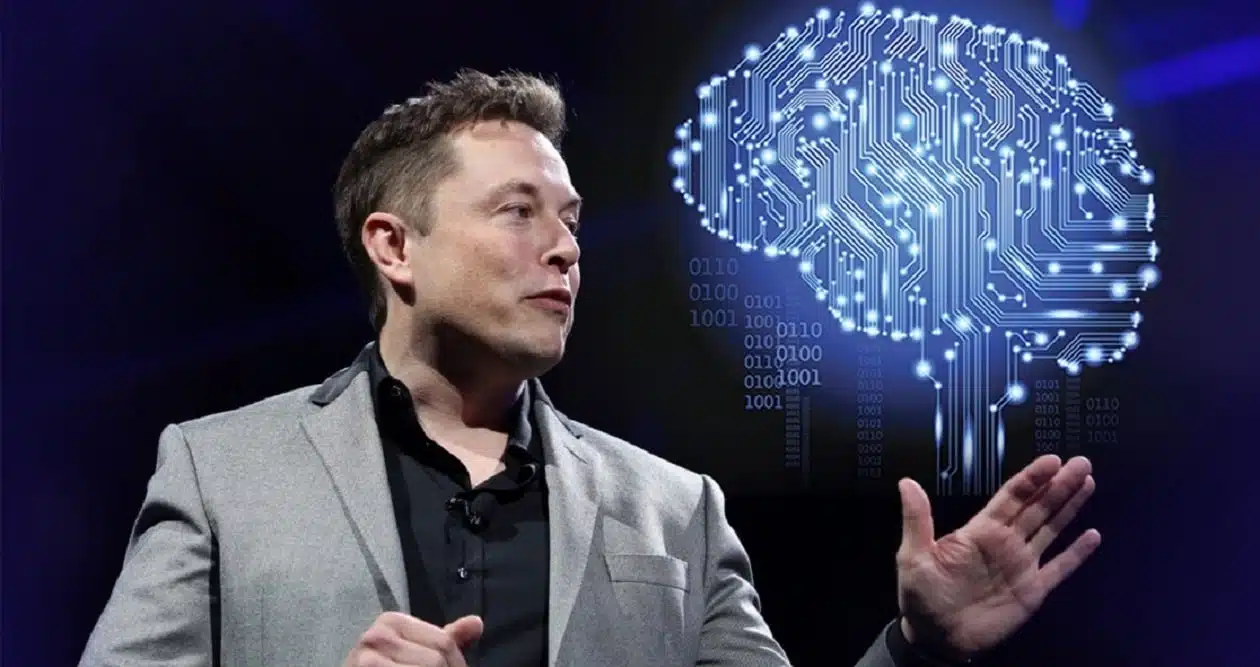
Neuralink, the brain implant company founded by Elon Musk, has announced that it has successfully addressed an issue that had temporarily reduced the effectiveness of its first human test subject’s ability to control a computer cursor using the implanted device. The company’s groundbreaking technology aims to create direct communication channels between the human brain and computers, with the potential to enhance human capabilities and treat neurological disorders.
The First Human Test Subject
In January, Neuralink made headlines when it successfully implanted its device into the brain of Noland Arbaugh, the company’s first human test subject. Arbaugh, who was left paralyzed from the shoulders down after a diving accident eight years ago, initially reported positive experiences with the implant, such as playing chess and video games, as well as learning Japanese and French by controlling a computer screen cursor with his brain.
The Implant Technology
Neuralink’s brain implant is a small device, approximately the size of five stacked coins, which is surgically placed inside the human brain. The device’s threads, which are crucial for collecting neural signals, connect the implant to the brain. The company’s innovative technology aims to establish direct communication channels between the brain and computers, with the potential to enhance human capabilities and treat neurological disorders like ALS and Parkinson’s disease.
The Setback and Resolution
However, the company recently encountered a setback when the threads connecting the implant to Arbaugh’s brain retracted, resulting in a decrease in the number of effective electrodes and a reduction in the patient’s ability to operate the cursor. While Neuralink did not provide an explanation for the receding threads, the company quickly took action to resolve the issue.
Neuralink’s engineers made modifications to the implant to increase its sensitivity to neural signals. These improvements, along with other adjustments, led to a rapid and sustained improvement in the implant’s performance, measured in bits-per-second. The company reported that Arbaugh’s ability to control the cursor has now surpassed his initial performance, demonstrating the resilience and adaptability of Neuralink’s technology.
The Future of Brain-Computer Interfaces
Musk’s ambition for Neuralink extends beyond enhancing human capabilities and treating neurological disorders. The ultimate goal is to achieve a symbiotic relationship between humans and artificial intelligence, enabling seamless communication and interaction between the two. While this may seem like a distant future, the progress made by Neuralink and other companies in the field of brain-computer interfaces suggests that it may be closer than we think.
Competition in the Field
Elon Musk is not the only entrepreneur working to advance brain-computer interface technology. Several other companies and research institutions are also actively exploring this field, which is officially known as brain-machine or brain-computer interface research. As competition in this area intensifies, it is likely that we will see rapid advancements and breakthroughs in the coming years.
Conclusion
Neuralink’s successful resolution of the issue with its first human test subject’s brain implant demonstrates the company’s commitment to pushing the boundaries of neurotechnology. By continuously improving and refining their technology, Neuralink is paving the way for a future in which humans and computers can communicate and interact seamlessly.
As the field of brain-computer interfaces continues to evolve, it is essential to consider the ethical implications and potential risks associated with this technology. However, the potential benefits, such as enhancing human capabilities, treating neurological disorders, and achieving a symbiotic relationship with artificial intelligence, make this an exciting and promising area of research.
With visionaries like Elon Musk and dedicated teams of scientists and engineers working to advance brain-computer interface technology, we can expect to see significant progress in the coming years. As Neuralink and other companies continue to innovate and push the boundaries of what is possible, the future of human-computer interaction looks increasingly bright.
The Information is taken from MSN and CNN.






















