


As a tenant, knowing your legal rights is crucial for ensuring a fair and stress-free renting experience.
Whether you’re a long-term renter or renting for the first time, understanding your rights can protect you from unfair practices, safeguard your living environment, and provide peace of mind.
From maintenance responsibilities to lease agreements, every tenant should be aware of the rights that protect them under the law.
In this comprehensive guide, we will explore 15 essential legal rights that every tenant should know.
By staying informed, you can confidently handle issues such as rent increases, security deposits, and landlord disputes while maintaining your rights as a renter.
1. Right to a Habitable Living Space
One of the most fundamental rights as a tenant is the right to a habitable living space.
Landlords are legally obligated to ensure that the rental property meets basic living conditions, including safe and sanitary housing.
This means the unit must have functioning plumbing, heating, and electrical systems and be free from hazards like mold or infestations.
Why It’s Important:
Health and Safety Standards: A habitable living space ensures that your health and safety are protected.
If your rental property does not meet these standards, you have the right to request repairs, and in extreme cases, you may be able to withhold rent or break the lease if the landlord fails to address the issues.
2. Right to Privacy
Tenants have the right to privacy, meaning landlords cannot enter the rental property without proper notice.
While landlords may need access to the unit for maintenance, inspections, or emergencies, they must provide reasonable notice—typically 24 to 48 hours—before entering your home, unless it’s an emergency.
Why It’s Important:
Control Over Your Living Space: The right to privacy ensures that your home remains your personal space, free from unexpected intrusions.
If your landlord frequently enters without notice or consent, they may be violating tenant privacy laws, which could give you grounds for legal action.
3. Right to a Written Lease Agreement
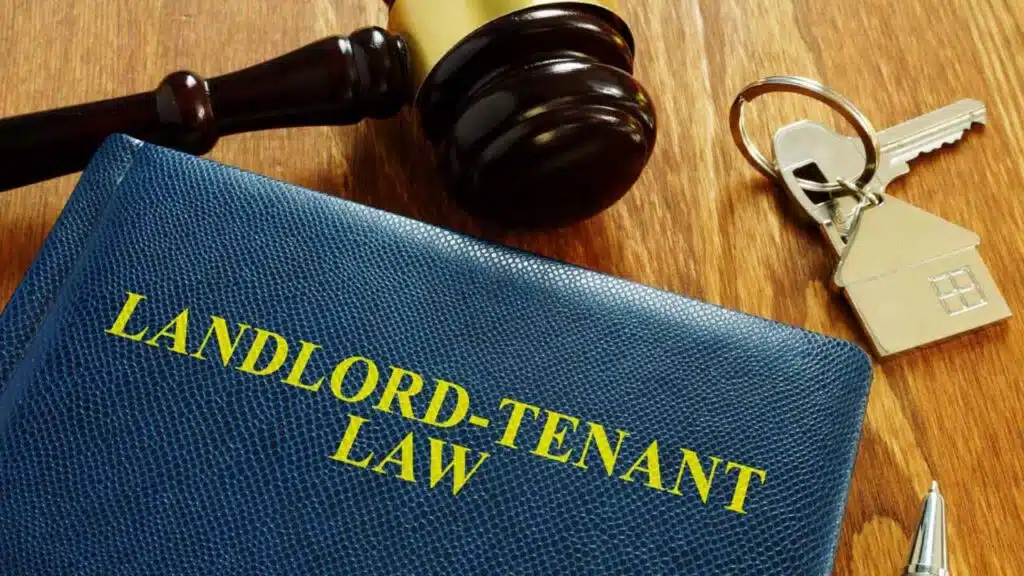
Every tenant has the right to a written lease agreement, which outlines the terms and conditions of the tenancy.
The lease should clearly define the rent amount, security deposit, lease duration, and any other agreed-upon terms.
A written lease protects both tenants and landlords by establishing a legally binding contract.
Why It’s Important:
Protection and Clarity: A written lease provides clarity on your rights and responsibilities as a tenant.
It also serves as a reference point in case of any disputes or misunderstandings during the tenancy.
Be sure to read and understand the lease before signing, and ask for clarification on any unclear terms.
4. Right to Fair Rental Practices
As a tenant, you have the right to be treated fairly and without discrimination.
Under the Fair Housing Act, landlords cannot refuse to rent to someone based on race, religion, gender, national origin, disability, or familial status.
Discrimination in housing is illegal, and tenants have the right to seek legal recourse if they face unfair treatment.
Why It’s Important:
Protection Against Discrimination: Fair rental practices ensure that everyone has an equal opportunity to secure housing.
If you believe you have been discriminated against, you can file a complaint with the Department of Housing and Urban Development (HUD) or consult with a lawyer who specializes in tenant rights.
5. Right to Timely Repairs
Landlords are responsible for maintaining the rental property and making necessary repairs in a timely manner.
If something in your rental unit breaks down or requires maintenance—such as plumbing issues, faulty electrical systems, or broken appliances—you have the right to request repairs and expect them to be addressed promptly.
Why It’s Important:
Ensuring Livable Conditions: Timely repairs are essential for keeping your home safe and comfortable.
If your landlord neglects repair requests, you may have the right to withhold rent, request rent reductions, or even terminate the lease, depending on local laws.
6. Right to Receive Proper Notice for Evictions
Tenants cannot be evicted without proper notice and legal cause.
In most cases, landlords must provide written notice before filing an eviction lawsuit, giving you time to address the issue (such as unpaid rent) or vacate the property.
The notice period varies by state but typically ranges from 30 to 90 days.
Why It’s Important:
Legal Protections Against Unlawful Evictions: Receiving proper notice allows tenants the opportunity to rectify issues or make alternative housing arrangements.
If a landlord attempts to evict you without following legal procedures, it may be considered an illegal eviction, and you can fight it in court.
7. Right to Reasonable Rent Increases
While landlords can raise rent, they must follow state and local laws regarding rent increases.
In many places, landlords are required to give tenants 30 to 60 days’ notice before increasing the rent.
Additionally, some states have rent control laws that limit how much rent can be increased within a given time frame.
Why It’s Important:
Protection Against Sudden or Unreasonable Rent Hikes: Rent increases should not be arbitrary or excessive.
By law, landlords must provide adequate notice and justification for raising rent.
If you feel that a rent increase is unfair, you may have the right to negotiate or challenge the increase, especially in rent-controlled areas.
8. Right to a Security Deposit Refund

When you move into a rental property, landlords typically require a security deposit to cover potential damages.
As a tenant, you have the right to receive a refund of your security deposit at the end of the tenancy, provided you leave the property in good condition and have no outstanding rent or fees.
Why It’s Important:
Financial Accountability: Tenants are entitled to a full or partial refund of their security deposit, minus deductions for legitimate damages or unpaid rent.
If the landlord withholds the deposit unfairly, you can take legal action to recover the funds.
Many states also require landlords to return the deposit within a specific time frame, often within 30 days of moving out.
9. Right to Safe and Accessible Utilities
Tenants have the right to live in a rental property with functioning and safe utilities, including water, electricity, heating, and gas.
Landlords are responsible for ensuring that these essential services are provided and maintained throughout the tenancy.
Why It’s Important:
Comfort and Safety: Utility access is fundamental for a comfortable living environment.
If your utilities are not functioning properly, you have the right to request repairs.
In cases where landlords fail to provide essential services, tenants may have the option to withhold rent, terminate the lease, or make repairs and deduct the cost from their rent.
10. Right to Rent Withholding for Serious Issues
In certain situations, tenants have the right to withhold rent if serious issues with the rental property go unresolved.
For example, if your landlord refuses to fix hazardous conditions like broken heating or plumbing, you may be able to legally withhold rent until the repairs are made.
Why It’s Important:
Leverage for Essential Repairs: Rent withholding is a legal tool that tenants can use to compel landlords to address serious issues.
However, it’s important to follow local laws and guidelines carefully, as improper rent withholding can result in eviction.
Be sure to document the problem, notify the landlord in writing, and consult with a legal expert before taking this step.
11. Right to Break a Lease Under Certain Circumstances
While leases are legally binding agreements, there are circumstances under which tenants can legally break a lease without facing penalties.
These situations may include military deployment, domestic violence, uninhabitable living conditions, or a landlord’s breach of the lease terms.
Why It’s Important:
Legal Flexibility for Special Situations: In cases where staying in the rental unit is no longer safe or feasible, tenants may have the legal right to break the lease without facing financial penalties.
Knowing your rights in these situations allows you to protect yourself and make necessary decisions without fear of legal repercussions.
12. Right to Non-Retaliation
Landlords are prohibited from retaliating against tenants who exercise their legal rights.
For instance, if you request necessary repairs, file a complaint with housing authorities, or withhold rent due to unresolved issues, your landlord cannot retaliate by raising your rent, reducing services, or attempting to evict you.
Why It’s Important:
Protection from Unfair Treatment: Retaliation from landlords can discourage tenants from standing up for their rights.
Knowing that you are protected from retaliation empowers you to address legitimate concerns without fear of losing your housing or facing unjust actions from your landlord.
13. Right to Reasonable Modifications for Disabilities
Under the Fair Housing Act, tenants with disabilities have the right to request reasonable modifications to the rental property to make it accessible.
Landlords must allow modifications, such as installing grab bars in bathrooms or ramps for wheelchair access, as long as they do not impose an undue financial burden.
Why It’s Important:
Equal Access and Accommodation: This right ensures that tenants with disabilities can enjoy full access to their living spaces.
In some cases, tenants may be required to pay for the modifications themselves, but landlords cannot deny reasonable requests that are necessary for accessibility.
14. Right to Protection from Unlawful Eviction
Tenants are protected from unlawful eviction, meaning landlords cannot remove tenants from the rental property without following the proper legal process.
Eviction requires a valid reason, such as failure to pay rent or violation of the lease terms, and must be carried out through a court process if necessary.
Why It’s Important:
Safeguard Against Unjust Removal: Knowing your eviction rights ensures that landlords cannot arbitrarily force you out of your home.
If you receive an eviction notice, understanding the legal process will allow you to respond appropriately and protect your housing.
15. Right to Quiet Enjoyment of the Property
The right to “quiet enjoyment” means that tenants are entitled to live in their rental property without excessive disturbances from the landlord or other tenants.
This includes freedom from harassment, unnecessary noise, or interference with your ability to use and enjoy your home.
Why It’s Important:
Preserving Your Peace and Comfort: This right allows tenants to enjoy their living environment without unwarranted disruptions.
If your landlord or neighbors are infringing on this right, you can take steps to resolve the issue, including seeking legal action if necessary.
Conclusion
Understanding your legal rights as a tenant is key to ensuring a safe, fair, and comfortable rental experience.
From the right to a habitable living space to protection against unlawful eviction, tenants have a wide range of rights designed to protect their interests.
By staying informed and proactive, you can navigate potential issues with confidence, ensuring that your landlord treats you fairly and adheres to legal requirements.
Whether you’re renting for the first time or have been a tenant for years, being aware of these 15 essential rights empowers you to make informed decisions, protect your living conditions, and advocate for yourself when needed.
Knowing your rights can make all the difference in maintaining a positive rental experience.
























