Lancaster, California, located in the heart of the Antelope Valley, is a vibrant city known for its striking desert landscapes and strong community spirit. The city is home to a diverse population that takes pride in its cultural events, educational institutions, and recreational opportunities, such as the popular Lancaster Performing Arts Center and the annual California Poppy Festival. Residents of Lancaster enjoy a high quality of life with access to various amenities and a supportive community atmosphere. Despite these positive aspects, Lancaster, like any other city, faces its challenges, including the reality of car crashes on its busy roads.
Car crashes can be devastating events that lead to physical harm, psychological distress, and financial strains. When faced with such situations, pursuing a car accident claim can assist individuals in recovering damages for their suffering. However, the process of navigating through legal proceedings can be intricate and daunting. In such situations, seeking the guidance of a reputed law firm like Kuzyk Law can be invaluable. In this article, we will delve into the steps required to initiate a car accident claim.
Grasping the Fundamentals of Car Accident Claims
Before delving into the specifics of the process, it is essential to understand some principles associated with car accident claims. It is paramount to recognize that each accident is distinct and necessitates personalized attention. Additionally, the laws concerning car accidents vary based on jurisdiction.
The Concept of Statute of Limitations
An important factor to consider when filing a car accident claim is the statute of limitations. This term refers to the timeframe within which an injured party must commence actions following an accident occurrence. It is crucial to comprehend and abide by these time constraints to prevent forfeiting your entitlement to seek compensation for your injuries.
Securing Evidence
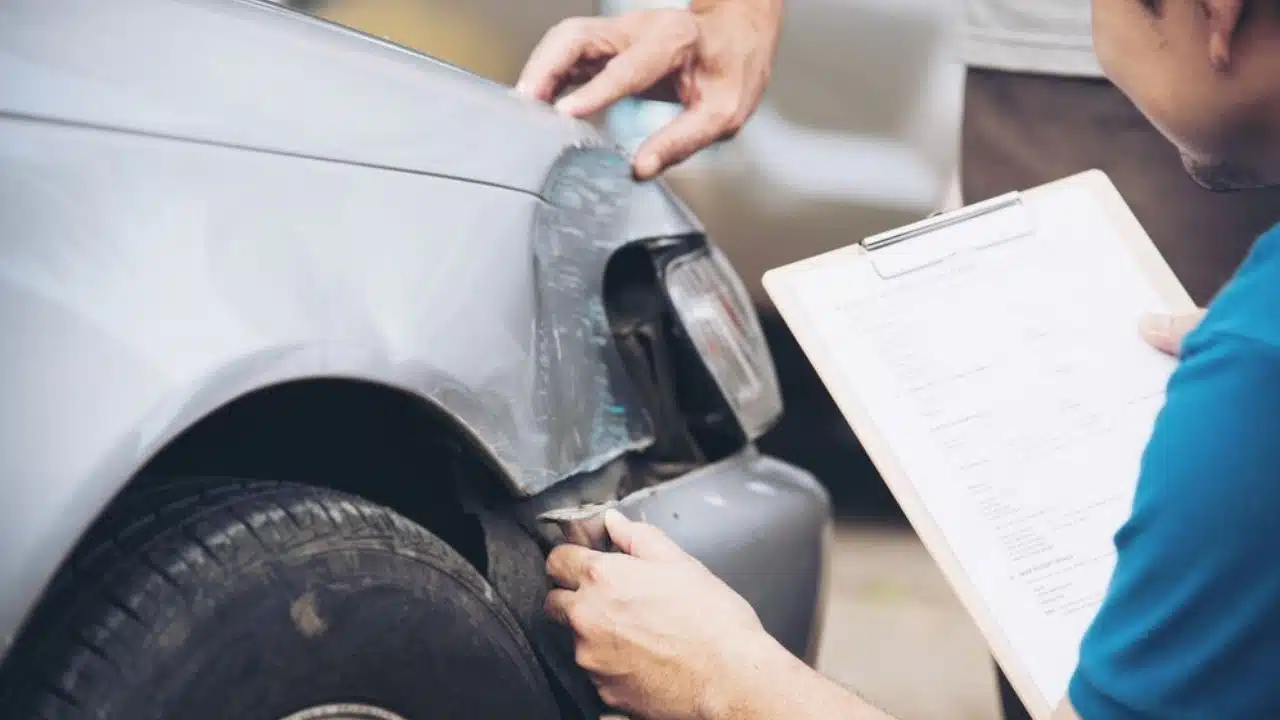
Evidence plays a major role in supporting your car accident claim. Gathering all evidence promptly after the incident substantially enhances your prospects of success in legal procedures. Key pieces of evidence to gather include photos or videos from the scene of the accident, statements from witnesses, medical records detailing injuries sustained in the incident, and any communications with insurance companies or other drivers involved.
Getting Legal Advice
While some people opt to handle things themselves, seeking guidance from a professional can be very helpful for those not familiar with legal proceedings. A seasoned personal injury lawyer who specializes in car accident cases can lead you through each stage of the process while standing up for your rights.
Submitting an Insurance Claim
Once you have collected evidence and accurately assessed damages with assistance from a lawyer, it’s time to reach out to your insurance company by submitting a claim. This involves providing documents like written reports, medical records, and proof, backing up your side of the story. The more thorough and well-supported your claim is, the greater the chance you have of receiving appropriate compensation.
Negotiating a Resolution
After filing your claim, insurers will examine the evidence presented and determine liability. They might propose an appropriate settlement amount following their assessment. It’s important to understand that initial settlement offers often fall short of covering all your losses. When faced with an offer, consult with your attorney to assess its adequacy. Negotiating with the support of evidence and legal knowledge can improve the likelihood of reaching a quick resolution.
Taking Legal Action if Required
In some situations, even after making sincere negotiation efforts, insurance companies may not be inclined to offer adequate compensation. Your lawyer will advise you on whether initiating a lawsuit is necessary or advantageous for pursuing the complete recovery of damages through various channels.
Discovery Phase and Settlement Talks
Throughout the legal process, the parties involved exchange information relevant to the case during discovery. Following this, lawyers from both sides engage in discussions to potentially reach a settlement agreement before proceeding to trial.
Moving to Trial
If negotiations or mediation attempts prove unsuccessful in reaching an agreement, the case progresses toward trial. It’s important to note that going to trial involves extended waiting periods for resolution as courts handle countless cases. It’s crucial to consider the duration of each step outlined based on the circumstances of the individual car accident claims being pursued.
Closing Thoughts
While this article has highlighted the key steps involved in filing a car accident claim, it is vital to recognize that every case is distinct and influenced by factors such as the location and the severity of the injuries sustained. Getting advice from an expert can boost your chances of success in navigating through this procedure.