

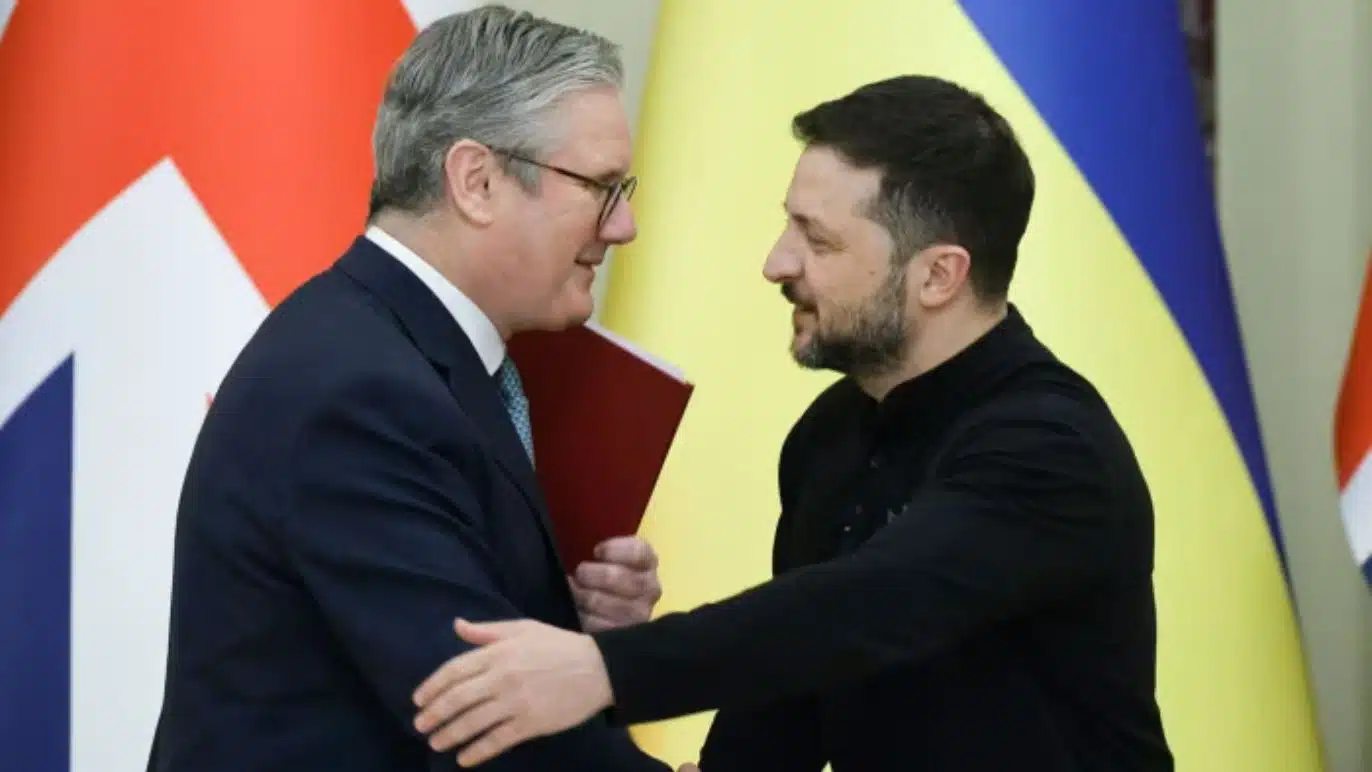
Ukraine and the United Kingdom have announced a sweeping new round of joint sanctions targeting Russian individuals and entities believed to be supporting the ongoing war in Ukraine. The coordinated action, unveiled in December 2025, represents one of the most comprehensive efforts yet to isolate those propping up the Kremlin’s war machine and to further disrupt Russia’s access to critical resources and financial networks.
Scope and Targets of the Sanctions
The latest sanctions package includes over 100 new designations, targeting a broad array of actors including oligarchs, defense industry executives, energy sector figures, and intermediaries involved in sanctions evasion. The list features both individuals and corporate entities, with a particular focus on those linked to Russia’s shadow fleet, which has been instrumental in circumventing international oil embargoes.
Among the high-profile targets are several of Russia’s wealthiest oligarchs, such as Roman Trotsenko, whose companies are deeply involved in strategic sectors like energy and infrastructure. The sanctions also hit major oil companies, including Tatneft, Russneft, and NNK-Oil, as well as several trading firms and shipping companies. The UK government has specifically highlighted the inclusion of entities involved in the procurement and operation of vessels used for illicit oil shipments, further tightening the net around Russia’s energy exports.
Coordinated Efforts and International Collaboration
The joint action underscores a deepening alliance between Ukraine and the UK, as well as ongoing cooperation with other Western allies. Both countries have committed to sharing intelligence and coordinating enforcement efforts to maximize the impact of these measures. The UK has also signaled its intention to work closely with the United States, the European Union, and other partners to further harmonize sanctions and close loopholes that Russia might exploit.
This collaboration extends beyond just financial restrictions. The new sanctions include provisions to freeze assets, impose travel bans, and restrict access to critical technologies and services. In addition, the UK has updated its guidance for businesses and financial institutions to help them comply with the latest measures and to prevent inadvertent support for sanctioned entities.
Impact on Russia’s War Economy
The primary goal of these sanctions is to cripple Russia’s ability to finance its war effort. By targeting the individuals and companies that provide essential resources and financial support, the UK and Ukraine hope to undermine the Kremlin’s military capabilities and its broader war economy. The focus on the shadow fleet is especially significant, as these vessels have allowed Russia to continue exporting oil and other commodities despite international embargoes.
The sanctions also aim to disrupt Russia’s supply chains for military equipment and dual-use technologies. By restricting access to key suppliers and intermediaries, the UK and Ukraine seek to slow the production and deployment of weapons and other materials needed for the conflict. The measures include export controls on chemicals, metal components, salts, ores, artificial intelligence, and geospatial data, all of which are critical for modern warfare.
Specific Measures and Enforcement
The new sanctions package introduces several innovative enforcement mechanisms. For example, the UK has expanded its powers to target foreign financial institutions that facilitate Russia’s circumvention of sanctions. This includes banks and other entities in third countries that may be helping Russia move money or assets to avoid detection.
The UK has also lowered the oil price cap to further reduce Russia’s revenues from energy exports. The cap, currently set at $60 per barrel, is expected to be lowered closer to the cost of production in the coming months, making it even more difficult for Russia to profit from its oil sales. In addition, the UK has proscribed several ships and shipping companies, making it illegal for UK entities to engage in any transactions with them.
Reactions and Implications
The announcement of these joint sanctions has drawn strong reactions from both supporters and critics. Ukrainian officials have welcomed the move as a significant step toward holding Russia accountable for its actions and weakening its war machine. The UK government has emphasized the importance of continued pressure on Russia to end its aggression and to support a fair and enduring peace in Ukraine.
However, some experts have raised concerns about the potential for unintended consequences, such as the impact on global energy markets and the risk of further escalation. There are also questions about the effectiveness of sanctions in achieving their intended goals, given Russia’s ability to adapt and find new ways to circumvent restrictions.
Broader Context and Future Outlook
The latest round of sanctions is part of a broader strategy by Ukraine and its allies to isolate Russia and to support Ukraine’s defense and recovery efforts. The UK has been a leading advocate for tough measures against Russia, consistently pushing for more robust sanctions and increased support for Ukraine.
Looking ahead, the UK and Ukraine are expected to continue coordinating their efforts and to explore new ways to target Russia’s war economy. This may include further sanctions on key sectors, enhanced intelligence sharing, and increased support for Ukraine’s military and economic resilience.
Final Words
The joint sanctions imposed by Ukraine and the UK represent a significant escalation in the international response to Russia’s war in Ukraine. By targeting a wide range of individuals and entities involved in supporting the Kremlin’s war effort, these measures aim to cripple Russia’s ability to finance and sustain its aggression. The coordinated action also highlights the importance of international collaboration in addressing global security challenges and in supporting Ukraine’s sovereignty and territorial integrity.
As the conflict continues, the effectiveness of these sanctions will be closely watched. The UK and Ukraine are likely to remain at the forefront of efforts to hold Russia accountable and to support a just and lasting peace in the region.
























