

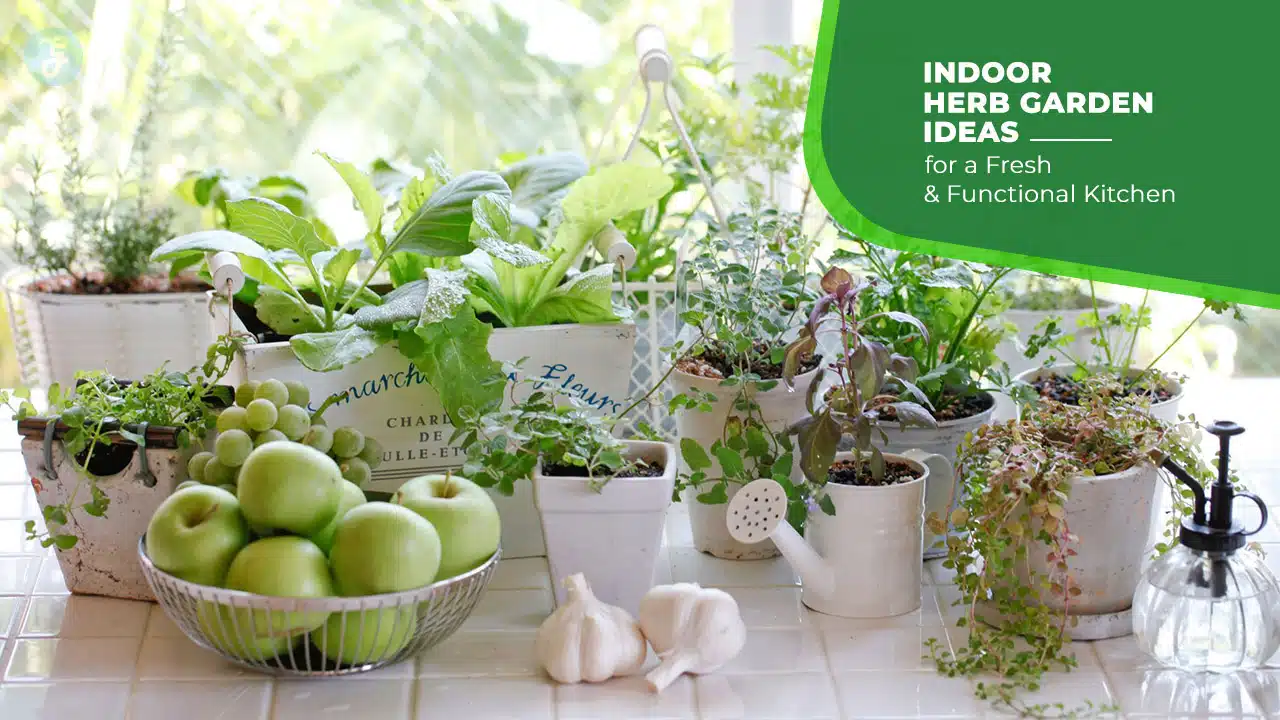
Imagine having fresh, aromatic herbs within arm’s reach, ready to elevate your culinary creations. Indoor Herb Garden Ideas for Kitchen provide an innovative way to combine functionality and style in your kitchen.
Whether you’re a seasoned chef or someone who loves the idea of fresh herbs, these creative solutions will transform your kitchen into a lush, aromatic haven.
With options to suit every space and lifestyle, Indoor Herb Garden Ideas for Kitchen are not just practical but also a delightful way to add greenery to your home.
In this article, we’ll explore five engaging and easy-to-implement concepts for Indoor Herb Garden Ideas for Kitchen that can enhance both the aesthetic and functional aspects of your kitchen.
1. Vertical Wall Herb Gardens
For compact kitchens where counter space is precious, Vertical Herb Garden Ideas are a game-changer. They make use of vertical surfaces, such as walls or backsplash areas, to grow herbs while adding a modern and stylish touch.
Vertical herb gardens are not only space-efficient but also visually appealing, creating a living wall that can double as decor.
Plus, they’re incredibly convenient—your favorite herbs are just a grab away, making cooking a breeze.
How to Create a Vertical Herb Garden
- Materials Needed: Wall planters, hooks, herb-friendly soil, and a sturdy frame.
- Step-by-Step Instructions:
- Choose a sunny wall or backsplash area.
- Install hooks or a frame to hold planters securely.
- Fill planters with nutrient-rich soil and plant herbs such as basil, oregano, or thyme.
- Water the plants and ensure they get at least 6 hours of sunlight daily.
| Material | Purpose | Estimated Cost |
| Wall planters | Holds herbs | $15 – $50 |
| Hooks or frame | Provides support for planters | $10 – $30 |
| Herb-friendly soil | Ensures healthy herb growth | $5 – $20 |
| Self-watering system | Optional for reduced maintenance | $25 – $80 |
Best Herbs for Vertical Wall Gardens
- Basil: Perfect for pasta sauces and salads.
- Mint: Great for refreshing drinks and desserts.
- Thyme: A versatile herb for meats and soups.
- Cilantro: Ideal for garnishing dishes.
Pro Tip:
Consider adding an irrigation system to simplify watering. Self-watering wall planters are readily available and reduce maintenance. Some modern designs even include LED grow lights to boost growth in low-light kitchens.
2. Countertop Mason Jar Herb Gardens
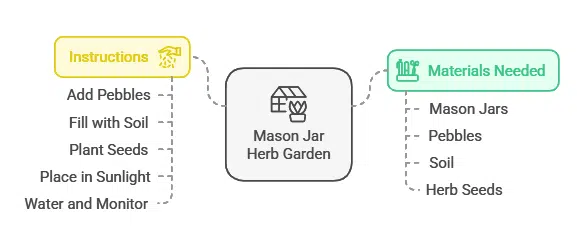
If you love rustic charm, Countertop Herb Garden Ideas using mason jars are a perfect fit. This affordable and DIY-friendly option allows you to grow herbs in stylish glass containers, making them a decorative centerpiece for your kitchen.
With mason jars, you can showcase the roots and soil, giving your kitchen an earthy and organic vibe. It’s a great way to start small while reaping the benefits of fresh herbs.
How to Set Up Mason Jar Herb Gardens
- Materials Needed: Mason jars, pebbles for drainage, soil, and herb seeds.
- Step-by-Step Instructions:
- Add a layer of pebbles at the bottom of each jar for proper drainage.
- Fill jars with soil and plant herb seeds about 1 inch deep.
- Place the jars in a sunny location, such as a windowsill or countertop.
- Water lightly and monitor for growth.
| Material | Purpose | Estimated Cost |
| Mason jars | Containers for herbs | $10 – $20 |
| Pebbles | Improves drainage | $5 – $10 |
| Herb-friendly soil | Provides nutrients | $5 – $15 |
| Herb seeds | Choose from parsley, dill, etc. | $2 – $10 |
Herbs to Grow in Mason Jars
- Parsley: A favorite for garnishing and soups.
- Dill: Essential for pickling and seafood dishes.
- Chives: Perfect for sprinkling over eggs or potatoes.
- Rosemary: Ideal for roasting meats.
Practical Insight:
For better results, select wide-mouth jars and ensure they are sterilized before planting. This prevents fungal growth and ensures healthy plants.
3. Hanging Herb Planters for a Fresh Look
Hanging planters are not just a space-saving solution; they’re also a chic design element. Hanging Herb Garden Ideas maximize unused ceiling or window space, keeping your countertops clutter-free while maintaining accessibility.
These planters add a dynamic and layered look to your kitchen, creating a fresh and inviting atmosphere.
DIY Guide to Hanging Herb Planters
- Materials Required: Lightweight pots, hooks, sturdy rope, and soil.
- Step-by-Step Instructions:
- Install hooks on the ceiling or near a well-lit window.
- Attach ropes securely to the pots.
- Fill pots with soil and plant herb seeds.
- Hang the pots at varying heights for an artistic touch.
| Material | Purpose | Estimated Cost |
| Lightweight pots | Containers for herbs | $15 – $40 |
| Hooks | Support for hanging planters | $5 – $20 |
| Sturdy rope | Holds the planters securely | $10 – $30 |
| Herb-friendly soil | Ensures healthy herb growth | $5 – $15 |
Herbs That Thrive in Hanging Planters
- Mint: Resilient and fast-growing.
- Basil: Prefers consistent warmth and sunlight.
- Sage: Hardy and flavorful.
Pro Tip:
Use lightweight materials like plastic or coconut coir pots to prevent overburdening the hooks. Additionally, line the pots with mesh to retain soil while allowing excess water to drain.
4. DIY Herb Garden Kits for Convenience
For beginners or those short on time, Herb Garden Kits offer a convenient way to start gardening. These kits typically include seeds, pots, and instructions, making them ideal for a no-fuss setup.
Many kits also come with eco-friendly materials, making them a sustainable choice for modern kitchens. They’re perfect for anyone looking to explore gardening with minimal investment and effort.
Top Herb Garden Kits to Consider in 2025
| Kit Name | Price | Features | Best For |
| Kitchen Counter Kit | $30 | Includes 5 seed varieties, soil | Beginners |
| Smart Herb Garden | $120 | Automated watering system | Tech enthusiasts |
| EcoGrow Kit | $50 | Biodegradable pots, organic soil | Environment-conscious |
Tips for Maintaining DIY Herb Garden Kits
- Follow the provided watering and sunlight guidelines.
- Rotate pots periodically to ensure even sunlight exposure.
- Use organic fertilizers to promote healthy growth.
Practical Insight:
Some herb garden kits include smart sensors to monitor soil moisture and sunlight levels. These high-tech solutions are perfect for busy individuals who still want fresh herbs.
5. Windowsill Herb Gardens for Natural Light
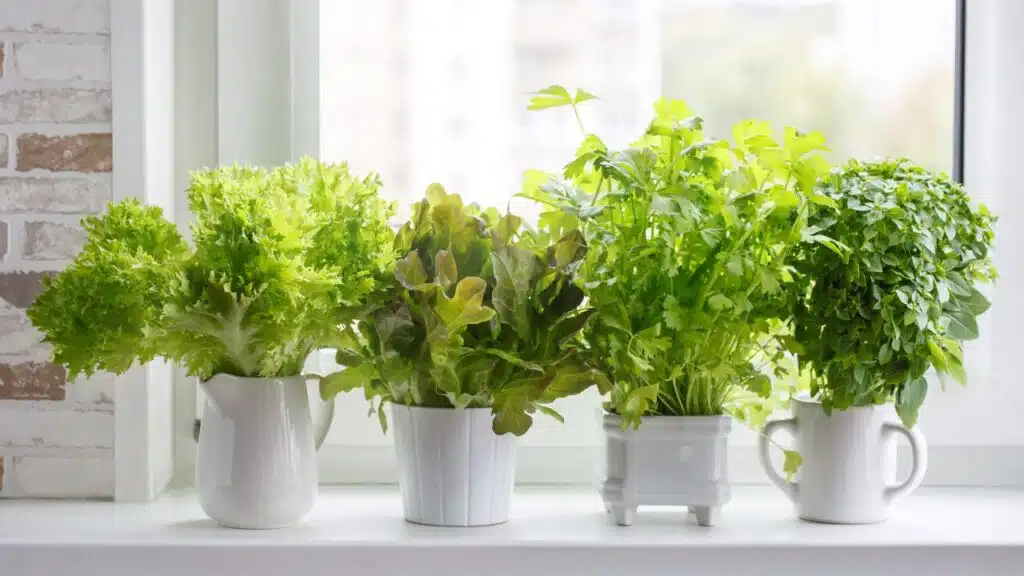
Among Indoor Herb Garden Ideas, windowsill gardens are a classic choice. They take advantage of natural light and fit seamlessly into most kitchen designs.
Perfect for homes with sunny windows, they’re easy to manage and aesthetically pleasing. This setup works wonderfully for apartments and smaller spaces where floor or counter space is limited.
Setting Up a Windowsill Herb Garden
- Materials Needed: Small pots, trays to catch water, and herb seeds.
- Step-by-Step Instructions:
- Select a windowsill that receives ample sunlight.
- Arrange pots on a tray to prevent water damage.
- Plant herbs in nutrient-rich soil.
- Water moderately to avoid overwatering.
| Material | Purpose | Estimated Cost |
| Small pots | Containers for herbs | $10 – $30 |
| Water trays | Prevents spills and stains | $5 – $15 |
| Herb-friendly soil | Promotes healthy growth | $5 – $20 |
| Herb seeds | Choose versatile herbs | $2 – $10 |
Ideal Herbs for Windowsill Gardens
- Chives: Thrives in small spaces.
- Cilantro: Fast-growing and versatile.
- Parsley: Hardy and easy to maintain.
Practical Insight:
To ensure success, opt for south-facing windows that receive maximum sunlight. If natural light is insufficient, consider using a small grow light.
Additional Tips for a Thriving Indoor Herb Garden
General Care and Maintenance
- Watering: Avoid overwatering; most herbs prefer slightly moist soil.
- Sunlight: Ensure 6-8 hours of sunlight daily.
- Pest Control: Use natural remedies like neem oil for pest prevention.
Common Mistakes to Avoid
- Overcrowding herbs in small spaces.
- Neglecting to rotate plants for even sunlight exposure.
- Using non-draining containers leads to root rot.
Summary
Enhancing your kitchen with fresh herbs has never been easier or more rewarding. These Indoor Herb Garden Ideas for Kitchen offer a perfect balance of style, functionality, and sustainability.
From vertical wall gardens to countertop mason jars, there’s a solution for every space and skill level.
Start your herb garden today and enjoy the beauty and freshness it brings to your kitchen year-round. Share your favorite setup in the comments below and inspire others to create their own herb oasis!





















