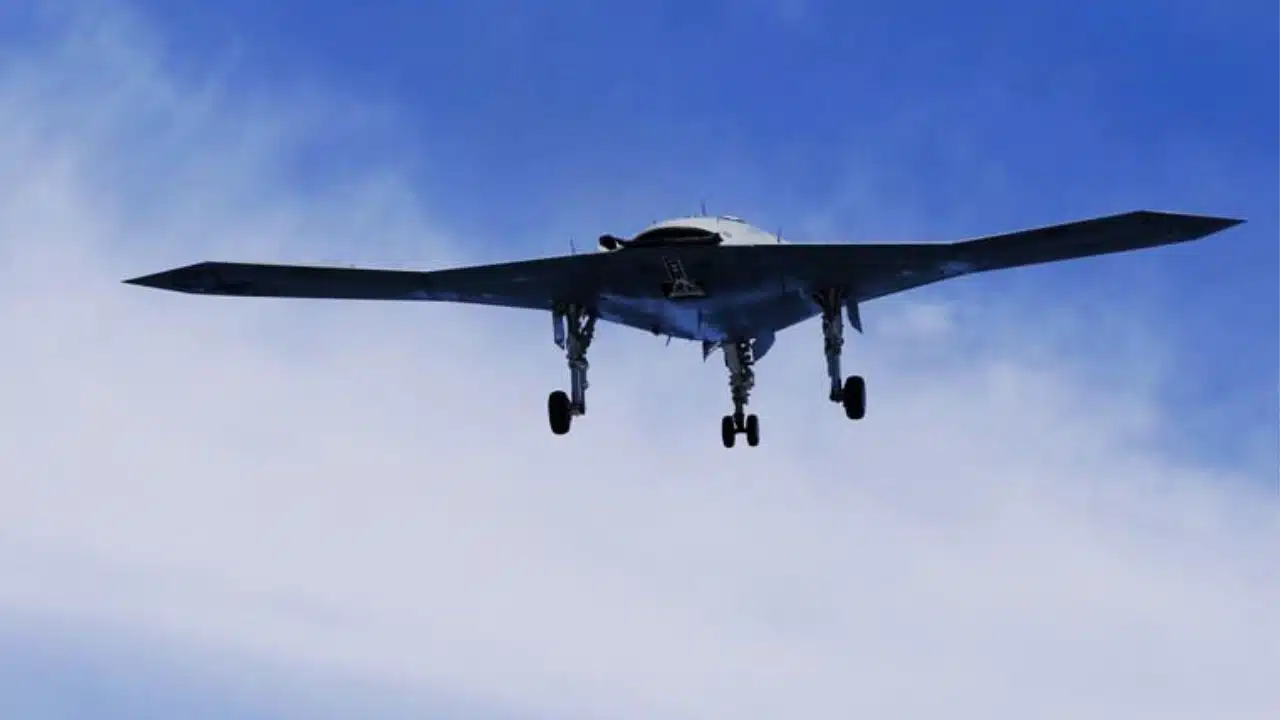
India and Pakistan, both nuclear-armed neighbors, are facing their most dangerous military confrontation in over two decades. The situation escalated sharply on Thursday, May 8, 2025, when both sides exchanged accusations and counterstrikes involving drones, missiles, and conventional forces.
According to India’s Ministry of Defence, Pakistan launched drone and missile attacks on multiple Indian military installations located in the northern and western regions of the country. India stated it had “neutralized” all incoming threats and retaliated with precise strikes targeting Pakistani air defense systems.
These events mark an alarming shift in military engagement rules between the two archrivals, as urban centers were reportedly targeted, and drone warfare became a frontline tool for the first time in their long and bitter history.
India Responds to Pakistani Attacks
India’s Defence Ministry issued a public statement on Thursday confirming that Pakistan attempted to hit several military targets in northern and western India using a combination of drones and surface-to-surface missiles.
In response, the Indian military struck back, hitting multiple locations across Pakistan. One of the confirmed targets was a Pakistani air defense radar system in Lahore, Pakistan’s second-largest city. Indian forces claimed that this system was “completely knocked out” to prevent further aerial threats.
Sources within India’s strategic command indicated that the retaliation was calibrated and aimed only at military installations to avoid civilian casualties. The strikes were part of a broader operation to suppress Pakistani missile and drone launch platforms.
Pakistan’s Claims: Drones, Civilian Casualties, and Retaliation
Earlier the same day, Pakistan’s armed forces spokesperson Major General Ahmed Sharif Chaudhry said in a televised press conference that Pakistani air defense units had shot down 25 Indian drones near multiple cities, including Karachi, Lahore, Sialkot, and Rawalpindi.
According to Chaudhry:
-
One civilian was killed
-
Four Pakistani soldiers were injured
-
Several Indian drones were Israeli-made surveillance and combat models
He described India’s drone deployment as a “blatant act of aggression” and warned that New Delhi would “pay dearly” for the actions.
Additionally, Pakistan claimed that it used Chinese-made J-10C fighter jets to shoot down five Indian aircraft, including some Rafale jets acquired from France. However, Pakistan did not present visual or satellite evidence to support these claims.
The Trigger: A Terror Attack in Kashmir
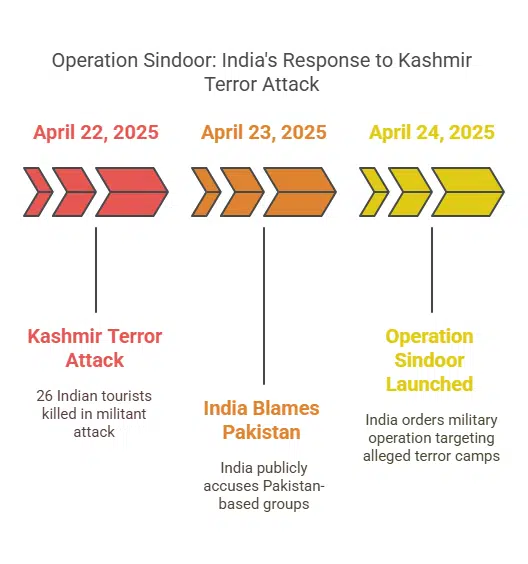
This confrontation follows an April 22, 2025, militant attack in Indian-administered Kashmir, in which 26 Indian tourists were killed.
India has publicly blamed the attack on Pakistan-based terrorist groups, a charge Islamabad firmly denies. Nevertheless, Indian Prime Minister Narendra Modi ordered a “limited but decisive military operation” targeting what India alleges are terrorist training camps on Pakistani soil.
This military campaign has been dubbed “Operation Sindoor.”
As part of the operation:
-
Indian missiles hit nine sites across Pakistan-administered Kashmir and Punjab Province
-
Locations included Muridke, Bahawalpur, and Muzaffarabad
-
India claims over 100 militants were killed, though this is unverified by third parties
A Dangerous Shift in Warfare: Cities Targeted for the First Time
Experts and defense analysts are deeply alarmed by the scale and nature of these engagements.
“Attacks on cities by military drones have never occurred in the India-Pakistan rivalry,” said Professor Christopher Clary, a South Asia defense specialist at the University at Albany.
He warned this situation marks the erosion of long-standing military norms between the two countries.
“The old rules have been thrown out the window. The new rules haven’t been written yet, which means we are entering a very dangerous period,” he said.
The current round of strikes and counterstrikes has involved urban targets, military radars, and civilian airspace, bringing the conflict dangerously close to spiraling out of control.
Casualties Mounting on Both Sides
The growing conflict has already caused significant human losses:
In Pakistan:
-
32 deaths reported this week, including civilians
-
61 injured, including children and military personnel
-
Infrastructure damage in Lahore and Rawalpindi
In India:
-
Government sources claim 16 civilians—including women and children—were killed due to Pakistani shelling and drone strikes
-
59 civilians injured
-
Border villages along the Line of Control (LoC) were evacuated as a precaution
Pakistani intelligence officials further claimed that between 40 to 50 Indian soldiers had been killed in Pakistani retaliatory actions since May 6. India has not confirmed these figures and has accused Pakistan of spreading disinformation.
Global Reactions and Calls for Restraint
The United States, the European Union, China, and the United Nations have all issued urgent calls for calm.
-
U.S. President Donald Trump offered to mediate between the two countries to prevent further escalation.
-
The EU urged both sides to return to dialogue, warning of “severe regional consequences.”
-
China, a close ally of Pakistan, asked both nations to avoid provocative actions and “prioritize regional peace.”
Despite these appeals, both countries remain firm in their respective positions.
Modi Reviews National Security Readiness
Indian Prime Minister Narendra Modi held a high-level meeting with national security advisors and intelligence chiefs on Thursday evening.
The government reportedly reviewed:
-
Border security readiness
-
Civil defense mechanisms in cities
-
Protection of critical infrastructure, including power grids, airports, and communication networks
India reiterated its stance that it does not wish to escalate the situation, but will respond with equal intensity to any provocation from Pakistan.
What began as a retaliatory strike over a terror incident in Kashmir has now grown into a multi-front conflict involving drones, fighter jets, missiles, and direct military casualties.
Diplomats warn that if not contained quickly, this could evolve into the most dangerous military crisis between India and Pakistan in the 21st century—potentially even involving nuclear posturing.
For now, the world watches nervously as two of Asia’s most powerful nations edge closer to the precipice of war.