
As a parent, making informed decisions about your child’s health is one of the most important responsibilities you’ll ever have. Immunizations are a vital part of that equation, offering protection against potentially severe and preventable diseases.
With so much information available, it can be overwhelming to sort through the details and truly understand the impact and importance of vaccines.
To support you in making confident, informed choices, here are 10 essential immunization facts that every parent should know, covering how vaccines work, why they’re safe, and how they benefit both your child and society.
1. Understanding How Vaccines Work: Strengthening Your Child’s Immune System
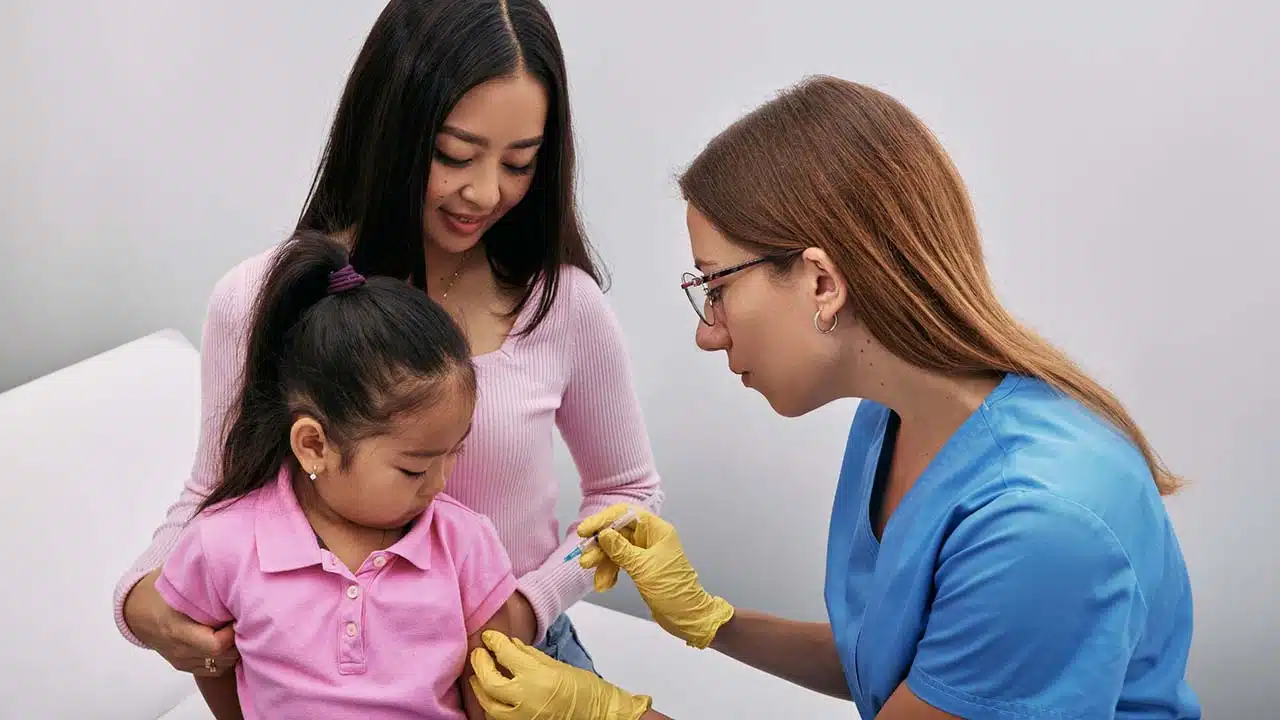
Vaccines play a crucial role in preparing the immune system to combat disease.
They work by introducing a harmless component of the pathogen (such as a protein or an inactive virus) into the body, allowing the immune system to develop a defense mechanism without causing illness.
This process enables the body to “remember” the pathogen, making it easier to fight the real infection in the future if exposed.
a. Immunity Without Illness
Through vaccines, your child can gain immunity to serious diseases without experiencing the actual illness or its potential complications.
For example, vaccines against measles or polio protect children from experiencing these diseases, which can lead to complications like paralysis or even death.
Instead, vaccines give the immune system a “practice run,” so it’s ready to protect your child effectively in the future.
b. Immunity Boost for the Entire Community
Vaccines don’t just protect the person receiving them—they also contribute to overall community health.
Known as “herd immunity,” this collective immunity occurs when a high percentage of the population is vaccinated, creating a barrier that prevents the spread of disease.
This is essential for protecting individuals who cannot be vaccinated, such as newborns or those with weakened immune systems.
Each vaccinated child contributes to a safer, healthier community.
2. Vaccines Are Carefully Tested and Proven Safe
One of the most common questions parents have is whether vaccines are safe for their children.
Vaccine safety is taken very seriously and is monitored by health authorities worldwide, such as the Centers for Disease Control and Prevention (CDC), the Food and Drug Administration (FDA), and the World Health Organization (WHO).
These organizations ensure that every vaccine undergoes rigorous testing to verify its safety and effectiveness.
a. Multi-Stage Clinical Trials
Before a vaccine is approved for public use, it goes through multiple phases of clinical trials involving thousands of participants.
These trials assess the vaccine’s safety, its potential side effects, and how effective it is in preventing the targeted disease.
This process can take several years and includes a broad demographic range to ensure the vaccine’s safety across different age groups, genders, and health statuses.
b. Post-Market Surveillance
Once a vaccine is approved and available to the public, it continues to be monitored for safety through systems like the Vaccine Adverse Event Reporting System (VAERS) in the United States.
These systems help track any rare side effects that might emerge and allow healthcare providers and researchers to respond swiftly if any issues arise.
For parents, this means vaccines are not only safe but remain under constant scrutiny to ensure their effectiveness and reliability.
3. The Immunization Schedule is Designed to Maximize Protection
The immunization schedule recommended by health organizations is carefully designed to provide immunity when children are most vulnerable to certain diseases.
Each vaccine on the schedule is strategically timed to protect against specific diseases at the right age, maximizing safety and efficacy.
a. Timing is Key
Vaccines are timed to ensure that they’re administered when children’s immune systems are best able to respond.
For instance, the measles vaccine is typically given at 12–15 months, as this is when infants’ immune systems are mature enough to build an effective defense.
Additionally, vaccines like the DTaP (diphtheria, tetanus, and pertussis) require multiple doses over time to build up full immunity.
b. Staying on Track with Booster Shots
Some vaccines, such as those for tetanus or whooping cough, require booster shots later in life to maintain immunity.
Following the full schedule, including booster shots, ensures that immunity remains strong and effective as your child grows.
Missing doses or delaying vaccines can leave children susceptible to diseases they could otherwise avoid.
4. Vaccines Prevent Serious and Potentially Deadly Diseases
Vaccines protect against diseases that were once leading causes of childhood illness, disability, and death. Many of these diseases—like polio, smallpox, and measles—are no longer common due to widespread vaccination.
However, if vaccination rates drop, these diseases can resurface and spread rapidly.
a. Protecting Against Preventable Illnesses
Diseases like measles, mumps, rubella, polio, and meningitis can have serious, life-altering effects on children.
Measles, for example, can lead to pneumonia and encephalitis (swelling of the brain), while polio can cause permanent paralysis.
Vaccines eliminate or dramatically reduce the risk of these diseases, helping children avoid potential health complications.
b. Reducing Disease Outbreaks
When most children in a community are vaccinated, the likelihood of disease outbreaks drops significantly.
This lowers the risk for everyone, especially those who are unable to be vaccinated due to medical reasons.
High vaccination rates prevent the resurgence of diseases that are currently rare, preserving the progress made in eradicating or controlling these illnesses.
5. Vaccine Side Effects Are Usually Mild and Temporary

While any medical intervention can have side effects, vaccine side effects are generally mild and temporary.
Common reactions include mild fever, swelling at the injection site, or fussiness, which typically subside within a few days.
Severe reactions are rare, and healthcare providers are prepared to address them if they do occur.
a. Managing Common Side Effects
Parents often report minor side effects like soreness at the injection site, low-grade fever, or slight fatigue after a vaccination.
These symptoms are normal and indicate that the body’s immune system is responding to the vaccine.
Applying a cool compress or giving a mild pain reliever (as recommended by a healthcare provider) can help ease any discomfort.
b. Severe Side Effects are Extremely Rare
Serious side effects, such as severe allergic reactions, are extremely rare—occurring in less than one per million doses for most vaccines.
In these cases, medical staff are trained to handle reactions immediately.
The benefits of vaccination, which protect against serious diseases, far outweigh the risk of these rare reactions.
For parents concerned about side effects, discussing the risks and benefits with a pediatrician can provide reassurance and help with informed decision-making.
6. Vaccination Protects Future Generations
Vaccination not only protects your child and their immediate community but also contributes to a healthier future for all.
When diseases are controlled or eradicated through vaccination, future generations benefit as well, living in a world where they may never have to worry about certain illnesses.
a. Contributing to Disease Eradication
The smallpox vaccine successfully eradicated smallpox globally. Polio is also close to being eradicated due to vaccination efforts.
Each vaccinated child is part of a movement that protects future generations from facing these illnesses.
With continued vaccination efforts, diseases like measles and rubella could become as rare as smallpox, creating a safer future.
b. Reducing the Burden on Healthcare Systems
Fewer cases of preventable diseases mean fewer hospitalizations, fewer health complications, and less strain on healthcare systems.
Vaccines can help ensure that hospitals and clinics remain focused on critical care for other conditions, creating a more efficient healthcare system.
The ripple effect of vaccination ultimately supports the health of the whole society, making it easier for future generations to thrive.
7. Vaccines are Cost-Effective and Help Families Save Money
While vaccines are often available at low or no cost through public health programs, the long-term financial benefits of vaccination are substantial.
Preventing diseases through vaccination is far less costly than treating those diseases and managing their complications.
a. Saving on Healthcare Costs
Preventable diseases like hepatitis or rotavirus can lead to expensive hospitalizations or long-term health issues if contracted.
A single dose of a vaccine costs far less than the treatment required for these illnesses, making vaccination an investment in both health and financial security.
b. Minimizing Missed Work and School Days
Vaccinated children are less likely to miss school due to illness, and parents are less likely to need time off work to care for sick children.
Immunization helps keep children in school and parents in the workforce, minimizing the financial strain that illness can cause on families.
For many parents, vaccination represents both a protective and economically sensible choice.
8. Herd Immunity Protects Those Who Are Vulnerable
Vaccination benefits not just the individual but the entire community through the concept of herd immunity.
Herd immunity protects those who cannot be vaccinated—like infants, elderly individuals, or those with weakened immune systems—by preventing disease outbreaks in the community.
a. Protecting At-Risk Populations
People with compromised immune systems, including those undergoing chemotherapy or with certain chronic illnesses, rely on herd immunity for protection.
When the majority of the population is vaccinated, the risk of disease spreading is greatly reduced, protecting those who cannot receive certain vaccines.
b. The Impact on Public Health
Herd immunity is an essential aspect of public health. It safeguards vulnerable groups, reducing the overall spread of contagious diseases.
By vaccinating your child, you are helping to create a buffer that keeps entire communities, including the most vulnerable, safer and healthier.
9. Immunizations Are Often Required for School and Group Activities
In many countries, vaccinations are a requirement for enrolling in public schools or participating in group activities like sports.
These requirements are designed to maintain a safe environment for all children, ensuring that everyone is protected from the risk of preventable diseases.
a. Reducing the Spread of Illness in Schools
Schools, where children interact closely, can become breeding grounds for contagious diseases.
Vaccination requirements prevent diseases from spreading rapidly in these environments, creating a healthier space for children to learn and grow.
For parents, keeping your child’s vaccinations up-to-date ensures they can participate in school and extracurricular activities safely.
b. Compliance with Health Regulations
In addition to school enrollment, immunizations are often required for travel, daycare, and certain medical programs.
Keeping records updated and following recommended vaccination schedules can simplify future enrollments and allow your child to participate fully in social and educational activities.
10. Vaccine Research and Development is Ongoing
Vaccines continue to evolve to remain effective against changing pathogens.
Researchers are consistently working on improving vaccine safety, effectiveness, and accessibility.
This continuous development helps ensure that immunizations remain a cornerstone of public health for future generations.
a. Tracking New Strains and Emerging Diseases
Vaccines are updated as needed to combat new strains or emerging diseases.
For instance, the flu vaccine is updated annually to match the most common strains of the flu virus for that season.
This adaptability means that vaccines remain an effective defense against evolving pathogens.
b. Innovation for Safer, More Efficient Vaccines
In addition to updating existing vaccines, researchers are also exploring combination vaccines, which combine protection against multiple diseases in a single shot, reducing the number of injections children need.
Advances in technology and vaccine science contribute to developing safer, more effective vaccines that are convenient and accessible, ensuring that every child has access to critical protection.
Takeaway: Immunization is Essential for a Healthy Future
Vaccination is one of the most effective tools in modern medicine for preventing disease and ensuring a healthier future.
By understanding these 10 key immunization facts, parents can feel confident in making informed decisions to protect their children’s health.
Immunizations provide critical protection not just for your child, but also for the wider community, reducing the spread of diseases, protecting vulnerable populations, and contributing to a safer world for future generations.