

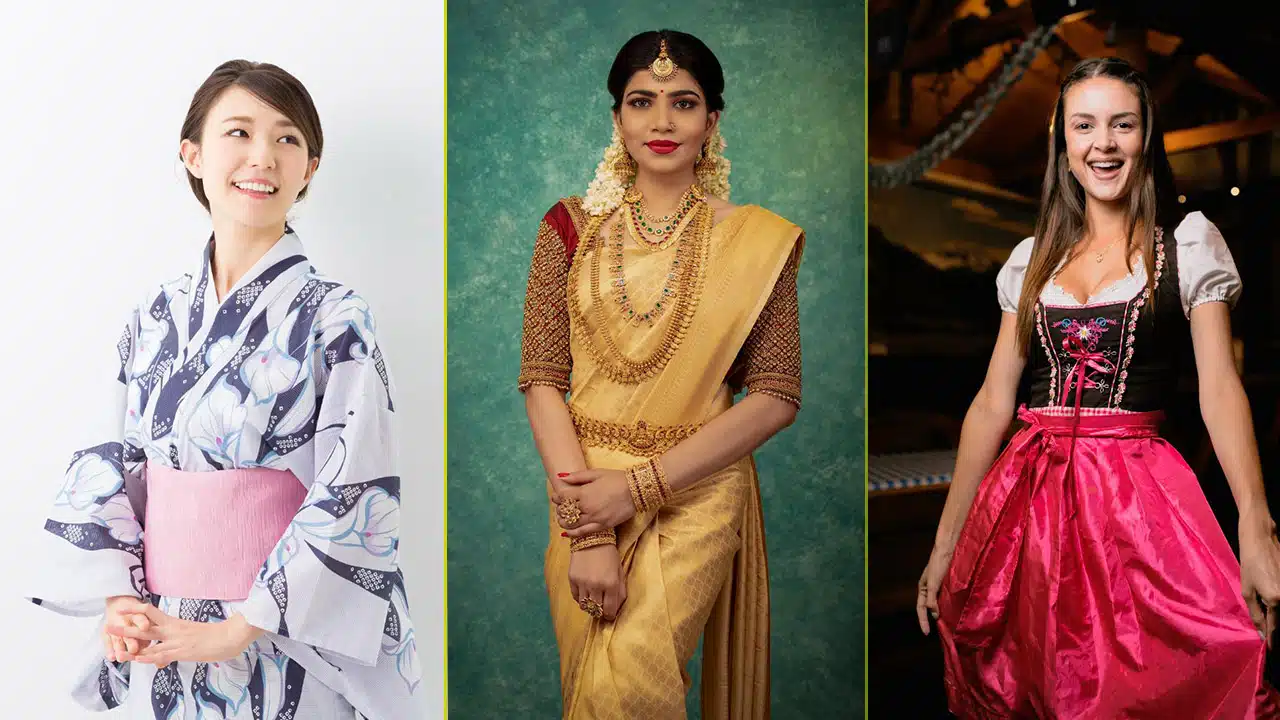
Clothing has always been more than just a way to cover ourselves; it’s a form of identity, expression, and culture. Across the globe, traditional outfits represent centuries of heritage, craftsmanship, and storytelling. Each piece of attire has its own unique history, rooted in the traditions and values of its culture. These garments often serve as a symbol of pride, uniting communities and connecting people to their ancestors.
In this article, we will explore 10 iconic traditional outfits from different parts of the world. These outfits showcase the beauty and diversity of global cultures, demonstrating how fashion can bridge the past with the present.
Why Traditional Outfits Are Important Globally?
Traditional clothing plays a vital role in preserving cultural identity. It reflects the values, history, and creativity of a society. For many communities, these garments are more than just fashion; they’re symbols of heritage worn during significant ceremonies, festivals, and events.
Moreover, traditional outfits continue to influence modern fashion. Designers around the world often draw inspiration from these timeless pieces, blending tradition with contemporary trends. Let’s take a closer look at some of the most iconic traditional outfits and their cultural significance.
10 Iconic Traditional Outfits from Around the World

Let’s take a look.
1. Kimono (Japan)
The kimono is one of the most recognizable traditional garments in the world. Originating in Japan, the kimono is a T-shaped robe secured with an obi (belt). Its design is simple yet elegant, often adorned with intricate patterns that hold symbolic meanings.
Key Features:
- Made from silk, cotton, or synthetic fabrics.
- Worn during formal events such as weddings, tea ceremonies, and festivals.
- Patterns often represent nature, seasons, or cultural motifs.
| Feature | Details |
| Material | Silk, cotton, synthetic fabrics |
| Key Events | Weddings, tea ceremonies, festivals |
| Symbolism | Nature, seasons, cultural motifs |
Fun Fact: The word “kimono” literally means “thing to wear” in Japanese.
2. Sari (India)
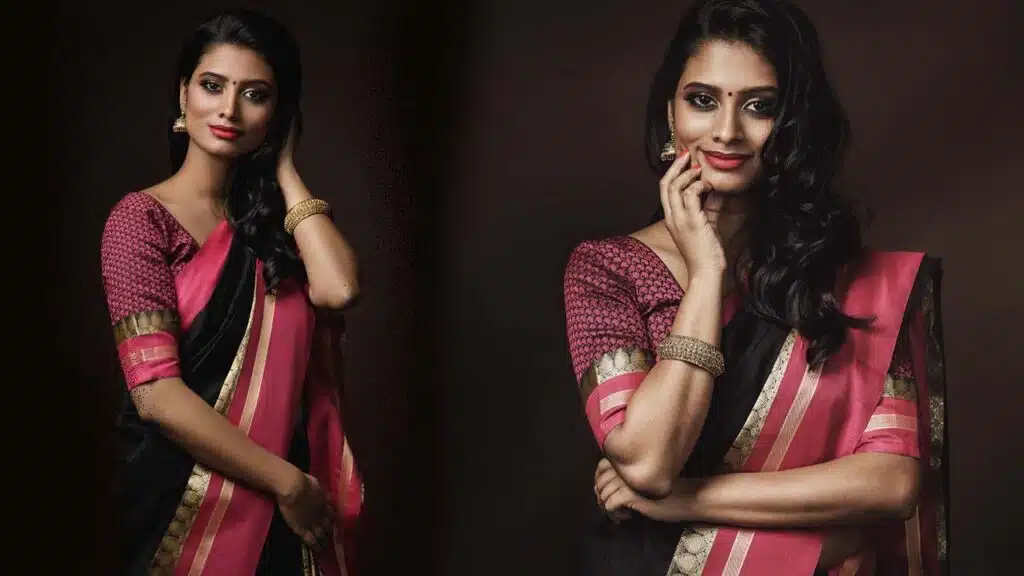
The sari is a long piece of unstitched fabric, typically six to nine yards long, draped elegantly around the body. It’s a staple in Indian culture, worn by women across the country in various styles depending on the region.
Key Features:
- Available in diverse materials such as silk, cotton, and chiffon.
- Regional varieties include Banarasi silk, Kanjeevaram, and Bandhani.
- Often paired with a blouse and petticoat.
| Feature | Details |
| Material | Silk, cotton, chiffon |
| Regional Varieties | Banarasi, Kanjeevaram, Bandhani |
| Occasions | Weddings, festivals, daily wear |
Table of Popular Varieties:
| Variety | Region | Special Features |
| Banarasi Silk | Varanasi, Uttar Pradesh | Gold zari work, luxurious texture |
| Kanjeevaram | Tamil Nadu | Bright colors, temple borders |
| Bandhani | Gujarat and Rajasthan | Tie-dye patterns, vibrant designs |
3. Dirndl and Lederhosen (Germany)
These traditional Bavarian outfits are synonymous with German culture, particularly in the Alpine regions. The dirndl is a dress worn by women, while lederhosen are leather shorts traditionally worn by men.
Key Features:
- Dirndl includes a bodice, blouse, full skirt, and apron.
- Lederhosen are often made of suede or leather.
- Commonly seen at Oktoberfest and other Bavarian festivals.
| Feature | Details |
| Dirndl Elements | Bodice, blouse, skirt, apron |
| Lederhosen Material | Leather, suede |
| Events | Oktoberfest, Bavarian festivals |
Did You Know? The knot placement on a dirndl’s apron indicates the wearer’s marital status: left for single, right for married.
4. Dashiki (West Africa)
The dashiki is a colorful, loose-fitting tunic originating in West Africa. Known for its vibrant prints and embroidery, the dashiki is a symbol of African pride and heritage.
Key Features:
- Typically made of cotton or silk.
- Worn during weddings, festivals, and special occasions.
- Patterns often represent African culture and unity.
| Feature | Details |
| Material | Cotton, silk |
| Patterns | Cultural and symbolic |
| Occasions | Weddings, festivals |
Cultural Insight: Each dashiki design is unique, with patterns often representing themes of community and leadership.
5. Hanbok (Korea)
The hanbok is a traditional Korean outfit characterized by its vibrant colors and simple lines. It’s typically worn during holidays, weddings, and cultural celebrations.
Key Features:
- Women wear a jeogori (jacket) and chima (skirt).
- Men wear a jeogori and baji (pants).
- Designs often symbolize happiness, prosperity, and health.
| Feature | Details |
| Female Components | Jeogori (jacket), chima (skirt) |
| Male Components | Jeogori (jacket), baji (pants) |
| Symbolism | Happiness, prosperity, health |
Fun Fact: The hanbok’s design prioritizes comfort and ease of movement, reflecting Korea’s traditional lifestyle.
6. Cheongsam/Qipao (China)
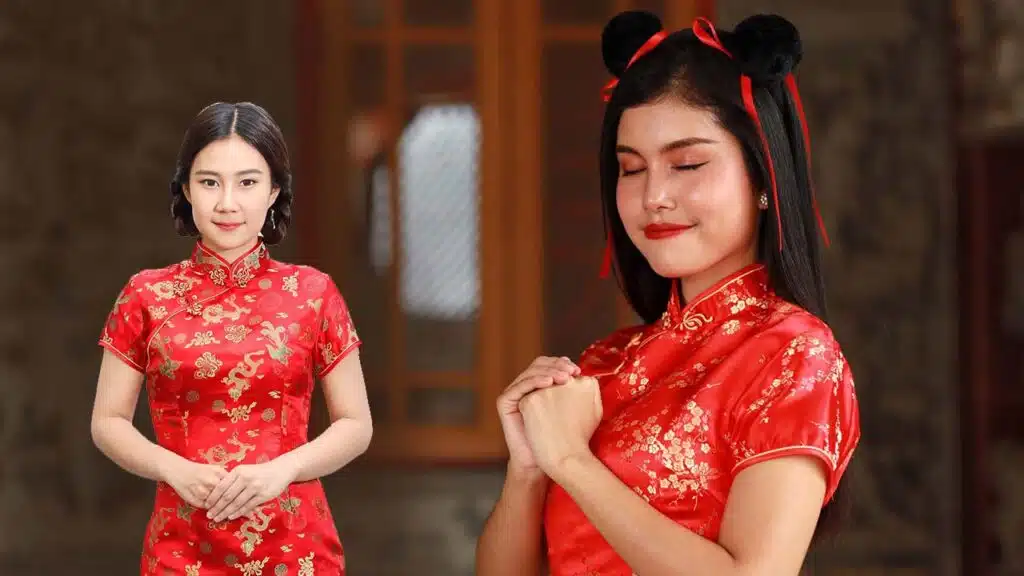
The cheongsam, also known as qipao, is a form-fitting dress that originated in 1920s Shanghai. Its sleek silhouette and intricate embroidery make it a timeless symbol of Chinese elegance.
Key Features:
- High collar and side slits.
- Made from silk or satin with floral designs.
- Popular during formal events and celebrations.
| Feature | Details |
| Material | Silk, satin |
| Design Elements | High collar, side slits |
| Occasions | Formal events, celebrations |
Modern Adaptation: The qipao has inspired countless Western designers, blending its traditional elements with contemporary fashion.
7. Kilt (Scotland)
The kilt is a knee-length skirt-like garment made from wool, featuring tartan patterns that represent Scottish clans. It’s a symbol of Scottish heritage, often worn during formal events and Highland games.
Key Features:
- Made from wool in various tartan patterns.
- Accompanied by accessories like sporrans and belts.
- Worn during weddings, ceremonies, and cultural festivals.
| Feature | Details |
| Material | Wool |
| Patterns | Clan-specific tartans |
| Events | Weddings, Highland games |
Cultural Note: The patterns on a kilt are called “setts,” and each one is unique to a family or region in Scotland.
8. Poncho (Latin America)
The poncho is a versatile outer garment originating from the Andean regions of Latin America. It’s both functional and symbolic, offering warmth and representing indigenous culture.
Key Features:
- Made from wool or alpaca.
- Often features geometric patterns.
- Worn during festivals and daily life in colder regions.
| Feature | Details |
| Material | Wool, alpaca |
| Patterns | Geometric and cultural |
| Purpose | Warmth, cultural identity |
Trivia: The poncho’s origins date back to the pre-Columbian era, making it one of the oldest garments still in use today.
9. Kaftan (Middle East and North Africa)
The kaftan is a flowing robe worn in many Middle Eastern and North African countries. It’s known for its luxurious fabrics and intricate embellishments, often signifying royalty and prestige.
Key Features:
- Made from silk, cotton, or velvet.
- Adorned with embroidery and beadwork.
- Worn during weddings, celebrations, and as casual wear.
| Feature | Details |
| Material | Silk, cotton, velvet |
| Embellishments | Embroidery, beadwork |
| Occasions | Weddings, celebrations |
Modern Appeal: Kaftans are now a popular choice for beachwear and luxury loungewear, blending tradition with relaxation.
10. Barong Tagalog (Philippines)
The Barong Tagalog is a formal shirt traditionally worn by Filipino men. Made from lightweight fabrics, it’s ideal for the tropical climate and often features delicate embroidery.
Key Features:
- Made from piña (pineapple fiber) or jusi (silk).
- Worn during weddings and state events.
- Represents Filipino elegance and tradition.
| Feature | Details |
| Material | Piña, jusi |
| Purpose | Formal events, weddings |
| Embroidery | Delicate and intricate |
Cultural Insight: The Barong Tagalog’s translucent material reflects the country’s tropical heritage while maintaining formal elegance.
Takeaways
Traditional outfits are more than just garments; they’re stories woven into fabric. They remind us of our roots, connect us to our heritage, and celebrate the diversity of human expression. By appreciating and embracing these iconic traditional outfits, we not only honor their cultural significance but also ensure that these timeless pieces remain relevant for future generations.





















