
Trade agreements shape the future of Australian farmers. These deals open new markets and lower tariffs, making it easier for farmers to sell their goods overseas. But they also bring challenges, like stiffer competition and pricing pressures.
More than 80% of Australia’s farm exports go to countries with free trade agreements [FTAs]. These agreements give farmers better market access by reducing barriers. They are key to boosting agricultural exports, from beef and wheat to seafood and wine.
This blog will explain how trade agreements help or challenge Australian agriculture. You’ll learn about benefits, struggles, and sector-specific impacts. Keep reading—you’ll want the full story!
Key Benefits of Trade Agreements for Australian Farmers
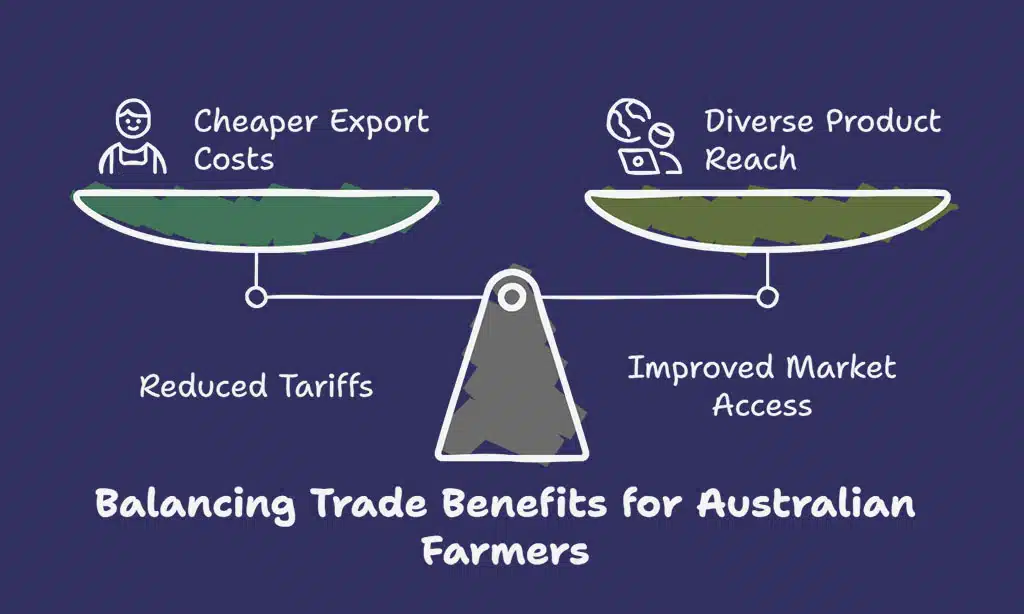
Trade agreements help Australian farmers sell their goods to more countries. They make exporting easier and lower costs for many agricultural products.
Reduced tariffs on agricultural exports
Lower tariffs make it cheaper for Australian farmers to sell abroad. Free trade agreements [FTAs] like the ChAFTA have cut or removed many export taxes. For example, this deal eliminates tariffs on sheep meat exports to China.
Farmers can now compete better with New Zealand in this market.
Over 80% of farm exports from Australia go to countries with FTAs. The AUSFTA removes duties on over 97% of U.S. tariff lines, benefiting products like beef and wheat exports. Tariff cuts in 2025 will open new markets for farmers, helping them boost agricultural production and grow sales globally.
Free trade deals ensure fairer prices and more opportunities for Aussie farming communities.
Improved market access for diverse products
Free trade agreements [FTAs] open doors for Australian farmers to sell diverse products worldwide. These deals reduce trade barriers and create fair conditions, allowing goods like beef, wheat, sheep meat, wine, and seafood to reach more global markets.
The ChAFTA cut tariffs on sheep meat exports, helping farmers compete better with New Zealand producers. With over 80% of farm exports going to countries in FTAs with Australia, the agricultural sector thrives in international trade.
The A-UKFTA widens opportunities by removing tariffs across various agricultural products. Farmers gain access to South American markets through new bilateral deals like those under Mercosur countries’ agreements.
Upcoming changes in 2025 will expand export potential even further for horticulture and dairy farms. Meanwhile, partnerships such as the CPTPP ensure broader market reach for Australian commodities while maintaining strong competition abroad without relying heavily on government subsidies or protections at home.
Challenges Posed by Trade Agreements
Farmers face tough competition from goods entering Australia under trade agreements. These deals can also strain local pricing and reduce profits for some producers.
Increased competition from international markets
Global trade deals bring new rivals. Farmers from nations like New Zealand and South America compete with Australian farmers for export markets. The ChAFTA, while helpful, puts pressure on local prices as New Zealand sheep meat also enters China tariff-free.
Diverse products flood markets under free trade agreements [FTAs]. This increase creates challenges for maintaining Australia’s share in beef exports and wheat exports. To stay ahead, local producers need to adapt quickly to market changes and demand shifts caused by these agreements.
Pressure on domestic pricing and production
Trade agreements can lower tariffs and boost exports, but they also increase competition. Farmers face cheaper imported goods, which impact local prices. For instance, dairy products from countries with subsidies may sell at lower rates in Australia.
This forces domestic producers to adjust their pricing to stay competitive.
Farmers may struggle to increase production while keeping costs low. Seasonal climate changes add more pressure on agricultural productivity. As a result, sectors like wheat or barley might experience uneven growth despite lowered trade barriers.
Balancing export demands and local supply becomes a constant challenge under new multilateral trading systems.
Specific Impacts on Key Agricultural Sectors
Trade agreements shape outcomes for farming sectors in different ways. Each sector faces unique shifts in demand, costs, and competition levels.
Beef and sheepmeat
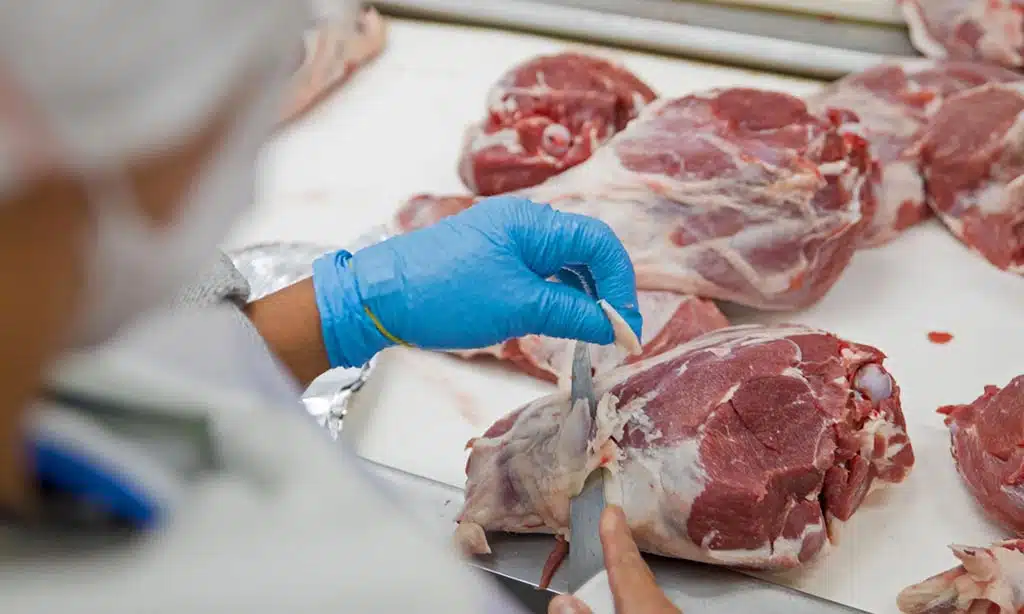
Beef and sheepmeat exports thrive due to free trade agreements [FTAs]. The ChAFTA removes tariffs on sheep meat, helping Australian farmers compete with New Zealand. AUSFTA cuts duties on over 97% of US tariff lines, boosting market access for beef exports.
More than 80% of Australia’s farm exports go to FTA countries. These deals also reduce trade barriers and open new markets. Farmers enjoy lower costs while exporting high-quality agricultural products like beef and lamb globally.
Wheat and barley
Tariff reductions through FTAs have boosted wheat and barley exports. Australia’s farmers gain better access to global markets, especially in Asia and the Middle East. Over 80% of farm exports benefit from these agreements.
The ChAFTA supports zero tariffs on key crops, increasing competitiveness against rivals like New Zealand.
The CPTPP opens doors to new markets while cutting trade barriers for barley producers. This ensures fair prices and steady demand abroad. Agreements such as A-UKFTA remove duties, giving Australian grains an edge in UK imports too.
Dairy and horticulture
Free trade agreements help dairy and horticulture farmers by lowering costs. The ChAFTA removes tariffs on many agricultural products, including dairy exports. This allows Australian farmers to compete better with rivals like New Zealand.
Horticulture growers also gain from easier market access. Fresh fruits and vegetables reach global markets faster due to reduced trade barriers. Countries signing FTAs with Australia take over 80% of its farm exports, offering great chances for growth.
Opportunities for Growth Through New Trade Partnerships
New trade agreements open doors to fresh markets and global connections. They push Australian farmers to explore better technology and stronger export strategies.
Expanding exports to emerging markets
Australian farmers gain better market access through free trade agreements. Over 80% of farm exports already go to countries with FTAs. South American markets now offer new opportunities for agricultural products.
Tariff cuts boost competition in emerging regions. For example, the ChAFTA removes sheep meat tariffs, helping compete against New Zealand exporters. This allows Australian goods to thrive in growing global markets.
Leveraging advanced farming technologies
Farmers use advanced tools to boost exports. Satellite imaging helps monitor crops and predict yields. Precision farming cuts waste by targeting water and fertilizer needs. These methods lower production costs and improve quality.
New technologies help meet trade deal demands. For example, using AI improves how farmers manage sheep meat exports under the ChAFTA agreement. Better practices ensure fresh produce arrives in top condition for global markets.
Takeaways
Trade agreements shape the future of Australian farming. Lower tariffs open doors to bigger markets for agricultural products like beef, wheat, and wine. These agreements help farmers export more while staying competitive globally.
Challenges like pricing pressure and competition still exist but can be managed with smart strategies. By exploring new partnerships and using advanced tools, farmers can strengthen their trade presence worldwide.
Strong agreements mean growth, opportunity, and a brighter path for Australia’s agriculture industry.
FAQs on How Trade Agreements Impact Australian Farmers
1. What are trade agreements, and how do they affect Australian farmers?
Trade agreements are deals between countries to reduce trade barriers like tariffs and non-tariff measures. They help Australian farmers by improving market access for agricultural exports such as beef, wheat, wine, and seafood.
2. How does the Comprehensive and Progressive Agreement for Trans-Pacific Partnership [CPTPP] benefit Australian agriculture?
The CPTPP lowers tariffs on key exports like sheep meat, barley, and horticulture products. It also reduces non-tariff barriers while creating more opportunities in Asia-Pacific markets.
3. What role does the World Trade Organization [WTO] play in global trade for Australian farmers?
The WTO oversees rules under agreements like the Agreement on Agriculture to ensure fair trade practices. It helps maintain a multilateral trading system that supports Australia’s agricultural commodities.
4. How do bilateral trade agreements impact farming in Australia?
Bilateral deals like the Australia-United Kingdom Free Trade Agreement improve export conditions by reducing import duties or providing tariff reductions on goods such as wine or beef exports.
5. Are there challenges linked to free trade agreements for Australian farmers?
Yes, challenges include competition from subsidized foreign producers and compliance with sanitary and phytosanitary measures that regulate food safety standards in international markets.
6. Why is market access important for Australian farmers under regional partnerships?
Regional deals like the Regional Comprehensive Economic Partnership [RCEP] open new markets across East Asia Summit nations while promoting stable demand for Australia’s agricultural products worldwide.