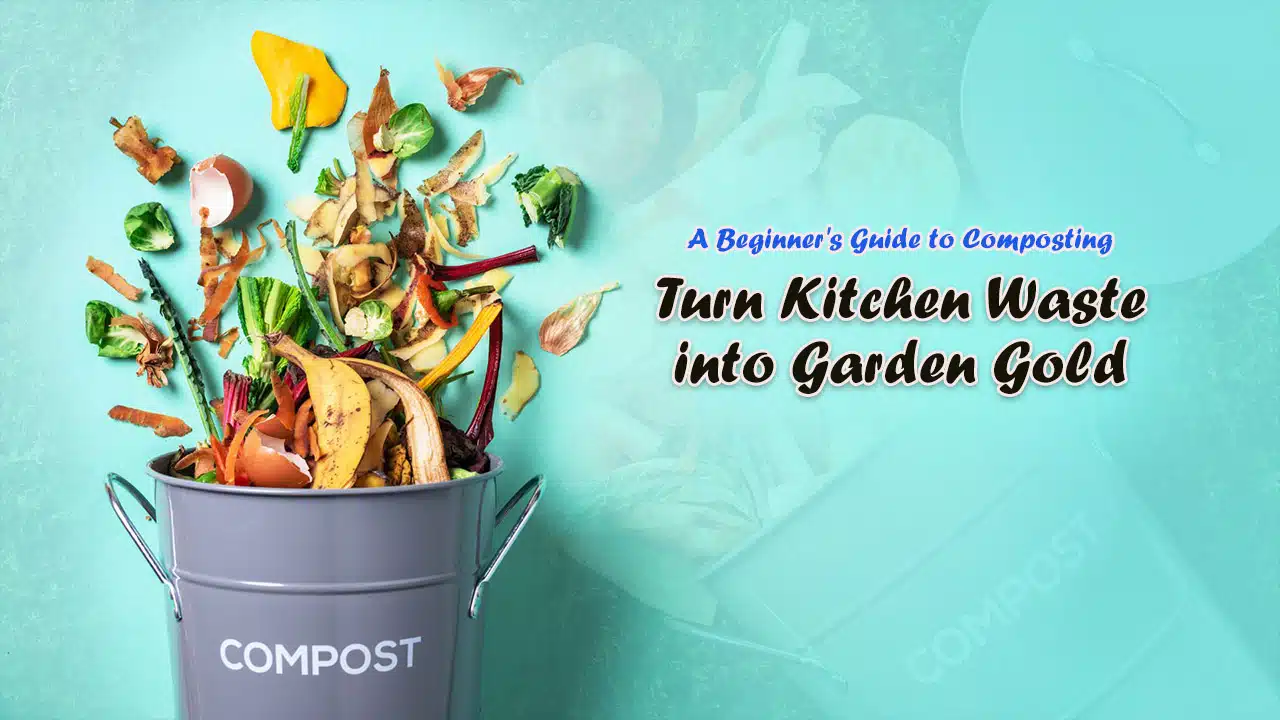
Embarking on the journey of composting transforms everyday kitchen scraps into valuable garden nourishment, offering both environmental benefits and gardening rewards.
As you delve into the basics of composting, from selecting suitable materials to managing your compost pile and harvesting the finished product, you’ll discover how simple actions can make a significant impact.
So, why toss those veggie scraps when you can compost them into garden goodness? Let’s learn how to turn kitchen waste into garden gold for a sustainable life.
What is Composting?
Composting is nature’s way of recycling! Imagine turning your kitchen scraps and yard waste into gold for your garden. It’s all about giving old banana peels, coffee grounds, and fallen leaves a second chance by creating a cozy environment where worms, bacteria, and fungi can break them down into rich, fertile soil. This magical process not only reduces your trash but also boosts your garden’s growth.
Benefits of Composting
Composting offers a multitude of benefits for both the environment and your garden. It significantly reduces the waste stream by diverting kitchen scraps and yard waste from landfills, as well as conserving water by enhancing soil’s moisture retention, and consuming less water for the home grown decomposers.
Again, composting cuts down on methane emissions, which is great for the environment. Not to mention how it improves soil health, as it reduces the need for chemical fertilizers and helps prevent soil erosion. Additionally, it helps you manage personal food waste more effectively. Plus, composting is a rewarding hobby that connects you with nature and makes your garden thrive!
Stages of Composting
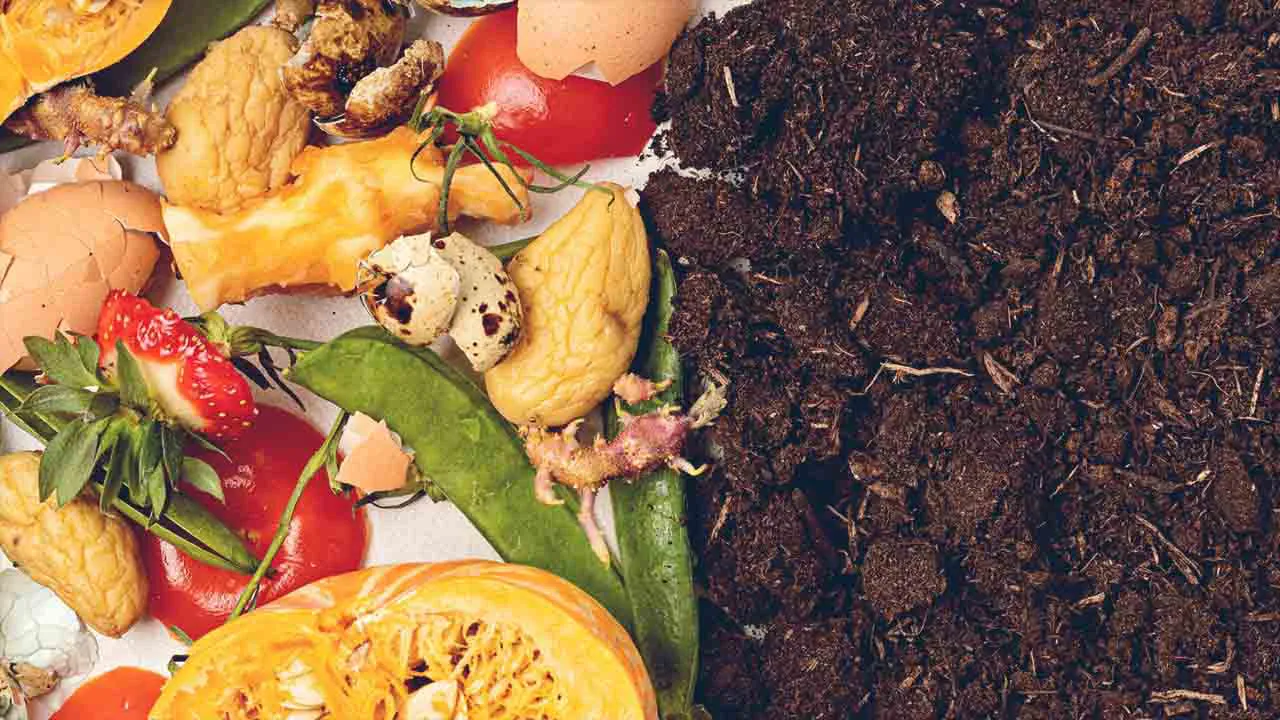
Composting, the transformative process of turning kitchen scraps and yard waste into nutrient-rich fertilizers, requires a few steps for execution. By following these stages of composting, you can kick start your gardening journey while reducing waste and promoting sustainability. Explain the different stages of composting: collection, mixing, decomposition, heating, and curing.
Gather Your Materials: Start by collecting the materials for your compost pile. You’ll need two main types:
- Green Materials: These include kitchen scraps like fruit peels, vegetable trimmings, and used coffee grounds. These items are rich in nitrogen, which helps speed up the composting process.
- Brown Materials: Dry leaves, shredded paper, cardboard, and straw are considered brown materials. They provide carbon, balancing the compost mixture.
Layering Your Pile: Create layers in your compost pile for efficient decomposition. Begin with a layer of coarse materials, like straw or small twigs, at the bottom. Alternate layers of green and brown materials, aiming for each layer to be about 3 to 4 inches thick.
Moisture and Aeration: Ensure your compost pile stays moist, like a wrung-out sponge. Periodically check the moisture level and sprinkle water if it feels dry. Turn the pile regularly to aerate it, allowing oxygen to reach the microorganisms that break down the materials.
Heat and Microbial Action: Within a few days, your compost pile will start to heat up. This warmth is a sign that microorganisms are actively breaking down the organic matter. The pile can reach temperatures as high as 160°F (71°C) during this stage.
Maintain and Turn: Continue to monitor your compost pile. During the active composting phase, which can last several weeks, regularly turn the pile with a pitchfork or shovel. This turning helps mix the materials and aerate the pile, aiding decomposition.
Curing and Maturing: As the composting process slows down, the pile will cool off. Allow it to “cure” for a few weeks to several months. This period allows beneficial bacteria and fungi to finish breaking down any remaining materials, resulting in a mature compost.
Harvesting Your Compost: When the compost is dark, crumbly, and smells earthy, it’s ready to use. You can harvest it from the bottom of the pile, where the finished compost settles. Use the compost to enrich your garden soil, potting mixes, or wherever your plants need a nutrient boost.
Repeat the Process: After harvesting, start a new compost pile with fresh materials. Composting is a continuous cycle that turns kitchen and yard waste into valuable soil conditioner, reducing waste and benefiting your garden.
How to Turn Kitchen Waste into Garden Gold: Composting Options
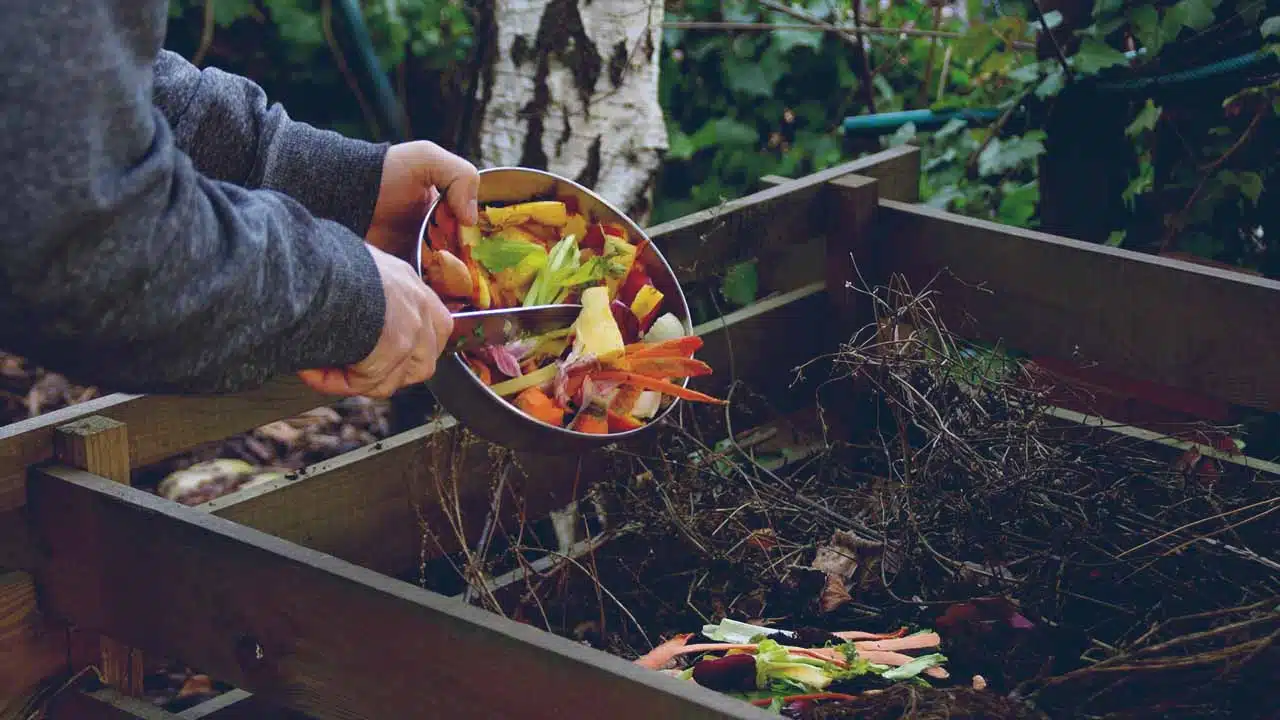
Maybe one of the main reasons why many people hesitate to start composting is simply not knowing where to begin. With so many composting options out there, it can be confusing to figure out which one is right for your home. Here’s a guide to help you understand the different types of compost bins available, so you can start composting as soon as you want,
Countertop Composters
Compact bins that sit on your kitchen counter, making it easy to collect food scraps like peels and coffee grounds. They’re convenient for daily use and usually have filters to control odors. Ideal for small households or anyone who wants to reduce kitchen waste without a lot of fuss.
Green Cone System
For those who just want to dump kitchen waste and forget about it. The Green Cone System resembles a green traffic cone positioned over a buried basket in your yard, with the cone visible above ground. Fill it with kitchen scraps mixed with an accelerator component made from cereal and beneficial bacteria, added through a hole at the top.
Tumbling Barrel Composters
These barrel-shaped composters rotate with a handle, eliminating the need for manual aeration. They work quickly, but their size requires careful balancing of brown and green waste. You’ll need to wait for one batch to finish before adding more organic material.
Holding Bins
Want something tidier than a pile? A holding bin might be your go-to. These come in different sizes and keep your compost contained. You can let it decompose naturally or give it a turn for faster results. They’re good for places with average to large amounts of waste.
Multi-tiered Composters
Stackable bins that speed up decomposition thanks to their smaller size. They’re great if you want quicker composting without a big mess.
Worm Composters
Indoor or small-space composting with the help of red worms. They munch through your kitchen scraps super fast and don’t need turning. Perfect for apartments and eco-conscious folks.
Compost Pile
If you’ve got space in your yard and don’t mind waiting for nature to do its thing, a compost pile is as easy as tossing your kitchen and yard waste into a heap. It takes time—anywhere from six months to two years—but eventually, you’ll get nutrient-rich compost. Just remember, it’s best for places with both kitchen and yard waste.
How to Fill the Compost Bin
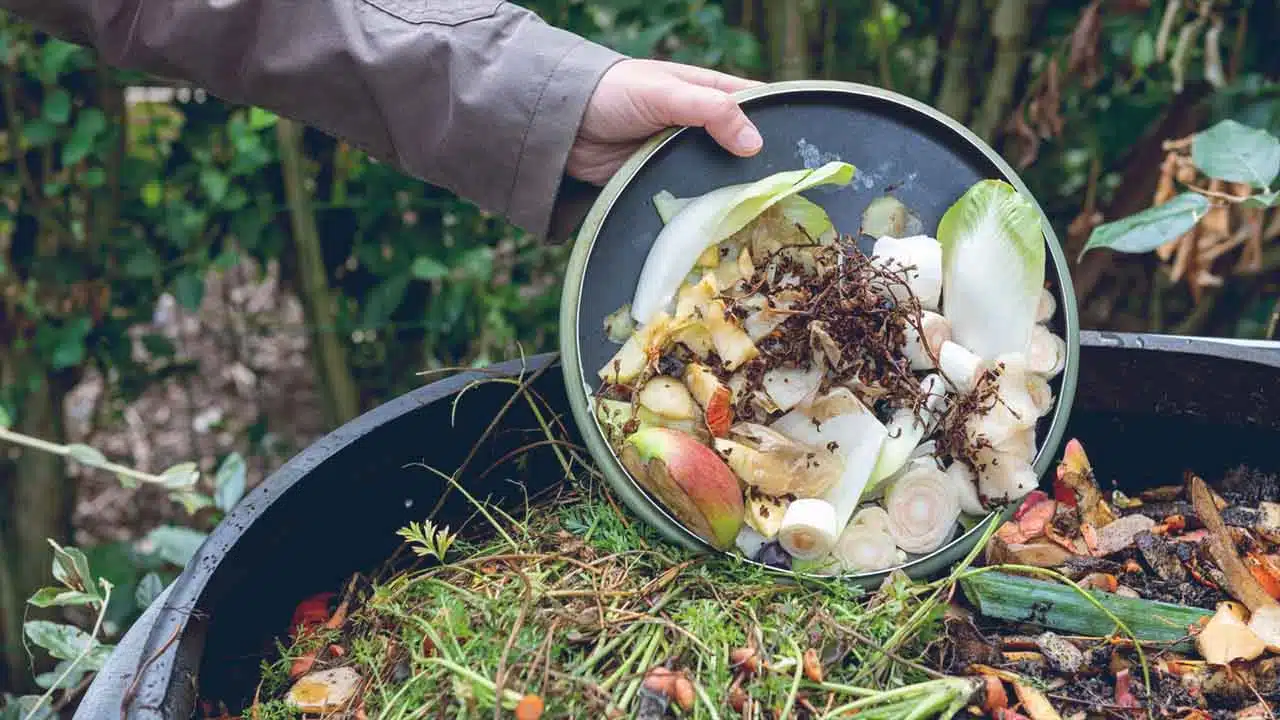
To fill your compost bin effectively, aim for a balanced ratio of brown to green materials, ideally 1:1. Alternate layers of brown materials, like leaves or cardboard, with green materials, such as kitchen scraps or grass clippings. Lightly moisten each layer as you build it up, ensuring it’s damp but not soaked.
Mixing the materials periodically helps them break down more efficiently. If your bin isn’t full right away, that’s fine—add to it over time, maintaining the equal parts of browns and greens and keeping the mixture moist.
What to Compost?
Can we just compose any leftovers of our kitchen? When it comes to composting kitchen waste, many food scraps and organic materials can be composted effectively. This includes fruit and vegetable peelings, coffee grounds, tea bags, eggshells, and even small amounts of bread and pasta.
However, some items should be avoided, such as meat, dairy products, oils, fats, and large quantities of citrus peels or onions, which can slow down the composting process or attract pests. It’s essential to know what to compost and what not to, ensuring your compost stays healthy and productive. Here’s a list of items that are compostable:
- Brown paper products such as cardboard rolls, cereal boxes, and brown paper bags
- Paper towels, tissues
- Animal manure from herbivores
- Coffee grounds and filters
- Cotton, wool
- Vacuum cleaner lint and dryer lint from natural fabrics
- Crushed eggshells
- Grass clippings, yard trimmings
- Hair, fur
- Hay, straw
- Houseplants
- Leaves
- Nutshells
- Shredded newspaper
- Wood chips, sawdust, toothpicks, and burned matches
- Fruit and vegetable peels
- Old vegetables
- Stale bread
- Corn husks
- Non-glossy junk mail or catalogs (shredded)
- Pinecones
- Paper egg cartons
- Tea leaves/used tea
- Cooked rice/pasta
- Wine corks
- Plain paper documents
What NOT to Compost
It’s important to know what not to include in order to maintain a healthy and effective compost pile. Avoid composting meat and seafood products, as well as dairy items and oily or greasy foods, which can attract pests and slow down the composting process.
Likewise, steer clear of plastics, coated cardboard, and synthetic fabrics, as these materials do not break down and can contaminate your compost. Here’s a list of items that are non-compostable:
- Meat products
- Seafood products
- Dairy products
- Baked goods
- Treated wood/sawdust
- Acidic foods
- Oils or greasy foods
- Pet waste
- Human waste
- Weeds that have gone to seed
- Onion and garlic scraps
- Plastic
- Coated cardboard
- Cellophane
- Toxic plants
- Diseased plants
- Pesticide-treated plants
- Coal ash
- Feminine hygiene products
- Diapers
- Synthetic fabric
- Leather goods
- Glossy paper
- Wrapping paper
- Glass
- Black walnut products
How to Maintain Your Compost?
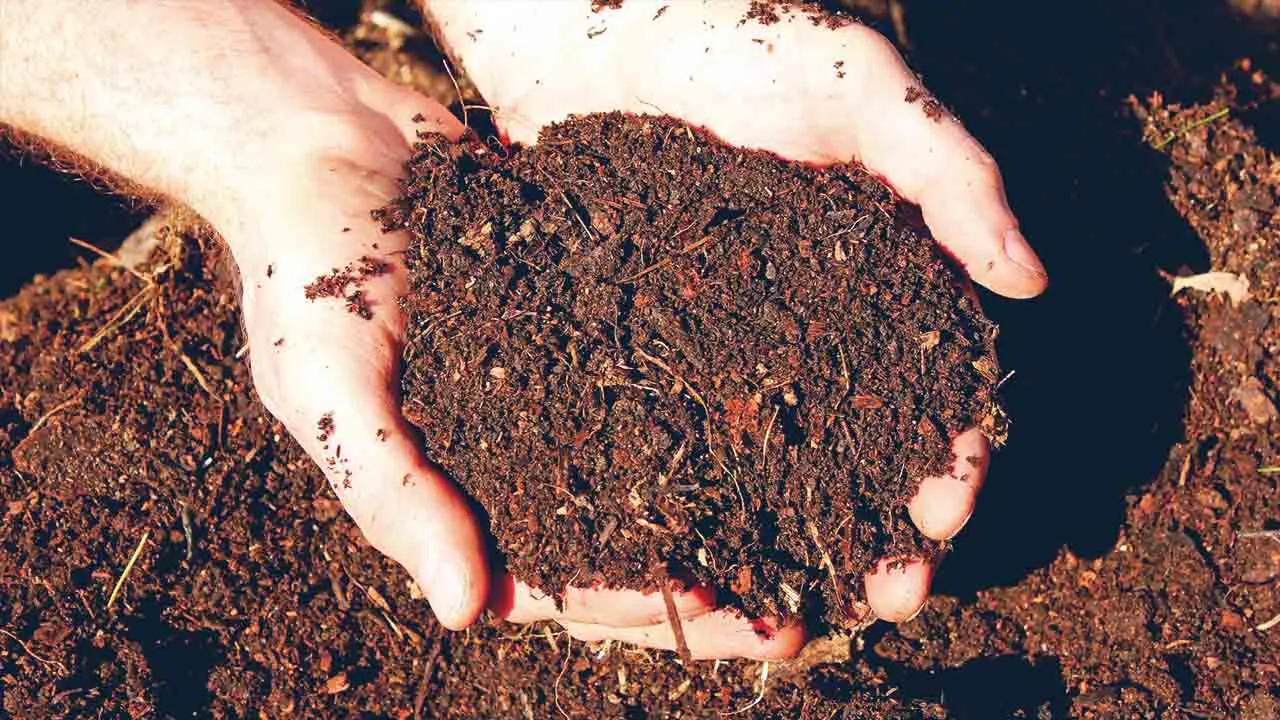
Maintaining a compost bin involves various approaches to managing organic waste effectively. Whether opting for natural decomposition or actively turning the pile for accelerated breakdown, each method offers unique benefits for producing nutrient-rich compost for gardening needs.
Natural Decomposition
Allow the compost pile to decompose naturally over time. The duration varies based on the size and types of materials used.
Regular Turning
Periodically turn the compost with a garden fork to aerate the pile. This improves oxygen flow, encourages microbial activity, and speeds up decomposition.
Moisture Management
Monitor and adjust moisture levels regularly. The compost should be moist like a wrung-out sponge, too dry slows decomposition, while too wet leads to anaerobic conditions and odor.
Troubleshooting Common Issues
Address problems such as foul odors or slow decomposition by adjusting the carbon (browns) to nitrogen (greens) ratio, ensuring proper aeration, and maintaining adequate moisture.
Active Management
Turn the compost frequently to maintain high temperatures. This accelerates decomposition and can produce compost in as little as two months.
Knowing When Your Compost is Ready
Understanding when compost is fully mature is essential for successful composting. Several visual and sensory cues indicate its readiness. By observing changes in color, texture, size, smell, and temperature, you can determine when your compost is fully transformed into a nutrient-rich soil amendment ready to enhance your garden.
- Appearance: It should be dark in color, resembling regular soil, with a crumbly texture. None of the original organic materials should be recognizable.
- Size Reduction: The compost pile should have decreased in size by about half compared to when it started.
- Smell: Finished compost should have an earthy smell, similar to soil. A sour or ammonia-like smell indicates it’s not fully mature.
- Temperature: The compost should be approximately the same temperature as the surrounding air, around 50 degrees Fahrenheit.
Harvesting and Using Compost
Harvesting mature compost depends on your bin setup. In a single bin, you’ll typically remove the top layer to access the compost at the bottom. With multiple bins, you can let one section fully mature while continuing to add new materials to others. This allows you to easily empty out the mature compost when it’s ready.
If using a single bin, options include moving it aside to transfer unfinished material back in before harvesting the mature compost, or simply scooping off the top layer to access the finished compost below and then refilling the bin with remaining material for further composting.
How to Turn Kitchen Waste into Garden Gold: Takeaways
In conclusion, composting is a rewarding and environmentally friendly way to transform kitchen waste into nutrient-rich soil for your garden. By understanding the basics of composting—choosing the right materials, maintaining the pile, and knowing when and how to harvest—you can significantly reduce waste while improving soil health and plant growth.
References
https://www.nrdc.org/stories/composting-101#whatis
https://greenactioncentre.ca/reduce-your-waste/harvesting-your-compost/#:~:text=If%20you%20have%20a%20single,to%20the%20other(s).
https://www.greenmatters.com/p/how-to-know-compost-ready
https://greenamerica.org/6-compost-options
https://www.thespruce.com/what-to-compost-1709069
https://freckledcalifornian.com/2020/05/22/how-to-compost-filling-maintaining-a-compost-bin/
https://biotech.excelind.co.in/blog/2023/10/19/stages-of-composting/
https://www.nrdc.org/stories/composting-101#benefits
https://www.environment.sa.gov.au/goodliving/posts/2019/05/guide-to-composting