

Organic farming is rapidly growing in Australia as consumers increasingly demand fresh, chemical-free produce.
If you’ve ever dreamed of starting a farm that prioritizes sustainability and natural growing practices, then understanding how to start a small organic farm in Australia is crucial.
This guide will walk you through every step, from selecting the right location to securing organic certification, setting up your farm, and selling your organic produce.
Whether you aim to grow organic vegetables, fruits, or raise livestock, this detailed guide will help you navigate the essential steps to build a profitable and sustainable organic farm in Australia.
By following structured planning, leveraging government support, and employing effective marketing strategies, you can ensure long-term success in the organic farming sector.
What is Organic Farming?
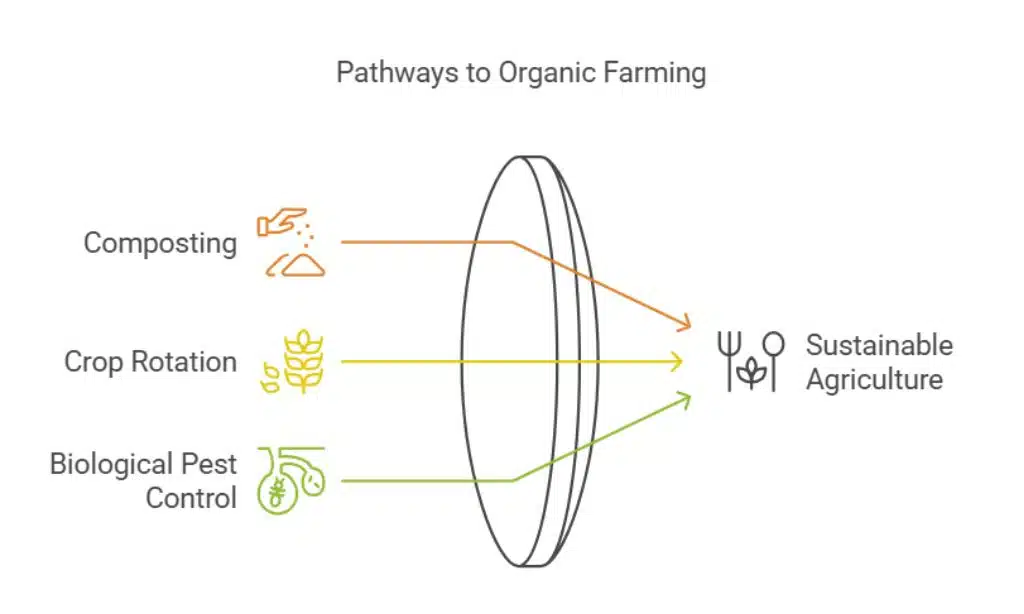
Organic farming is a sustainable agricultural practice that avoids synthetic fertilizers, pesticides, and genetically modified organisms (GMOs). Instead, it relies on natural techniques such as composting, crop rotation, and biological pest control to maintain soil health and ecosystem balance.
Key Features of Organic Farming:
- No synthetic chemicals or artificial additives
- Emphasis on soil health and biodiversity
- Sustainable resource management and water conservation
- Ethical treatment of livestock and adherence to organic feed standards
Why Organic Farming is Thriving in Australia
| Factor | Details |
| Consumer Demand | More Australians are choosing organic products for health and environmental reasons. |
| Government Support | Various grants and incentives encourage small farmers to adopt organic methods. |
| Export Potential | Australian organic produce is in high demand globally, particularly in Asia and Europe. |
| Growing Awareness | Consumers are becoming more conscious of the benefits of organic food, leading to higher sales and investment in the sector. |
Step-by-Step Guide to Starting an Organic Farm in Australia
Starting an organic farm requires careful planning, legal compliance, and sustainable management practices.
By following a structured approach, you can ensure a successful and profitable farming venture.
Step 1: Research and Planning
Before you begin farming, thorough research is essential.
- Understand Market Demand: Identify popular organic products in your region.
- Study Organic Farming Practices: Learn about soil management, pest control, and sustainability.
- Assess Costs and Budgeting: Estimate costs for land, equipment, seeds, and labor.
- Choose Your Farming Model: Decide between vegetable farming, livestock, or mixed farming.
Step 2: Selecting the Right Location
Choosing the best location is key to farm success.
- Evaluate Soil Quality: Conduct soil tests to check for essential nutrients.
- Check Water Availability: Secure sustainable water sources.
- Consider Climate Conditions: Ensure the chosen region supports your crops/livestock.
- Access to Markets: Choose a location with easy transport links to buyers.
| Factor | Importance |
| Soil Quality | Ensures healthy crops and productivity |
| Water Supply | Critical for irrigation and livestock care |
| Climate | Affects crop growth and livestock health |
| Market Proximity | Reduces transportation costs and ensures freshness |
Step 3: Legal Requirements and Certification

Ensuring legal compliance is a crucial step in organic farming.
- Register Your Business: Obtain an ABN (Australian Business Number).
- Secure Permits: Check local council requirements for farming businesses.
- Apply for Organic Certification: Choose a recognized certification body.
- Maintain Compliance: Follow organic farming guidelines for continued certification.
| Certification Body | Key Features |
| Australian Certified Organic (ACO) | The largest certifier in Australia, recognized internationally. |
| National Association for Sustainable Agriculture Australia (NASAA) | Ensures compliance with strict organic standards. |
| Organic Growers of Australia (OGA) | Ideal for small-scale and startup farmers. |
Step 4: Preparing the Farm
Setting up your farm involves infrastructure and soil preparation.
- Improve Soil Health: Use composting and natural fertilizers.
- Implement Irrigation Systems: Choose efficient water management techniques.
- Set Up Infrastructure: Build fencing, greenhouses, or animal shelters as needed.
- Plant Crops or Raise Livestock: Start with small batches and expand gradually.
Step 5: Managing Your Farm Sustainably
Organic farming requires ongoing management.
- Use Crop Rotation: Prevents soil depletion and maintains fertility.
- Practice Integrated Pest Management (IPM): Use natural predators and companion planting.
- Maintain Soil Health: Regularly add compost and organic matter.
- Monitor Water Usage: Conserve resources with rainwater harvesting and drip irrigation.
| Sustainable Practice | Benefit |
| Crop Rotation | Reduces soil exhaustion and pest outbreaks |
| Composting | Enriches soil naturally |
| Rainwater Harvesting | Reduces reliance on municipal water |
| Natural Pest Control | Eliminates the need for harmful pesticides |
Step 6: Marketing and Selling Organic Produce
A good marketing strategy is key to farm success.
- Identify Target Customers: Sell to local stores, restaurants, or directly to consumers.
- Set Up a Website: Promote your farm and sell products online.
- Leverage Social Media: Use Facebook, Instagram, and YouTube to reach potential buyers.
- Join Farmers’ Markets: Build customer relationships and increase sales.
| Marketing Channel | Advantage |
| Farmers’ Markets | Direct interaction with customers |
| E-Commerce | Expands customer base beyond local reach |
| Social Media | Cost-effective marketing and brand awareness |
| Subscription Boxes | Creates a steady income stream |
Step 7: Scaling and Expanding Your Farm
Once your farm is established, consider expanding operations.
- Increase Production: Add more crops or livestock.
- Explore Value-Added Products: Sell organic jams, dairy, or processed foods.
- Seek Business Partnerships: Collaborate with organic retailers and distributors.
- Invest in Technology: Use AI-driven farming tools and automation for efficiency.
Legal and Certification Requirements
Registering Your Organic Farm
Before operating, you must:
- Register your farm as a business with the Australian Business Register (ABR).
- Obtain the necessary permits from local councils and agricultural authorities.
- Ensure compliance with state and federal organic farming laws.
Getting Organic Certification
To label your products as organic, certification is required. The leading certification bodies in Australia include:
| Certification Body | Key Features |
| Australian Certified Organic (ACO) | The largest certifier in Australia, recognized internationally. |
| National Association for Sustainable Agriculture Australia (NASAA) | Ensures compliance with strict organic standards. |
| Organic Growers of Australia (OGA) | Ideal for small-scale and startup farmers. |
Certification involves inspections, documentation, and adherence to organic farming principles. Expect the process to take 12-24 months. Costs vary, with small farms typically paying $1,500 – $3,000 per year for certification.
Challenges and Future of Organic Farming in Australia
Common Challenges Faced by Small Organic Farmers
| Challenge | Solution |
| Higher Costs | Apply for government grants, reduce waste, and optimize resource use. |
| Certification Time | Start with organic practices while awaiting official certification. |
| Climate Change | Implement water conservation strategies and invest in resilient crop varieties. |
Innovations Shaping the Future
- Regenerative Agriculture: Enhancing soil health beyond organic standards.
- Agroforestry: Integrating trees with crops for sustainable farming.
- Technology in Farming: Using AI and IoT for better resource management.
- Urban Organic Farming: Increased adoption of rooftop and vertical farms in cities.
Takeaways
Starting an organic farm in Australia is a rewarding journey that aligns with sustainability and profitability.
By understanding how to start a small organic farm in Australia, following proper planning, obtaining certification, and marketing your produce effectively, you can build a successful organic farming business.
Whether you’re passionate about growing organic vegetables or raising free-range livestock, this guide provides the essential steps to get started.
Now, take the first step towards a healthier, greener future by turning your organic farming dream into reality!





















