How to transition to sustainable farming in New Zealand is more than just a trend; it’s a necessary step towards preserving the planet while ensuring long-term agricultural viability.
For New Zealand farmers, transitioning to sustainable farming practices is particularly significant given the country’s unique ecological landscape and its reliance on agriculture as a primary industry.
This guide will walk you through how to transition to sustainable farming in New Zealand, highlighting actionable steps, real-world benefits, and the support available to make the shift smoother.
Understanding Sustainable Farming
What is sustainable farming?
How to transition to sustainable farming in New Zealand starts with understanding what sustainable farming is. Sustainable farming refers to agricultural practices that meet current food and textile needs without compromising the ability of future generations to meet their needs. Key principles include:
- Crop rotation to maintain soil fertility and reduce pest build-up.
- Minimizing chemical use to protect ecosystems and reduce runoff.
- Efficient water management to optimize resource usage.
- Encouraging biodiversity to create balanced ecosystems and natural pest control.
These practices ensure that farming remains economically viable while safeguarding the environment. Farmers adopting sustainable farming see long-term benefits such as reduced input costs and increased productivity.
| Key Practices | Benefits |
| Crop Rotation | Improved soil health and pest control |
| Efficient Water Use | Reduced water costs and wastage |
| Biodiversity Support | Natural pest management |
Why Transition to Sustainable Farming in New Zealand?
New Zealand’s farming landscape is both a blessing and a responsibility. Transitioning to sustainable farming in New Zealand is critical due to several factors:
- Environmental Protection: Protecting the country’s unique biodiversity and addressing soil degradation.
- Government Regulations: Compliance with stricter environmental policies such as the Essential Freshwater regulations.
- Market Demands: Rising global demand for sustainably sourced products, including organic and eco-labeled items.
- Economic Resilience: Reducing reliance on costly synthetic inputs and increasing resilience to market changes.
| Reasons for Transition | Example |
| Biodiversity | Preservation of native species |
| Market Demand | Export opportunities for premium goods |
| Economic Viability | Reduced chemical input costs |
Steps to Transition to Sustainable Farming
Assessing Your Current Farming Practices
Before making changes, it’s essential to evaluate your existing operations. How to transition to sustainable farming in New Zealand begins with:
- Farm Audit: Identify energy usage, water efficiency, soil health, and chemical dependency.
- SWOT Analysis: Highlight strengths, weaknesses, opportunities, and threats.
Real-World Example
A dairy farm in Canterbury conducted an irrigation audit and reduced water usage by 30%, saving costs and protecting nearby waterways from runoff.
| Audit Focus | Potential Impact |
| Water Usage | Reduced wastage and cost savings |
| Chemical Dependency | Improved soil and water quality |
| Energy Efficiency | Lower carbon footprint |
Planning for Sustainable Farming Practices
Once you understand your starting point, create a roadmap for how to transition to sustainable farming in New Zealand:
- Set Clear Goals: Focus on measurable outcomes like reducing chemical usage by 20%.
- Farm Planning: Include sustainable crop choices, soil management strategies, and biodiversity goals.
- Leverage Resources: Tap into New Zealand’s sustainability grants and programs, such as the Ministry for Primary Industries’ initiatives.
Financial Planning and Budgeting
Transitioning requires upfront investment, but the long-term benefits outweigh the costs:
- Calculate Costs: Estimate expenses for equipment and training.
- Explore Grants: Access government funding for sustainable farming initiatives like the Sustainable Food and Fibre Futures Fund.
- Long-Term Returns: Highlight increased market value for sustainable products and reduced input costs.
| Financial Consideration | Description |
| Initial Investment | Equipment and technology costs |
| Available Grants | Government and NGO funding |
| ROI Timeline | Typically 3-5 years |
Implementing Sustainable Practices
Soil Health Management
Healthy soil is the backbone of sustainable farming. Key strategies include:
- Composting: Reduce organic waste and enrich the soil with nutrients.
- Cover Crops: Prevent erosion, suppress weeds, and improve soil fertility.
- Minimal Tillage: Protect soil structure and increase carbon sequestration.
| Soil Strategy | Benefit |
| Composting | Increased organic matter |
| Cover Crops | Improved soil fertility |
| Minimal Tillage | Enhanced carbon storage |
Water Conservation Strategies
New Zealand’s farming success relies heavily on water. Effective methods include:
- Irrigation Efficiency: Use drip systems to minimize wastage and ensure even water distribution.
- Rainwater Harvesting: Capture and store rainfall for irrigation during dry seasons.
- Drought-Resilient Practices: Plant drought-tolerant crops and rotate fields to reduce stress on water resources.
| Water Strategy | Key Benefit |
| Drip Irrigation | Optimized water usage |
| Rainwater Harvesting | Reduced reliance on mains water |
| Drought-Resilient Crops | Increased resilience to dry spells |
Biodiversity Enhancement
Increasing biodiversity benefits both the environment and your farm. To ensure you know how to transition to sustainable farming in New Zealand, focus on:
- Native Planting: Use native trees to create windbreaks, stabilize soil, and support wildlife.
- Pollinator Support: Introduce wildflower strips to attract bees and other pollinators.
- Wildlife Corridors: Promote ecological balance by connecting fragmented habitats.
| Biodiversity Practice | Impact |
| Native Planting | Habitat creation |
| Pollinator Strips | Enhanced crop pollination |
| Wildlife Corridors | Balanced ecosystems |
Monitoring and Adapting
Continuous improvement is key to sustainable farming. How to transition to sustainable farming in New Zealand requires:
- Track Metrics: Use soil tests, water usage reports, and biodiversity counts to assess progress.
- Adapt Strategies: Adjust practices based on observed results and evolving challenges.
- Lifelong Learning: Attend workshops, seminars, and stay updated with the latest research.
| Monitoring Method | Example Metric |
| Soil Testing | Nutrient levels and pH balance |
| Water Reports | Usage trends and efficiency |
| Biodiversity Surveys | Species richness and abundance |
Benefits of Sustainable Farming in New Zealand
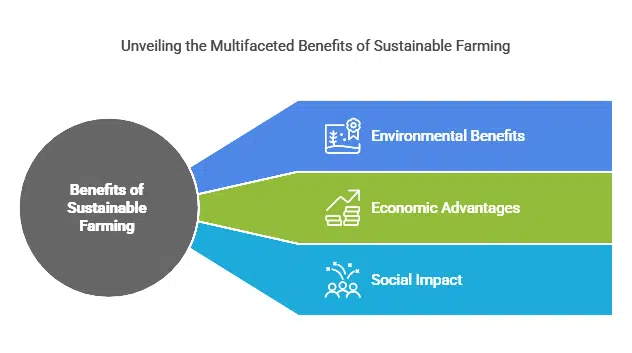
Environmental Benefits
- Reduced Carbon Footprint: Lower energy usage and fewer emissions.
- Improved Soil and Water Quality: Less reliance on harmful chemicals leads to healthier ecosystems.
- Biodiversity Preservation: Enhanced resilience of local ecosystems through better land stewardship.
Economic Advantages
- Premium Market Access: Higher prices for sustainably produced goods.
- Cost Savings: Reduced input costs, including synthetic fertilizers and water.
- Export Opportunities: Capitalize on global demand for green products, particularly in premium markets like Europe.
Social Impact
- Community Collaboration: Build stronger networks among local farmers through sustainability programs.
- Healthier Food Systems: Produce safer, chemical-free food for consumers, fostering trust.
- Educational Opportunities: Foster innovation through knowledge sharing and training.
Challenges and How to Overcome Them
Initial Investment Costs
Transitioning may seem expensive initially. Overcome this by:
- Government Assistance: Leverage subsidies and financial support from programs like the One Billion Trees initiative.
- Phased Transition: Implement changes gradually to spread costs and minimize financial strain.
Resistance to Change
Traditional mindsets can hinder progress. Address this by:
- Demonstrating Success: Showcase case studies of thriving sustainable farms.
- Educational Campaigns: Highlight the economic and environmental benefits of sustainability to encourage adoption.
Adapting to New Technologies
The shift often involves new tools and techniques. Mitigate challenges by:
- Training Programs: Provide hands-on experience with new technologies through partnerships with organizations like DairyNZ.
- Accessible Resources: Partner with local sustainability organizations for practical guidance and support.
Resources and Support for New Zealand Farmers
Government Initiatives
The New Zealand government offers multiple programs to support farmers, such as:
- Sustainable Farming Fund: Grants for research and innovation projects.
- One Billion Trees Program: Subsidies for planting native species and enhancing carbon storage.
Educational and Research Organizations
Tap into the knowledge and tools provided by groups like:
- AgResearch: Cutting-edge agricultural research for improving farming practices.
- DairyNZ: Resources and workshops tailored to the dairy industry’s unique needs.
Community and Farmer Networks
Collaborating with peers can fast-track your sustainability journey:
- Local Groups: Join regional sustainability forums to exchange ideas and solutions.
- Knowledge Sharing: Learn from experienced farmers transitioning to sustainable practices.
Final Words
How to transition to sustainable farming in New Zealand is a vital step toward a more resilient, environmentally friendly, and profitable agricultural future.
By following the outlined steps, leveraging available resources, and staying adaptable, farmers can make significant progress toward sustainability. The time to act is now—take the first step today and join the movement for a greener tomorrow.