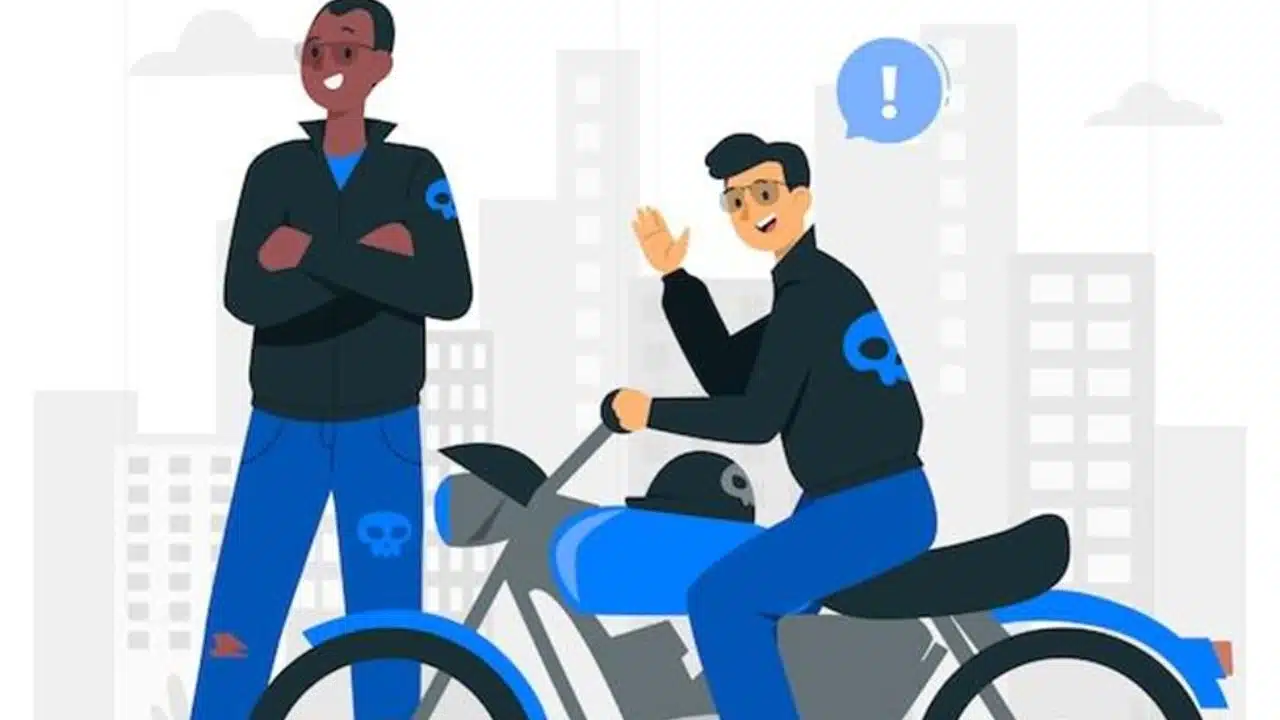
Motorcycles offer an exhilarating and economical alternative to cars for daily commuting. With rising fuel costs and urban congestion, more commuters are considering two wheels instead of four. However, the freedom of motorcycle riding comes with increased responsibilities and risks. This guide explores how to safely operate a motorcycle while maximizing the financial benefits for your daily commute.
Understanding the Financial Benefits
The economic advantages of motorcycle commuting are substantial and immediate. Motorcycles typically achieve two to three times better fuel efficiency than cars, with many models exceeding 50 miles per gallon. This fuel economy translates to significant savings at the pump, especially for longer commutes or in areas with high gas prices.
Beyond fuel savings, motorcycles generally cost less to purchase and maintain than automobiles. Insurance premiums, though variable based on many factors, are often lower for motorcycles than for cars. Registration fees and taxes frequently follow a similar pattern, costing substantially less for motorcycles in most jurisdictions.
Parking represents another area of potential savings. Many cities offer free or reduced-rate motorcycle parking, and the compact nature of motorcycles means you can often find spaces unavailable to cars. Some workplaces even allow motorcycles to park in spaces not designated for vehicles, eliminating parking fees altogether.
Essential Safety Equipment
Safety begins with proper gear, regardless of weather or distance. A DOT-approved helmet is the most critical piece of safety equipment and is legally required in many areas. Don’t believe us? Simply Google “motorcycle crash attorneys near me” to see how many lawyers are in business because cyclist refuse to learn defensive driving and required safety regulations. Even where not mandated by law, helmets dramatically reduce the risk of fatal head injuries in accidents.
Protective clothing forms your second line of defense. Invest in a quality motorcycle jacket with armor in the shoulders, elbows, and spine. Proper motorcycle pants or jeans with kevlar reinforcement protect your lower body. Gloves shield your hands from debris, weather, and abrasions, while over-the-ankle boots support your feet and ankles during rides and in case of accidents.
Visibility enhancers like reflective vests or tape help other drivers see you, particularly in low-light conditions. Consider adding auxiliary lights to your motorcycle to improve both your visibility to others and your ability to see the road.
Mastering Safe Riding Techniques
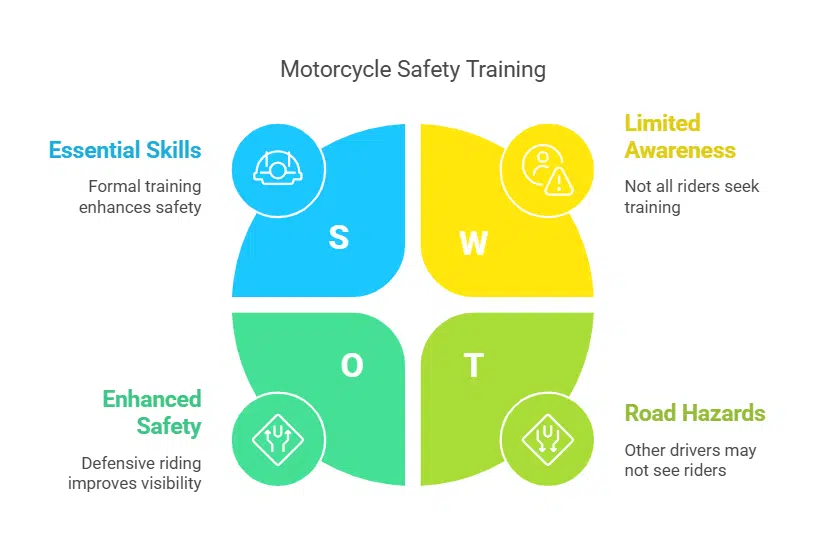
Proper motorcycle operation begins with formal training. Consider enrolling in a Motorcycle Safety Foundation course, which teaches fundamental skills in a controlled environment. These courses often qualify graduates for insurance discounts and sometimes waive certain licensing requirements.
Defensive riding should become second nature. Assume you’re invisible to other drivers and position yourself to maximize visibility. Maintain appropriate following distances, allowing at least two seconds between you and vehicles ahead—more in adverse conditions.
Understand and practice proper braking techniques. Most motorcycles have separate controls for front and rear brakes, with the front providing 70-80% of stopping power. Practice progressive braking to avoid skids and maintain control. Anti-lock braking systems [ABS] offer additional safety and are worth considering when purchasing a motorcycle.
Lane positioning is crucial for visibility and safety. Generally, ride in the wheel track of cars ahead rather than directly behind them. This positioning improves your visibility to others and gives you escape routes if hazards appear.
Weather Considerations and Year-Round Riding
Weather significantly impacts motorcycle commuting. Rain reduces traction and visibility, requiring slower speeds, gentler control inputs, and increased following distances. Consider waterproof gear to stay comfortable and focused during wet commutes.
Cold weather demands specialized gear to prevent hypothermia, which impairs reaction time and decision-making. Heated grips, insulated gloves, and proper layering help maintain comfort and safety during winter rides.
Hot weather brings its own challenges, including potential dehydration and heat exhaustion. Mesh gear allows airflow while maintaining protection, and hydration becomes critically important during summer commutes.
Maintenance for Safety and Economy
Regular maintenance keeps your motorcycle safe while maximizing fuel economy. Follow the manufacturer’s recommended service schedule, paying particular attention to safety systems like brakes, tires, and lights.
Tire pressure significantly affects both safety and fuel economy. Check pressures weekly, as even slight underinflation increases fuel consumption while reducing traction and handling precision.
Chain maintenance on chain-driven motorcycles directly impacts efficiency and safety. A properly lubricated and tensioned chain reduces power loss and prevents dangerous failures. Similar attention should be paid to belt drives or shaft drives on motorcycles so equipped.
Commuting Strategies
Plan commuting routes that balance efficiency with safety. The shortest route isn’t always safest or most economical if it involves heavy stop-and-go traffic. Consider alternative routes with steady speeds, even if slightly longer.
Timing your commute can substantially improve both safety and economy. Avoiding peak congestion reduces the risks associated with heavy traffic while improving fuel economy.
Share your commuting plans with family or colleagues, particularly during adverse conditions. Consider ride-sharing apps designed for motorcyclists to further offset costs and build a community of fellow riders.
By combining proper safety practices with smart economic decisions, motorcycle commuting offers a compelling alternative to traditional transportation. The initial investment in training and equipment pays dividends through reduced commuting costs, while potentially adding enjoyment to what might otherwise be tedious daily travel. With thoughtful preparation and ongoing attention to safety, motorcycles can transform commuting from a necessary burden into an anticipated part of your day while substantially reducing transportation expenses.