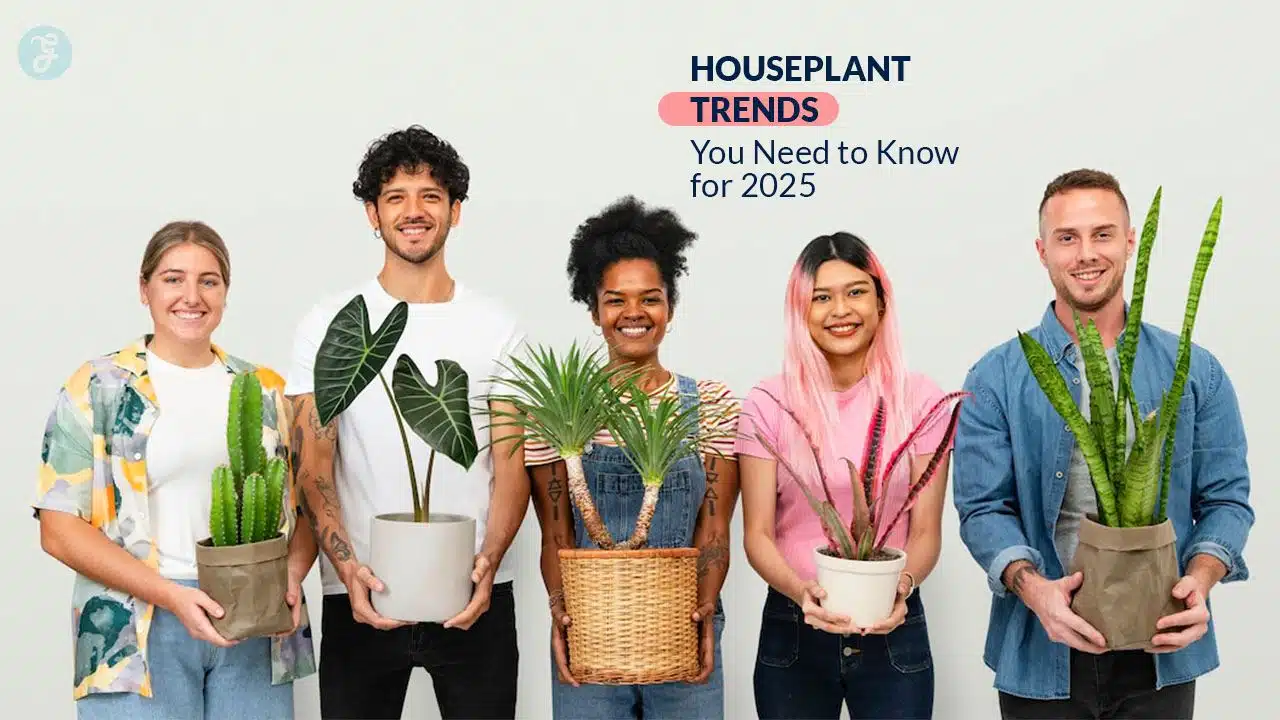
As we step into 2025, houseplants continue to play a pivotal role in enhancing our living spaces. The growing interest in indoor greenery is driven by a desire to connect with nature, improve mental health, and create aesthetically pleasing environments.
From rare and exotic species to sustainable practices, houseplant trends for 2025 reflect a deeper commitment to eco-conscious living and innovative designs.
In this comprehensive guide, we’ll explore the five biggest houseplant trends shaping the year, offering insights, practical tips, and examples to inspire your indoor gardening journey.
Why Houseplants Continue to Thrive in 2025
Benefits of Houseplants in Modern Living
Houseplants have long been cherished for their ability to bring life and vibrancy to interiors. In 2025, their popularity is fueled by several key benefits:
- Improved Air Quality: Many houseplants act as natural air purifiers, removing toxins and increasing oxygen levels.
- Enhanced Mental Health: Studies show that being around plants reduces stress, promotes relaxation, and boosts productivity.
- Aesthetic Appeal: Houseplants complement various interior design styles, from minimalistic to bohemian, adding a natural charm to any space.
Rising Interest in Sustainable Living
With climate change at the forefront, sustainable living practices are more important than ever. Houseplants align perfectly with this ethos:
- Eco-Conscious Lifestyles: Growing houseplants supports green living by encouraging a connection with nature.
- Demand for Organic Plants: Many consumers now prioritize pesticide-free and organically grown plants.
Trend 1: Rare and Exotic Plant Species
Rare and exotic houseplants are taking center stage in 2025, captivating enthusiasts with their unique appearances and intriguing growth patterns. These plants often become conversation starters and elevate the aesthetic appeal of any room. Increased availability through specialized nurseries and online platforms has made them more accessible to collectors and casual plant lovers alike.
Why This Trend Matters
- Individuality in Decor: Rare plants allow homeowners to showcase their personality and taste.
- Social Media Influence: Platforms like Instagram and TikTok have fueled the popularity of visually stunning plants, making them highly sought after.
- Status Symbol: Owning rare plants has become a symbol of sophistication and dedication among plant lovers.
Examples of Rare Houseplants
- Variegated Monstera (Thai Constellation): Known for its striking white patterns on green leaves.
- Anthurium Clarinervium: Features dark green leaves with prominent white veins.
- Philodendron Pink Princess: Adored for its pink and green variegated foliage.
Table: Popular Rare Houseplants
| Plant Name | Unique Feature | Care Level |
| Variegated Monstera | Striking white patterns on leaves | Moderate |
| Anthurium Clarinervium | Dark green leaves with white veins | Advanced |
| Philodendron Pink Princess | Pink and green variegated leaves | Moderate |
Tips for Growing Rare Plants
- Invest in Proper Lighting: Most rare plants thrive in bright, indirect light. Use grow lights if natural light is insufficient.
- Maintain Consistent Humidity: Exotic plants often require high humidity levels. Consider a humidifier or grouping plants together.
- Start Small: Purchase young plants, which are usually more affordable, and grow them over time.
Trend 2: Self-Sustaining Ecosystems

The concept of self-sustaining ecosystems, such as terrariums and closed systems, is gaining traction. These low-maintenance setups are perfect for busy urban dwellers who want the beauty of plants without the hassle of daily care. These systems also appeal to those who enjoy combining science and art, as they showcase the natural water cycle in a miniature environment.
Benefits
- Minimal Maintenance: Self-sustaining systems require less frequent watering and care.
- Eco-Friendly: These systems encourage a sustainable approach to gardening.
- Decorative Appeal: Glass terrariums and mini ecosystems add a unique touch to home decor.
Examples of Self-Sustaining Ecosystems
- Terrariums: Small glass containers with moss, ferns, or succulents.
- Closed Ecosystems: Airtight jars that recycle moisture and nutrients.
List: Materials Needed to Create Your Ecosystem
- Glass jars or terrarium containers
- Gravel and activated charcoal
- Potting soil and small plants
- Decorative stones or moss
Table: Best Plants for Self-Sustaining Ecosystems
| Plant Name | Best for | Care Needs |
| Moss | Terrariums | Low light, moist soil |
| Ferns | Closed systems | Medium light, high humidity |
| Succulents | Open terrariums | Bright light, well-drained soil |
Actionable Tips
- Seal It Right: For closed ecosystems, ensure the jar is airtight to promote water recycling.
- Layer Smartly: Use gravel and charcoal as the bottom layers to prevent root rot and odors.
- Choose Hardy Plants: Pick species known for their adaptability and resilience.
Trend 3: Biophilic Design Integration
Biophilic design focuses on integrating nature into built environments, and houseplants are a central element of this trend. In 2025, homeowners are blending plants seamlessly with furniture, lighting, and decor to create calming, natural spaces. This trend reflects a deeper understanding of how nature positively impacts our physical and mental well-being.
How to Incorporate Biophilic Design
- Vertical Gardens: Utilize walls for hanging plants or living greenery.
- Strategic Placement: Place plants near windows, in corners, or on shelves to maximize visual impact.
- Natural Materials: Combine plants with wood, stone, and other organic materials.
Table: Houseplants Perfect for Biophilic Design
| Plant Name | Best Placement | Benefit |
| Pothos | Hanging baskets or shelves | Air purification |
| Snake Plant | Corners and entryways | Low maintenance |
| Peace Lily | Living rooms and bedrooms | Improves air quality |
Real-Life Example
A family in New York City transformed their apartment’s small balcony into a biophilic haven by installing vertical planters filled with Pothos and ferns. The setup not only maximized space but also created a natural retreat in the heart of the city.
Trend 4: Tech-Integrated Plant Care
Advancements in technology are revolutionizing plant care. In 2025, smart gardening tools are enabling enthusiasts to monitor and manage their houseplants with precision and ease. These tools make plant care accessible even for beginners who might not have a green thumb.
Popular Tech Gadgets for Houseplants
- Smart Pots: Automated watering systems that keep soil moisture levels optimal.
- Plant Care Apps: Tools like Planta provide reminders for watering, feeding, and more.
- Humidity Sensors: Devices that monitor and maintain ideal humidity levels for tropical plants.
Table: Best Tech Tools for Houseplant Enthusiasts
| Tool Name | Functionality | Price Range |
| Click & Grow Smart Pot | Automated watering | $99-$199 |
| Parrot Flower Power | Plant health sensor | $50-$100 |
| Planta App | Care reminders and guidance | Free (in-app purchases) |
Tips for Using Smart Tools
- Start Small: Test one or two smart gadgets before committing to a full setup.
- Regularly Update Apps: Ensure your plant care apps are updated for the latest features.
- Pair with Traditional Methods: Combine tech tools with manual care for best results.
Trend 5: Sustainable and Recyclable Plant Containers
Sustainability continues to influence houseplant trends for 2025, with a focus on eco-friendly and biodegradable containers. These containers not only reduce environmental impact but also add a unique touch to plant displays. Creative upcycling ideas, such as using mason jars or tin cans, are also gaining popularity.
Why Sustainable Containers Matter
- Eco-Friendly: Helps reduce waste and carbon footprint.
- Stylish Designs: Modern recyclable pots are as chic as they are sustainable.
- Upcycling Opportunities: Creative use of household items as plant containers.
Examples of Sustainable Containers
- Bamboo Pots: Biodegradable and lightweight.
- Coconut Coir Containers: Durable and natural.
- Upcycled Items: Mason jars, tin cans, or old ceramics repurposed into plant pots.
List: Top Brands Offering Sustainable Plant Containers
- The Sill: Eco-friendly ceramic pots.
- Upcycle Co.: Unique recycled designs.
- Bloem: Affordable biodegradable options.
Table: Comparison of Sustainable Container Options
| Material | Durability | Eco-Friendliness | Price Range |
| Bamboo | Medium | High | $5-$20 |
| Coconut Coir | High | Very High | $10-$25 |
| Upcycled Items | Varies | High | Minimal to Free |
Takeaways
The houseplant trends for 2025 reflect a harmonious blend of sustainability, technology, and aesthetics. From rare and exotic species to self-sustaining ecosystems, these trends cater to a diverse range of plant enthusiasts.
By embracing these innovations, you can create a vibrant, eco-friendly living space that enhances your well-being and connects you with nature.
Explore these trends and let your indoor garden thrive in 2025!