

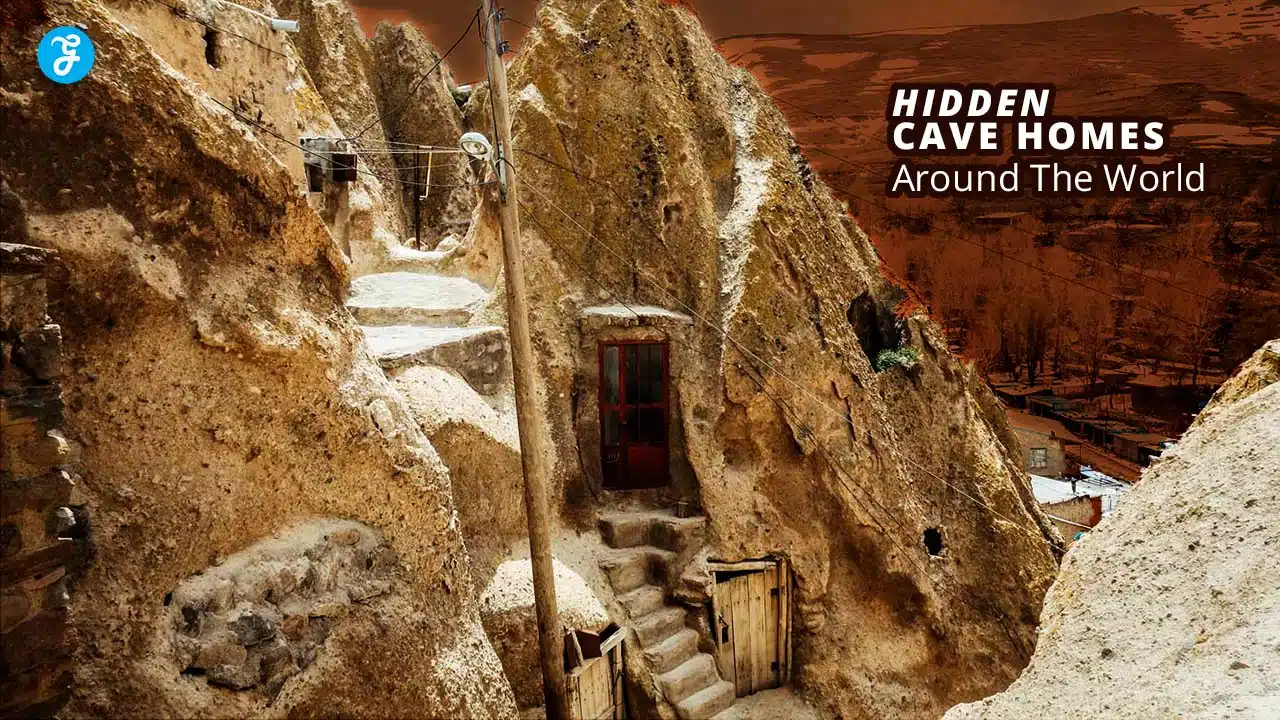
Hidden in cliffs, dug into the ground, or carved into hills, cave homes have been sheltering people for thousands of years. These amazing houses, created out of need and clever thinking, show how we can live in many different places. From the hot deserts of Iran to the green valleys of Spain, cave homes give us a special look at ways of living that have lasted for a very long time.
This article looks at 20 hidden cave homes around the world, each with its own interesting story. We’ll travel from the odd-shaped rocks of Cappadocia to the underground homes of Coober Pedy, seeing how different groups of people have made their homes inside nature’s own walls.
These homes show not only smart building ideas but also how people can live closely with nature. They teach us good lessons for building homes today that work well with the world around them.
Hidden Cave Homes Around the World
Cave homes have been sheltering humans for thousands of years. Today, these unique dwellings continue to captivate us with their ingenuity and connection to nature.
From ancient cliffside abodes to modern underground houses, cave homes offer a glimpse into sustainable living practices. This article explores 20 hidden cave homes across the globe, showcasing their history, design, and the cultures that created them.
1. Kandovan, Iran
Kandovan, a village in northwest Iran, is known for its cone-shaped rock dwellings called “karan.” Carved from volcanic rock over 700 years ago, these homes house about 170 families.
The natural insulation of the rock keeps interiors cool in summer and warm in winter. Kandovan blends ancient architecture with modern amenities, creating a unique living environment.
2. Cappadocia, Turkey
Cappadocia’s landscape is dotted with “fairy chimneys,” tall cone-shaped rock formations. People have carved homes into these rocks for centuries, creating multi-level dwellings and even underground cities.
Originally used as hideouts by early Christians, many of these cave homes are now hotels. Visitors can experience cave living while enjoying modern comforts.
3. Setenil de las Bodegas, Spain
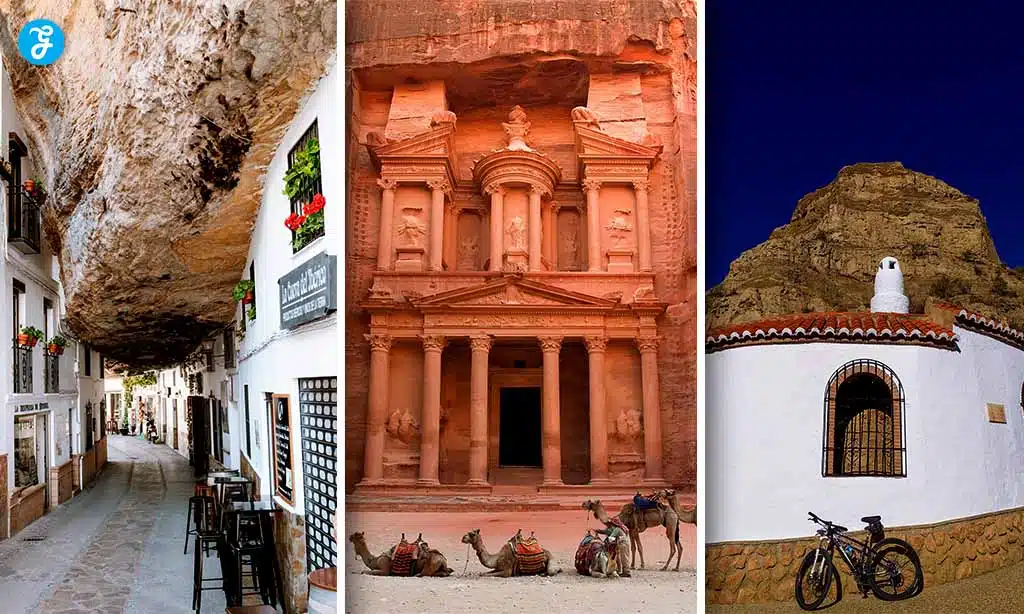
This Spanish town is built beneath a massive rock overhang. Many homes and shops are tucked directly into the cliffside, with the rock serving as a natural roof. The town’s name refers to its history of wine storage, as the cool caves were ideal for keeping wine.
Walking through Setenil feels like entering a stone tunnel, with buildings seamlessly blending into the rocky landscape.
4. Matera, Italy
Matera, one of the oldest continuously inhabited cities in the world, is famous for its “Sassi” districts. These areas are filled with cave dwellings carved into limestone cliffs. Once considered Italy’s “national shame” due to poor living conditions, Matera has transformed into a cultural hub. Many caves now house boutique hotels, restaurants, and galleries, blending ancient architecture with modern design.
5. Coober Pedy, Australia
In the scorching Australian Outback, Coober Pedy took living underground to new levels. About half of the town’s 3,500 residents live in “dugouts” carved into hillsides. This unique approach helps residents escape the extreme heat.
The town features underground homes, churches, and even hotels. Coober Pedy’s cave dwellings offer a cool respite in one of the world’s hottest environments.
6. Guadix, Spain
Guadix, in southern Spain, is home to over 2,000 cave dwellings, or “casas-cueva.” These homes, carved into clay hills, maintain a constant temperature year-round. From above, only chimneys are visible, creating a unique landscape.
Many cave homes in Guadix have modern amenities, offering a blend of traditional cave living and contemporary comfort.
7. Guyaju Caves, China
Near Beijing, the Guyaju Caves complex features over 170 rooms carved into a mountainside. Dating back to the Tang Dynasty (618–907 AD), the purpose and builders of this site remain a mystery.
The complex includes bedrooms, kitchens, and meeting halls, showcasing advanced architectural skills. Today, Guyaju is a popular tourist attraction, offering a glimpse into ancient cave-dwelling practices.
8. Mesa Verde, USA
Mesa Verde in Colorado houses impressive cliff dwellings built by the Ancestral Puebloans. The largest, Cliff Palace, contains 150 rooms and 23 kivas (ceremonial chambers).
These structures, built between 600 and 1300 AD, demonstrate remarkable engineering skills. Now a UNESCO World Heritage site, Mesa Verde provides insight into the lives of ancient Native American cultures.
9. Petra, Jordan
Petra, the ancient Nabataean city in Jordan, is renowned for its rock-cut architecture. The most famous structure, the Treasury, features an intricate facade carved directly into the red rock cliff. Beyond this iconic building, Petra includes hundreds of tombs, temples, and dwellings, all carved into the surrounding cliffs. This “Rose City” showcases the Nabataeans’ architectural mastery.
10. Lalibela, Ethiopia
Lalibela is famous for its rock-hewn churches, but it also features cave homes carved into volcanic tuff. These dwellings provide natural insulation from the heat and blend seamlessly with the landscape.
Living in Lalibela’s cave homes offers residents proximity to some of the world’s most unique churches while maintaining a traditional lifestyle.
11. Bandiagara Escarpment, Mali
Along the Bandiagara Escarpment in Mali, the Dogon people build mud-brick houses into the cliffside. These homes, some perched high on the 500-foot cliff face, provided protection from enemies and wild animals. The Dogon’s cliff dwellings showcase their ability to adapt to and thrive in challenging environments.
12. Kinver Edge, England
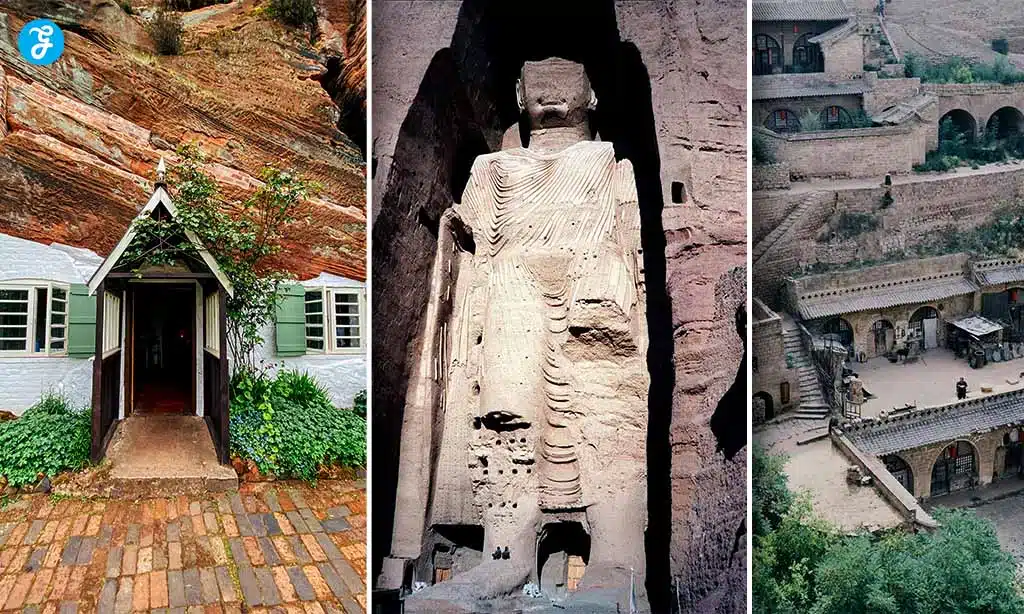
Kinver Edge in Staffordshire, England, features a set of rock houses carved into sandstone cliffs. Inhabited until the 1960s, these homes now offer visitors a glimpse into past cave-dwelling life. The houses, managed by the National Trust, demonstrate how people adapted natural formations for comfortable living spaces.
13. Sacromonte, Spain
In Granada’s Sacromonte district, cave homes are traditionally associated with the Roma community. Many of these whitewashed cave dwellings now host flamenco shows, blending cultural heritage with tourism. The homes’ natural insulation properties make them comfortable year-round, showcasing sustainable living practices.
14. Vardzia, Georgia
Vardzia, a cave monastery in southern Georgia, was built in the 12th century. At its peak, it housed over 2,000 monks in 6,000 apartments across 19 levels. This vast complex included a church, throne room, and wine cellar. Today, Vardzia offers visitors a unique glimpse into medieval monastic life.
15. Bamiyan, Afghanistan
The Bamiyan valley, known for its Buddha statues, also features numerous cave dwellings in the surrounding cliffs. These homes have been used for centuries, providing shelter in the harsh environment. The caves demonstrate the resilience and adaptability of the local population in a challenging landscape.
16. Ortahisar, Turkey
Ortahisar, another cave town in Cappadocia, is built around a tall rock castle. Many homes are carved into the soft volcanic rock surrounding this central formation.
Some cave dwellings have been converted into boutique hotels, allowing visitors to experience traditional cave living with modern amenities.
17. Sassi di Matera, Italy
The Sassi districts of Matera aren’t the only cave homes in Italy. In Basilicata, you can find other examples, such as in the town of Tursi. These dwellings showcase how people have utilized natural caves for shelter throughout history, adapting them to meet changing needs and standards of living.
18. Gila Cliff Dwellings, USA
In New Mexico, the Gila Cliff Dwellings were built by the Mogollon culture around 1275 AD. These dwellings are tucked into natural caves high in canyon walls. The site provides insight into how ancient peoples adapted to their environment, creating homes that blended seamlessly with the natural landscape.
19. Yaodong Caves, China
Near Datong in China’s Shanxi province, yaodong homes are cave houses dug into loess soil. Used for over 4,000 years, these dwellings showcase remarkable thermal efficiency. The thick earth walls keep interiors cool in summer and warm in winter, demonstrating sustainable living practices that have stood the test of time.
20. City of Caves, Nottingham, England
Nottingham boasts a network of over 500 man-made caves beneath the city. Some were once used as homes, while others served as workplaces or storage. Today, visitors can explore Nottingham Castle’s caves or the City of Caves attraction, offering a unique underground perspective on urban history.
Takeaways
Cave homes around the world demonstrate human ingenuity in adapting to diverse environments. From ancient cliff dwellings to modern underground houses, these unique abodes offer lessons in sustainable living.
As we face environmental challenges, cave homes remind us of our deep connection to the earth and the potential for harmonious coexistence with nature. Whether carved by ancient civilizations or modern residents, these hidden homes continue to captivate our imagination and offer insights into alternative ways of living.






















