Music gear can feel overwhelming when you first start exploring the guitar world. Between different body styles, pickup configurations, amplifiers, pedals, and accessories, there are countless choices waiting to be made. The good news is that finding the right setup is less about chasing trends and more about matching equipment to your goals, playing style, and budget. Whether you are buying your first instrument or upgrading after years of experience, a thoughtful approach helps you get more enjoyment from every practice session.
Start With the Right Instrument
One of the biggest decisions any player makes is choosing a guitar that feels comfortable and inspires regular practice. Body shape, neck profile, weight, and pickup type all affect the playing experience. Some musicians prefer a bright, cutting tone for rock and country music, while others gravitate toward warmer sounds for blues or jazz.
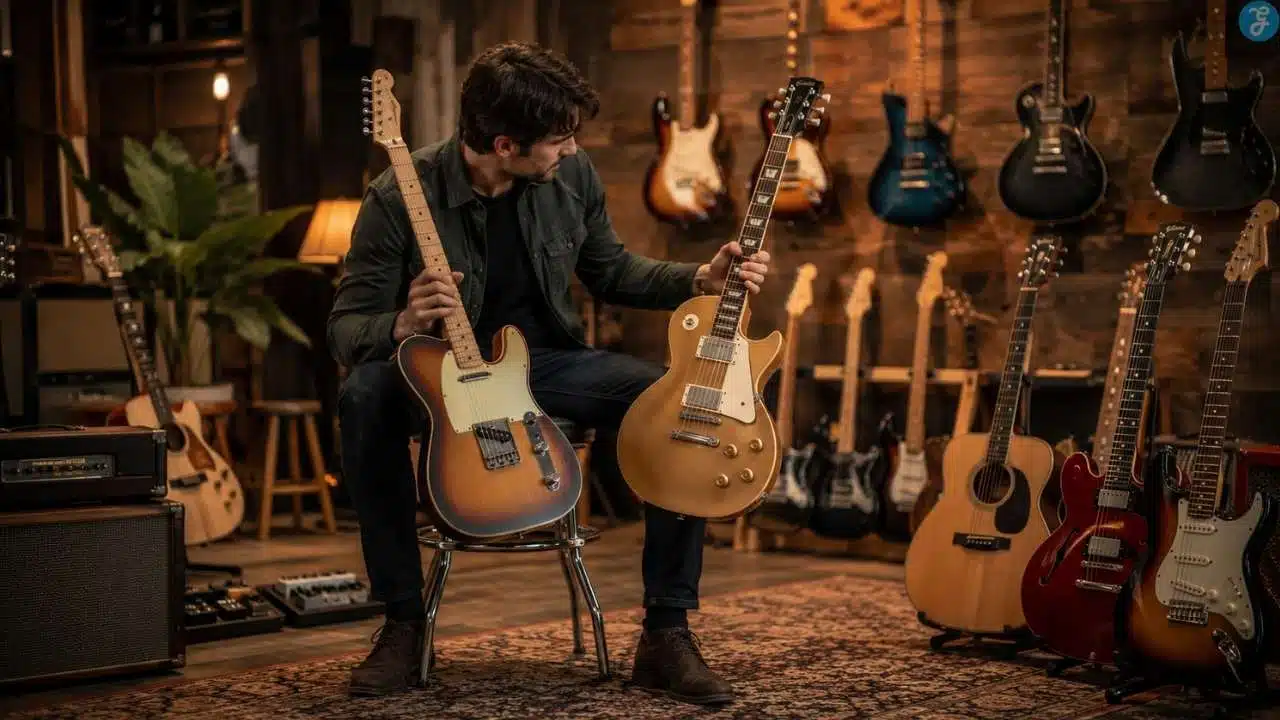
Before making a purchase, take time to shop electric guitars online or in person so you can compare specifications, prices, and reviews. Online research provides access to a huge range of options, while visiting a store gives you the chance to hold different models and evaluate how they feel in your hands. Many players discover that comfort matters just as much as sound when selecting an instrument they plan to play for years.
Learn the Basics of Tone Shaping
A guitar is only one piece of the puzzle. Amplifiers, effects pedals, and playing technique all contribute to the final sound. New players often focus exclusively on the instrument itself, but understanding tone controls can dramatically improve results.
Simple adjustments to volume and tone knobs can change the character of a guitar more than many people expect. Amplifier settings also influence clarity, warmth, and distortion. Spending time experimenting with these controls helps players develop an ear for what they enjoy. The process can be educational and surprisingly fun because small changes often produce noticeable differences.
Many experienced musicians recommend learning how your equipment responds before investing heavily in additional gear. A solid understanding of the fundamentals often delivers better results than a large collection of equipment that remains underused.
Practice Habits Matter More Than Expensive Gear
It is easy to assume that premium equipment automatically leads to better playing. In reality, consistency usually matters more than price tags. A guitarist who practices regularly with modest gear will typically improve faster than someone who owns expensive equipment but rarely plays.
Setting aside even twenty minutes each day can strengthen technique, improve timing, and build confidence. Focus on fundamentals such as chord transitions, rhythm exercises, scales, and basic songs. As skills develop, players gain a clearer understanding of what features they truly want from future equipment upgrades.
Another benefit of consistent practice is that it helps prevent impulse purchases. When you know your strengths, weaknesses, and musical preferences, gear decisions become much easier and more practical.
Make Your Guitar Feel Like Your Own
Personalization has always been part of guitar culture. Players often develop strong connections with their instruments, especially after years of performances, rehearsals, and practice sessions. Small modifications can improve comfort and create a more distinctive appearance.
Many musicians enjoy customizing a guitar through upgraded pickups, replacement tuners, unique pickguards, or personalized finishes. Others prefer more subtle changes such as different strings or strap selections. These modifications can improve playability while helping an instrument reflect the personality of its owner.
The key is making thoughtful changes rather than rushing into major alterations. Research each modification carefully and understand how it might affect tone, performance, or resale value. A well-planned upgrade can breathe new life into an instrument and make playing even more enjoyable.
Build a Setup That Supports Your Goals
Every guitarist has different ambitions. Some want to perform live, others enjoy recording music at home, and many simply play for relaxation after work. Your equipment choices should support those objectives rather than follow someone else’s path.
Home players may prioritize smaller amplifiers and headphone options. Gigging musicians often focus on reliability and portability. Recording enthusiasts frequently invest in audio interfaces and software. Understanding your priorities helps narrow the field and prevents unnecessary spending.
It is also wise to budget for accessories such as cables, tuners, straps, stands, and protective cases. These items may not receive as much attention as guitars and amplifiers, but they contribute significantly to the overall experience.
The best guitar journey begins with informed decisions, consistent practice, and equipment that supports your musical goals. Focus on finding a guitar that feels right, learn how your gear shapes tone, and make upgrades only when they serve a purpose. With patience and steady effort, you can build a setup that keeps you excited to play for years to come.