


School rankings in New South Wales (NSW) are a widely discussed topic among parents, educators, and policymakers. They are often used to measure a school’s academic performance and overall effectiveness.
However, several factors influence these rankings, making them a complex assessment beyond just test scores. This article explores the key factors that impact NSW school rankings and how they contribute to a school’s standing.
1. Academic Performance and NAPLAN Results
One of the primary indicators used in NSW school rankings is academic performance. Standardized tests such as the National Assessment Program – Literacy and Numeracy (NAPLAN) play a crucial role in determining how well students perform in core subjects.
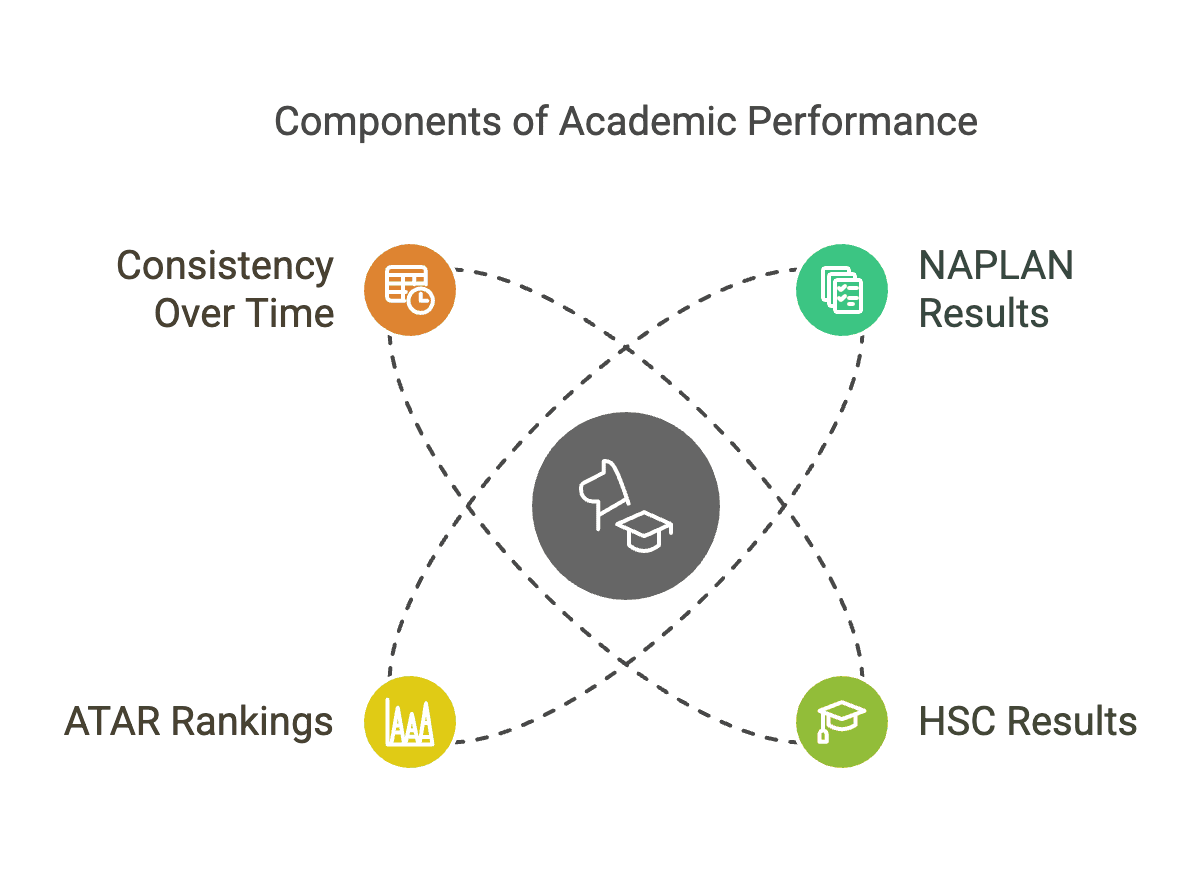
Key Considerations:
- NAPLAN results for numeracy, spelling, grammar, writing, and reading
- HSC (Higher School Certificate) results and ATAR rankings
- Consistency in academic performance over time
2. School Resources and Facilities
The quality of resources and infrastructure available at a school significantly influences its ranking. Schools with better facilities tend to provide a more conducive learning environment.
Key Considerations:
- Availability of modern classrooms, libraries, and laboratories
- Access to technology and digital learning tools
- Extracurricular resources such as sports fields, arts centers, and music studios
3. Teacher Quality and Experience
A school’s teaching staff is one of the most critical components of student success. Highly qualified and experienced teachers often translate to better academic outcomes and higher school rankings.
Key Considerations:
- Teacher qualifications and professional development programs
- Student-teacher ratio and classroom management
- Teaching methodologies and innovation in lesson delivery
4. Socioeconomic Background of Students
The socioeconomic background of students attending a school can impact its academic performance and ranking. Schools in higher-income areas may have access to better resources and parental support, leading to improved outcomes.
Key Considerations:
- Parental education levels and involvement in student learning
- Availability of private tutoring and extracurricular activities
- School funding based on local demographics
5. Student Engagement and Well-being
A positive school culture that prioritizes student engagement and well-being can contribute to higher academic success and better rankings. Schools that invest in student welfare often see lower dropout rates and improved performance.
Key Considerations:
- Student satisfaction surveys and well-being programs
- Mental health support and counseling services
- Extracurricular participation and student leadership opportunities
6. Parental Involvement and Community Support
Strong parental and community engagement plays a pivotal role in school success. When parents are actively involved in their child’s education, schools tend to perform better.
Key Considerations:
- Parent-teacher communication and school involvement
- Fundraising and volunteer contributions
- Partnerships with local businesses and organizations
7. School Leadership and Governance
The effectiveness of school leadership directly influences student outcomes and overall rankings. A strong principal and administration team can drive academic excellence and foster a positive learning environment.
Key Considerations:
- Leadership experience and strategic planning
- Policies on discipline, attendance, and academic integrity
- Implementation of school improvement initiatives
8. Curriculum and Subject Offerings
A diverse and well-structured curriculum helps students excel in various fields, leading to improved school rankings. Schools that offer a broad range of subjects cater to different learning styles and interests. For example, candidates aiming to pass the Microsoft AZ-204 Practice Test Dumps need to develop a strong foundation in cloud development, much like students mastering various academic subjects to achieve success.
Key Considerations:
- Availability of advanced courses such as STEM and humanities programs
- Vocational education and career readiness programs
- Flexibility in subject selection and student pathways
9. Extracurricular Activities and Sports Programs
Participation in extracurricular activities contributes to a well-rounded education and enhances a school’s reputation. Schools that excel in sports, music, and arts often achieve higher rankings due to holistic student development.
Key Considerations:
- Achievements in regional and national competitions
- Variety of clubs and student organizations
- Scholarships and talent development programs
10. Funding and Government Support
Government funding and financial support from private sources impact the quality of education provided. Schools with better funding often have access to superior resources, experienced teachers, and enriched programs.
Key Considerations:
- Public vs. private school funding disparities
- Government grants and financial aid programs
- Impact of school fees on student performance
11. School Reputation and Alumni Success
A school’s reputation plays a significant role in attracting high-performing students and skilled teachers. Successful alumni who achieve prominence in various fields can also enhance a school’s standing.
Key Considerations:
- University acceptance rates of graduates
- Alumni achievements in academics, business, and sports
- Employer perceptions of graduates from the school
12. Geographic Location and Accessibility
The location of a school affects student enrollment, funding, and available resources. Schools in urban areas may have more advantages compared to those in rural regions.
Key Considerations:
- Proximity to educational institutions and learning centers
- Accessibility of public transportation
- Regional development and demographic shifts
Understand Factors that Influence NSW School Rankings
Several interconnected factors influence NSW school rankings, making it essential for parents, students, and educators to consider multiple aspects when evaluating a school. Academic performance remains a key determinant, but aspects such as teacher quality, student well-being, funding, and extracurricular activities also play vital roles.
By understanding these factors, stakeholders can make informed decisions and contribute to the continuous improvement of education in New South Wales.






















