

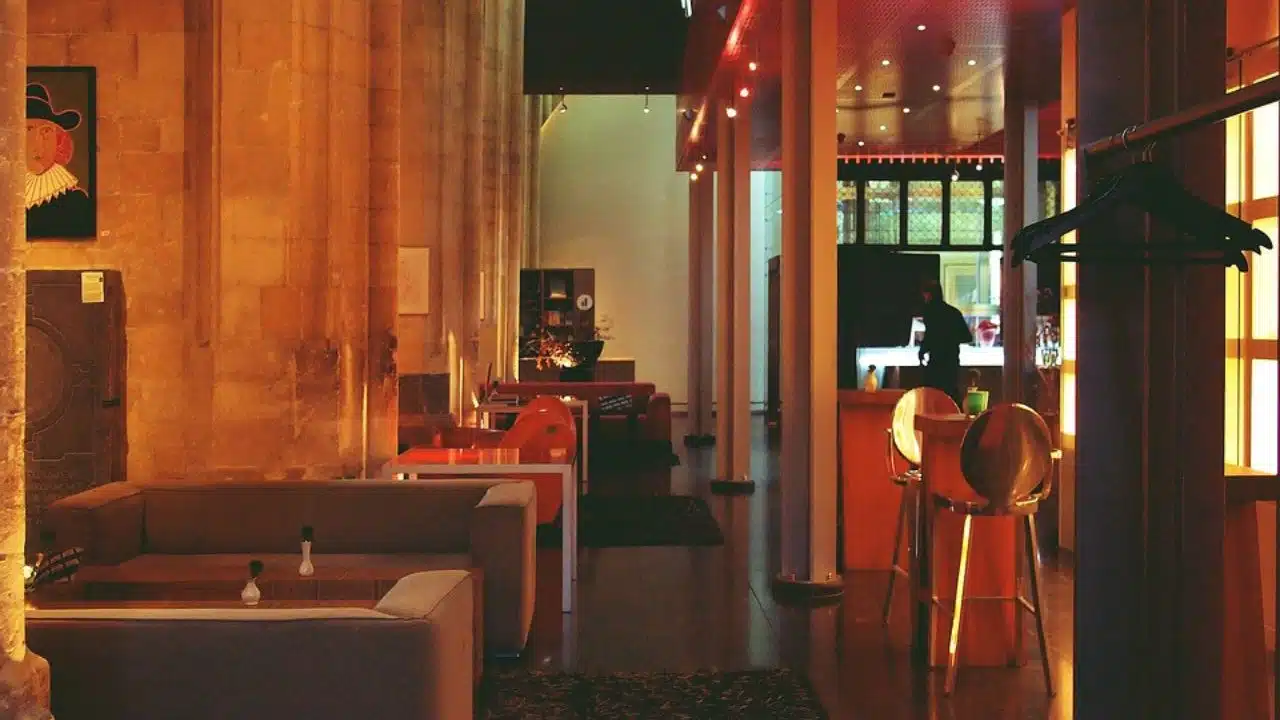
Designing a modern school lounge entails more than just placing a few chairs and tables within the school premises. It is about creating an environment that fosters collaboration, creativity, and comfort for students and staff alike. A well-thought-out lounge can serve as a haven for relaxation, socialization, and collaborative work, offering a balance between functionality and aesthetics. This guide offers essential strategies, insights, and considerations for creating an inviting and effective lounge space that meets contemporary educational needs.
Understanding the Purpose of a School Lounge
Before diving into design specifics, it’s crucial to understand the primary role a school lounge plays in the academic ecosystem. A school lounge should serve as a versatile space where students can unwind, study, engage in collaborative efforts, or participate in informal discussions. Research indicates that spaces designed for social interaction contribute positively to student mental health and academic success. According to the American Psychological Association, environments that encourage collaboration can lead to a 15% increase in student engagement and productivity. The lounge must cater to diverse needs, from quiet corner spots for solitary study to communal areas for group projects and social interaction. Understanding these nuances allows designers to create an area that is not only functional but also inviting.
Key Elements of Modern Lounge Design
Designing a modern school lounge requires careful consideration of various elements that will make the space both welcoming and functional. Here are some critical components to think about:
Furniture: Opt for functional yet comfortable furniture. Pieces like versatile sectional soft seating can help to create flexible arrangements. Students enjoy movable seating options that accommodate various activities, whether it’s studying individually or collaborating in groups.
Color Scheme: The choice of color can significantly influence the mood of the space. Bright, inviting colors can stimulate creativity, while softer hues can promote relaxation. Research from the University of Texas reveals that colors can impact cognitive function and emotional well-being, thus choosing the right palette is essential.
Technology Integration: In today’s digital age, integrating technology is key. Ensure that the lounge has sufficient charging stations and strong Wi-Fi connectivity. Moreover, consider incorporating smart boards or screens for presentations or group collaborations.
Natural Lighting: Access to natural light has a profound effect on mood and productivity. Large windows or skylights can enhance the ambiance, making students feel more energized and focused. Studies show that natural light can increase alertness and reduce eye strain.
Creating Collaborative Spaces
Collaboration is a cornerstone of modern education, making it essential for school lounges to offer spaces that facilitate teamwork. Consider designing areas with adaptable settings like round tables, bean bags, or movable whiteboards. This fluidity allows groups to rearrange the space according to their needs. Also, the integration of soft seating arrangements in informal settings can encourage spontaneous discussions and exchanges of ideas. Beyond furniture, implementing sound-absorbing materials can minimize noise distractions, enhancing the collaborative experience. Research by the National Institutes of Health finds that reduced noise levels can improve concentration and productivity, making a quieter environment critical for effective teamwork.
Incorporating Zones for Relaxation and Focus
While collaboration is important, a school lounge must also cater to students who need quiet time to recharge or focus on their work. Designing specific zones for relaxation and concentration is vital. A peaceful reading area with bookshelves, comfortable seating, and calming decor can create an oasis for students needing downtime. Meanwhile, dedicated focus zones can be equipped with individual study pods or booths, minimizing distractions. According to a study published in the Journal of Educational Psychology, students perform better when they have access to not only collaborative spaces but also quiet areas where they can concentrate without interruption. Consider layering these sections with distinct lighting options and decor to create a versatile ambiance conducive to both relaxation and concentration.
Emphasizing Accessibility and Inclusivity
A modern school lounge should embrace accessibility and inclusivity at its core. Designing spaces that accommodate all students, including those with physical disabilities, is paramount. This design ethos ensures that everyone can enjoy the resources available in the lounge. Implement adjustable seating and wide pathways for easier navigation. Collaboration with accessibility professionals can help ensure compliance with standards while fostering an environment that promotes belonging. Implementing these best practices can help schools create lounges that serve all students, irrespective of their capabilities, thus promoting a sense of community and belonging.
Sustainable Practices in Lounge Design
Sustainability has become an imperative aspect of modern design, particularly in academic institutions. Schools hold the responsibility of educating students about environmental stewardship. Consequently, incorporating eco-friendly materials and practices into lounge design can extend the school’s commitment to sustainability. Choosing sustainably sourced furniture, utilizing energy-efficient lighting solutions, and installing systems for recycling and waste management are key strategies. Studies from the World Green Building Council indicate that buildings designed with sustainability in mind can improve student performance and well-being. Engaging students in discussions on sustainability can also foster a sense of responsibility toward environmental stewardship.
Flexibility in Design
Creating a lounge with a flexible design serves multiple functions and accommodates changing needs over time. Movable furniture gives students the ability to rearrange their environment according to their current activities or preferences. This adaptability is crucial because the needs of students and educational objectives may evolve. Furthermore, incorporating multi-functional spaces, such as a lounge area that can transform into an event space, maximizes the lounge’s utility. Schools could host workshops, guest lectures, or performances without disrupting the primary purpose of the lounge. Flexibility in design not only enhances functionality but fosters a culture of innovation and creativity.
The Role of Decor and Personalization
Decor plays a pivotal role in making a school lounge inviting and reflective of the school’s identity and community values. Engaging students in the design process can lead to more personalized spaces where they feel a sense of ownership. Utilizing local artwork, vibrant murals, or features that represent school spirit can foster pride among students. Additionally, allowing students to personalize their areas with photographs or projects can create deeper connections to the space. According to the Journal of Environmental Psychology, spaces that reflect personal identity significantly enhance comfort and satisfaction levels among users.
Promoting Well-Being Through Design
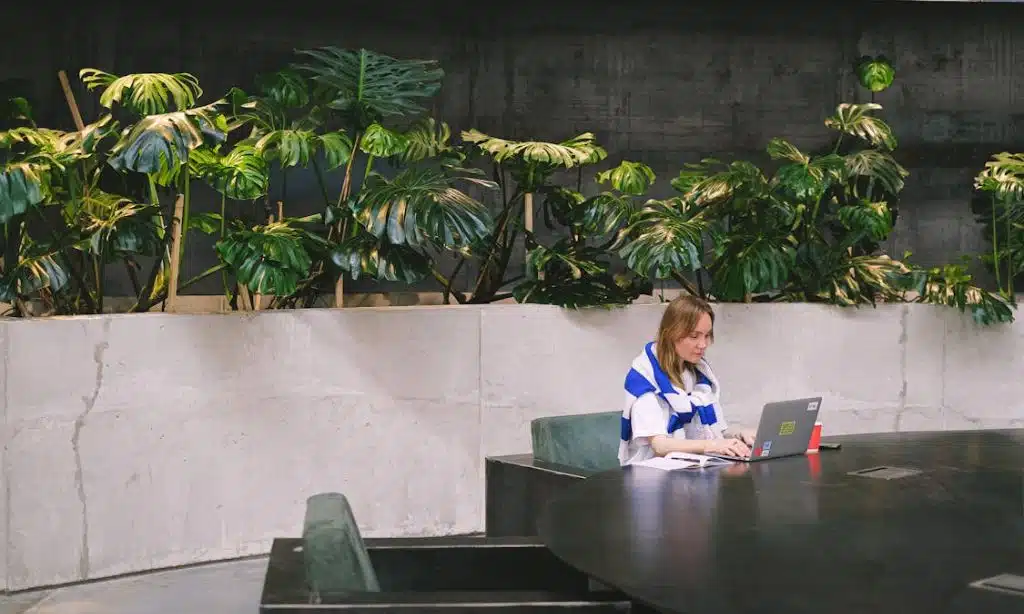
Promoting the overall well-being of students is a critical goal for modern school lounges. Features such as comfortable seating, natural elements like plants, and artwork contribute to mental wellness. Creating an atmosphere that encourages healthy social interactions is equally important. Implementing relaxation features such as water fountains or quiet areas can promote mindfulness. According to a report from the National Institute of Mental Health, environments supporting stress reduction cultivate creativity and improve emotional regulation. Additionally, offering wellness programming or workshops in the lounge can further enhance students’ well-being, integrating mental health awareness directly into their daily lives.
Gathering Feedback and Continuous Improvement
After the lounge has been designed and established, the work does not end. Gathering feedback from students and staff can be invaluable for ongoing enhancement. Regularly assessing the space and making improvements based on user experiences can ensure the lounge remains relevant and functional. Conduct periodic surveys, suggestion boxes, and focus groups to pinpoint areas needing improvement. Furthermore, staying aware of current trends in educational design can inform future modifications. As schools evolve, the lounge space should reflect their growth and changing needs.
Designing a modern school lounge is a complex yet fulfilling task that requires a combination of creativity, functionality, and empathy for student needs. By paying attention to collaborative spaces, accessibility, sustainability, and well-being, schools can develop vibrant lounges that support educational goals while fostering a sense of community. Emphasizing flexibility and personalization allows students to engage with the space, making it truly their own. Fostering an atmosphere of innovative design is key to creating enriching environments where students thrive.






















