


Baby Boomers approached estate planning with long-term thinking and consistent action. In contrast, many Gen X and Millennials delay the process, often due to financial complexity or lack of urgency. But waiting too long can lead to costly mistakes, family disputes, and unclear legal outcomes.
As younger generations take on more responsibilities, they can benefit from the proven habits Boomers used to secure their legacies. By adopting these practices now, you can protect your assets, make informed decisions, and reduce stress for your loved ones when it matters most.
Benchmarking Baby Boomer Estate Strategies
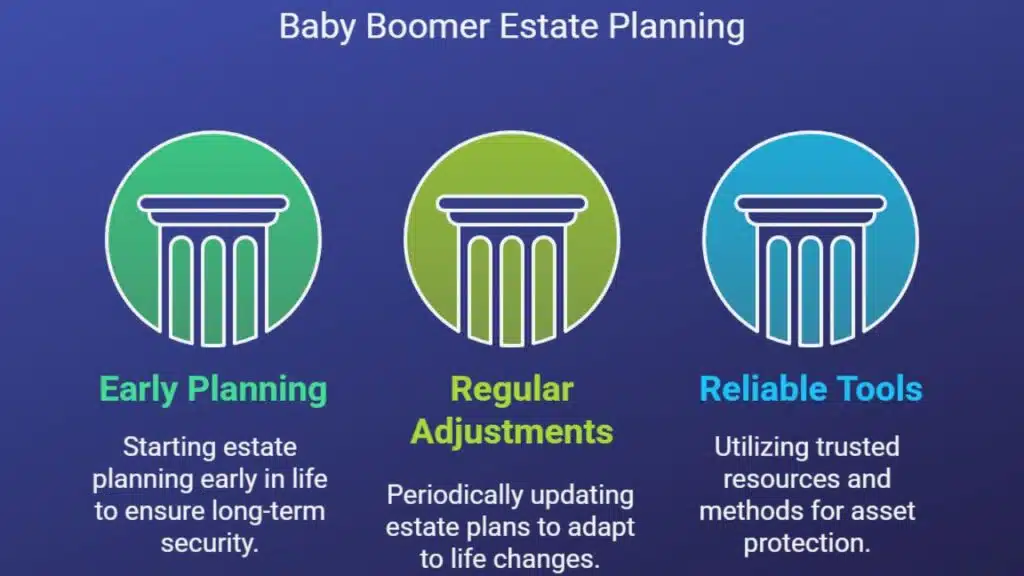
Baby Boomers didn’t wait until retirement to think about legacy. They took early steps, adjusted their plans regularly, and used reliable tools to protect their assets. Their approach shows how consistent, proactive planning creates long-term peace of mind. For Gen X and Millennials, understanding these habits can help build a stronger, more secure estate plan that avoids the stress of last-minute decisions.
Initiate Planning Early and Update Routinely
Start your estate plan while you’re still building your financial foundation. Many Baby Boomers began planning in their thirties or forties, which gave them more time to shape their goals and adjust along the way. Beginning early allows you to make calm, informed decisions about how your assets should be managed and passed on.
Once your documents are in place, schedule regular reviews. Update your will, power of attorney, and other documents after major life events such as marriage, having children, or buying property. Keeping your plan current helps avoid legal conflicts and protects your wishes.
Safeguard and Leverage Home-Equity Holdings
Your home is more than just a place to live. For Baby Boomers, it became a powerful part of their long-term financial plan. You can take the same approach by protecting and using your home equity wisely.
- Keep your property title clean: Avoid adding unnecessary co-owners or making hasty title changes. A clean title helps prevent disputes during inheritance and keeps legal control clear.
- Limit debt against your home: Baby Boomers were cautious about borrowing against their property. Avoid frequent refinancing or taking out equity loans unless there is a strategic benefit.
- Treat your home as a legacy tool: Many Boomers chose to leave their homes to heirs or used proceeds from a sale to fund retirement or health care. You can plan ahead by deciding whether your home will be sold, rented, or passed on directly.
Using home equity as part of your estate strategy gives you flexibility, preserves value, and offers support for your future needs or your family’s.
Optimize Beneficiary and Transfer-on-Death Designations
Keeping your beneficiary designations updated is one of the easiest ways to make sure your assets go to the right people without delay. Baby Boomers who reviewed their accounts regularly avoided legal challenges and helped their families bypass probate court. You can do the same by assigning beneficiaries to your financial accounts, including retirement plans, investment portfolios, and life insurance policies.
Fidelity recommends reviewing your beneficiary information every three to five years or after major life events. They warn that outdated or missing details can cause complications or send assets to unintended individuals. By staying on top of this task, you ensure that your estate plan works the way you want it to.
Use Life-Insurance Proceeds to Provide Estate Liquidity
Life insurance gives your estate fast access to cash, helping cover taxes, debts, and final expenses without selling off assets. Baby Boomers used it to ease the financial burden on their families. If your estate includes real estate or a business, this payout offers flexibility and avoids court delays. It keeps your plan intact and your family supported.
Deploy Trusts for Asset Control and Tax Efficiency
Trusts help you control how and when your assets are shared. Baby Boomers used them to reduce taxes and avoid probate. A revocable trust lets you stay flexible, while an irrevocable trust offers stronger protection. You can also use trusts to stagger inheritance or support heirs who need guidance, ensuring your wishes are followed without conflict.
Formalize Health-Care Proxies and Durable Powers of Attorney
Naming a health-care proxy and setting up a durable power of attorney lets someone act for you during emergencies. Boomers took this step to avoid delays and protect their choices. These documents help your loved ones step in smoothly and respect your wishes when you can’t speak for yourself. It’s a small effort that brings long-term peace of mind.
Conduct Regular Family Legacy Discussions
Talking openly about your estate plan reduces confusion and builds trust. Baby Boomers who shared their intentions early often avoided conflict. You can do the same by making these conversations part of your routine.
Start early, explain your reasoning, and include more than just finances. Let your family ask questions and offer input. These discussions may be uncomfortable at first, but they strengthen relationships and help ensure your legacy is understood.
Implementation Roadmap for Generation X and Millennial Households
Gen X and Millennials can build strong estate plans by applying key lessons from Baby Boomers, just tailored to today’s challenges.
- Secure your core documents: Start with a will, a durable power of attorney, and a health care directive. These tools protect your decisions and simplify emergencies.
- Update account beneficiaries: Make sure your retirement and insurance accounts list the correct people. Outdated designations often cause legal problems.
- Plan for children and dependents: If you have kids, name guardians and consider a trust to manage assets on their behalf.
- Include digital assets: Add instructions for email accounts, crypto, and online tools. These are part of your estate now.
- Get expert support when needed: For complex needs, consult an experienced estate planning lawyer in Las Vegas to avoid mistakes and protect your intent.
Taking small steps now gives your family clarity, security, and peace of mind later.
Conclusion
Baby Boomers proved that steady, intentional estate planning works. Gen X and Millennials have the opportunity to do the same by acting early, updating often, and communicating openly. Whether you’re just starting or refining your plan, the lessons are simple: protect what you have and prepare for what’s next. The earlier you begin, the more control and clarity you gain over your legacy.

























