

The Spanish-language film Emilia Pérez, directed by the celebrated French filmmaker Jacques Audiard, has become a lightning rod for discussion and controversy. While it has been applauded for its bold storytelling and is gaining traction during the 2025 award season, the film has also faced a torrent of online criticism. These contrasting reactions highlight the complexities of representation, storytelling, and public discourse in modern cinema.
Plot Overview and Central Themes
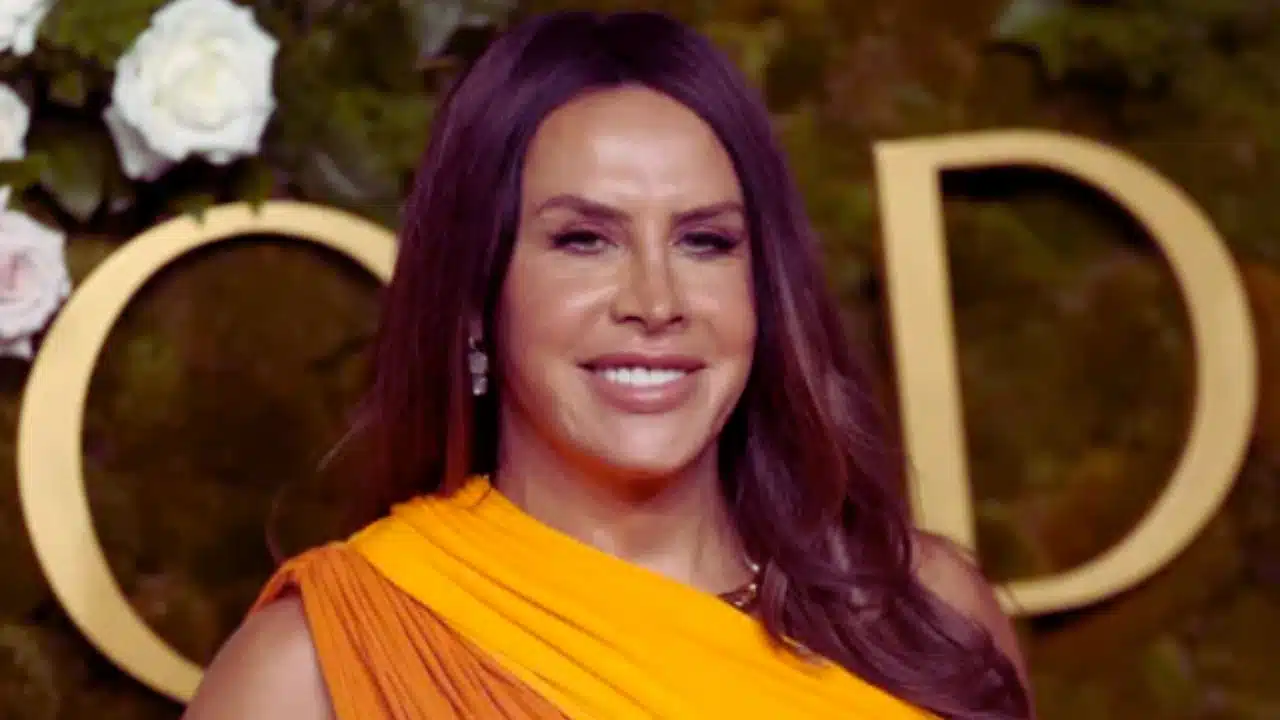
Emilia Pérez follows the life of Emilia, portrayed by trans actress Karla Sofia Gascón. Emilia is a former Mexican cartel leader who orchestrates an elaborate plan to fake her death with the help of her lawyer Rita, played by Zoe Saldaña. This scheme allows Emilia to undergo gender-affirming care and begin a new chapter in her life. However, this decision comes at a high personal cost—she abandons her wife, Jessi (Selena Gomez), and their two children, letting them believe she is dead. Years later, Emilia re-enters their lives under the guise of being their aunt.
The film delves into profound themes such as personal transformation, identity, family, and the sacrifices one makes to live authentically. By centering a transgender character in a narrative that spans redemption and self-discovery, Emilia Pérez brings a rarely explored perspective to mainstream cinema.
Praise and Recognition
Critics and fans have lauded Gascón’s powerful portrayal of Emilia. Her nuanced performance captures the struggles and triumphs of a character torn between her past and the future she envisions for herself. The film’s visually striking cinematography, combined with Audiard’s deft direction, has also been praised. As award season gains momentum, Emilia Pérez has emerged as a contender in several major categories, with Gascón widely tipped for a Best Actress nomination.
Criticism from the LGBTQ+ Community
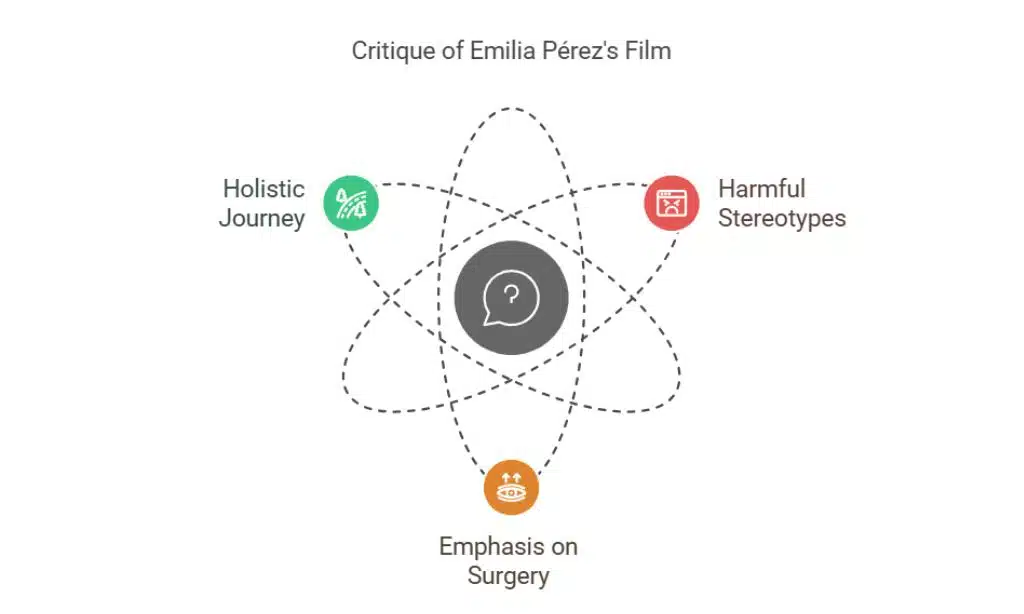
Despite its accolades, Emilia Pérez has faced criticism from some LGBTQ+ audiences and activists. Critics argue that the film’s narrative reinforces harmful stereotypes about transgender individuals, such as associating them with violence or portraying them as abandoning their families. Additionally, some have taken issue with the film’s emphasis on surgery as a defining aspect of Emilia’s transition, arguing that it reduces the transgender experience to physical transformation rather than a holistic journey of self-discovery and identity.
Gascón’s Response to Backlash
In response to the criticism, Gascón did not hold back. Speaking to The Hollywood Reporter, she voiced her frustration with online detractors. “First off, I’m tired of TikTokers, Instagrammers, influencers, and people who get up in the morning and are all soccer coaches, journalists, and film critics,” she said. “You must be super well-adjusted to criticize the work of 700 people from your couch, sitting there next to your PlayStation.”
She went on to challenge the notion that these critics speak for the entire LGBTQ+ community. “They claim to speak for everyone. Let me tell you: Being LGBT doesn’t make you less of an idiot,” Gascón said.
The actress argued that the real-world reception to the film has been far more supportive than the online commentary suggests. “Social media is a lie. The reality is in the street. It’s people who come up to you to say thank you,” she added. “There is something beautiful happening in society… Many people are waiting for me to be nominated somewhere. If I’m given that award, they’ll jump for joy.”
Improving Representation in the Script
Gascón also revealed her significant role in shaping the film’s portrayal of transgender experiences. Initially, the script depicted Emilia’s transition as a strategy to evade capture by Mexican authorities, with her identity as a woman emerging only later. Additionally, the original storyline had Emilia engaging in a romantic relationship with a man after her transition, implying a complete shift in her sexual orientation.
Gascón worked closely with Audiard to revise these elements, ensuring that the narrative resonated more authentically. In the final version, Emilia’s transition is portrayed as a deeply personal journey rather than a plot device. Furthermore, the film introduces Epifanía (Adriana Paz), a woman with whom Emilia falls in love, reinforcing the idea that Emilia’s identity and desires remain consistent and true to her character.
Reactions from Opposing Circles
While Emilia Pérez has faced criticism from some within the LGBTQ+ community, it has also drawn ire from right-wing, anti-LGBTQ+ groups. Gascón has been the target of hateful messages and death threats, including one chilling remark that she would “be found dismembered in a bag.”
Despite these threats, Gascón remains steadfast. “I’ve gotten used to it,” she said. “In fact, I love it. It’s my gasoline to then tell the people of the light: ‘You have won.’ The more people hate me, the more insulting messages they send, the more I say, ‘Thank you,’ and the more I’m going to enjoy this moment.”
Award Season Buzz and Broader Impact
The controversy surrounding Emilia Pérez has not diminished its momentum during award season. Gascón’s performance has been widely recognized as groundbreaking, and many consider her a frontrunner for a Best Actress Oscar nomination. If nominated, she would make history as one of the first openly transgender actresses in the category, marking a significant milestone for representation in Hollywood.
Beyond its awards prospects, Emilia Pérez has sparked vital conversations about identity, representation, and the complexities of being transgender in a world that often misunderstands or misrepresents the experience. The film’s bold narrative and the public discourse it has generated underscore the importance of creating space for diverse stories in mainstream cinema.
Emilia Pérez is more than a film; it is a cultural moment that challenges audiences to confront their biases, expand their understanding, and engage with perspectives that are often marginalized. While it has faced its share of criticism, it has also provided a platform for meaningful dialogue and highlighted the resilience of those who fight for authenticity and visibility. Whether celebrated or debated, the impact of Emilia Pérez is undeniable.
























