

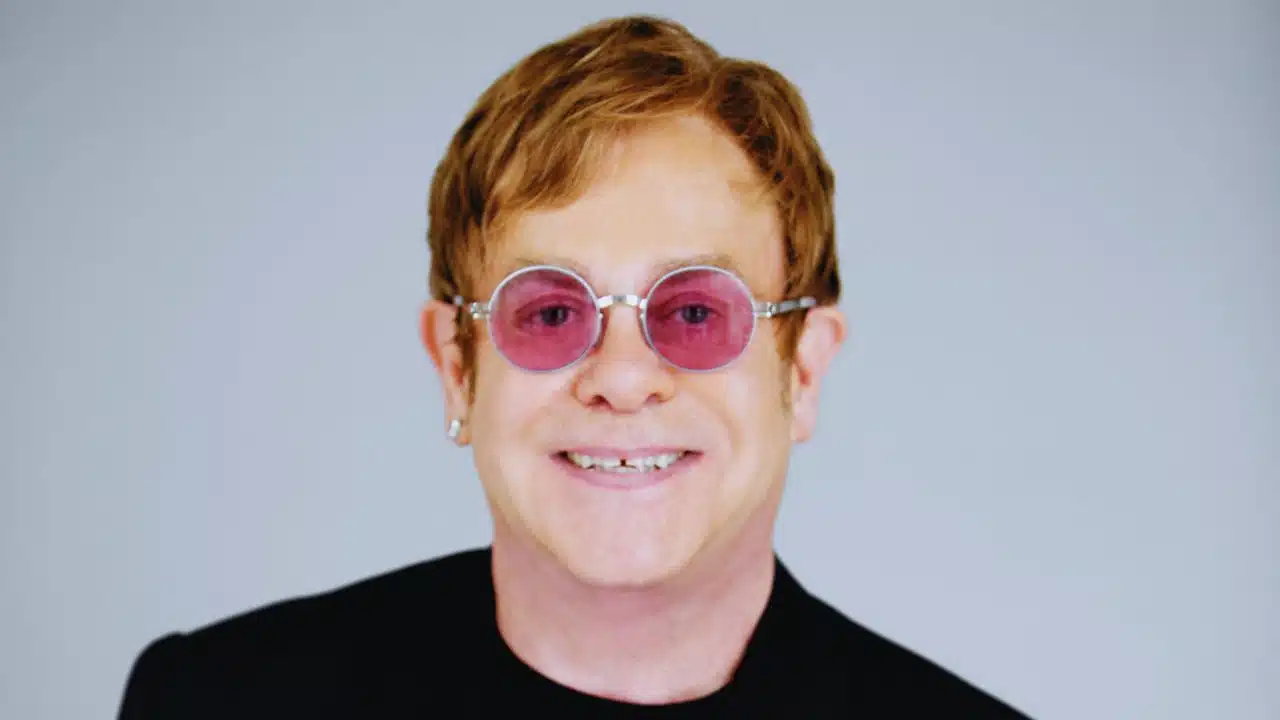
In a candid interview with Time magazine, music icon Elton John shared his strong opposition to the legalization of marijuana in both the United States and Canada. The interview, which coincided with John’s recognition as Time magazine’s 2024 Icon of the Year, revealed not only his thoughts on marijuana but also his personal history with drug addiction, and how it continues to shape his views on substance use.
A Deeply Personal Stance on Marijuana
Elton John didn’t mince words when addressing the issue of marijuana legalization. Despite the growing acceptance of cannabis in many parts of the world, including the U.S. and Canada, John firmly believes that legalizing the drug is a grave mistake. In his interview, he said, “I maintain that it’s addictive. It leads to other drugs.” His words were not merely based on abstract opinions but on his own life experiences with addiction.
Having been through the turmoil of drug use himself, John shared his belief that marijuana, once legalized, opens the door to the use of other substances. He explained, “And when you’re stoned — and I’ve been stoned — you don’t think normally.” According to John, marijuana can alter the mind in ways that make individuals less capable of making sound, rational decisions. For someone who has been sober for many years, this view is deeply rooted in his personal battles with addiction.
The Dangers of Legalization
John’s opposition to the legalization of marijuana goes beyond just concerns about its immediate effects. He sees the legalization trend as part of a larger societal issue. “Legalizing marijuana in America and Canada is one of the greatest mistakes of all time,” John stated. His argument isn’t simply about the immediate effects of marijuana, but about how it may contribute to long-term consequences. In his view, legal marijuana could create a perception that it is a harmless substance, even though he believes it can lead individuals into the use of more dangerous drugs.
The legalization debate is ongoing in many countries, and many supporters argue that legal cannabis reduces the illegal drug trade and provides economic benefits through taxation. However, John’s comments reflect a concern that legalizing marijuana could normalize its use, making it more accessible and potentially more dangerous for those who struggle with addiction.
From Addict to Advocate for Sobriety
Elton John’s views on marijuana are inextricably linked to his own journey with addiction. John’s battles with drugs and alcohol are well-documented. The pop legend first experimented with cocaine in the mid-1970s when his lover-turned-manager, John Reid, introduced him to the substance. What followed was years of intense drug use, which eventually took a toll on both his career and personal life.
During his years of substance abuse, John made a number of poor decisions, which he later reflected on with deep regret. He admitted that his addiction affected not only his own well-being but also those around him. “You make terrible decisions on drugs,” John acknowledged. “I wanted love so badly, I’d just take hostages.” This statement reveals a deeper psychological element to his drug use: a desperate search for love and companionship, which he later recognized led to unhealthy, damaging relationships.
Hurting Others in the Pursuit of Love
John also reflected on how his drug addiction caused him to hurt others emotionally. “I’d see someone I liked and spend three or four months together, and then they would resent me because they had nothing in their life apart from me,” he explained. For John, the impact of his behavior was painful to acknowledge. Looking back on those years, he admitted that it upset him deeply to think about how many people he might have hurt in the process.
This self-awareness is part of John’s broader understanding of addiction. For him, the desire to be loved, mixed with the reckless use of substances, created a pattern of toxic relationships. In those years, John wasn’t just struggling with his own demons; he was inadvertently causing pain to those around him, which has stayed with him as part of his recovery process.
Helping Others Find Sobriety
Since turning his life around, Elton John has become a powerful advocate for sobriety. His personal experiences have allowed him to reach out to other artists who struggled with similar issues. Over the years, John has mentored and supported many individuals on their own paths to recovery. Notably, he has played a key role in helping other famous musicians, such as rapper Eminem and British pop star Robbie Williams, overcome their addictions.
In his interview, John mentioned how he helped Eminem by becoming his sponsor during a critical time in the rapper’s life. He also shared the story of sending Robbie Williams to his first rehab visit, a turning point in the British pop star’s journey to recovery. However, not all attempts to help others have been successful. John spoke candidly about his inability to help his close friend, George Michael, who tragically struggled with his own addiction issues until his death in 2016. John expressed his pain at being unable to help Michael, despite their shared history.
Honest Reflections on Helping Others
John’s candidness didn’t stop with his own struggles. He also discussed the difficulties of intervening in the lives of others. “It’s tough to tell someone that they’re being an asshole, and it’s tough to hear,” John said, acknowledging the painful nature of being the person to offer tough love to someone in denial about their addiction. This honesty reflects the complexities of addiction and recovery, and the challenges faced by those trying to help someone they care about. Sometimes, even the best intentions aren’t enough, and that can be a harsh reality to face.
John didn’t shy away from discussing his own shortcomings either. He admitted that he, too, had moments where he behaved poorly because of his addiction. “Eventually I made the choice to admit that I’m being an asshole,” he said. This self-realization marked a pivotal moment in his recovery, as he acknowledged his own role in the difficulties he faced. By taking responsibility for his actions, John was able to start healing, both personally and in his relationships.
A Legacy of Recovery and Advocacy
Today, Elton John’s life stands as a testament to the power of recovery. His successful transition from addiction to sobriety has allowed him to not only reclaim his life but also help others along the way. His work with recovering addicts, especially other artists, has created a legacy of support for those struggling with similar issues.
John’s opposition to the legalization of marijuana may be controversial for some, but his personal experiences with addiction lend weight to his perspective. His past battles with substance use have shaped his strong beliefs about the dangers of drugs, and his stance on marijuana legalization is no exception. For John, the consequences of drug use are not just theoretical; they are deeply personal.
While marijuana legalization is a significant debate in many countries today, John’s remarks remind us of the broader implications that drugs can have on individuals, their relationships, and society as a whole. His journey from addiction to recovery, combined with his desire to help others, reflects a commitment to raising awareness about the dangers of drugs — and the possibility of overcoming addiction through sobriety and support.
A Powerful Message
Elton John’s views on marijuana, shaped by years of addiction and recovery, offer a powerful message to his fans and the public. His personal story serves as both a warning and a source of hope. By sharing his experiences, John continues to raise awareness about the real-world effects of substance abuse and the importance of making informed decisions when it comes to drug use. His work with others in recovery underscores the importance of support, love, and understanding in overcoming addiction. For Elton John, recovery is not just about sobriety — it’s about finding peace, healing, and making amends with the past.





















