

The beauty industry is undergoing a massive transformation, with sustainability at its core. More consumers are now prioritizing eco-conscious products that are not only effective but also kind to the planet.
This shift has led to the rise of cutting-edge innovations in eco-friendly skincare, revolutionizing how beauty brands formulate and package their products. From waterless beauty solutions to AI-powered skincare, the industry is embracing sustainability in innovative ways.
In this article, we’ll explore seven cutting-edge innovations in eco-friendly skincare that are shaping the future of sustainable beauty. Whether you’re a skincare enthusiast or an environmentally conscious consumer, understanding these breakthroughs will help you make informed choices while supporting a greener planet.
Why Eco-Friendly Skincare Matters
The conventional skincare industry is one of the biggest contributors to pollution, waste, and resource depletion. Common environmental issues include:
- Water Waste: Many skincare products contain up to 80% water, leading to excessive water consumption in production.
- Plastic Pollution: Packaging from beauty products generates over 120 billion units of waste annually.
- Harmful Chemicals: Synthetic ingredients such as parabens, sulfates, and microplastics harm aquatic ecosystems.
The Shift Towards Sustainable Beauty
Consumers are demanding transparency and sustainability, pushing brands to innovate. A surge in cutting-edge innovations in eco-friendly skincare has led to more biodegradable packaging, refillable solutions, and eco-friendly ingredients. This trend is not only better for the planet but also improves skin health by reducing exposure to harmful chemicals.
7 Cutting-Edge Innovations in Eco-Friendly Skincare
The skincare industry is constantly evolving, and sustainability is at the forefront of this transformation. As consumers demand cleaner, greener, and more ethical products, brands are responding with innovative solutions.
From reducing water waste to utilizing AI for personalized routines, these cutting-edge innovations in eco-friendly skincare are paving the way for a more responsible beauty industry.
1. Waterless Beauty Products
Water scarcity is a growing global concern, and the beauty industry is adapting by creating waterless skincare products. These concentrated formulas come in solid, powder, or oil-based forms, reducing the need for preservatives and extending shelf life.
Benefits of Waterless Skincare:
- Eco-Friendly: Reduces water usage and packaging waste.
- Highly Potent: Eliminates fillers, offering more concentrated active ingredients.
- Longer Shelf Life: Less risk of bacterial growth due to reduced water content.
Brands Leading the Trend:
| Brand | Product | Type |
| Ethique | Solid Cleansers & Moisturizers | Bars |
| Lush | Naked Skincare | Solid & Powder |
| Pinch of Colour | Waterless Beauty Range | Oils & Balms |
2. Upcycled Ingredients in Skincare

Upcycling is a game-changer in cutting-edge innovations in eco-friendly skincare, turning food and agricultural by-products into potent skincare actives.
Examples of Upcycled Ingredients:
- Coffee Grounds: Used in exfoliators for their antioxidant properties.
- Fruit Peels: Rich in vitamins and enzymes for brightening skin.
- Grape Seeds: Provide powerful anti-aging benefits.
Why It Matters:
- Reduces Waste: Prevents food and plant waste from ending up in landfills.
- Enhances Skin Benefits: Packed with nutrients beneficial for the skin.
- Supports Circular Economy: Encourages sustainable business models.
3. Biodegradable and Refillable Packaging
Traditional plastic packaging takes hundreds of years to decompose. The shift to biodegradable and refillable options is revolutionizing sustainability in skincare.
Innovative Packaging Solutions:
- Compostable Containers: Made from bamboo, sugarcane pulp, or mushroom fibers.
- Refill Stations: Available in select beauty stores to reduce single-use plastic.
- Glass & Metal Packaging: Durable, recyclable, and reusable.
4. Lab-Grown Skincare Ingredients
Biotechnology is reshaping skincare by producing lab-grown alternatives to natural extracts, reducing environmental impact.
Examples:
- Lab-Created Collagen: Sustainable and cruelty-free alternative to animal-derived collagen.
- Bioengineered Hyaluronic Acid: Hydrating powerhouse without harming ecosystems.
- Synthetic Squalane: Derived from sugarcane instead of shark liver.
5. Carbon-Neutral and Zero-Waste Production
Many brands are adopting zero-waste policies and carbon-neutral production to minimize environmental harm.
How Brands Achieve This:
- Renewable Energy: Solar and wind-powered manufacturing plants.
- Carbon Offsetting: Investing in reforestation projects.
- Minimalist Packaging: Using fewer materials to reduce waste.
6. AI-Powered Personalized Skincare
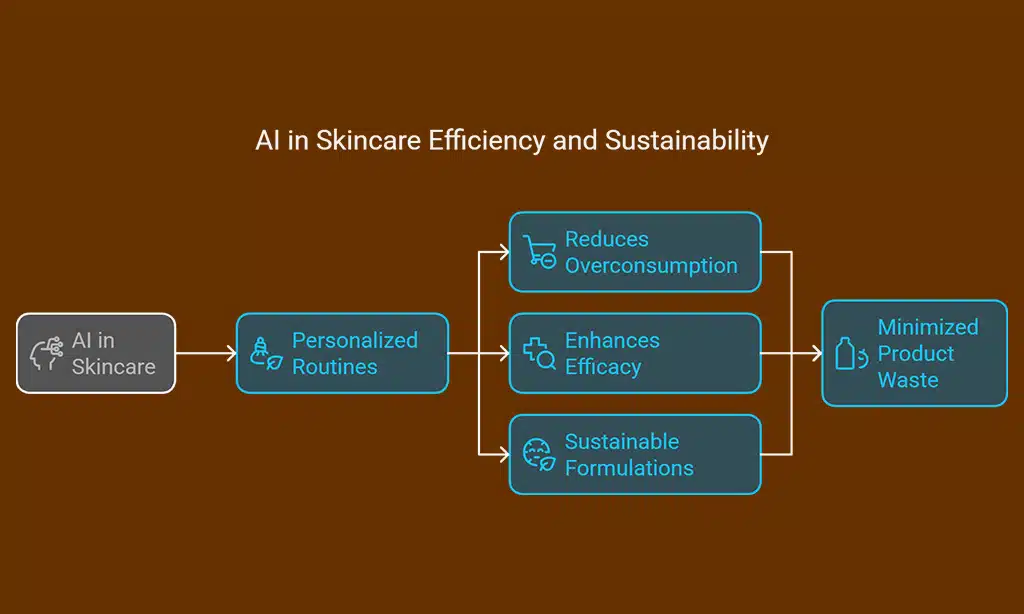
Artificial Intelligence [AI] is making skincare more efficient and sustainable by creating tailored routines that minimize product waste.
Benefits of AI in Skincare:
- Reduces Overconsumption: Personalized formulas prevent unnecessary purchases.
- Enhances Efficacy: AI analyzes skin data to recommend effective ingredients.
- Sustainable Formulations: Brands develop precise solutions, reducing trial and error.
7. Algae-Based and Plant-Derived Alternatives
Marine and plant-based ingredients are replacing synthetic compounds, offering eco-friendly alternatives with potent skincare benefits.
Popular Eco-Friendly Actives:
- Blue Algae: Rich in antioxidants and hydration.
- Hemp Extract: Anti-inflammatory and soothing properties.
- Bakuchiol: A plant-derived alternative to retinol.
How to Choose the Right Eco-Friendly Skincare Products
With so many brands marketing themselves as sustainable, it can be overwhelming to identify truly eco-friendly skincare products. Understanding key factors like ingredient sourcing, certifications, and packaging materials is essential for making informed choices. Below, we break down the crucial aspects of selecting the best sustainable beauty products.
Decoding Sustainable Beauty Labels
When shopping for skincare, look for certifications that indicate true sustainability:
- USDA Organic: Ensures no synthetic additives.
- Cruelty-Free [Leaping Bunny]: Verifies no animal testing.
- EcoCert: Confirms environmentally responsible production.
Key Ingredients to Look For
- Shea Butter: Sustainably sourced moisturizer.
- Green Tea Extract: Natural antioxidant.
- Aloe Vera: Hydrating and soothing.
Avoiding Greenwashing in Skincare
Greenwashing is when brands falsely claim sustainability. Watch out for:
- Vague Claims: “Natural” and “eco-friendly” without certifications.
- Hidden Ingredients: Harmful additives disguised under complex names.
- Excessive Packaging: Overuse of plastic despite eco-friendly labeling.
The Future of Eco-Friendly Skincare
Sustainability in beauty is only beginning. Future trends include:
- Biodegradable Sheet Masks: Single-use masks made from natural fibers.
- 3D-Printed Skincare: Customized formulas tailored to individual needs.
- Fermentation Technology: Enhancing ingredient potency while minimizing waste.
Takeaways
The future of beauty is green, and cutting-edge innovations in eco-friendly skincare are paving the way for a more sustainable industry.
From waterless formulas to AI-powered customization, these advancements ensure that skincare remains both effective and environmentally responsible. By choosing eco-friendly products, you contribute to a healthier planet while embracing high-performance beauty solutions.
Now is the time to make a conscious shift towards sustainable skincare. Explore innovative brands, read labels carefully, and support initiatives that prioritize the environment. Together, we can redefine beauty with sustainability at its core.























