


In today’s world, where environmental consciousness is on the rise, many consumers are questioning the impact of their choices. A significant area of focus is the beauty industry, particularly skincare.
With millions of products sold globally, the packaging used plays a crucial role in sustainability. So, what is the most sustainable skincare packaging? Let’s dive into the options and explore how brands and consumers can make eco-friendly choices.
The Shift Towards Sustainable Skincare Packaging
Sustainable skincare packaging refers to materials and designs that minimize environmental impact throughout their lifecycle. This includes using recyclable, biodegradable, or reusable materials, reducing packaging waste, and optimizing the manufacturing process to lower carbon emissions. As environmental awareness grows, consumers are increasingly demanding eco-friendly packaging solutions from beauty brands.
According to a study by Klarna, consumers across all generations are concerned about sustainability when purchasing beauty products. This shift in consumer behavior has prompted many skincare companies to rethink their packaging strategies and invest in more sustainable alternatives.
Most Sustainable Skincare Packaging Options
1. Glass Packaging
Glass is one of the most sustainable packaging materials for skincare products. It is infinitely recyclable without loss of quality and does not leach harmful chemicals into the environment. Glass containers also provide excellent protection for skincare formulations, maintaining product integrity and extending shelf life.
Benefits of glass packaging:
- 100% recyclable
- Inert and non-toxic
- Preserves product quality
- Reusable and refillable
Many luxury skincare brands, such as La Mer and Tata Harper, have embraced glass packaging for their products, combining sustainability with a premium aesthetic.
2. Aluminum Packaging
Aluminum is another highly sustainable packaging option for skincare products. Like glass, it is infinitely recyclable and retains its quality through multiple recycling processes. Aluminum packaging is lightweight, durable, and provides excellent protection against light and air, making it ideal for sensitive skincare formulations.
Advantages of aluminum packaging:
- Infinitely recyclable
- Lightweight and easy to transport
- Excellent barrier properties
- Energy-efficient recycling process
Brands like REN Clean Skincare have introduced aluminum packaging for their products, significantly reducing plastic waste.
3. Post-Consumer Recycled (PCR) Plastic
While plastic is generally considered less sustainable, post-consumer recycled (PCR) plastic offers a more eco-friendly alternative to virgin plastic. PCR plastic is made from previously used plastic products, reducing the demand for new plastic production and diverting waste from landfills.
Benefits of PCR plastic packaging:
- Reduces virgin plastic production
- Diverts plastic waste from landfills
- Lower carbon footprint compared to virgin plastic
- Can be recycled again after use
Many skincare brands, including Aveda and Origins, have committed to using high percentages of PCR plastic in their packaging.
4. Biodegradable and Compostable Materials
Innovative biodegradable and compostable materials are emerging as sustainable alternatives to traditional plastic packaging. These materials, often derived from plant-based sources, break down naturally in the environment without leaving harmful residues.
Examples of biodegradable packaging materials:
- PLA (Polylactic Acid) derived from cornstarch
- Sugarcane-based bioplastics
- Mushroom packaging
- Seaweed-based materials
Brands like LUSH Cosmetics have pioneered the use of biodegradable and compostable packaging for their skincare products.
5. Refillable and Reusable Packaging
Refillable and reusable packaging systems are gaining popularity as a sustainable solution to reduce single-use packaging waste. This approach encourages consumers to keep and reuse the original container, purchasing only product refills when needed.
Benefits of refillable packaging:
- Significantly reduces packaging waste
- Encourages customer loyalty
- Often more cost-effective for consumers in the long run
- Reduces carbon footprint associated with manufacturing new containers
Luxury brands like La Perla and Augustinus Bader have introduced refillable packaging for their skincare products, combining sustainability with premium aesthetics.
Comparative Analysis of Sustainable Packaging Options
To better understand the sustainability of different packaging options, let’s compare their key characteristics:
| Packaging Material | Recyclability | Biodegradability | Reusability | Carbon Footprint |
| Glass | High | No | High | Medium |
| Aluminum | High | No | High | Low |
| PCR Plastic | Medium | No | Medium | Medium |
| Biodegradable | Low | High | Low | Low |
| Refillable Systems | Varies | Varies | High | Low |
This comparison highlights that each packaging option has its strengths and limitations. The most sustainable choice may depend on factors such as product type, target market, and local recycling infrastructure.
Industry Trends and Future Outlook
The sustainable packaging market is experiencing rapid growth, driven by consumer demand and regulatory pressures. According to a report by ResearchAndMarkets.com, the global sustainable packaging market is projected to reach $391.1 billion by 2029, growing at a CAGR of 6% from 2024 to 2029.
Key trends shaping the future of sustainable skincare packaging include:
- Increased use of recycled materials
- Innovation in biodegradable and compostable materials
- Adoption of refillable and reusable packaging systems
- Integration of smart packaging technologies for improved recyclability
- Emphasis on minimalist packaging designs to reduce material use
Many beauty brands are setting ambitious sustainability goals. For example, L’Oréal Group has committed to making 100% of its plastic packaging refillable, reusable, recyclable, or compostable by 2025.
Challenges in Implementing Sustainable Packaging
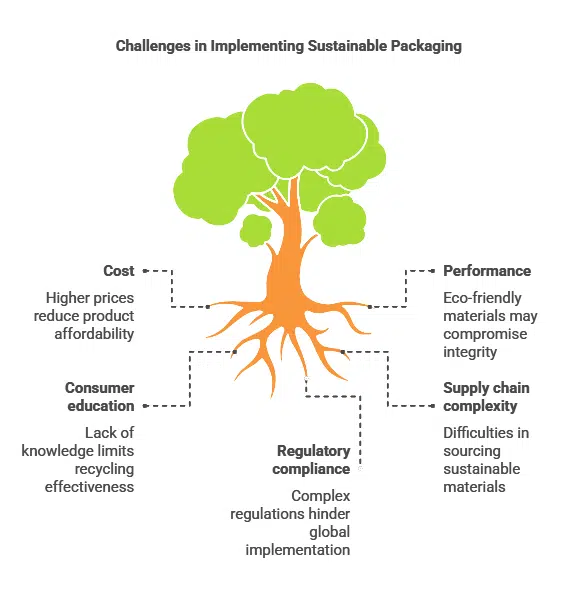
While the benefits of sustainable packaging are clear, implementing these solutions comes with several challenges:
- Cost: Sustainable materials often come at a higher price point, which can impact product affordability.
- Performance: Ensuring that eco-friendly packaging maintains product integrity and shelf life can be challenging.
- Consumer education: Educating consumers about proper recycling and disposal of sustainable packaging is crucial for maximizing environmental benefits.
- Supply chain complexity: Sourcing sustainable materials and implementing new packaging systems can require significant changes to existing supply chains.
- Regulatory compliance: Navigating varying regulations across different markets can be complex for brands implementing sustainable packaging globally.
Takeaways
To sum up, what is the most sustainable skincare packaging? It’s packaging that prioritizes the planet, from glass containers to refillable options and biodegradable materials.
Both consumers and brands must work together to make responsible choices. By opting for sustainable packaging, we not only protect the environment but also contribute to a future where beauty and sustainability coexist.





















