

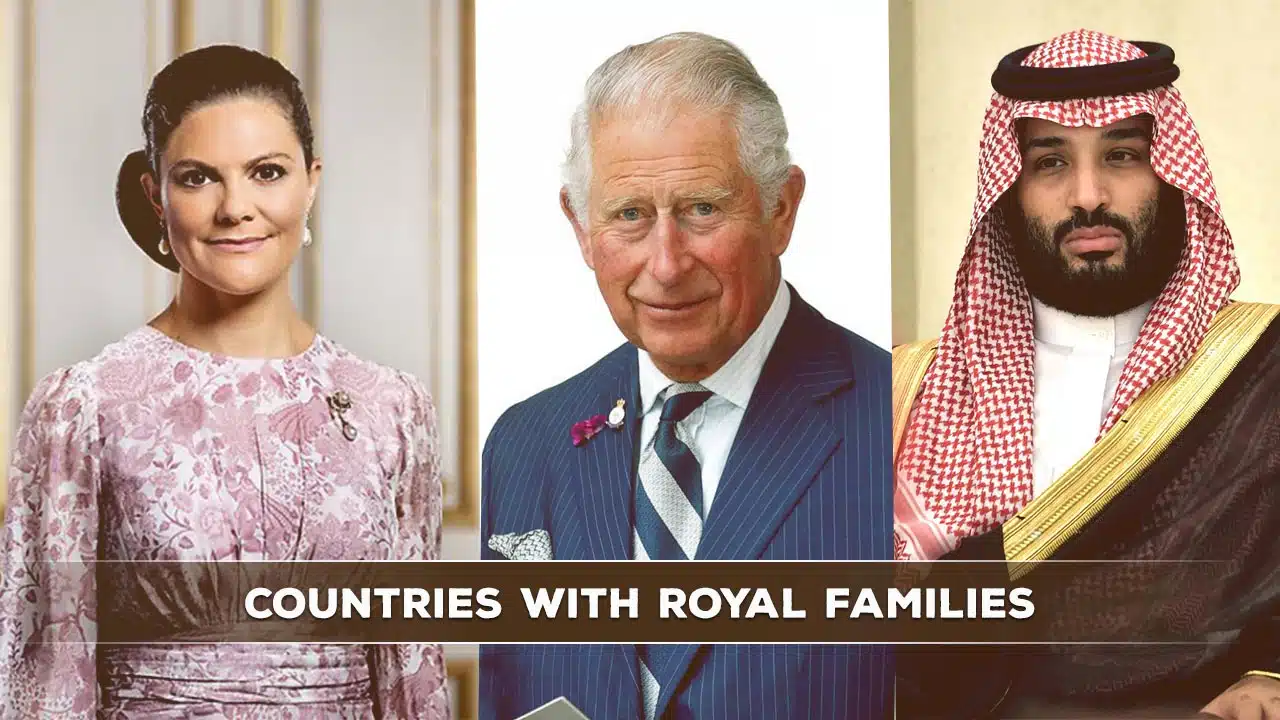
Although monarchies may appear to be a relic of the past, there are still several countries around the world where royal families play a significant role in governance or serve as symbolic heads of state. These royal families often have rich histories and continue to be an integral part of their nations’ identities. Let’s examine some of the countries where royal families still exist.
Japan: The Imperial House
The Imperial House of Japan is the oldest continuous hereditary monarchy in the world, with its origins dating back to 660 BC. The current emperor, Naruhito, ascended to the throne in 2019 after the abdication of his father, Emperor Akihito. Emperor Naruhito is married to Empress Masako, and together they have one daughter, Princess Aiko, who is the heir to the throne. Japanese society deeply respects the Japanese monarchy, viewing it as a symbol of continuity and tradition.
Sweden: The House of Bernadotte
Sweden’s royal family, known as the House of Bernadotte, has been reigning since 1818. King Carl XVI Gustaf, who has been on the throne since 1973, is the current monarch. He is married to Queen Silvia, and they have three children: Crown Princess Victoria, who is the heir to the throne, Prince Carl Philip, and Princess Madeleine. The Swedish monarchy is constitutional, meaning that the king’s powers are largely ceremonial, with the government being a parliamentary democracy.
Spain: The House of Bourbon
The Spanish royal family, the House of Bourbon, has reigned since 1700. King Felipe VI became monarch in 2014, following the abdication of his father, King Juan Carlos I. King Felipe is married to Queen Letizia, and they have two daughters, Princess Leonor, who is the heir to the throne, and Infanta Sofia. The Spanish monarchy has undergone significant changes, particularly after the country’s transition to democracy in the late 20th century.
Norway: The House of Glücksburg
Norway’s royal family, the House of Glücksburg, has been on the throne since 1905. King Harald V, who ascended to the throne in 1991, is the current monarch. He is married to Queen Sonja, and they have two children: Crown Prince Haakon, the heir to the throne, and Princess Märtha Louise. The Norwegian monarchy, like many in Europe, is constitutional, with the king serving primarily as a ceremonial figurehead.
Denmark: The House of Glücksburg
The Danish royal family, also a branch of the House of Glücksburg, has been reigning since 1863. Queen Margrethe II, who became queen in 1972, is the current monarch. She was married to Prince Henrik until his passing in 2018. Queen Margrethe has two sons: Crown Prince Frederik, the heir to the throne, and Prince Joachim. The Danish monarchy is known for its deep connection to the Danish people and its active role in cultural and charitable activities.
Netherlands: The House of Orange-Nassau
The Dutch royal family, known as the House of Orange-Nassau, has reigned since 1815. King Willem-Alexander, who ascended to the throne in 2013, is the current monarch. He is married to Queen Máxima, and they have three daughters: Princess Catharina-Amalia, the heir to the throne, Princess Alexia, and Princess Ariane. The Netherlands is a constitutional monarchy in which the king’s role is largely symbolic, and the country’s government is a parliamentary democracy.
Belgium: The House of Saxe-Coburg and Gotha
The Belgian royal family, known as the House of Saxe-Coburg and Gotha, has reigned since 1831. King Philippe, who ascended to the throne in 2013, is the current monarch. He is married to Queen Mathilde, and they have four children: Princess Elisabeth, the heir to the throne; Prince Gabriel; Prince Emmanuel; and Princess Eléonore. The Belgian monarchy plays a unifying role in a country known for its linguistic and regional divisions.
Luxembourg: The House of Nassau-Weilburg
Luxembourg’s royal family, the House of Nassau-Weilburg, has been on the throne since 1890. Grand Duke Henri, who became the monarch in 2000, is the current head of state. He is married to Grand Duchess Maria Teresa, and they have five children: hereditary Grand Duke Guillaume, the heir to the throne; Prince Félix; Prince Louis; Princess Alexandra; and Prince Sébastien. The Luxembourgish monarchy is constitutional, with the Grand Duke’s role being largely ceremonial.
Monaco: The House of Grimaldi
The Monegasque royal family, known as the House of Grimaldi, has been ruling since 1297, making it one of the oldest royal families in Europe. Prince Albert II is the current monarch, having ascended to the throne in 2005. He is married to Princess Charlene, and they have two children: hereditary Prince Jacques, the heir to the throne, and Princess Gabriella. The Principality of Monaco is a sovereign city-state, and the royal family plays a prominent role in its governance and international relations.
United Kingdom: The House of Windsor
The British royal family, known as the House of Windsor, has been on the throne since 1917. King Charles III became the monarch following the death of his mother, Queen Elizabeth II, in 2022. He is married to Camilla, Queen Consort. King Charles has two sons from his first marriage to Princess Diana: Prince William, Duke of Cambridge, who is the heir to the throne, and Prince Harry, Duke of Sussex. The British monarchy is one of the world’s most well-known and plays a significant ceremonial and symbolic role in the United Kingdom and the Commonwealth.
Saudi Arabia: The House of Saud
The Saudi royal family, also known as the House of Saud, has ruled since the early 20th century, having controlled much of the Arabian Peninsula for centuries before that. The current ruler is King Salman, who has been on the throne since 2015. The House of Saud governs Saudi Arabia as an absolute monarchy, with significant political, religious, and economic influence in the region.
Conclusion
Royal families may seem like a relic of the past, but they remain an important part of the identity and governance of many countries. Whether they serve as ceremonial figureheads or wield significant power, these royal families continue to shape the history and culture of their nations. The modern world may be ever-changing, but the traditions and legacies of these monarchies endure, offering a fascinating glimpse into the past and a continuous link to the future.

























