Cold and flu season can be a challenging time for parents aiming to keep their children healthy. During the fall and winter months, viruses become more prevalent, leading to an increased risk of illness in children, especially those in close-contact environments like schools and daycare.
While it may seem difficult to prevent every possible cold or flu, there are effective strategies parents can use to bolster their children’s immune systems and create a healthier environment.
In this article, we’ll explore eight practical ways to keep your child healthy during cold and flu season, including hygiene tips, nutrition, rest, and more. These strategies can reduce illness and make the season easier for you and your child.
1. Emphasize Regular Handwashing
Handwashing is one of the simplest yet most effective ways to prevent the spread of germs. Teaching your child the correct way to wash their hands and encouraging frequent handwashing can significantly reduce their risk of catching or spreading germs.
How to Teach Proper Handwashing:
- Use Warm Water and Soap: Show your child how to use warm water and a good amount of soap to create a lather.
- Scrub for 20 Seconds: A good guideline for kids is to sing “Happy Birthday” twice while scrubbing their hands, which equals about 20 seconds.
- Clean Between Fingers and Under Nails: Demonstrate how to scrub between their fingers, around their thumbs, and under their nails.
- Dry with a Clean Towel: Encourage them to dry their hands thoroughly to remove any residual germs.
2. Ensure Adequate Sleep
A strong immune system relies on sufficient rest, making sleep essential during the cold and flu seasons. Lack of sleep can weaken the immune response, making children more susceptible to illnesses.
Sleep Recommendations by Age
The National Sleep Foundation recommends the following sleep duration based on age:
| Age Group | Recommended Sleep Duration |
|---|---|
| Toddlers (1-2 years) | 11-14 hours per day |
| Preschoolers (3-5 years) | 10-13 hours per day |
| School-aged (6-13 years) | 9-11 hours per day |
| Teens (14-17 years) | 8-10 hours per day |
Make sleep a priority by setting a consistent bedtime routine, keeping electronics out of the bedroom, and creating a calming environment conducive to rest.
3. Focus on a Nutrient-Rich Diet
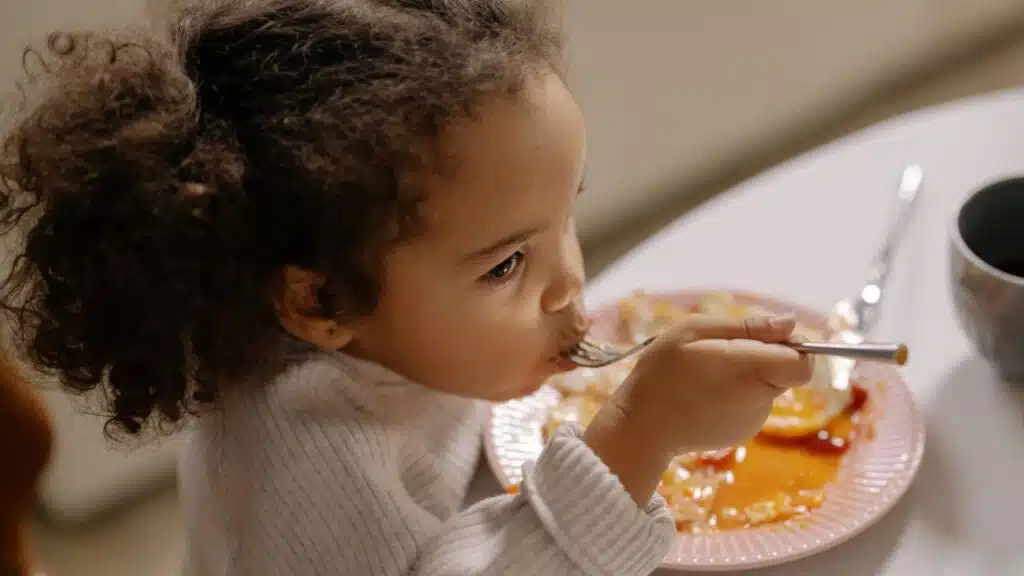
A balanced diet packed with essential vitamins and minerals is crucial for building a resilient immune system. Encourage your child to eat a variety of foods to ensure they receive a wide range of nutrients.
Key Nutrients for Immune Health
- Vitamin C: Found in citrus fruits, strawberries, and bell peppers, vitamin C is a potent antioxidant that helps protect cells from damage and promotes immune function.
- Vitamin D: Available in fortified dairy products and fatty fish, vitamin D plays a role in immune regulation and can reduce susceptibility to respiratory infections.
- Zinc: Found in lean meats, nuts, and whole grains, zinc is essential for immune cell function.
Practical Tips for Parents
- Include a variety of colorful fruits and vegetables in each meal.
- Incorporate immune-boosting foods, such as yogurt with probiotics, which help maintain a healthy gut.
- Limit processed foods and sugary snacks, which can negatively impact immune function.
4. Keep Your Child Hydrated
Proper hydration is essential for maintaining bodily functions, including immune responses. Dehydration makes children more prone to fatigue and a weakened immune response, thereby increasing their susceptibility to infections.
How Much Water Do Kids Need?
The general recommendations for water intake are listed below:
| Age Group | Daily Water Intake |
|---|---|
| 1-3 years | 4 cups |
| 4-8 years | 5 cups |
| 9-13 years | 7-8 cups |
| 14-18 years | 8-11 cups |
Encourage your child to drink water consistently throughout the day, especially if they are active or spending time outdoors. You can also provide them with water-rich foods, like watermelon and cucumber, to aid hydration.
5. Encourage Physical Activity
Exercise can boost the immune system and promote general well-being. Physical activity helps circulate immune cells and reduce stress, which can make the body more resistant to infection.
Physical Activity Recommendations
The CDC recommends the following activity levels for children:
| Age Group | Physical Activity Recommended |
|---|---|
| 3-5 years | Active play throughout the day |
| 6-17 years | 60 minutes of moderate to vigorous activity per day |
Incorporate family activities like walking, biking, or playing outdoors. Physical activity should be relaxing and enjoyable, helping kids build a positive association with staying active.
6. Maintain a Clean Environment
Keeping your home clean can reduce the spread of germs. Cold and flu viruses can live on surfaces for hours, so regularly disinfecting high-touch areas can help minimize your child’s exposure to pathogens.
High-Touch Surfaces to Focus On
- Doorknobs and Handles: These are some of the most touched surfaces in any household.
- Electronics: Clean tablets, phones, and remote controls, as these can harbor germs.
- Kitchen and Bathroom Surfaces: Regularly disinfect countertops, sinks, and faucets.
Using child-safe cleaning solutions or natural disinfectants, like diluted vinegar, can be effective without exposing your child to harsh chemicals.
7. Educate About Respiratory Etiquette

Teaching children how to cover their mouths and noses when they sneeze or cough helps prevent the spread of respiratory droplets, which are primary carriers of cold and flu viruses.
Tips for Proper Respiratory Etiquette
- Use Elbows or Tissues: Teach children to cover their mouths with their elbows instead of their hands.
- Dispose of Tissues Immediately: Encourage them to dispose of tissues right away and wash their hands afterward.
- Avoid Touching Face: Remind children to avoid touching their face, especially the eyes, nose, and mouth, as this can introduce viruses into their body.
8. Consider Seasonal Flu Vaccination
The flu vaccine is a proven preventive measure that can reduce the risk of severe flu symptoms. The CDC recommends annual vaccination for children over six months of age.
Benefits of Flu Vaccination
- This reduces the severity of flu symptoms if the child becomes infected.
- The community’s vulnerable groups, including elderly family members and immunocompromised individuals, are safeguarded.
- It helps prevent missed school days and keeps children more engaged in their daily activities.
Conclusion
Keeping children healthy during cold and flu season requires a proactive approach that includes hygiene, nutrition, rest, and preventive measures like vaccination. While it may not be possible to avoid every illness, these strategies can greatly reduce the risk and provide a foundation for lifelong healthy habits. As parents, incorporating these eight tips into your routine can help your child navigate the cold and flu season with a stronger immune system and better overall health.