

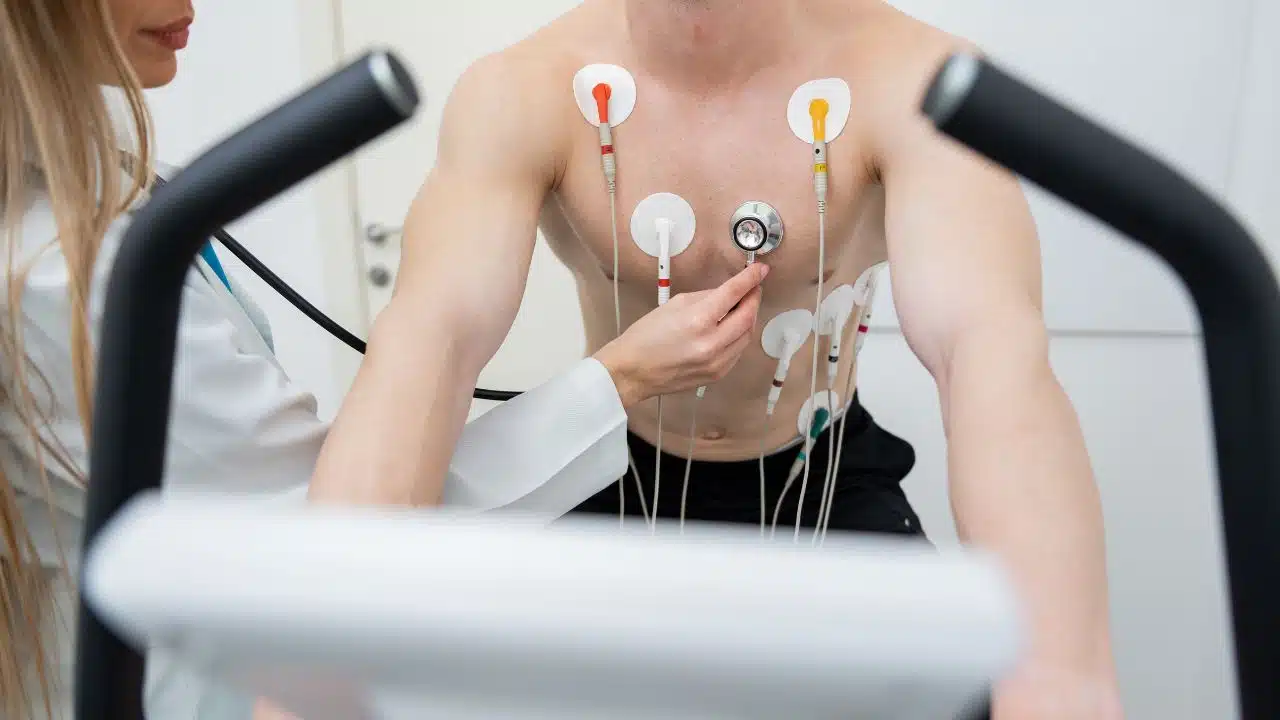
Japan’s cardiac marker test market is projected to grow significantly over the next decade, with its value expected to reach $19 million by 2036, according to a recent analysis by GlobalData, a leading data and analytics firm specializing in medical devices and healthcare insights.
This projection comes at a time when the country is playing a pivotal role in the Asia-Pacific (APAC) region’s healthcare diagnostics industry, driven largely by its ageing population, high-quality healthcare infrastructure, and rising demand for non-invasive diagnostic tools.
Japan Commands 20% of the APAC Market Share in 2024
As of 2024, Japan is reported to account for approximately 20% of the total cardiac marker test market in the Asia-Pacific region. This notable share highlights Japan’s influential position in the sector, especially as demand grows for accurate, early, and minimally invasive methods to detect cardiovascular diseases. The APAC region itself is experiencing exponential growth in this space, primarily due to increasing awareness, healthcare investment, and a steady rise in heart-related illnesses.
What Are Cardiac Marker Tests and Why Are They Important?

Cardiac marker tests are laboratory blood tests used to detect and measure specific proteins, enzymes, or molecules released into the blood when the heart is damaged or stressed. These tests play a critical role in diagnosing conditions such as:
- Heart attacks (myocardial infarction)
- Acute coronary syndrome (ACS)
- Congestive heart failure
- Myocarditis and pericarditis
The most commonly tested markers include troponin, creatine kinase-MB (CK-MB), myoglobin, B-type natriuretic peptide (BNP), and high-sensitivity C-reactive protein (hs-CRP). These markers help physicians evaluate the extent of heart damage, guide treatment decisions, and monitor patient recovery.
In recent years, cardiac biomarker testing has evolved beyond just hospital labs. Point-of-care (POC) testing devices, which can deliver results within minutes, are increasingly being used in emergency rooms, clinics, ambulances, and even home settings.
Ageing Population Driving Market Growth in Japan
Japan has one of the fastest-ageing populations in the world, with nearly 30% of its citizens aged 65 or older. With advancing age, the risk of heart disease, strokes, and other cardiovascular conditions naturally increases. This demographic trend is creating a higher demand for early detection tools like cardiac marker tests that can identify at-risk individuals before symptoms become severe.
Early diagnosis is especially important in older adults, who may not always exhibit typical symptoms of a heart attack or heart failure. In such cases, biomarker-based testing becomes a crucial tool in providing timely and appropriate treatment, ultimately reducing hospitalizations and improving outcomes.
Japan’s Strong Healthcare Infrastructure as a Growth Catalyst
In addition to its ageing population, Japan’s world-renowned healthcare system is another major driver of growth in the cardiac diagnostics market. The country boasts universal healthcare coverage, a high concentration of advanced medical centers, and wide adoption of diagnostic technologies.
Hospitals and clinics across Japan are increasingly equipped with automated analyzers, AI-integrated diagnostic platforms, and rapid test kits, making cardiac marker testing more accessible and efficient. Moreover, government funding and private sector investments in digital health and diagnostics are supporting the expansion of this market.
Data-Driven Medicine: A Shift Toward Predictive and Preventive Cardiology

Traditionally, heart disease detection relied heavily on physical symptoms such as chest pain, shortness of breath, and ECG abnormalities. These methods, while effective, are often reactive and may miss subtle or early signs of cardiovascular distress—especially in asymptomatic individuals.
However, with the advent of AI-powered diagnostic platforms, the paradigm is shifting toward predictive and preventive cardiology. These platforms analyze multi-omic data (including genomics, proteomics, and metabolomics) in real-time, providing deeper insight into a patient’s cardiovascular health profile.
According to Divya Soni, a medical devices analyst at GlobalData,
“An AI-powered platform can fill this gap through non-invasive, multi-omic tests that enhance clinical decision-making while reducing reliance on invasive procedures.”
This approach not only improves diagnostic accuracy but also empowers physicians to customize treatment plans based on a patient’s unique biological makeup—an approach known as personalized medicine.
The Growing Role of Non-Invasive and Multi-Omic Tests
The shift toward non-invasive diagnostics is being driven by both patient preference and clinical efficiency. Cardiac marker tests that use blood samples or even alternative fluids like saliva or urine are less risky, more comfortable for patients, and can be repeated as needed.
Furthermore, combining biomarker testing with multi-omics data allows clinicians to capture early biological signals that may precede clinical symptoms. For instance, specific genetic markers may indicate a person’s predisposition to heart disease even before conventional risk factors emerge.
This multi-omic approach is especially valuable in Japan, where the healthcare system prioritizes early diagnosis, preventive care, and health monitoring, particularly among the elderly population.
Global and Regional Market Trends
Global Market Outlook
The global cardiac marker testing market is experiencing steady growth. It was valued at around $4.4 billion in 2023, and forecasts estimate it could reach $6.9 billion by 2028, growing at a CAGR of 9–11%, according to Markets and Markets.
Asia-Pacific Momentum
The APAC region, led by countries like Japan, China, India, and Australia, is expected to see one of the fastest growth rates in this sector. The regional market is anticipated to surpass $1.3 billion by 2033, fueled by increasing healthcare investments, rising incidence of heart disease, and growing awareness among healthcare providers and the public.
Japan’s Future Position
Given its current 20% share of the regional market and favorable conditions, Japan is likely to maintain or even expand its dominance in the APAC cardiac diagnostics landscape. The nation’s focus on innovation, preventive care, and elder health positions it as a front-runner in adopting new technologies and setting clinical standards.
Leading Companies in the Japanese Cardiac Marker Space
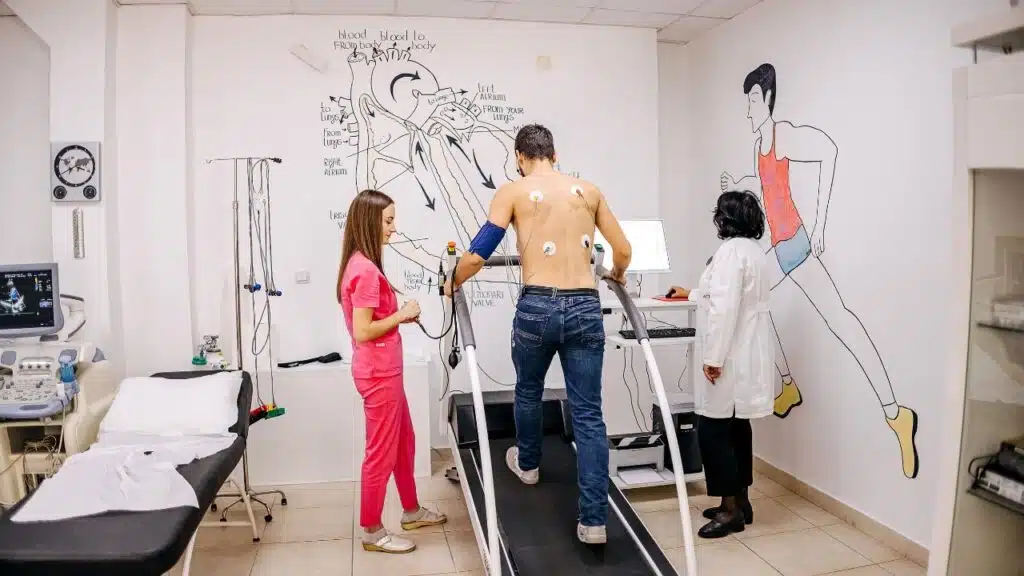
Several major companies are currently active in Japan’s cardiac diagnostics market, offering a wide range of products and services. These include:
- Abbott Laboratories – Offers point-of-care and lab-based cardiac marker test kits.
- Roche Diagnostics – Known for high-sensitivity troponin tests and automated systems.
- Siemens Healthineers – Focuses on laboratory automation and integrated testing platforms.
- Danaher (Beckman Coulter) – Provides biomarker panels and digital diagnostic tools.
- Toshiba Medical Systems – A domestic player investing in medical diagnostics technology.
These companies are also investing in R&D, clinical trials, and regulatory compliance to bring next-generation testing solutions to market in Japan and beyond.
Challenges Ahead
Despite the positive outlook, the market faces a few challenges:
- Regulatory Complexity: Japan’s healthcare system is highly regulated, and introducing new diagnostic products often requires extensive testing, documentation, and approval through the Pharmaceuticals and Medical Devices Agency (PMDA).
- Cost and Reimbursement: While the tests are becoming more affordable, reimbursement policies can vary and may limit widespread adoption, especially for newer technologies not yet covered by public health insurance.
- Technical Barriers: Ensuring the accuracy and reliability of biomarker tests across different settings—hospitals, clinics, and homes—requires robust validation and training protocols.
The Road Ahead
As Japan moves toward 2036, its cardiac marker test market is poised for transformative growth. The combination of demographic shifts, advanced healthcare infrastructure, and commitment to innovation is creating a fertile environment for non-invasive, AI-driven cardiac diagnostics.
This growth is expected to result in:
- Faster diagnosis and treatment of heart disease
- Reduced healthcare costs through early intervention
- Improved quality of life for elderly and at-risk patients
- Greater access to predictive and personalized medicine
With a projected market value of $19 million by 2036, Japan is not just keeping pace with global trends—it’s helping shape the future of cardiovascular care in Asia and beyond.






















