

Storms come fast and strong, knocking on our doors with thunder, high winds, and heavy rain. If you have solar panels, you might worry every time dark clouds gather. Can your solar power setup handle a wild hurricane or hailstorm? Will it last through a tropical storm or crazy wind gusts?
You may find it surprising, but some solar panels can stand up to category 4 hurricanes. That’s about 160 miles per hour of wind! They are built tough for places like Florida where weather conditions get pretty rough.
This blog will walk you through six facts that can help put your mind at ease. You’ll learn how these clean energy tools hold up against snowfalls, hail damage from hailstones the size of golf balls, and even what happens after a natural disaster hits.
Curious if those shiny panels on your roof are as sturdy as they look? Keep reading—you’re about to find out!
Key Takeaways
- Most modern solar panels can handle strong storms. They survive winds up to 160 mph, which is equal to category 4 hurricanes in places like Florida (National Renewable Energy Laboratory, NREL).
- Less than 0.1% of over 50,000 tested solar panels suffered hail damage during major storms, according to NREL research and real-world events like Hurricane Maria in Puerto Rico (2017).
- Solar panels are built with tough glass and metal frames. They use waterproof seals that protect against heavy rain, snow, and ice buildup if installed well.
- Homeowner’s insurance may cover storm damage for solar panels. But most manufacturer warranties do not pay for wind or hail damages—always check your policy before a storm hits.
- If a storm damages your solar system: inspect it right away; take photos; contact your installer or insurance; and do not turn the power on until an expert checks the system for safety.
How Solar Panels Handle High Winds
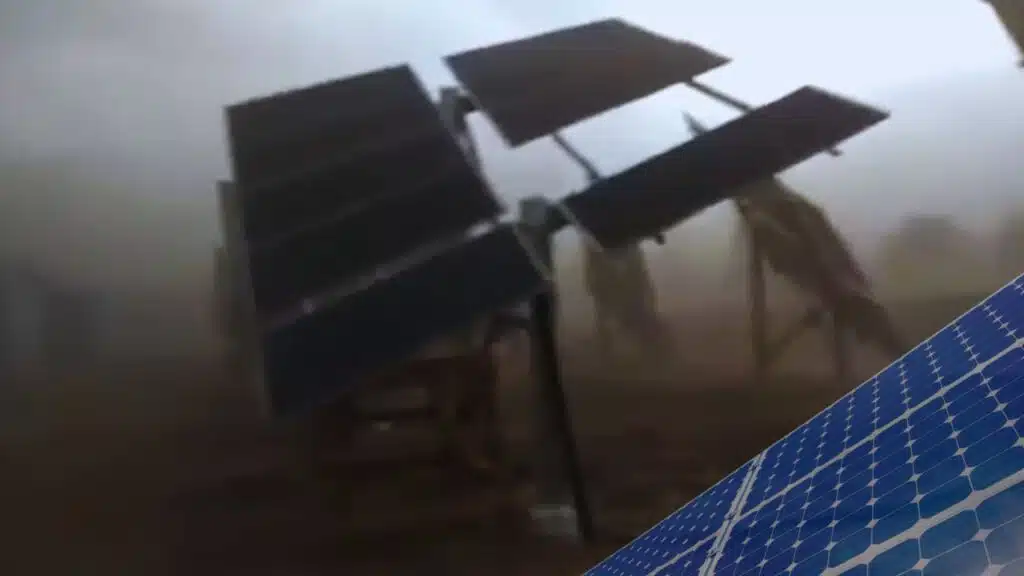
Solar panels stand tough during extreme weather, like category 4 hurricanes and tropical storms. Some are built to battle wind speeds up to 160 miles per hour, meeting strict Florida building codes for hurricane zones.
Strong metal frames and reinforced glass protect the solar cells from wind damage. Installers use secure racks that bolt panels tight to roofs or ground mounts so they do not fly off in high winds.
National Renewable Energy Laboratory (NREL) research shows most modern solar energy systems handle severe weather better than you might think. After Hurricane Maria walloped Puerto Rico in 2017, many rooftop solar panels kept working while the grid was down.
Careful installation, regular maintenance, and improved engineering give these systems a fighting chance against wild winds—even EF1 tornadoes cannot always rip them away. Homeowners with off-grid setups or backup batteries can keep those lights glowing even when storms knock out power elsewhere.
Solar Panels and Hailstorms
Hail damage worries many people who use solar energy systems, especially in areas with wild weather like Texas or Colorado. Big hail storms can bring down hail stones the size of golf balls, but most rooftop panels can handle it.
Companies test panels by smashing them with ice balls at speeds near 50 mph to check for cracks. That’s no small feat if you think about Category 4 hurricane winds reaching up to 160 mph in Florida! Over the years, better materials and tough glass have made solar panel durability rise even further.
The National Renewable Energy Laboratory (NREL) studied real-world cases from severe thunderstorms. Their research showed that less than 0.1% of over 50,000 tested panels suffered from hail damage after extreme weather events.
You don’t need a white lab coat or a lightning conductor to see these results—modern waterproof solar panels are built strong enough for almost any storm Mother Nature cooks up. Even ground-mounted solar electric systems hold their own against heavy rain and sleet thanks to sturdy frames and careful installation following local building codes like those in Florida.
Just because your car might get dented during a la Niña event doesn’t mean your sustainable energy investment will crack under pressure!
Effects of Heavy Rain, Snow, and Ice on Solar Panels
Heavy rain slips off most solar panels with ease, like water sliding down a duck’s back. These panels have waterproof seals and glass rated by Underwriters Laboratories to prevent leaks even in wild tropical storms or an Atlantic hurricane.
Snow piles up at times, but the dark surface of each panel soaks up sunlight and melts it faster than a metal rooftop might. In deep winter, a thick layer of snow may block light for a day or two; still, rooftop systems usually bounce right back once the sun peeks out.
Ice is trickier. Frozen buildup adds weight, but strong mounting brackets keep things steady on both ground-mounted solar arrays and homes built following Florida building codes meant for hurricanes.
As sleet slides away or ice breaks off under bright sun, your solar energy system stays safe. National Renewable Energy Laboratory tests show these clever devices rarely take damage during severe weather if installed well.
With proper installation and routine checks by licensed experts, you don’t need to panic about heavy rain or snows stopping power from those shiny panels overhead.
What to Do if Your Solar Panels Are Damaged After a Storm
Storms can be tough on solar panels. If yours get damaged, take action to fix them.
- Inspect the damage right away. Check for cracks, dents, or loose connections on your solar panels. Look at the wiring as well.
- Document everything with pictures. Take clear photos of any damage you see. This will help if you file a claim later.
- Contact your installer or maintenance team. They know how to handle repairs and can offer expert help with any issues.
- Reach out to your insurance company. Many homeowner’s insurance policies cover storm damage to solar panels, but it’s best to check your policy details.
- Consider filing a warranty claim if applicable. Some warranties cover storm damage, so review the terms of your solar panel warranty carefully.
- Ensure that your system is safe before using it again. If anything looks wrong after the storm, do not use the system until it is checked by a professional.
- Keep up regular maintenance checks in the future. Preventive measures can help protect your solar energy systems from extreme weather down the road.
- Monitor weather conditions closely during storms to stay prepared and informed about potential problems ahead of time.
Do Solar Panel Warranties Cover Storm Damage?
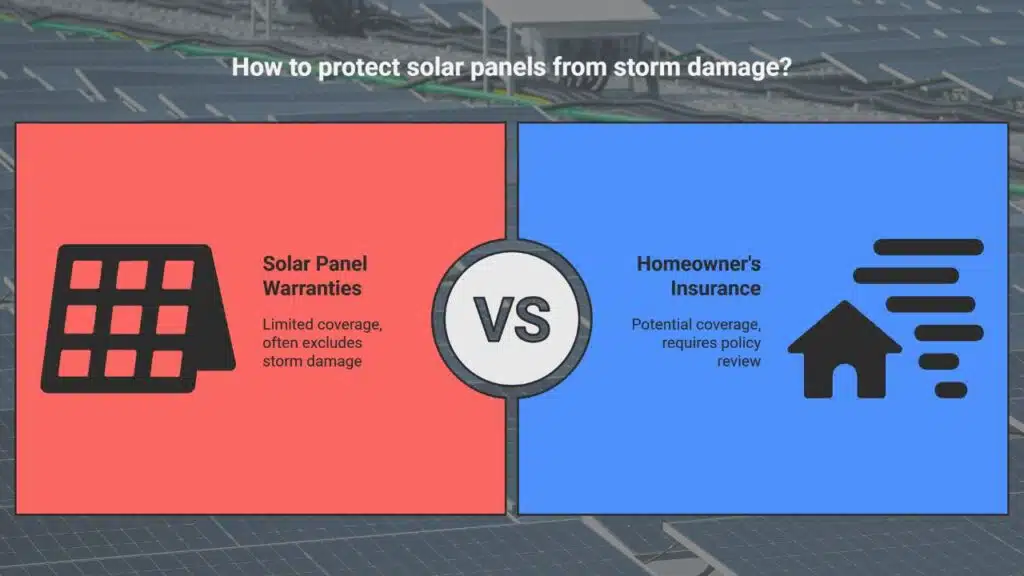
Solar panel warranties often do not cover storm damage. Many homeowners think their insurance will protect them. But wind and hail damage may fall through the cracks of coverage. Solar panels are built to last, surviving winds up to 160 mph in hurricane zones.
Yet, this does not mean all damages are covered.
Choosing strong and weather-resistant solar panels is smart. It may save you money on repairs after a storm hits. Homeowner’s insurance can help with some costs, but it’s wise to read the fine print first.
Always check what your policy covers before extreme weather strikes your home or your solar energy systems!
Takeaways
Storms can’t easily bring solar panels down. They are built to handle strong winds and heavy rain. Many can take on winds of up to 160 mph! With the right setup and good care, they remain resilient during rough weather.
Damage may still happen, but most panels keep working even in bad storms. Homeowners should check their insurance for coverage on storm damage too. In summary, these green energy systems stand strong against nature’s fury while helping us save money and energy!
FAQs
1. Can solar panels handle a hurricane or strong storm?
Most solar energy systems are built tough, but not all storms play fair. Ground-mounted solar panels and rooftop ones can both take on high winds and even category 4 hurricanes if installed right, especially in places like Florida with strict building codes. Still, some wind damage happens during extreme weather.
2. Will hail destroy my solar panels?
Solar panel durability is pretty impressive when it comes to hail damage. The glass is thick and tested for rough weather like what you get in a tropical storm or severe heat wave. That said, really big hailstones can sometimes crack them, just as they would your car’s windshield.
3. What about lightning strikes? Do I need extra protection for my system?
Lightning bolts don’t usually target solar panels first; still, a good lightning protection system matters if you want peace of mind during wild summer storms. Homeowner’s insurance often covers rare direct hits from lightning strikes.
4. Are waterproof solar panels real? Can water mess up the wiring?
Yes, most modern renewable energy systems use waterproof designs so rainwater won’t fry anything inside the panel itself—even after days of downpour or flooding from something as nasty as Hurricane Florence.
5. Does home insurance cover storm damage to my off grid setup?
Home insurance will often help pay for repairs if your sustainable energy gear gets wrecked by wind speeds or flying debris in a category 4 storm—just check your policy before the next round of bad weather rolls in!





















