

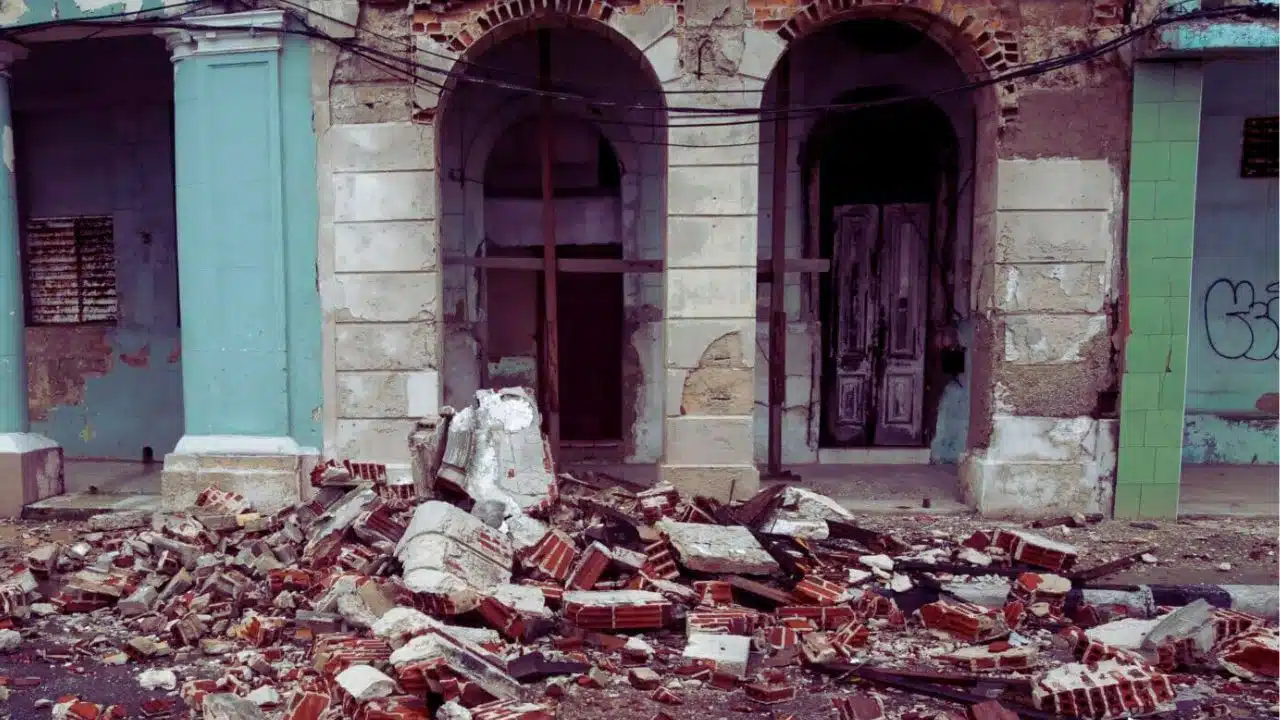
On Sunday, November 10, 2024, a powerful 6.8-magnitude earthquake shook eastern Cuba, intensifying the difficulties facing the island. The U.S. Geological Survey (USGS) pinpointed the earthquake’s epicenter roughly 25 miles (40 kilometers) south of the town of Bartolomé Masó in Granma Province. The tremor could be felt across a large swath of the island, from smaller towns to the bustling city of Santiago de Cuba, as well as in Holguín and Guantánamo. Tremors were even reported across the water in Jamaica, underscoring the quake’s strength.
The earthquake, which occurred at a depth of approximately 10 kilometers, caused significant alarm but no immediate reports of major injuries or large-scale destruction in Cuba. However, the situation remains fluid, as authorities are still assessing the impact, and with a series of smaller aftershocks, some residents are anxious about potential further damage.
Eastern Cuba Shaken: Residents React to Earthquake
The quake came as a shock to residents, who have been grappling with recent natural disasters. In Santiago de Cuba, the second-largest city on the island and an area close to the quake’s epicenter, people rushed outside in fear as buildings and walls shook. Yolanda Tabío, a 76-year-old resident of Santiago, described the frightening experience. “You had to see how everything was moving,” she said. “The walls, everything was in motion.” She noted that many people were hesitant to go back indoors, choosing instead to remain outside or sit in their doorways.
Local reports indicate that some residents experienced more than one aftershock following the main quake. The recurring tremors have heightened anxiety among Cubans, many of whom were already weary from recent hurricanes and widespread power outages.
Structural Impact: Reports of Minor Damages
While initial reports indicate no immediate large-scale damage, residents in smaller towns, such as Pilón, shared images on social media showing minor structural issues, including cracked walls and crumbling rooftops. Buildings in Cuba, especially in rural areas, tend to be older and often lack the infrastructure to withstand significant seismic events, increasing their vulnerability to such natural disasters. Pilón residents posted images showing cracked plaster and small chunks of masonry that had fallen from roofs and walls—symptoms of an infrastructure already strained by years of neglect and recent storms.
After Hurricane Rafael: Cuba’s Recent Struggles with Natural Disasters
The earthquake strikes at a particularly difficult time for Cuba, which has been grappling with a series of natural disasters and infrastructure challenges. On Wednesday, November 6, Category 3 Hurricane Rafael tore through western Cuba, bringing destructive winds and torrential rains that led to island-wide power outages. Winds from the hurricane damaged hundreds of homes, felled trees, and destroyed power lines, affecting virtually every province on the island. Hundreds of thousands of residents were forced to evacuate, and widespread flooding impacted communities, farms, and roadways.
In the wake of Hurricane Rafael, much of Cuba’s population was still dealing with power shortages and outages when the earthquake hit. This compounded an already challenging situation, as residents and officials struggled to repair damaged homes and infrastructure. In many places, full power restoration had not yet been achieved, leaving communities in a precarious state as the earthquake further tested the resilience of their buildings and the responsiveness of emergency services.
Cumulative Challenges: Blackouts, Protests, and Growing Public Frustration
Before the hurricane, Cuba had been experiencing an energy crisis, which had already resulted in regular power outages. In October, the island experienced one of its most severe blackouts, which extended across the entire country for days. This prolonged energy failure, largely attributed to issues with the country’s aging energy infrastructure, left many communities in the dark and increased public frustration. Just as Cuba was beginning to recover from these outages, another powerful hurricane struck the eastern part of the island, claiming the lives of at least six people and causing widespread destruction.
This string of blackouts, combined with hurricane damage, has fueled discontent among Cubans who are frustrated with the government’s inability to address the ongoing crises. Small protests have broken out in several cities, with residents expressing their grievances over the lack of reliable electricity, essential services, and timely disaster response. As Cuba continues to grapple with these overlapping crises, the added strain of an earthquake has raised concerns about the government’s capacity to meet the immediate needs of its citizens and to provide long-term solutions to ongoing infrastructure problems.
The Social and Economic Impact of Repeated Disasters
The ongoing crises in Cuba are having a severe social and economic impact. Hurricane Rafael alone caused significant damage to homes, farms, and businesses, further destabilizing a nation already dealing with resource shortages and an economic crisis. Rebuilding from these cumulative disasters will require substantial investment and resources. Many Cuban families are struggling with the high cost of food, limited access to essentials, and a lack of job opportunities, especially in the rural areas hardest hit by the quake and recent storms.
For a nation already grappling with a shortage of resources and economic sanctions, these events are making daily life increasingly difficult. The earthquake, on top of hurricanes and blackouts, has created a perfect storm of challenges for the Cuban government and its citizens, and the road to recovery appears long and difficult.
Hope and Resilience Amid the Struggles
Despite the challenges, Cubans are known for their resilience and resourcefulness in the face of hardship. Community members in Santiago, Pilón, and other affected areas have come together to support one another, sharing supplies and offering help where needed. Many have taken to social media to share information, document the impact, and express their frustrations in hopes of drawing attention to their plight.
However, the need for immediate assistance is clear. International aid could prove invaluable in supporting recovery efforts, whether through disaster relief supplies, rebuilding support, or economic assistance to help Cuba address its broader infrastructure issues. The sequence of natural disasters underscores the vulnerability of Caribbean islands like Cuba to the growing threat of climate-related events, which are expected to increase in frequency and intensity in the coming years.
A Long Path to Recovery
Cuba faces a challenging path forward, as it must address not only the immediate aftermath of these events but also the underlying issues that have left the country so vulnerable to disaster. The country’s infrastructure, much of which dates back several decades, requires urgent investment and modernization to withstand future natural disasters. Energy reform is also a pressing issue, as reliable power is crucial for both economic stability and public welfare.
The recent earthquake, hurricanes, and energy crisis highlight Cuba’s need for structural improvements, resource allocation, and stronger disaster response systems. Recovery will likely be a slow process, but the determination of the Cuban people and the support of international allies may offer a way forward.






















