


Buying property in Italy is a dream cherished by many. The country’s breathtaking landscapes, rich historical heritage, and vibrant culture make it an irresistible destination for property buyers worldwide. Whether you’re imagining life in a rustic villa nestled in Tuscany’s rolling hills, a charming seaside retreat on the Amalfi Coast, or a modern apartment in Rome’s bustling heart, Italy offers an abundance of options.
However, purchasing property in a foreign country can be a complex endeavor. From understanding market trends and legal requirements to navigating cultural nuances and financing, there’s a lot to consider. This comprehensive guide will walk you through everything you need to know about buying property in Italy, ensuring your journey is as smooth and rewarding as possible.
Top 10 Tips for Buying Property in Italy
1. Understand the Italian Property Market
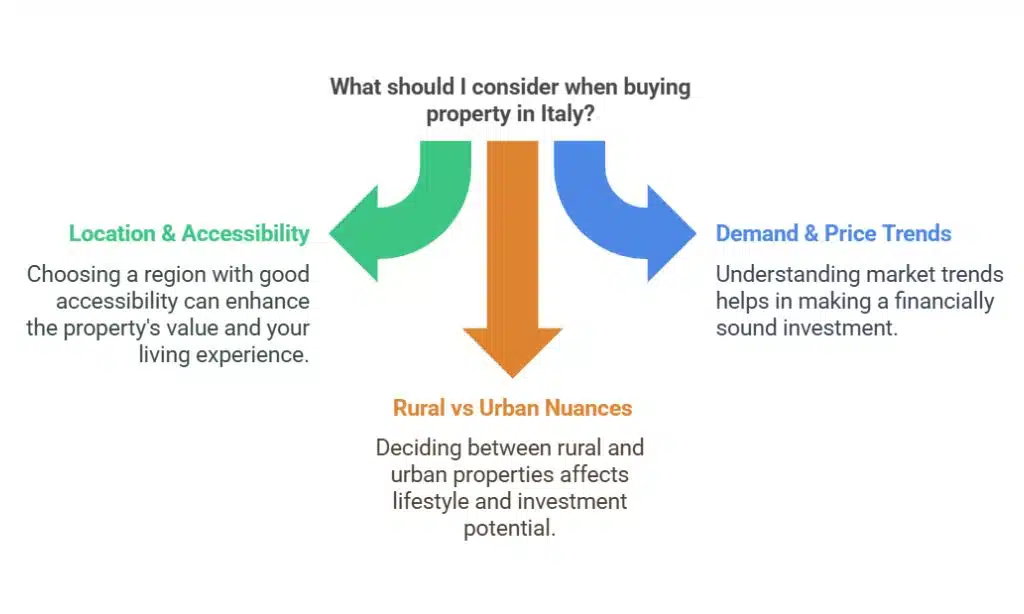
The Italian property market in 2025 offers a variety of opportunities for buyers. Popular regions like Tuscany, the Amalfi Coast, and Sicily remain highly sought after, while lesser-known areas provide more affordable options.
Key Factors to Consider:
- Location and accessibility.
- Property demand and price trends.
- Market nuances between rural and urban areas.
Research thoroughly to identify regions that align with your budget and lifestyle.
2. Know the Types of Properties Available
Italy boasts a wide range of property types, from historic villas to modern apartments.
Common Options:
- Villas: Ideal for those seeking luxury and privacy.
- Apartments: Perfect for city living.
- Country homes: Great for a rustic, tranquil lifestyle.
- Townhouses: A mix of tradition and modernity.
Choose a property that suits your needs, keeping in mind factors like upkeep and location.
3. Research Local Laws and Regulations
Italy has specific regulations for foreign buyers. Fortunately, non-residents are generally allowed to purchase property, but certain rules apply.
Key Points:
- Residency permits may be required for some property types.
- Zoning laws dictate land use and development.
- Be mindful of local ordinances and heritage restrictions.
Consult legal professionals to navigate the regulatory landscape.
4. Budget for All Costs
The purchase price is just one part of the total cost when buying property in Italy.
Additional Costs:
- taxes: VAT, registration tax, and stamp duty.
- Fees: Notary, legal, and agent fees.
- Maintenance: Ongoing costs for repairs and utilities.
Set a realistic budget to avoid surprises.
5. Work with Reliable Professionals
Hiring the right professionals can make the buying process seamless.
Essential Experts:
- Real Estate Agent: Experienced in the Italian market.
- Notary (Notaio): Handles the legal transfer of ownership.
- Lawyer: Ensures your interests are protected.
Collaborate with trusted experts to avoid pitfalls.
6. Learn About the Buying Process
The Italian property purchase process is structured and involves several key steps.
Steps to Know:
- Preliminary Contract (Compromesso): A binding agreement between buyer and seller.
- Deposit: Typically 10-30% of the purchase price.
- Deed of Sale (Rogito): Finalizes the transaction.
Understanding the process helps you stay informed and confident.
7. Understand Taxes and Legal Fees

Taxes and fees can vary depending on your residency status and the type of property.
Key Taxes:
- VAT: Applies to new properties.
- Registration Tax: Based on the property’s cadastral value.
- Stamp Duty: A standard fee for property transfers.
Plan for these costs to avoid unexpected expenses.
8. Be Aware of Cultural and Language Barriers
Language and cultural differences can pose challenges during negotiations and paperwork.
Tips:
- Hire a translator or work with bilingual agents.
- Familiarize yourself with Italian customs and communication styles.
- Be patient and open to learning.
9. Consider Financing Options
Securing a mortgage as a foreign buyer is possible but involves specific requirements.
Financing Tips:
- Research Italian banks that offer mortgages to non-residents.
- Prepare documents like income proof, credit history, and identification.
- Consider alternatives like seller financing if eligible.
10. Plan for Renovations and Maintenance
Many properties in Italy, especially older ones, may require renovations.
Things to Consider:
- Check for structural integrity and required permits.
- Hire reputable contractors and architects.
- Budget for ongoing maintenance based on property type.
Tips for a Smooth Buying Experience
- Do Your Research: Understand the market, property types, and legal requirements.
- Visit the Property: Inspect the property in person and explore the area.
- Seek Professional Guidance: Work with experts to ensure a smooth transaction.
FAQ
Can foreigners buy property in Italy?
Yes, Italy allows foreigners to purchase property, though some restrictions may apply.
What are the most affordable regions to buy property in Italy?
Southern Italy and rural areas like Abruzzo and Calabria offer budget-friendly options.
How long does the buying process take in Italy?
Typically, it takes 2-6 months, depending on the complexity of the transaction.
Takeaways
Buying property in Italy is more than just a transaction—it’s the beginning of a new chapter in one of the world’s most enchanting destinations. Whether you’re planning to relocate, invest, or secure a dream vacation home, the process can be as exciting as it is rewarding.
By arming yourself with the right knowledge, conducting diligent research, and seeking professional guidance, you’ll be well-prepared to overcome challenges and make informed decisions. From understanding the Italian property market to navigating its legal and cultural landscapes, every step brings you closer to turning your dream into reality.
So, why wait? Start planning your journey of buying property in Italy today, and embrace the opportunity to own a piece of this timeless and beautiful country.
























