Have you ever stood before a Bitcoin ATM, perplexed and wondering about the limits and regulations governing your transaction? Navigating the intricacies of Bitcoin ATMs doesn’t have to feel like a journey through uncharted territory.
From understanding the caps on how much you can buy or sell to grasping the key regulations that ensure your transactions are secure, there’s a lot to consider. You’re also facing the challenge of user verification processes, which vary widely.
But why is this knowledge crucial for anyone looking to use these machines, and how can it save you from potential pitfalls? Let’s explore this further, uncovering the essentials that every user should know.
Understanding Bitcoin ATM Limits
Before diving into the specifics, it’s essential to understand that Bitcoin ATM limits vary widely depending on the operator and your location. Market trends heavily influence these limits, as operators adjust them based on the current value and volatility of Bitcoin. You’ll find that in areas with a high density of Bitcoin ATMs, competition might lead to more favorable limits for users like you, reflecting the impact of location density on these machines.
Different machine types also play a critical role. Some are designed for more experienced users offering higher limits, tapping into investment opportunities in the crypto space. Meanwhile, ATMs catering to casual users might enforce stricter limits to simplify operations and enhance security.
Privacy concerns are another key aspect affecting Bitcoin ATM limits. In regions with stringent privacy laws, you might encounter lower limits as a measure to protect personal information. This balancing act between accessibility and privacy underscores the complex interplay of factors determining how much you can transact at a Bitcoin ATM, making it crucial for you to research and understand these limits before making any investment decisions.
Key Regulations Governing Bitcoin ATMs
While understanding Bitcoin ATM limits is crucial, it’s equally important to grasp the regulations that shape these boundaries. You’ll find that these regulations are in place to ensure a secure and compliant ecosystem for both users and operators. First off, AML (Anti-Money Laundering) compliance is a cornerstone. It demands that Bitcoin ATM operators adhere to strict guidelines aimed at preventing financial crimes. This includes monitoring transactions and reporting suspicious activities.
Operator licensing is another critical regulation. You must obtain the necessary licenses to operate a Bitcoin ATM, which varies by jurisdiction. This ensures that only qualified entities manage these services, safeguarding the system’s integrity.
Geographic restrictions also play a significant role. Depending on where you’re located, you’ll face different rules and regulations regarding the operation of Bitcoin ATMs. These can influence everything from where you can place your ATMs to the types of services you can offer.
Software security is paramount, requiring operators to implement robust measures to protect against cyber threats. Lastly, regular hardware maintenance is mandated to ensure the machines are in good working order, providing a safe and reliable service to users.
User Verification Processes
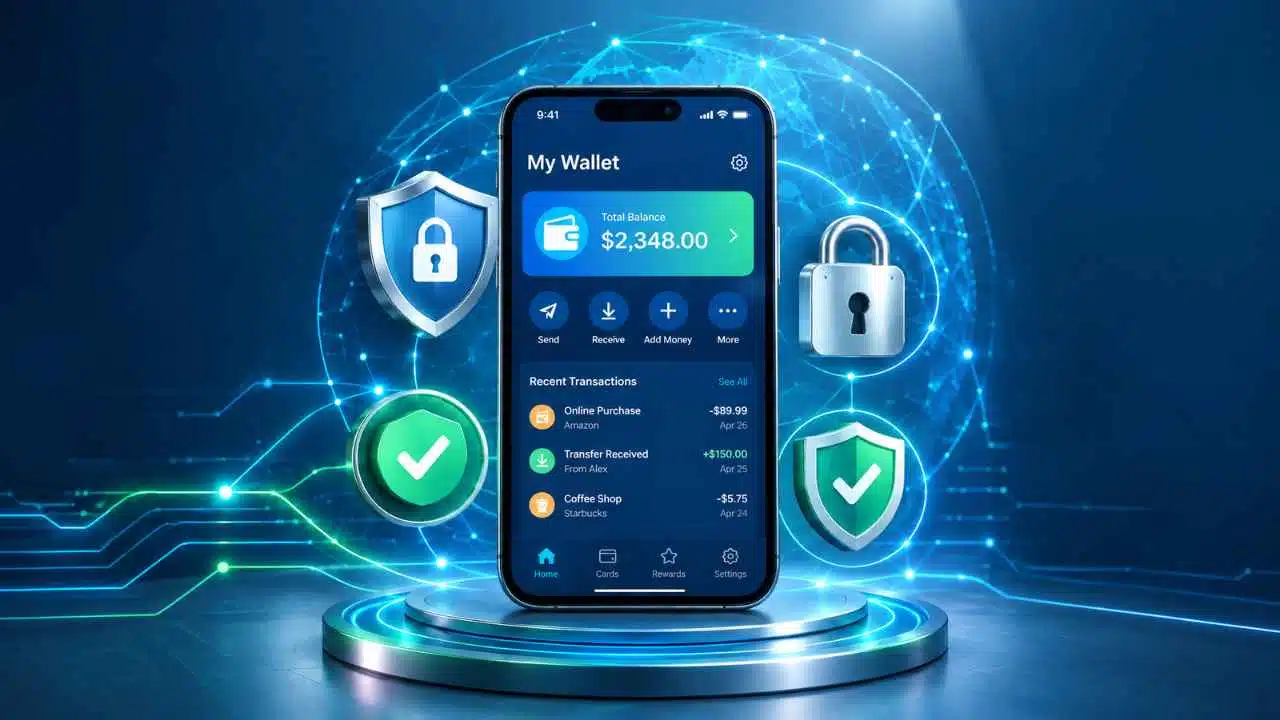
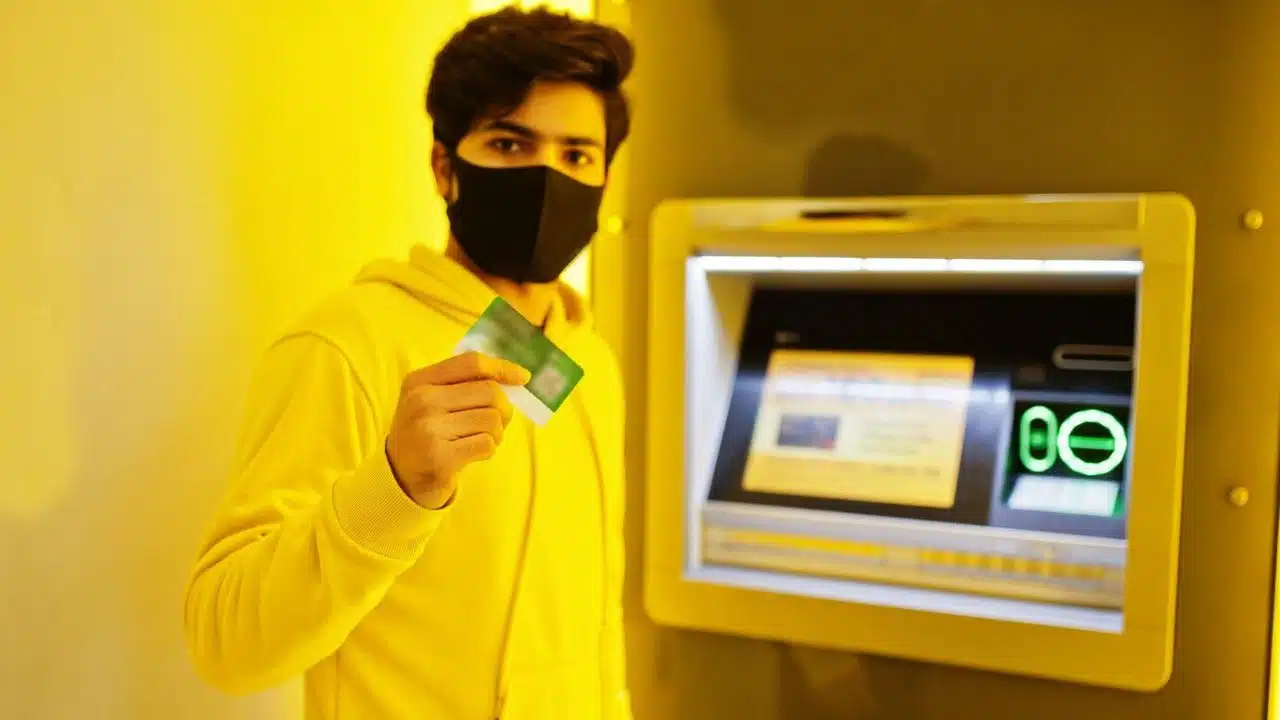
User verification processes at Bitcoin ATMs serve as a critical gateway to ensure secure and compliant transactions. When you approach a Bitcoin ATM, you’re not just there to exchange digital currency; you’re also navigating a sophisticated security protocol designed to protect both your funds and privacy.
One of the first steps you’ll encounter is digital identity verification. This involves providing a form of identification, which could range from a simple ID scan to more complex methods like biometric authentication.
Biometric authentication is becoming increasingly common, offering a higher level of security by using unique personal features such as fingerprints or facial recognition. While this technology significantly enhances security protocols, it also raises privacy concerns. You might wonder how your biometric data is stored and who can access it. Rest assured, reputable Bitcoin ATM operators adhere to strict data protection laws, ensuring your information is secure and used solely for verification purposes.
Another aspect you’ll appreciate is verification speed. Thanks to advancements in technology, these processes are becoming quicker and more efficient, minimizing the time you spend at the machine. You’re not just getting a secure transaction; you’re also getting one that respects your time and privacy.
Transaction Fees and Calculations
Understanding the transaction fees and calculations at Bitcoin ATMs is crucial for any transaction you’re considering. The costs associated with using a Bitcoin ATM can significantly affect your investment, and it’s essential to be aware of how these fees are structured. Here’s what you need to know:
- Fee Variability: Fees at Bitcoin ATMs aren’t static; they fluctuate based on several factors, including market conditions and operator policies. This means the fee you pay today mightn’t be the same tomorrow.
- Market Influence: The current state of the cryptocurrency market directly impacts fees. During periods of high volatility, you might notice higher transaction fees as operators adjust to market conditions.
- Operator Margins: Each Bitcoin ATM operator sets their own margins, which can vary widely. These margins are added on top of the transaction fee, affecting the total cost of your transaction.
- Network Speeds and Wallet Compatibility: The speed of the network and compatibility with your wallet can also influence fees. Some ATMs offer faster transaction speeds for a higher fee, and certain wallets might incur additional costs based on the ATM’s compatibility requirements.
Understanding these elements can help you make more informed decisions and potentially save on fees when using Bitcoin ATMs.
Navigating International Bitcoin ATM Usage
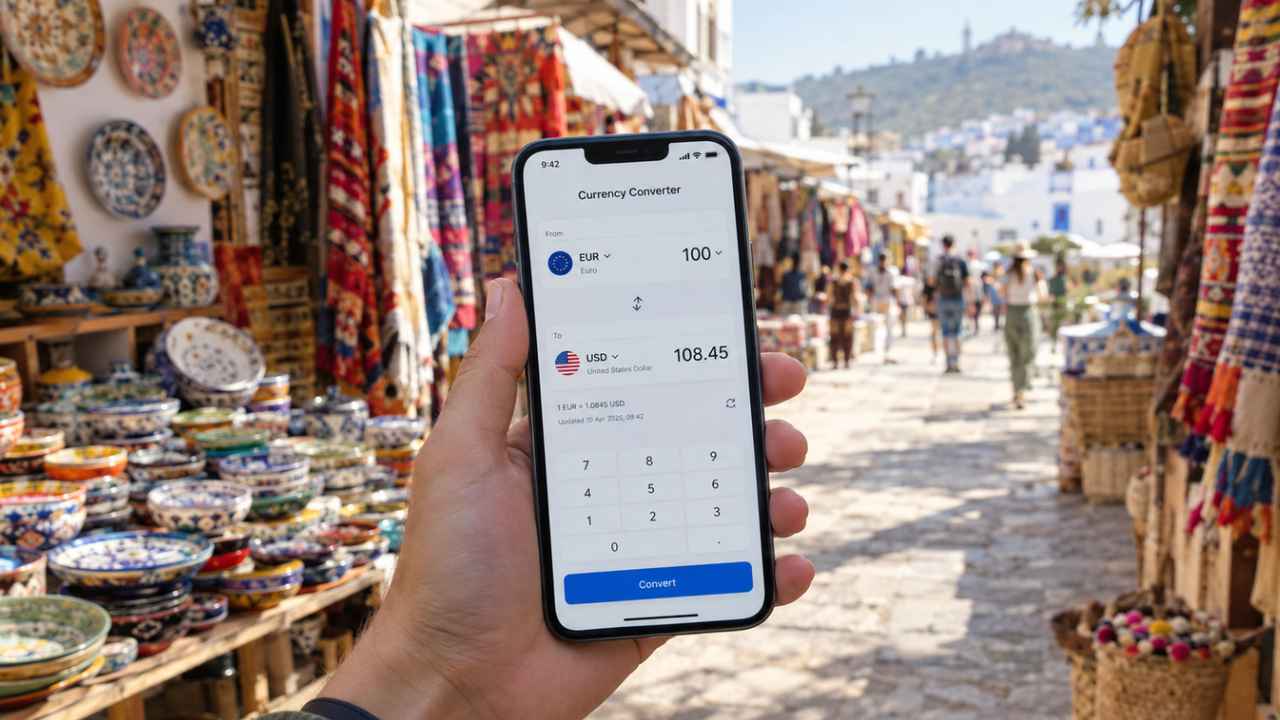
Navigating the landscape of international Bitcoin ATM usage requires awareness of varying regulations and limits across countries. When you’re traveling and in need of Bitcoin, understanding these differences can make or break your experience. Currency conversion is often your first hurdle; rates can significantly affect the amount of Bitcoin you receive for your local currency. It’s crucial to check current rates and fees to avoid surprises.
Security measures vary widely, too. Some countries require more stringent verification processes than others, often depending on the amount you’re transacting. You’ll need to prepare for potential differences in the documentation required to comply with local laws.
Accessibility issues can also arise. Not all countries have a widespread network of Bitcoin ATMs, leading to challenges in finding a machine. Researching in advance which areas have better global availability of ATMs can save you a lot of time and frustration.
Lastly, don’t overlook network connectivity. In some regions, poor internet service can affect transaction times at Bitcoin ATMs, delaying your access to funds. Ensuring you have a reliable data connection can help mitigate these issues, ensuring a smoother transaction process.
Common Challenges and Solutions
Having explored the varied landscape of international Bitcoin ATM usage, let’s now tackle the common challenges you might face and uncover practical solutions. Navigating the world of Bitcoin ATMs isn’t always smooth sailing. You’re likely to encounter a few bumps along the road, but with the right knowledge, you can easily overcome these obstacles.
- Machine malfunctions: At times, Bitcoin ATMs may experience technical difficulties. If you encounter a malfunctioning machine, first ensure it’s not a temporary issue by restarting the transaction process. If problems persist, report the issue to the ATM provider and use their customer service for guidance. Keeping an eye out for regular hardware upgrades can also mitigate this issue.
- Security concerns: To protect your transactions, always use Bitcoin ATMs in well-lit and secure locations. Be wary of any suspicious activities around you and prioritize ATMs that require user identification to enhance security.
- Accessibility issues: Some areas may lack Bitcoin ATMs, limiting access. To address this, use online maps and resources to locate the nearest Bitcoin ATMs. Encouraging local businesses to host a Bitcoin ATM can also improve accessibility.
- Privacy debates: Privacy is a significant concern for many users. When using Bitcoin ATMs, opt for providers that respect your privacy yet comply with regulatory standards to ensure a balance between anonymity and legal compliance.
Conclusion
In conclusion, you’ve now gotten a clearer picture of the limits and regulations surrounding Bitcoin ATMs. From understanding the importance of user verification to navigating the fees and international usage, you’re better equipped to tackle the challenges that come your way.
Remember, while the landscape may seem daunting, staying informed and prepared will help you navigate it with ease. So, dive in, and let your crypto journey be as smooth and rewarding as possible.