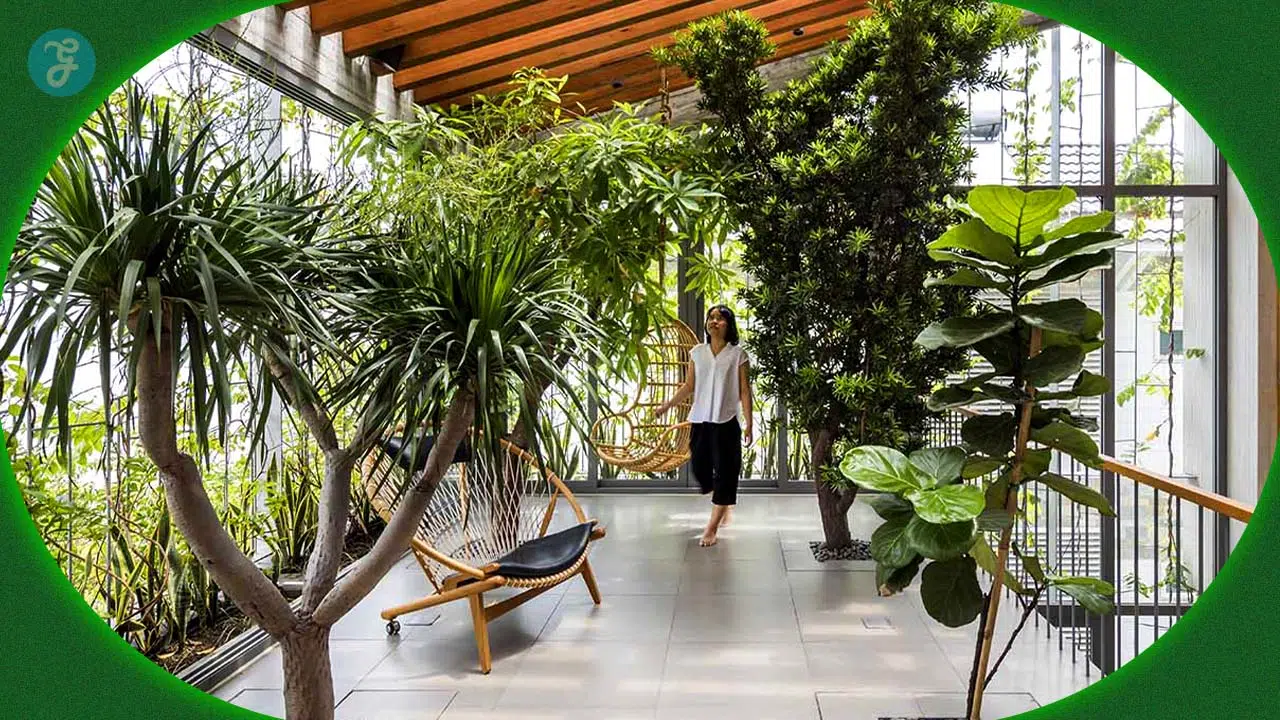
Feeling trapped indoors while stress builds like a storm cloud is a common side effect of busy, urban lifestyles disconnected from nature. This daily isolation often takes a toll on mental health, triggering anxiety and lingering low moods. But a living space should be a rejuvenating sanctuary, not just a place to crash.
Research, including studies highlighted by the World Health Organization, proves that bringing the outdoors inside significantly reduces stress and elevates emotional well-being. This post explores the transformative power of Biophilic Home Design. By integrating organic elements like indoor plants and abundant natural light, it is possible to seamlessly boost mood, sharpen focus, and spark creativity. Discover actionable, easy tips rooted in environmental psychology to turn any home into a calming, nature-inspired haven.
What is Biophilic Design?
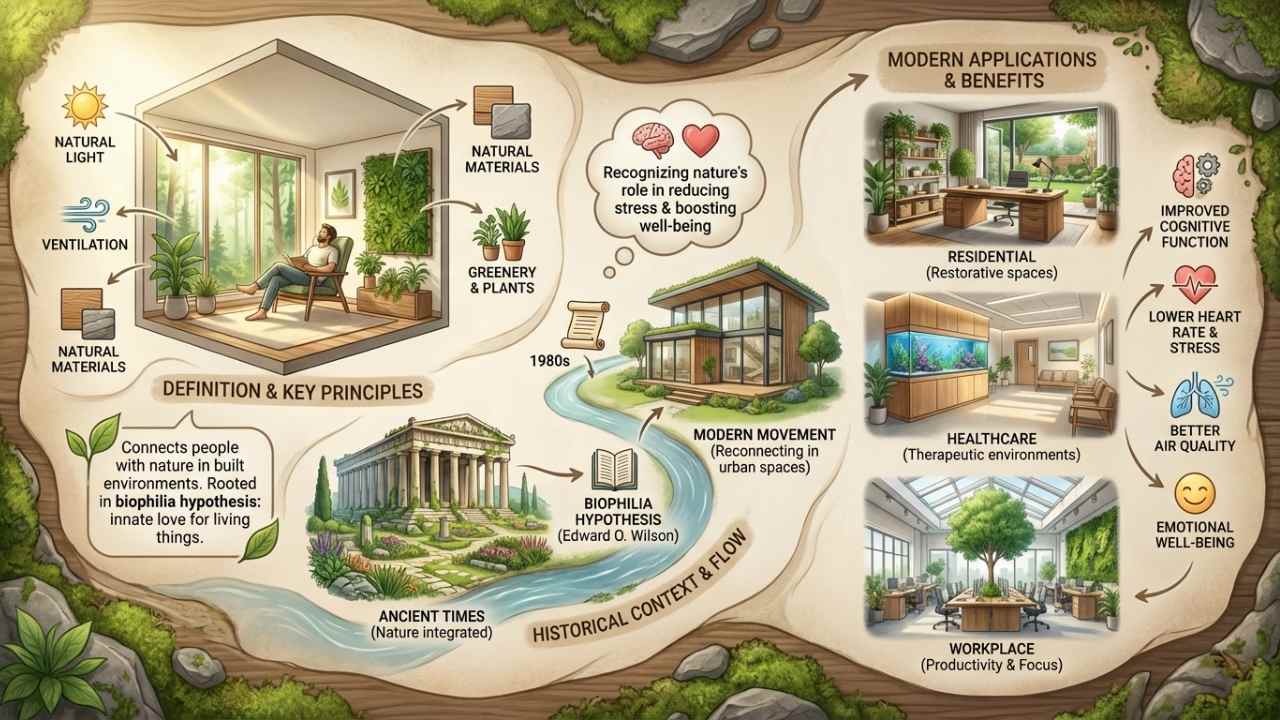
A home that mimics the calm of a forest trail, pulling in elements like wood textures and leafy greens to spark that innate love for nature— that’s biophilic design at its core, rooted in Edward O.
Wilson’s biophilia hypothesis from decades ago. Architects like Frank Lloyd Wright wove this idea into homes long before modern folks started craving green walls and daylight streaming through big windows, turning everyday spaces into spots that recharge your mind.
Definition and key principles
Biophilic design connects people with nature in built environments. This approach draws from the biophilia hypothesis, which says humans crave links to the natural world. Think of it as bringing the outdoors inside your home, like adding plants or natural materials to spark that innate bond.
Experts at Terrapin Bright Green highlight how it fosters therapeutic environments. Frank Lloyd Wright pioneered ideas that blend architecture with nature, influencing modern interior design.
Key principles focus on sensory experiences, such as using natural light, ventilation, and textures from wood or stone.
Biophilic design helps create restorative spaces that support mental well-being.
People apply these principles in homes to promote health promotion and stress reduction. Studies from the National Institutes of Health show exposure to nature boosts cognitive function and lowers heart rate.
Indoor air quality improves with elements like greenery, cutting risks from chronic diseases. Universities like Harvard and the University of Melbourne back this with research on emotional well-being.
Lifestyle medicine experts note it aids non-pharmacological interventions for issues like depression or migraines.
Historical context and modern applications
Humans first connected with nature in ancient times. Think of early caves with views of green landscapes, or Greek temples that blended stone with gardens. Architects in those eras knew that natural elements calmed the mind.
Fast forward to the 1980s, and biologist Edward O. Wilson coined the term “biophilia,” our innate love for living things. This idea sparked a movement. People started seeing how cities cut us off from nature, leading to stress.
Research from Harvard University backed this up. Studies showed exposure to nature boosts positive emotions. Forest bathing, for one, cuts anxiety and depressive symptoms. Contact with the outdoors lowers heart rate and blood pressure too.
The National Institute of Mental Health funded work on these links. Stress reduction theory explains why nature heals us. It all ties back to our roots, like an old friend reminding us to breathe easy.
Today, designers apply biophilic principles in homes, hospitals, and offices. Imagine healthcare facilities with living walls that ease chronic pain. Rehabilitation centers use day-lighting to lift moods during the COVID-19 pandemic.
Jennifer Whitehead at Dayhouse Studio creates therapeutic interior environments for residential spaces. The University of Central Arkansas’s Department of Art & Design teaches this in Conway, AR.
Their Baum Gallery showcases biophilic home ideas. Architects at the University of Utah study how natural materials improve focus and cognitive performance. Indoor plants and greenery enhance productivity, according to the Healthy Dwelling 2030 initiative.
Aromatherapy with lavender essential oil, approved by the European Medicines Agency, pairs well with these designs. Outdoor spaces connect to indoor ones for mindfulness meditation and physical activity.
Sustainability drives choices, like using eco-friendly textures. Living architecture turns homes into restorative spots. Digital health technologies even track how these elements reduce stress levels and foster emotional balance.
Biophilic design promotes general well-being, with benefits for mental and physical health in interior environments.
The Connection Between Nature and Mental Health
Nature acts like a soothing balm for your mind, easing worries and lifting spirits in ways that surprise many folks. Research on attention restoration theory backs this up, proving that elements like trees and water recharge your brain and cut anxiety fast.
How nature influences emotional well-being
Exposure to nature boosts positive emotions in folks like you and me. Imagine a simple stroll through trees acts like a natural mood enhancer, chasing away the blues. Forest bathing, that immersive time in woods, cuts anxiety and depressive symptoms right down.
Folks report feeling calmer, almost like nature whispers, “Take it easy.” Contact with green spaces lowers heart rate and blood pressure, easing that inner tension we all carry.
In residential environments, this nature connection fosters emotional balance, much like omni self-care for the soul. Studies show it sparks joy, turning everyday stress into a distant memory.
Imagine your home mimicking a forest nook, where calm washes over you. Rehabilitation facilities use these ideas too, proving nature’s touch heals from the inside out.
Studies supporting the mental health benefits of natural elements
Research backs up the power of natural elements to boost your mental health at home.
| Study Insight | Key Benefit |
|---|---|
| Research shows biophilic design yields positive effects on health and well-being. | It supports mental and physical health in indoor spaces. |
| Studies prove biophilic design cuts stress levels a lot. | People feel calmer, with better mental health results. |
| Nature contact ramps up positive emotions in folks. | This lifts mood and builds emotional balance. |
| Forest bathing eases anxiety and depressive symptoms. | Think of it as a walk in the woods that washes worries away, like a mental reset button. |
| Contact with nature drops heart rate and blood pressure. | Your body relaxes, and stress melts, folks say it’s like nature’s chill pill. |
| Biophilic design boosts concentration levels in people. | You focus better, and your mind stays sharp, imagine your brain getting a green upgrade. |
| Experts link biophilic interiors to calming spaces. | They bring nature inside, creating restorative spots that nurture your well-being. |
| Integrating nature indoors promotes calm and overall well-being. | It fosters peace, like turning your living room into a serene forest nook. |
| Biophilic design aids both mental and physical health indoors. | Spaces become havens that heal, based on solid research findings. |
Key Ways Biophilic Design Improves Mental Health at Home
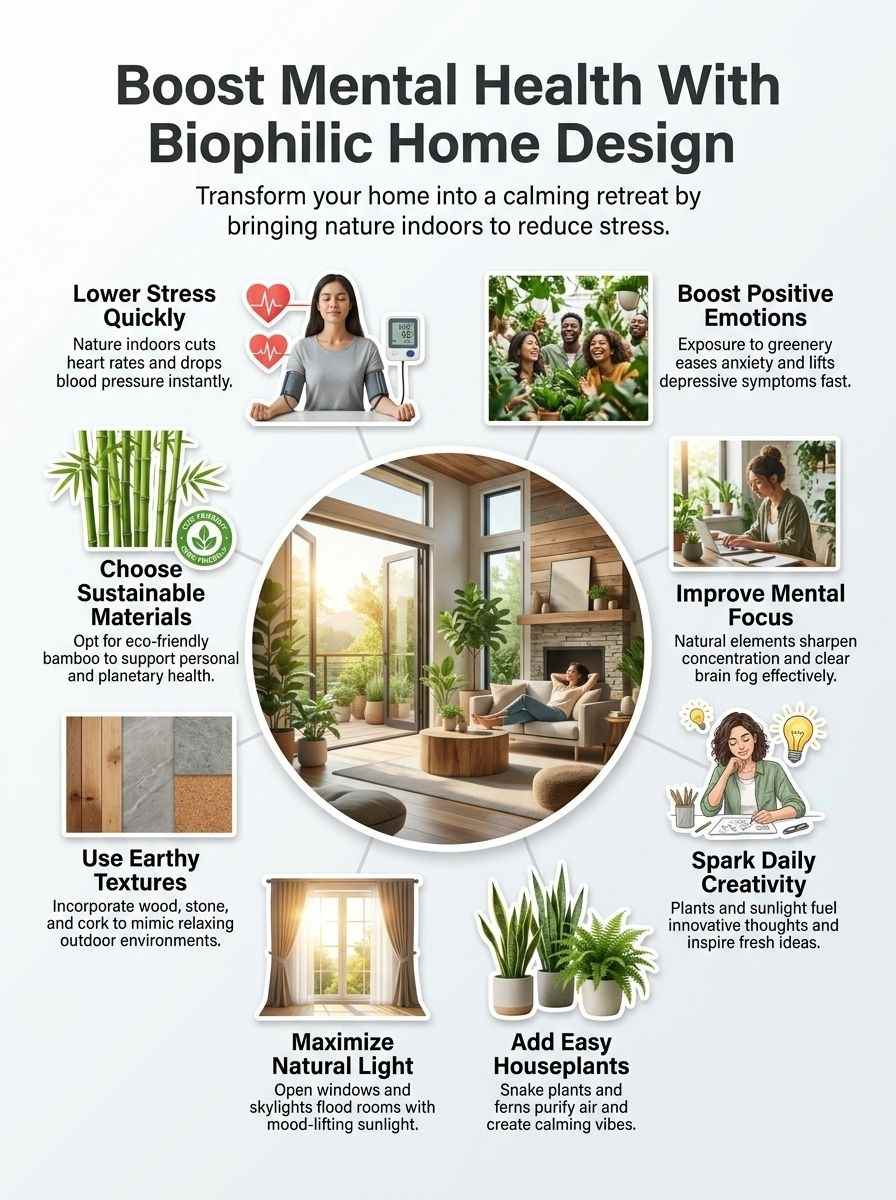
Imagine your living room as a cozy forest retreat, where houseplants and sunlight chase away the blues like a good laugh with friends. You feel calmer, sharper, and more inspired, turning everyday chaos into a breath of fresh air that sparks joy right in your own space.
Stress reduction and relaxation
Biophilic design cuts stress right at home, folks. Research shows it lowers stress levels a lot, leading to better mental health. Picture your living room with plants and wood touches, like a cozy forest nook indoors.
Exposure to these natural bits boosts positive emotions, and even forest bathing slashes anxiety and depression. Your heart rate drops, blood pressure eases, all from simple contact with greenery.
This architectural design creates calming spaces that restore your mind, no sweat.
We all need that sense of calm in our busy lives, right? Biophilic interior design brings nature inside to foster well-being and cut tension. It builds restorative spots that support mental health, plus physical perks like lower blood pressure.
Think of it as your home hugging you back with eco-friendly vibes, maybe even in a UCA setup where green elements shine. Studies back this up, proving these designs promote relaxation and emotional balance every day.
Enhanced mood and emotional balance
Imagine feeling a wave of calm wash over you, just from stepping into your living room. Exposure to nature boosts positive emotions in folks, lifting spirits like a fresh breeze on a tough day.
Think about forest bathing, that simple act of soaking in the woods, which cuts anxiety and depressive symptoms. Now envision bringing that magic home through biophilic design. It creates restorative spaces that support mental well-being, fostering a sense of calm right in your daily spots.
Folks often notice their moods brighten with these natural touches indoors. Contact with nature lowers heart rate and blood pressure, easing emotional ups and downs. Research shows biophilic design yields positive effects on health, reducing stress and enhancing emotional balance.
You might add some greenery or nature views, turning your home into a haven that promotes total well-being. This approach helps build spaces that feel like a gentle hug from the outdoors, steadying your inner world.
Improved focus and cognitive performance
Biophilic design boosts your focus like a fresh cup of coffee in the morning. Imagine you’re at home, surrounded by indoor ferns and wooden shelves, and suddenly your mind sharpens.
Research shows this setup improves concentration levels in folks just like you. It creates restorative spaces that support mental well-being, cutting through the fog of daily distractions.
Nature’s touch lowers heart rate and blood pressure, paving the way for clearer thinking.
Exposure to natural elements sparks better cognitive performance, no magic wand needed. Think about forest bathing; it reduces anxiety and lifts depressive symptoms, freeing up brain power for tasks.
Studies back how biophilic interiors, with their calming vibes, enhance mood and emotional balance. You feel that sense of calm from greenery and natural light, leading to sharper focus.
This approach promotes general well-being, blending nature indoors for real mental health wins.
Increased creativity and productivity
Nature sparks fresh ideas in your mind. Picture yourself working at a desk surrounded by potted ferns and wooden shelves. Studies show biophilic design boosts concentration levels, helping you tackle tasks with sharper focus.
You feel more alert, like a light bulb switching on brighter. This setup turns your home into a hub for innovative thoughts, much like a walk in the woods clears mental fog. People report higher productivity when natural elements, such as leafy greens or stone accents, fill their space.
Positive emotions rise from contact with nature, fueling your creative spark. Imagine chatting with a friend about a project while sunlight streams through wide windows. Research links these designs to better emotional balance, which drives output in daily work.
Forest bathing, a key inspiration, cuts anxiety and lifts moods, paving the way for bold ideas. You get more done, feeling restored in a calming, nature-infused room that supports mental well-being.
Elements of Biophilic Design for Homes
You turn your home into a calming retreat when you scatter pothos plants around, flood rooms with sunlight from skylights, pick bamboo furniture for that earthy feel, and frame windows with views of nearby parks.
Eager for step-by-step ideas? Keep reading!
Incorporating indoor plants and greenery
Indoor plants turn your home into a mini oasis. They bring nature’s calm right to your living room, boosting your mood without much effort.
- Houseplants like ferns or succulents lower your stress levels, as research shows biophilic design cuts down anxiety and helps you relax after a tough day. Imagine you come home tired, and that green corner whispers peace, easing your mind like a walk in the woods. Studies prove exposure to these natural elements drops heart rate and blood pressure, making your space a true haven for mental health.
- Add greenery such as pothos vines to spark positive emotions, with facts confirming nature contact lifts your spirits and fights off depressive symptoms. Think of it as your personal cheer squad, indoors; one study links forest bathing benefits to houseplants, turning your den into a spot that fosters calm and well-being. People feel more balanced emotionally when plants surround them, promoting general health in simple ways.
- Spider plants or peace lilies sharpen your focus and boost cognitive performance, backed by data on how biophilic elements improve concentration. You sit at your desk, gaze at the leaves, and ideas flow easier, like nature’s own productivity hack. This setup creates restorative spaces that support mental health, helping you think clearer amid daily chaos.
- Add herbs like basil in your kitchen to enhance creativity and productivity, with evidence showing biophilic design yields positive effects on well-being. It’s like inviting a muse into your home; anecdotes from folks say their best ideas sprout near greenery. Such indoor touches bring nature’s magic inside, aiding both mental and physical health outcomes.
- Use larger options like fiddle-leaf figs to maximize the sense of calm, as integrating these promotes general well-being according to key studies. Folks often share stories of how a single plant transformed a stark room into a soothing retreat, reducing stress significantly. This approach crafts calming spaces that echo nature’s restorative power right at home.
Maximizing natural light and ventilation
Natural light floods your home with energy, and good ventilation keeps air fresh. You can boost mental health by letting nature in through these simple changes.
- Open windows wide during the day to let sunlight pour in, which studies show lowers heart rate and blood pressure in people, creating that calm you crave after a tough day.
- Install skylights in dim rooms to mimic the sky’s glow, as exposure to nature increases positive emotions in individuals, turning your space into a mood-lifting haven.
- Use sheer curtains that filter light softly, tying into how biophilic interior design brings nature indoors to create calming spaces, and hey, it beats staring at blank walls.
- Position furniture near windows for easy breezes, since contact with nature lowers heart rate and blood pressure in people, like a gentle hug from the outdoors.
- Add exhaust fans in kitchens and bathrooms for better air flow, supporting how biophilic design improves concentration levels in individuals, so you focus without that stuffy fog.
- Choose large glass doors that slide open, fostering a sense of calm as integrating nature into indoor spaces promotes well-being, imagine sipping coffee with the wind whispering hello.
- Trim outdoor bushes blocking views, because biophilic design has the potential to significantly reduce stress levels, contributing to better mental health outcomes, and who doesn’t need less worry?
- Seal drafts but keep vents clear for steady circulation, aligning with how biophilic design yields positive effects on health and well-being according to research studies, keeping your mind sharp.
- Hang mirrors to bounce light around corners, enhancing how biophilic design helps create restorative spaces that support mental well-being, like magic tricks for your brain’s peace.
- Opt for ceiling fans that stir fresh air gently, as biophilic design has beneficial effects on both individual mental health and physical health outcomes when applied to indoor environments, feeling like a cool forest breeze at home.
Using natural materials and textures
Bring wood, stone, and cork into your home for that earthy feel. These materials mimic the outdoors and help create calming spaces. Studies show they lower heart rate and blood pressure.
Imagine, you run your hand over a rough stone wall, and suddenly stress melts away like ice in the sun. Biophilic interior design uses these textures to foster a sense of calm indoors.
Folks often feel more relaxed in rooms with natural fibers, like wool rugs or bamboo floors.
Opt for materials that promote well-being, such as reclaimed timber or clay tiles. They boost mental health by integrating nature right into your living area. Exposure to these elements increases positive emotions and reduces anxiety, much like a walk in the woods.
One study links them to better concentration levels too. Hey, imagine swapping out plastic for soft linen curtains; it turns your space into a restorative haven. This approach supports both mind and body, making everyday life feel a bit more like a gentle forest bath.
Creating views of nature or green spaces
Picture a window in your living room that frames a lush garden or nearby park. You create these views to let nature peek inside your home. Folks often position furniture to face outdoor greenery.
This setup mimics forest bathing, which cuts anxiety and depressive symptoms. Contact with such sights lowers your heart rate and blood pressure. It boosts positive emotions, too. Imagine sipping coffee while gazing at trees swaying in the breeze, a simple trick that turns your space into a calming haven.
Designers suggest large windows or balconies for the best effect. You might add sheer curtains to soften the light, blending indoors with the outside world. Studies show this exposure sharpens focus and lifts moods.
Biophilic design weaves in these elements to foster emotional balance. Think of it as inviting Mother Nature over for a chat, easing stress right in your daily routine. Your home becomes a restorative spot, supporting both mental and physical health.
Challenges in Implementing Biophilic Design
You might think adding plants and natural light sounds easy, but tight living spaces often cramp your style, forcing tough choices on where to place that cozy green corner. Budget woes hit hard too, like when pricey wood accents drain your wallet before you even start, yet smart swaps can keep the dream alive without breaking the bank.
Space and budget limitations
Space and budget limitations often trip up folks eager to bring biophilic design into their homes, but smart tweaks make it doable without breaking the bank.
| Challenge | How It Affects You | Quick Fixes That Tie In Benefits |
|---|---|---|
| Limited space in small apartments | You feel crammed, and adding plants or natural materials seems impossible, like trying to fit an elephant in a phone booth. | Opt for wall-mounted planters or vertical gardens. These save floor area, and research shows biophilic design yields positive effects on health and well-being. Plus, contact with nature lowers heart rate and blood pressure in people. |
| Tight budgets for pricey items | High costs of natural materials or big windows pinch your wallet, leaving you stuck with bland rooms that zap your mood. | Start with thrift store finds or DIY projects using recycled wood. Biophilic design has the potential to significantly reduce stress levels, contributing to better mental health outcomes, and exposure to nature increases positive emotions in individuals. |
| Balancing small rooms and ventilation needs | Poor airflow in cozy spots builds stuffiness, which amps up anxiety instead of calming you down. | Add affordable fans or open shelves for air flow. Studies support the mental health benefits of natural elements, like how forest bathing can reduce anxiety and depressive symptoms. |
| Cost of sustainable choices | Eco-friendly options feel out of reach, making you skip the calm vibes nature brings indoors. | Choose budget bamboo or cork accents. Biophilic interior design brings nature indoors to create calming spaces, and it helps create restorative spaces that support mental well-being. |
| Focus issues in cramped setups | Tiny areas distract you, cutting into productivity without room for green views. | Use mirrors to fake bigger spaces with nature reflections. Biophilic design improves concentration levels in individuals, and integrating nature into indoor spaces promotes general well-being and fosters a sense of calm. |
| Health perks versus expense | You worry the upfront costs outweigh the gains, even if you crave that emotional boost. | Invest in one key item, like a low-cost herb garden. Biophilic design has beneficial effects on both individual mental health and physical health outcomes when applied to indoor environments, and how nature influences emotional well-being backs this up. |
Balancing aesthetics with functionality
You want your home to feel like a serene forest retreat, but it still needs to work for daily life. Biophilic design brings nature indoors to create calming spaces, yet blending beauty with practicality can trip you up.
Imagine adding lush indoor plants for that green vibe; they reduce stress levels and lower heart rate, sure, but cram too many in a tiny kitchen, and suddenly you’re dodging leaves while cooking dinner.
Research shows this approach yields positive effects on health and well-being, like boosting positive emotions and cutting anxiety. Folks often struggle here, trying to maximize natural light for better mood without turning rooms into glaring hot spots.
Strike a smart balance by choosing multifunctional pieces, like wooden shelves that hold books and double as plant stands. These natural materials promote general well-being and foster a sense of calm, tying into studies on how nature influences emotional well-being.
Exposure to such elements improves concentration levels and enhances cognitive performance, but ignore functionality, and your space feels cluttered instead of restorative. Opt for slim vines on walls; they integrate nature without eating up floor area.
This way, you build restorative spaces that support mental well-being, all while keeping things livable and fun.
Tips for Creating a Biophilic Home
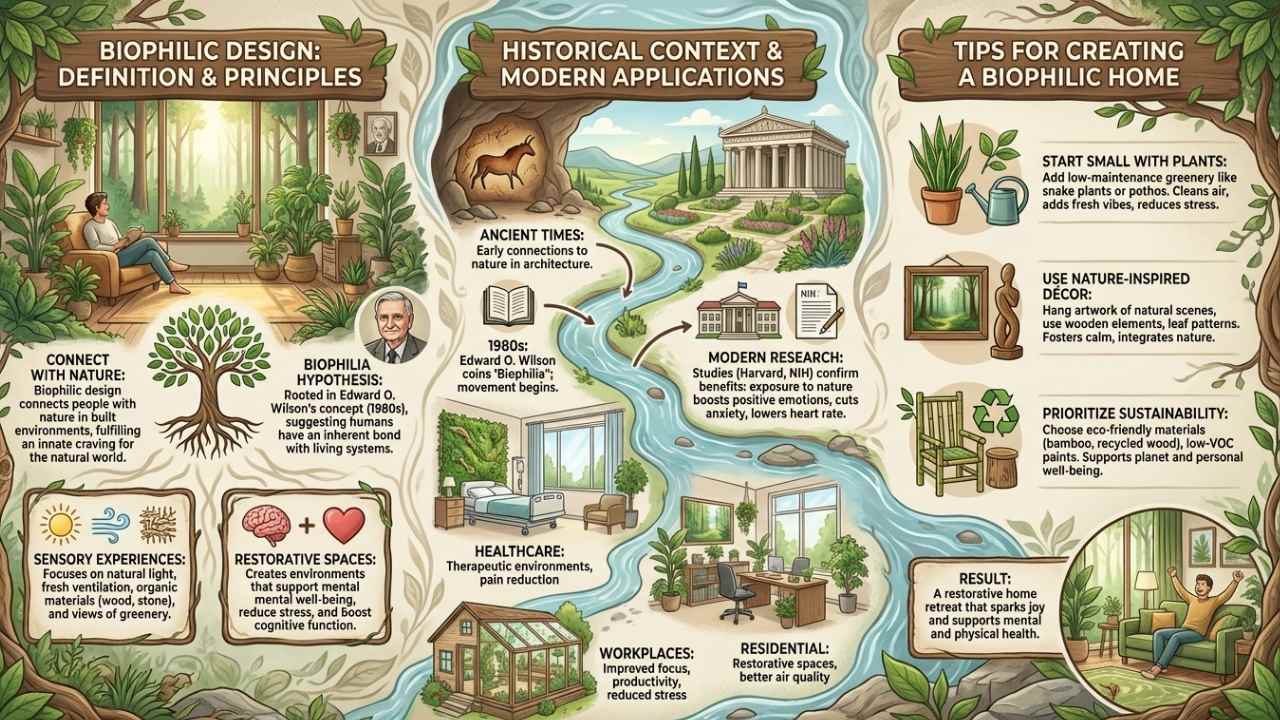
You know that feeling when a splash of green perks up your living room, like a breath of fresh air on a stuffy day? Try adding low-maintenance ferns or succulents to your shelves, and watch how they spark joy while pulling you deeper into nature’s calm embrace, tempting you to explore more ways to weave the outdoors in.
Start small with easy-to-maintain plants
Pick some low-key plants like snake plants or pothos to kick off your biophilic journey. These guys thrive with little fuss, needing just a splash of water now and then. They pull double duty by cleaning the air and adding that fresh, green vibe right inside your home.
Biophilic design brings nature indoors to create calming spaces, and yep, research shows this setup cuts stress levels big time. Exposure to these natural elements boosts positive emotions, lowers heart rate, and even eases blood pressure, all while fostering a sense of calm.
Imagine chatting with a friend over coffee, “That little fern on my desk? It’s like a mini forest bath without leaving the couch.” Studies back it up, forest bathing reduces anxiety and depressive symptoms, so indoor greenery mimics that magic.
Go for easy picks that fit your space, and watch how they enhance mood and emotional balance. Integrating nature into indoor spaces promotes general well-being, improves concentration levels, and supports mental health in ways that feel effortless.
Use nature-inspired artwork and décor
Hang nature-inspired artwork on your walls to bring the outdoors in. Paintings of forests or oceans mimic real views of green spaces. This simple step creates calming spaces that support mental well-being.
Studies show such designs reduce stress levels and lower heart rate. People feel more positive emotions from these touches.
Add decor like wooden sculptures or leaf-patterned pillows for that natural vibe. These items integrate nature into indoor spaces and promote general well-being. They foster a sense of calm, just like forest bathing cuts anxiety.
Biophilic interior design helps here, boosting mood without big changes. Your home turns restorative, aiding both mental and physical health.
Prioritize sustainable and eco-friendly choices
Pick sustainable materials for your biophilic home. Opt for bamboo furniture or recycled wood accents. These choices cut waste and support the planet. They also boost your mental health.
Research shows biophilic design yields positive effects on health and well-being. It reduces stress levels a lot. Exposure to nature increases positive emotions in you. Think of it like a gentle hug from the earth, calming your mind without much effort.
Go for eco-friendly plants that thrive indoors with little water. Choose low-VOC paints to keep air clean. Such steps integrate nature into spaces and promote well-being. They foster a sense of calm, as studies suggest.
Contact with nature lowers heart rate and blood pressure. Biophilic interior design brings nature indoors to create calming spaces. It helps make restorative areas that support mental well-being.
Plus, forest bathing ideas, like adding greenery, can cut anxiety and depressive symptoms. This approach improves concentration levels too. Biophilic design aids both mental and physical health in homes.
Imagine your living room as a mini forest retreat, sparking joy every day.
Final Thoughts
Biophilic design brings nature indoors, cuts stress, boosts mood, sharpens focus, and sparks creativity in your home. You can start small, like adding a few plants or letting in more sunlight, and see quick results without much hassle.
These changes matter a lot; they lower anxiety, ease depression symptoms, and build a calm space that supports your well-being every day. Check out books like “The Nature Fix” for more ideas, or join online forums on green living to swap stories with others.
Once, I added a simple window herb garden, and it turned my chaotic mornings into peaceful starts, you know? Go ahead, try one tip today, and watch your home become a sanctuary that nurtures your mind.
Frequently Asked Questions (FAQs) About Biophilic Home Design
1. What exactly is biophilic design, and why should I care about it at home?
Biophilic design brings nature into your living space, like adding plants or natural light, to make you feel more connected to the outdoors. It boosts your mental health by cutting down stress, almost like giving your brain a cozy hug from Mother Nature. Imagine coming home after a tough day, and your room feels like a peaceful forest retreat, that’s the magic.
2. How does biophilic design improve my mental health right in my own house?
It lowers anxiety and lifts your mood by mimicking nature’s calm vibes indoors. Think of it as turning your home into a stress-busting sanctuary, where even a simple window view of trees can recharge your batteries.
3. Can I start using biophilic design without a big remodel?
Yes, start small with items like wooden furniture or a water fountain to echo nature’s sounds. These easy changes help your mind relax, and hey, who knew a potted fern could be your new best friend against daily worries? Before you know it, your space feels alive and your thoughts clearer.
4. What are some quick examples of biophilic design for better mental health at home?
Try hanging nature-inspired art or using earthy colors on walls. Add fresh flowers or open up curtains for sunlight; these tweaks create a soothing spot that fights off the blues.