
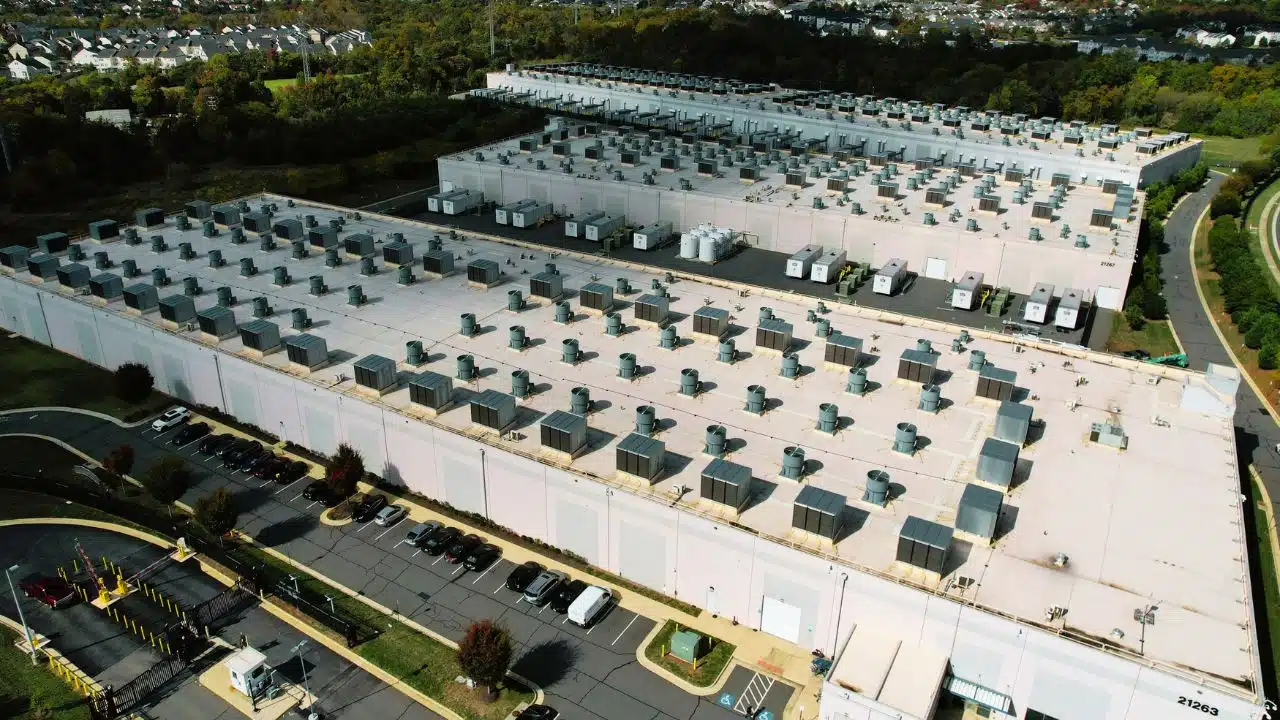
Big Tech firms are tapping debt markets at an unprecedented pace, issuing record volumes of corporate bonds to finance a massive build‑out of artificial intelligence infrastructure, from power‑hungry data centers to specialized chips. The borrowing spree marks a sharp shift from earlier years, when leading tech platforms largely funded growth from cash flows, and is stirring fresh debate over whether AI capital spending is racing ahead of proven returns.
Wave of record bond sales
Over the past few months, major U.S. technology “hyperscalers” have sold tens of billions of dollars in new bonds, pushing 2025 AI‑linked issuance well above typical annual levels for the sector. Recent deals include large multi‑tranche offerings from Meta Platforms, Alphabet and Oracle, alongside sizeable issuance from Amazon to lock in funding while borrowing costs ease.
Meta’s latest corporate bond sale totaled about 30 billion dollars, the biggest high‑grade offering of the year, and drew more than four times that amount in orders from income‑hungry investors. Alphabet has raised roughly 25 billion dollars in public debt, while Oracle’s recent issuance reached around 18 billion dollars, adding to a broader tech‑sector tally that some estimates now place above 200 billion dollars for AI‑related projects since the start of the year.
Funding the AI infrastructure race
Proceeds from these bond sales are earmarked largely for data centers, networking equipment and AI accelerators needed to train and run ever‑larger models for cloud customers and consumer apps. Analysts forecast that combined AI capital expenditures by the main U.S. cloud and platform providers will reach the high hundreds of billions of dollars annually, with projections for Big Tech capex in 2025 alone now running north of 400 billion dollars as companies continually upgrade their infrastructure.
The scale of these projects is forcing even cash‑rich companies to lean on public markets rather than funding everything from free cash flow or private credit. Investment banks and asset managers expect that, over the coming years, AI‑related build‑outs could require well over a trillion dollars of investment‑grade bonds, turning AI infrastructure into a defining theme for global credit markets.
Investor demand and pricing pressures
Demand for Big Tech debt remains strong, with oversubscribed order books allowing issuers to tap long‑dated maturities and diversify their investor base. However, buyers have begun to insist on noticeable “new issue” premiums, pushing companies such as Alphabet and Meta to pay yields several basis points above their existing secondary‑market bonds to place the latest deals.
Lower benchmark interest rates have added urgency to the timing, as firms move quickly to secure funding before any renewed volatility in monetary policy or inflation. Portfolio managers say the influx of long‑duration technology paper is also influencing government bond markets, adding supply at the long end and making shorter‑dated securitized credit linked to data‑center assets relatively more attractive in some strategies.
Rising concerns over AI debt risks
Despite the enthusiasm, large asset managers and bank research teams are flagging the build‑up of debt‑financed AI spending as a new source of macro and market risk. Commentaries from global investment houses warn that an oversupply of lower‑quality AI‑related borrowers, or a slowdown in revenue from AI services, could strain credit markets that have so far readily absorbed Big Tech issuance.
Equity analysts note that hyperscalers’ capex is now approaching levels close to their operating cash flows, heightening sensitivity to any disappointment in AI growth or pricing power. Some strategists argue that sharp negative share‑price reactions to further capex surprises might eventually force management teams to temper the pace of expansion, even as they race rivals for AI leadership.
What it means for markets and customers
For bond investors, the record supply from top‑rated technology issuers offers rare access to sizeable, liquid deals with yields still above pre‑AI boom norms. At the same time, the concentration of credit exposure in a handful of U.S. and global platforms has become a key theme in portfolio‑level risk discussions, given how central these firms now are to both stock and bond indices.
For cloud customers and enterprises, the debt‑funded infrastructure push is designed to accelerate rollout of AI compute capacity, potentially improving access to high‑end chips and lowering unit costs over time. Yet if funding conditions tighten or investors balk at further debt‑heavy expansion, the pace of new data‑center builds and associated AI services could slow, reshaping expectations for how quickly the current AI boom translates into sustainable profits.