


Coffee rituals are the classic kick start to the morning, it gets us prepared, allows us some me-time before grinding for the day, yet, we are not quite sure of the timing of our coffee consumption and its effects, influencing our energy levels and overall productivity.
Understanding when to indulge for the best outcomes is a balance of art and science. Here’s the nuances of best time to drink coffee in the morning, exploring its pros and cons to uncover the perfect brew for each moment of your day.
Understanding Coffee and Cortisol
Coffee, not only jumpstarts our day but also interacts intricately with our body’s natural rhythms, particularly with cortisol, the stress hormone.
As we sip in the brew, its effects on cortisol levels can vary, influencing everything from our wakefulness to our stress response. Here’s unraveling the connection between coffee and cortisol, how these interplay in our daily routine and well-being.
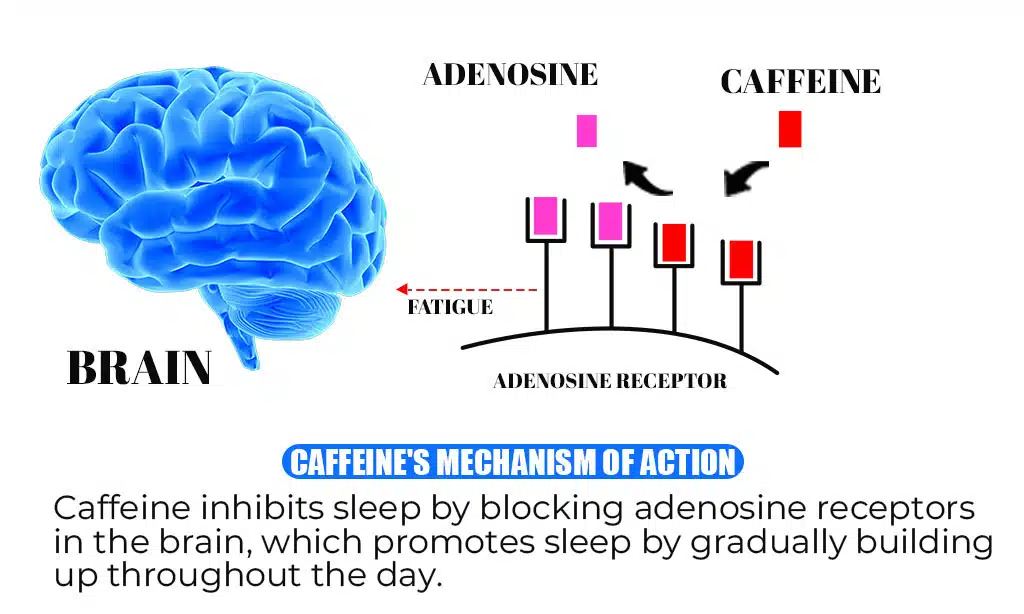
Caffeine’s Mechanism of Action
Caffeine works by blocking adenosine receptors in the brain. Adenosine is a molecule that promotes sleep by gradually building up throughout the day. Structurally similar to adenosine, caffeine competes for these receptors, preventing adenosine from binding to them. Therefore, this blockage inhibits the sleep-inducing effects of adenosine, keeping you awake and alert instead.
Cortisol and its role
Cortisol, known as the stress hormone, starts working when your body senses challenges, like waking up, getting ready for the day. It peaks in the morning around 7-8 a.m., fades during the day, and hits its lowest point at night, keeping your body’s daily rhythm in check.
Why you shouldn’t drink coffee after walking up?
Drinking coffee immediately after waking isn’t ideal because cortisol levels naturally peak about 30-45 minutes after you wake up. This is the best time to drink coffee. This timing is when your body is naturally gearing up for the day.
Caffeine in coffee signals your body to release more cortisol, adding to the already elevated levels. This can disrupt your body’s natural wake-up process and lead to less effective alertness in the morning.
The Best Time to Drink Coffee

The debate over the ideal time to savor our beloved coffee is as rich and complex as the brew itself. Should you start your day with a steaming cup, or is an afternoon pick-me-up the way to go? Let’s find out this segment,
Late morning
Cortisol levels are typically at their peak right after waking up in the morning. Wait till the cortisol drops down between 9:30 and 11:30 am, mainly mid to late morning, depending on when you’ve woken up. As soon as it declines, it can enhance the stimulating effects of coffee for better results.
Afternoon cutoff
Generally we should avoid having caffeinated drinks such as coffee too close to bedtime. The buzz from caffeine can mess with your sleep and make it tough to unwind. Again, it is commonly recommended to give yourself at least 6 hours between your last coffee and bedtime. If you find caffeine affects your sleep or if you’re sensitive to it, you might need to cut out coffee even earlier in the day to get a good night’s rest.
However, if you’re staying up late, an afternoon coffee is not a bad option for a little energy splash, to speed up your work. You can still have a moderate amount of coffee between 1-4pm, again, depending on your sleep schedule.
Pre-workout
Many people find a cup of coffee before exercise boosts energy, focus, and performance. It’s best to drink it 30-60 minutes prior to workout for caffeine to take effect. The ideal time to drink coffee varies individually based on sleep, caffeine sensitivity, and daily routine. Adjust consumption to avoid disrupting sleep or overall well-being.
Factors Affecting Your Ideal Coffee Time
You have explored what are the best time to drink coffee. But, do you know what are the factors affecting your ideal coffee time?
Sleep patterns
For early risers, who naturally wake up and go to bed early, the best times to enjoy coffee are mid-morning, around 9 to 10 AM, and early afternoon, roughly 1 to 2 PM. This timing leverages their peak cortisol levels in the morning without causing excessive stimulation too early. It can enhance alertness and productivity as the day progresses.
On the other hand, night owls, who prefer late mornings and late bedtimes, should consider having coffee later in the morning, around 10 AM to 12 PM, and in the mid-afternoon, about 2 to 3 PM. This aligns better with their delayed cortisol peak, providing a smoother boost in alertness that complements their natural body clock.
Regardless of your chronotype, it’s wise to avoid consuming caffeine in the late afternoon and evening to safeguard your sleep. Pay attention to your body’s signals and adjust your coffee intake accordingly to maintain optimal energy levels throughout the day.
Caffeine sensitivity
Every individual responds to caffeine on their sensitivity level. Caffeine is a widely-used stimulant that affects the central nervous system. And people may exhibit different levels of it, like hyposensitivity, allowing people to consume substantial amounts of caffeine without experiencing adverse effects like insomnia, even when consumed late in the day.
In contrast, those with hypersensitivity are highly reactive to even small doses of caffeine, experiencing intense adrenaline rushes that mimic the effects of consuming multiple cups of espresso. Due to their slower caffeine metabolism, hypersensitive individuals may endure symptoms such as rapid heartbeat, headaches, jitters, nervousness, restlessness, and difficulty sleeping, which can persist for several hours after ingestion.
Then again, there’s people with normal levels of caffeine tolerance who can take up to 400mg of caffeine without any possible side effects. Thus, anyone with the hypo/hyper sensitivity must take the coffee time into account, depending when they’d need the energy boost.
When Should I NOT Drink Coffee?

Now you understand the best time to drink coffee. But do you know there are certain times, you need to avoid drinking coffee?
Evening, close to bedtime
If you want to sleep well, it’s best to skip coffee too close to bedtime. Caffeine can mess with your ability to fall asleep and disrupt your sleep cycle because it’s a stimulant. To help avoid these issues, try not to drink coffee within about six hours of when you plan to hit the hay.
When struggling with anxiety
Caffeine can make some people feel more anxious, restless, or jittery. If you’re sensitive to caffeine and at the same time tend to get anxious easily, it might be a good idea to skip coffee when you need to stay calm or focused, as it could trigger you with the amount you take in.
When you have other medical conditions
Certain medical conditions like acid reflux, ulcers, or irritable bowel syndrome can worsen with coffee consumption because of its acidity or effects on digestion. If you have any of these conditions, it’s a good idea to talk to your healthcare provider about when and how much coffee you should drink.
How Does Caffeine Impact Your Body Clock?
Caffeine, a natural stimulant found in coffee, tea, and other beverages, can significantly influence your body clock also known as circadian rhythm. It disrupts sleep patterns by delaying sleep onset, reducing total sleep time, and lowering sleep quality when consumed later in the day. Additionally what it does is, altering melatonin production, suppressing adenosine buildup that promotes sleep, and remains active in the body for several hours due to its extended half-life.
Regular consumption may lead to tolerance and dependence on caffeine, affecting alertness during the day and perpetuating the effect of sleep cycle deprivation.
That’s how much coffee impacts your body on a regular basis
Instead of Coffee Try these If You’re Hypersensitive to Caffeine
Now you know the best time to drink coffee. When caffeine consumption is a lot to take in, go for something light to drink, and get the equal benefit of an instant energy boost for the day,
Green Tea
Green tea is considered one of the healthiest drinks around. It’s packed with a special kind of antioxidant called catechin, which fights cancer and boosts your body’s defenses. It also has L-theanine, a compound that helps your brain stay sharp and reduces stress.
Adaptogens
Adaptogens use herbs like ashwagandha, reishi, and lion’s mane to enhance mental clarity, reduce fatigue, and support immunity without the crash that often comes with coffee. They also help regulate sleep and mood, making them beneficial day and night.
Black Tea
A cup of brewed black tea has about half the caffeine of coffee. The caffeine in black tea comes from tannins, which are antioxidants found in other foods like chocolate and wine. Unlike coffee, tea’s caffeine is absorbed slowly thanks to alkaloids, which means you’re less likely to crash after drinking it.
Matcha
Matcha is made from the same plant as green tea but grown in the shade, making it even richer in antioxidants and amino acids. Instead of steeping, matcha leaves are ground into a powder and mixed with water. Because you’re consuming the whole leaf, matcha has more caffeine than regular green tea, about 70 mg per cup compared to green tea’s usual 35 mg.
Lemon-water
Drinking hot water with lemon in the morning is a popular detox ritual and a great coffee alternative. It hydrates your body, activates digestion, and provides essential vitamins and minerals like vitamin C, vitamin B, calcium, iron, magnesium, potassium, and enzymes. Plus, it’s caffeine-free.
Takeaways
While determining the best time to drink coffee hinges on individual factors, some may benefit from a morning coffee shot for the grand inaugural of the day, others might relax with a little boost on a lazy afternoon cup. Whatever works for you, understanding your body’s response to caffeine and experimenting with timing can help optimize its effects on productivity and overall well-being throughout the day.
Ultimately, the best time to enjoy coffee varies from person to person, emphasizing the importance of listening to your body’s cues and finding what works best for you.
References
- McCallum, K. (2023, July 7). Caffeine & Sleep: How Long Does Caffeine Keep You Awake? Houston Methodist. Retrieved June 20, 2024, from https://www.houstonmethodist.org/blog/articles/2021/oct/caffeine-sleep-how-long-does-caffeine-keep-you-awake/
- O’Neill, J., & Wright, K. (2015, September 17). Effects of caffeine on the human circadian clock. MRC Laboratory of Molecular Biology. Retrieved June 20, 2024, from https://www2.mrc-lmb.cam.ac.uk/effects-of-caffeine-on-the-human-circadian-clock/
- 7 Coffee Alternatives for a Healthy Energy Boost. (2024, April 30). Vogue. Retrieved June 20, 2024, from https://www.vogue.com/article/best-coffee-alternatives-for-a-healthy-energy-boost
- When Is the Best Time to Drink Coffee? (2023, November 16). Cleveland Clinic Health Essentials. Retrieved June 20, 2024, from https://health.clevelandclinic.org/best-time-to-drink-coffee
- Wooddell, B. (2024, Jun 17). Why you shouldn’t drink coffee right after waking up. Bloom Tampabay. Retrieved June 20, 2024, from https://www.wfla.com/bloom-tampa-bay/bloom-health-and-wellness/why-you-shouldnt-drink-coffee-right-after-waking-up/#:~:text=This%20hormone%20is%20often%20called,less%20effective%20wake%2Dup%20call.
























