

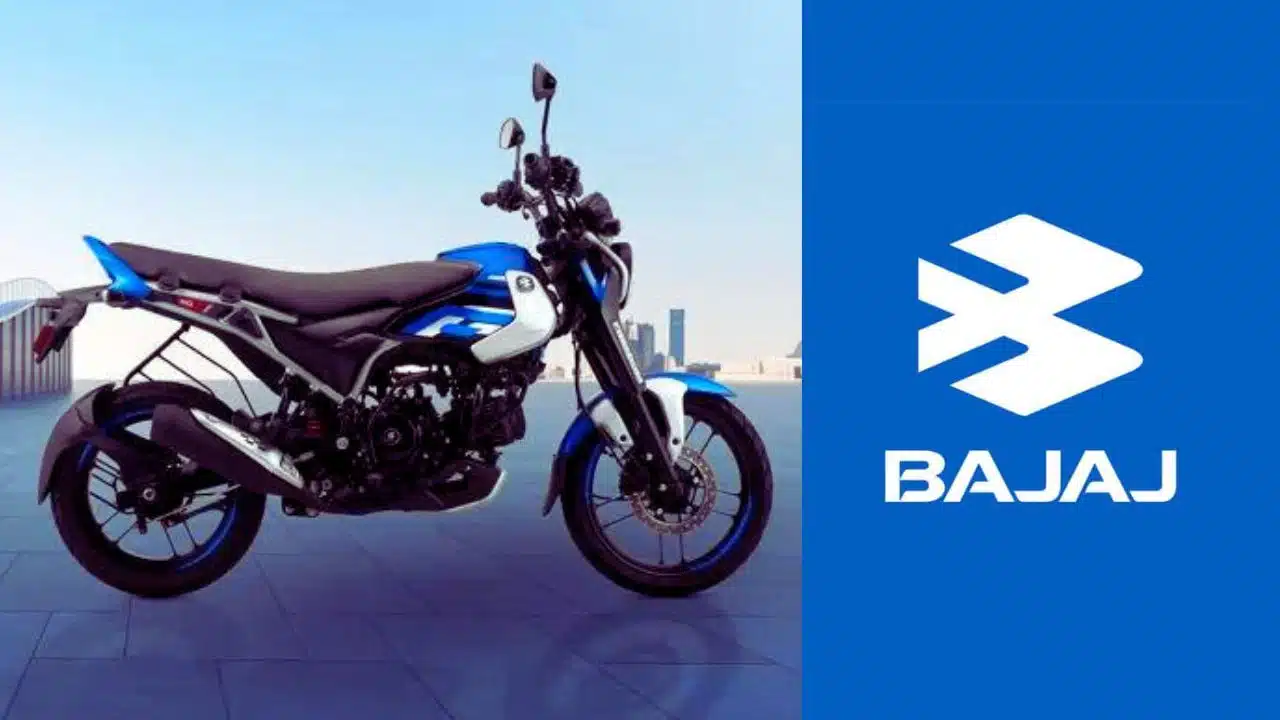
Bajaj Auto, a name synonymous with innovation in the Indian automotive sector, has once again pushed the boundaries of technology with the Freedom 125. As concerns about air pollution and rising fuel costs continue to plague urban centers across India, the company has responded with a solution that addresses both issues head-on. The Freedom 125 is designed to run primarily on Compressed Natural Gas (CNG), a cleaner and more affordable alternative to traditional petrol.
Understanding CNG Technology
Before we dive into the specifics of the Freedom 125, it’s crucial to understand what CNG is and how it works in vehicles:
1. What is CNG?
CNG is natural gas (primarily methane) that has been compressed to less than 1% of its volume at standard atmospheric pressure. It’s considered a cleaner-burning fuel compared to petrol or diesel.
2. How does CNG work in vehicles?
CNG is stored in high-pressure tanks. When needed, it’s released through a pressure regulator and mixed with air in the engine’s combustion chamber, where it’s ignited to power the vehicle.
3. CNG in India
India has been actively promoting CNG as an alternative fuel since the early 2000s, primarily to combat air pollution in major cities. The country has seen a significant expansion of CNG infrastructure, particularly in urban areas.
Key Features of the Bajaj Freedom 125
Let’s explore the innovative features that make the Freedom 125 stand out in the crowded two-wheeler market:
Technical Specifications of Bajaj Freedom 125
| Specification | Details |
|---|---|
| Engine | 124.45cc, single-cylinder, air-cooled |
| Fuel Type | CNG (with petrol option) |
| CNG Tank Capacity | 2 kg |
| Estimated Range (CNG) | Up to 140 km |
| Transmission | 4-speed manual |
| Starting System | Electric and kick start |
| Front Suspension | Telescopic forks |
| Rear Suspension | Twin shock absorbers |
| Front Brake | Disc |
| Rear Brake | Drum |
| Wheel Size | 17-inch (front and rear) |
1. Engine Specifications
The Freedom 125 is powered by a 124.45cc, single-cylinder, air-cooled engine. This engine has been specially designed to run on CNG, optimizing performance while minimizing emissions. The use of CNG allows for a higher octane rating, which can potentially lead to better engine performance and longevity.
2. Fuel Efficiency
One of the most attractive features of the Freedom 125 is its impressive fuel efficiency. Early reports suggest that the bike can deliver up to 70 km/kg of CNG, making it significantly more economical to run than traditional petrol bikes. This efficiency is partly due to the higher energy content of CNG compared to petrol.
3. CNG Storage
The bike is equipped with a CNG tank that can hold up to 2 kg of compressed gas. This provides a decent range of up to 140 km for city commuting and short trips. The tank is strategically placed to maintain the bike’s balance and handling characteristics.
4. Dual-Fuel Option
Recognizing the current limitations of CNG infrastructure, especially in smaller towns and rural areas, Bajaj has wisely included a dual-fuel option. This allows riders to switch to petrol when CNG is not available, ensuring uninterrupted journeys and expanding the bike’s usability across various regions.
5. Safety Features
Safety is a top priority in the Freedom 125. The CNG tank is made of high-strength steel and undergoes rigorous testing to ensure it can withstand high pressures and potential impacts. The bike is also equipped with multiple safety valves and a fire-resistant fuel line to prevent gas leakage.
6. Eco-Friendly Performance
The use of CNG significantly reduces harmful emissions. Compared to petrol, CNG produces up to 30% less carbon dioxide and up to 95% less carbon monoxide. This aligns with India’s commitment to reducing vehicular emissions and improving air quality in urban areas.
7. Low Maintenance
CNG engines typically require less maintenance than petrol engines. This is due to the clean-burning nature of CNG, which results in less wear and tear on engine components. The absence of lead in CNG also contributes to longer spark plug life and extended oil change intervals.
Environmental Impact
The introduction of the Bajaj Freedom 125 comes at a crucial time when India, like many countries, is striving to reduce its carbon footprint. Here’s how this CNG bike contributes to environmental conservation:
CNG vs. Petrol – Environmental Impact Comparison
| Pollutant | CNG Reduction vs. Petrol |
|---|---|
| Carbon Dioxide (CO2) | Up to 30% less |
| Carbon Monoxide (CO) | Up to 95% less |
| Nitrogen Oxides (NOx) | Up to 80% less |
| Particulate Matter | Up to 99% less |
| Sulfur Dioxide (SO2) | Nearly 100% less |
1. Reduced Greenhouse Gas Emissions
CNG produces significantly fewer greenhouse gases compared to petrol or diesel, helping to combat climate change. This is particularly important in India, which is one of the world’s largest emitters of greenhouse gases.
2. Improved Air Quality
The cleaner burn of CNG results in fewer particulate emissions, contributing to better air quality in urban areas. This is crucial for Indian cities, many of which struggle with severe air pollution problems.
3. Noise Pollution Reduction
CNG engines are generally quieter than their petrol counterparts, helping to reduce noise pollution in busy city environments. This can contribute to improved quality of life in dense urban areas.
4. Alignment with National Goals
The Freedom 125 aligns with India’s National Clean Air Programme (NCAP), which aims to reduce particulate matter concentration by 20-30% by 2024.
Economic Benefits
The Freedom 125 not only benefits the environment but also offers significant economic advantages:
Estimated Cost Comparison (Based on Average Indian Prices)
| Aspect | Bajaj Freedom 125 (CNG) | Typical 125cc Petrol Bike |
|---|---|---|
| Estimated Vehicle Cost | ₹75,000 – ₹85,000 | ₹65,000 – ₹75,000 |
| Fuel Cost per km | ₹1.5 – ₹2.0 | ₹2.5 – ₹3.0 |
| Annual Fuel Cost (10,000 km) | ₹15,000 – ₹20,000 | ₹25,000 – ₹30,000 |
| Annual Maintenance Cost | ₹2,000 – ₹3,000 | ₹3,000 – ₹4,000 |
1. Lower Fuel Costs
CNG is typically cheaper than petrol, resulting in lower running costs for riders. In India, CNG prices are often 40-50% lower than petrol prices, leading to significant savings over time.
2. Government Incentives
Many state governments in India offer incentives for CNG vehicles, including tax benefits and subsidies, making the Freedom 125 an attractive option for cost-conscious consumers. For instance, some states offer reduced road tax for CNG vehicles.
3. Reduced Maintenance Costs
The cleaner-burning nature of CNG can lead to lower maintenance costs over the life of the vehicle. This includes longer intervals between oil changes and reduced wear on engine components.
4. Potential for Increased Resale Value
As awareness of environmental issues grows and fuel prices continue to rise, CNG vehicles like the Freedom 125 may command higher resale values in the future.
Challenges and Considerations
While the Bajaj Freedom 125 offers numerous benefits, there are some challenges to consider:
Pros and Cons of CNG Bikes
| Pros | Cons |
|---|---|
| Lower fuel costs | Limited refueling infrastructure |
| Reduced emissions | Longer refueling time |
| Lower maintenance costs | Potential loss of storage space |
| Quieter operation | Higher initial vehicle cost |
| Potential tax incentives | Slightly reduced power output |
| Dual fuel option (CNG/Petrol) | Performance affected in cold weather |
1. Limited CNG Infrastructure
While India has made significant strides in expanding its CNG network, the availability of CNG refueling stations is still limited in many areas, particularly outside major cities. This could be a concern for long-distance travel or for users in smaller towns and rural areas.
2. Initial Cost
The upfront cost of the Freedom 125 may be higher than comparable petrol models due to the specialized CNG technology. However, this cost difference is often offset by lower running costs over time.
3. Refueling Time
CNG refueling can take longer than filling up with petrol, which might be inconvenient for some users, especially during peak hours at CNG stations.
4. Performance in Cold Weather
CNG vehicles can sometimes face starting issues in very cold weather, although this is less likely to be a concern in most of India’s climate. However, it could affect performance in some northern regions during winter months.
5. Storage Space
The CNG tank may take up some space that could otherwise be used for storage, potentially limiting the bike’s cargo capacity compared to traditional petrol models.
The Future of Two-Wheeler Transportation in India
The Bajaj Freedom 125 represents a significant step towards sustainable transportation in India. As the world’s first auto CNG bike, it paves the way for further innovations in eco-friendly two-wheeler technology. Here’s what we might expect in the future:
1. Improved CNG Infrastructure
As more CNG vehicles hit the roads, we can anticipate an expansion of CNG refueling stations across the country. The Indian government has already announced plans to increase the number of CNG stations significantly over the next few years.
2. Advancements in CNG Technology
Future iterations of CNG bikes may offer improved range, faster refueling times, and even better performance. Research is ongoing to develop more efficient CNG engines and storage solutions.
3. Hybrid Technologies
We might see the development of hybrid CNG-electric bikes, combining the benefits of both technologies. This could provide an even more environmentally friendly option with extended range capabilities.
4. Policy Support
The Indian government is likely to introduce more policies supporting CNG and other alternative fuel vehicles to meet environmental targets. This could include increased subsidies, tax benefits, and stricter emission norms for conventional vehicles.
5. Increased Adoption in Commercial Sector
The success of CNG bikes like the Freedom 125 could lead to increased adoption in the commercial sector, particularly for last-mile delivery services in urban areas.
CNG Adoption in India
The introduction of the Freedom 125 aligns with India’s growing adoption of CNG technology:
CNG Adoption in India (As of 2023)
| Category | Number |
|---|---|
| CNG Stations | Approx. 4,500 |
| Cities with CNG Infrastructure | 500+ |
| CNG Vehicles on Road | 4+ million |
| Annual CNG Consumption | 3.5+ billion kg |
India has made significant progress in expanding its CNG infrastructure over the past two decades. The number of CNG stations has grown from just a handful in the early 2000s to over 4,500 in 2023, covering more than 500 cities across the country. This expansion has been driven by a combination of government initiatives, environmental concerns, and economic factors.
The adoption of CNG vehicles has also seen substantial growth, with over 4 million CNG vehicles on Indian roads as of 2023. This includes not just personal vehicles but also a significant number of public transport vehicles, including buses and auto-rickshaws in major cities.
Comparison: Freedom 125 vs. Traditional Petrol Bikes
To better understand the Freedom 125’s positioning in the market:
| Feature | Bajaj Freedom 125 (CNG) | Typical 125cc Petrol Bike |
|---|---|---|
| Fuel Type | CNG (with petrol option) | Petrol |
| Fuel Efficiency | Up to 70 km/kg | 50-60 km/l (approx.) |
| Emissions | Lower | Higher |
| Fuel Cost | Lower | Higher |
| Initial Cost | Higher | Lower |
| Maintenance Cost | Lower | Higher |
| Refueling Time | Longer | Shorter |
| Refueling Availability | Limited | Widely Available |
This comparison highlights the key differences between the Freedom 125 and traditional petrol bikes in the same category. While the Freedom 125 may have a higher initial cost and some limitations in terms of refueling, it offers significant advantages in terms of running costs, emissions, and long-term maintenance.
Impact on the Indian Automotive Industry
The introduction of the Bajaj Freedom 125 is likely to have far-reaching effects on the Indian automotive industry:
1. Increased Competition
Other major two-wheeler manufacturers in India may be prompted to develop their own CNG models, leading to increased competition and innovation in the sector.
2. Supply Chain Development
The production of CNG bikes will necessitate the development of new supply chains for specialized components, potentially creating new job opportunities and fostering innovation in the auto parts industry.
3. Skill Development
The introduction of CNG technology in two-wheelers will require mechanics and service personnel to acquire new skills, potentially leading to enhanced training programs and job opportunities.
4. Export Potential
If successful in the Indian market, the Freedom 125 and similar CNG bikes could have significant export potential, particularly to other developing countries facing similar environmental and economic challenges.
Takeaway
The Bajaj Freedom 125 marks a significant milestone in the Indian automotive industry as the world’s first auto CNG bike. By combining eco-friendly CNG technology with practical design, Bajaj has created a vehicle that addresses both environmental concerns and economic considerations. While challenges such as limited CNG infrastructure exist, the potential benefits of this innovative bike are substantial.
As India moves towards a more sustainable future, vehicles like the Freedom 125 will play a crucial role in reducing dependence on fossil fuels and improving air quality in cities. The success of this pioneering bike could pave the way for more widespread adoption of CNG technology in the two-wheeler market, potentially transforming urban transportation as we know it.
The Bajaj Freedom 125 is more than just a new bike model; it’s a glimpse into the future of sustainable mobility in India and beyond. As consumers become more environmentally conscious and governments push for cleaner transportation options, innovations like this CNG bike will become increasingly important. Whether you’re an eco-conscious rider, a technology enthusiast, or simply someone looking for a more economical way to commute, the Freedom 125 offers an exciting new option in the world of two-wheelers.
The journey towards cleaner, more sustainable transportation is ongoing, and the Bajaj Freedom 125 represents a significant step forward on this path. As technology continues to evolve and infrastructure improves, we can look forward to even more innovative solutions that balance our need for mobility with our responsibility to the environment.





















