

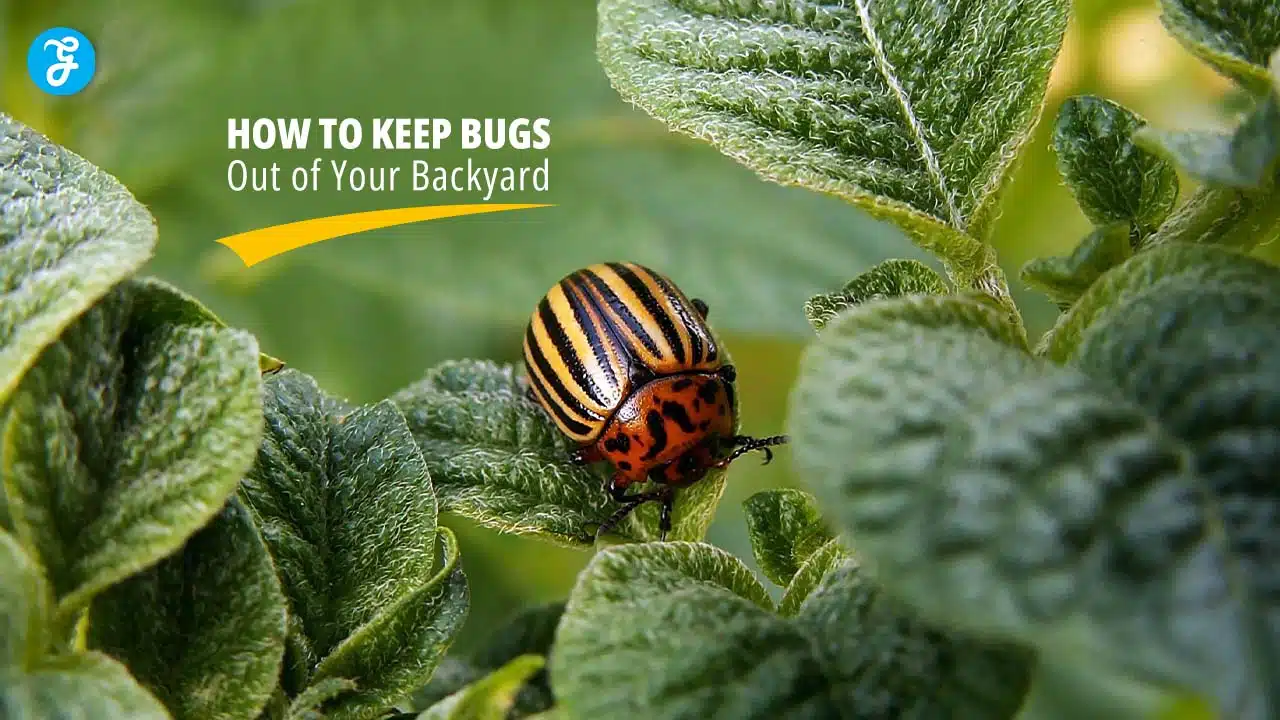
Bugs can turn your backyard from a peaceful oasis into an itchy nightmare. Nobody wants to spend their outdoor time swatting at flies or scratching mosquito bites. Keeping insects at bay lets you enjoy your yard to the fullest.
You can take simple steps to make your backyard less appealing to bugs. Removing standing water, using certain plants, and keeping your yard tidy all help reduce insect populations.
With some planning and effort, you can create an outdoor space where you and your guests feel comfortable.
Understanding Common Backyard Pests
Backyard pests can be a nuisance, but not all insects are harmful. Some bugs help your garden thrive. Knowing which insects to watch out for and which to welcome can make a big difference in maintaining a healthy outdoor space.
Identifying Harmful Insects
Mosquitoes are one of the most annoying backyard pests. They breed in standing water and can spread diseases. To reduce mosquito populations, eliminate sources of stagnant water in your yard.
Ticks are another concern, especially in areas with tall grass. They can carry Lyme disease and other illnesses. Keep your lawn mowed and create barriers between wooded areas and your yard to limit tick exposure.
Crickets may seem harmless, but they can damage plants and fabrics. Their chirping can also be disruptive at night. Remove hiding spots like piles of leaves or wood to discourage crickets.
Learning About Beneficial Bugs
Bats are often misunderstood but are incredibly helpful for pest control. A single bat can eat thousands of insects in one night. Consider installing a bat house to attract these natural pest controllers to your yard.
Ladybugs are another friend of gardeners. They feed on aphids and other tiny pests that damage plants. Attract ladybugs by planting flowers like marigolds or daisies.
Bees are vital pollinators for your garden. They help flowers and vegetables grow. Create a bee-friendly environment by avoiding pesticides and planting native flowers that bloom throughout the season.
Preventative Measures

Keeping bugs out of your backyard starts with proactive steps. A clean yard and natural repellents can make a big difference in reducing pest populations.
Maintaining a Clean Yard
Mow your lawn often. Short grass gives bugs fewer places to hide. Remove standing water from your yard: empty birdbaths, flower pots, and kiddie pools. Mosquitoes breed in still water.
Clean up yard debris. Rake leaves and pick up fallen branches. These can be homes for ticks and other pests. Store firewood away from your house. Wood piles attract termites and other insects.
Trim bushes and trees near your home. This cuts down on hiding spots for bugs. Keep your gutters clean, too. Clogged gutters hold water and attract pests.
Using Natural Repellents
Plant bug-repelling flowers and herbs. Marigolds keep mosquitoes away. Lavender repels moths and flies. Mint deters ants and flies.
Use citronella candles or torches. The smell keeps mosquitoes at bay. Place them around your patio or deck. Light them when you’re outside.
Try essential oils. Mix water with peppermint, eucalyptus, or tea tree oil. Spray it on plants and outdoor furniture. These scents bother many insects.
Grow lemon balm or citronella grass. These plants naturally repel bugs. Put them in pots near seating areas. Their smell will help keep pests away from you.
1. Remove standing water
Getting rid of standing water is critical to keeping bugs away. Mosquitoes love to lay eggs in still water. Look around your yard for any spots where water collects.
When not in use, Empty birdbaths, pet bowls, and kiddie pools. Check for clogged gutters or downspouts that may trap water. Fix leaky outdoor faucets and pipes.
Fill in low areas of your lawn where puddles form. Use a rake or shovel to level out these spots. Add soil if needed to raise sunken areas.
Cover rain barrels and other water collection containers with tight-fitting lids or screens. This stops mosquitoes from getting in to lay eggs.
Clean out your pool regularly and keep the water circulating. Stagnant pool water quickly becomes a mosquito breeding ground.
By removing standing water, you’ll significantly reduce the number of mosquitoes and other bugs in your backyard. This simple step makes a big difference in creating a more enjoyable outdoor space.
2. Use citronella candles
Citronella candles can help keep bugs away from your backyard. These unique candles contain oil from citronella grass, which bugs don’t like.
To use citronella candles, place them around your outdoor area. Put them on tables, railings, or in safe spots on the ground. Light the candles about 30 minutes before you plan to be outside.
The smell of the candles creates a bug-free zone nearby. It works best in smaller areas, like patios or decks. For bigger spaces, you’ll need more candles spread out.
You can buy citronella candles at many stores. Or you can make your own. To make them, melt wax and add citronella oil. Use about three drops of oil for each cup of wax. Pour the mix into jars or molds and add a wick.
Remember, citronella candles work best with other bug-fighting methods. They won’t keep all bugs away on their own. But they can help make your backyard more comfortable on summer nights.
3. Install insect-repellent lighting
Bugs are attracted to bright lights, but you can use this to your advantage. Switch your regular outdoor bulbs to yellow compact fluorescent lamps (CFLs) or low-heat LEDs. Insects have trouble seeing these types of lights.
Consider adding bug-zapping fixtures to your backyard. These devices attract and eliminate insects from your seating areas. Place them at a distance from where you and your guests gather.
Another option is to use special bug-repellent light bulbs. These emit a wavelength that bugs don’t like. You can find these at most home improvement stores.
Don’t forget about natural light sources. Citronella candles provide a pleasant ambiance and help keep bugs away. You can place these around your patio or seating area.
Remember to position your lights strategically. Keep them away from entry points to your home and outdoor living spaces. This will help prevent bugs from following the light inside.
4. Keep your yard clean
A tidy yard is your first line of defense against bugs. Mow your lawn regularly to keep the grass short. This removes hiding spots for ticks and other pests.
Trim bushes and trees away from your house. When branches touch your home, they create bridges for insects to enter.
Remove standing water from your yard. Empty bird baths, kiddie pools, and flower pot saucers often. Mosquitoes breed in even small amounts of stagnant water.
Clean up fallen leaves, twigs, and other yard debris. These provide shelter for many insects. Rake regularly and dispose of yard waste properly.
Store firewood away from your house. Stack it neatly and keep it off the ground if possible. This prevents termites and other wood-boring insects from moving in.
Keep your outdoor trash cans clean and tightly sealed. Food scraps attract flies, ants, and other pests. Rinse containers regularly and use lids that fit securely.
5. Use natural bug repellents like essential oils
Essential oils can help keep bugs away from your backyard. Many plants produce these oils to protect themselves from insects. You can use them too.
Cedarwood oil is excellent for repelling moths, mosquitoes, and flies. It’s often used in closets and mulch to keep pests away.
Citronella and lemongrass oils are popular choices. They work well against mosquitoes and other flying insects. You can mix them with witch hazel to make a spray.
Peppermint oil is another good option. Its robust and minty smell drives away many bugs. It’s especially effective against flying pests.
Tea tree oil can also help keep insects at bay. Mix it with other oils for a powerful natural repellent.
To make your spray, combine these oils with witch hazel or alcohol. Put the mixture in a spray bottle. Shake well before each use.
You can also use dried herbs instead of oils. Mix them with witch hazel or vinegar. This method is cheaper but may not work as well as essential oils.
Remember to test any new repellent on a small area first. Some people may be sensitive to certain oils.
6. Plant bug-repellent plants such as marigolds
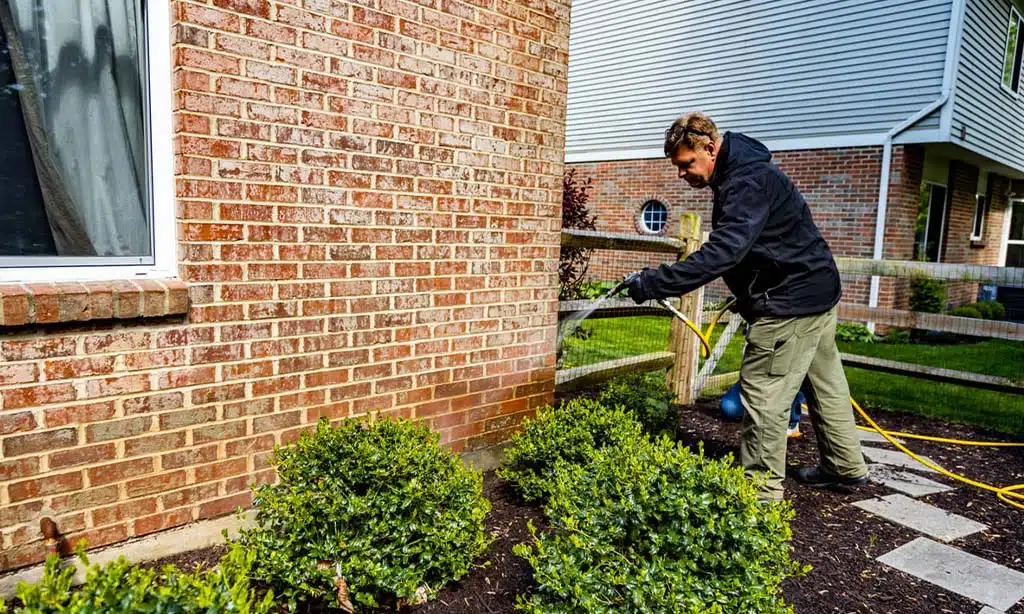
Marigolds are an excellent choice for keeping bugs away from your backyard. These colorful flowers have a strong scent that many insects don’t like.
French marigolds work best for pest control. They have the most pungent smell and contain chemicals that repel insects. Plant them around the edges of your garden or between rows of vegetables.
You can buy marigolds from garden centers or grow them from seeds. Place them in sunny spots and water them when the soil feels dry. Remove faded blooms to encourage more flowers.
Marigolds help protect other plants in your garden. They can keep away pests like aphids and whiteflies. Some gardeners even claim they repel mosquitoes.
For best results, use marigolds along with other pest control methods. They work well in a larger plan to keep bugs out of your backyard.
Remember to choose scented marigolds. Some newer types don’t have a strong smell and won’t work as well for pest control.
7. Install a patio fan
A patio fan can be a game-changer for your backyard bug problem. These fans create a breeze that makes navigating difficult for flying insects.
Most bugs struggle to fly at wind speeds over one mph. A good patio fan can quickly produce this kind of airflow, keeping your outdoor space bug-free.
You can choose from different types of patio fans. Ceiling fans work well for covered porches. For open areas, try freestanding pedestal fans or table fans.
Place your fan strategically. Put it near seating areas or dining spots where you spend the most time outside. This way, you’ll get the most benefit from the airflow.
Some fans come with built-in bug zappers or repellent diffusers. These extras can boost your bug defense even more.
Remember to clean your fan regularly. Dust and debris can make it less effective over time. A quick wipe-down every few weeks should do the trick.
8. Build a bat house
Bats can be great allies in your battle against bugs. They eat tons of insects every night, including mosquitoes. Building a bat house gives these helpful creatures a place to live near your yard.
To make a bat house, use exterior-grade plywood. Cut two pieces—one 26 inches long and another 22 inches long. Both should be 2 feet wide. Roughen the inside of the wood to give bats something to grip.
Mount your bat house 12–20 feet off the ground. This keeps bats safe from predators. You can attach it to poles or the side of a building. Make sure it gets plenty of sunlight.
Add a 4-inch landing strip at the bottom. Bats need this to climb into the house. Include small vents on the sides and front for airflow.
Paint dark brown or black outside to absorb heat—bats like warm homes. Natural pest control will work for you all night with a cozy bathhouse nearby.
9. Use a bug zapper
Bug zappers can help reduce flying insects in your backyard. These devices use ultraviolet light to attract bugs and zap them with electricity.
You can find different types of bug zappers. Some are designed to hang from trees or structures, while others can be placed on the ground.
When choosing a zapper, look for one with the right coverage area for your yard. Larger spaces may need more powerful units.
Place your bug zapper away from areas where people gather. This helps prevent attracting bugs to your seating areas. Putting the zapper 20–40 feet from outdoor living spaces is best.
Remember that zappers don’t target specific pests. They may kill beneficial insects along with nuisance bugs. Consider this when deciding if a zapper is suitable for your yard.
Clean your bug zapper regularly. Empty the tray that collects dead insects and wipe down the outer casing. This keeps it working well and prevents odors.
Bug zappers should be part of a more extensive pest control plan for the best results. Combine them with other methods, like removing standing water and using repellents.
10. Apply diatomaceous earth around the yard
Diatomaceous earth is a natural way to keep bugs out of your backyard. It’s a fine powder made from tiny fossilized algae. You can use it to control many pests like ants, slugs, and aphids.
To use diatomaceous earth, sprinkle it around problem areas in your yard. Put it on soil, in cracks, and near places where you often see bugs. Make sure to use food-grade diatomaceous earth for safety.
Apply the powder on a calm day when there’s no wind. This helps it stay in place. Mix it with water to make a spray for better coverage.
Wear a mask when spreading diatomaceous earth. The fine dust can irritate your lungs if you breathe it in. Reapply after rain or heavy dew since water reduces its effectiveness.
Remember, when used correctly, diatomaceous earth works on many insects but won’t harm pets or people. It’s a safe option for keeping your backyard bug-free.
Wrap up
Keeping bugs out of your backyard requires a combination of strategies and regular maintenance. By eliminating standing water, using natural repellents, installing insect-repellent lighting, and keeping your yard clean, you can significantly reduce the presence of pests.
Planting bug-repellent plants like marigolds, using essential oils, and incorporating tools like patio fans, bug zappers, and diatomaceous earth further enhance your efforts. Building bat houses can also introduce natural pest control to your space.
These measures create a more enjoyable and comfortable outdoor environment, fully allowing you and your guests to enjoy your backyard without the nuisance of bugs.






















