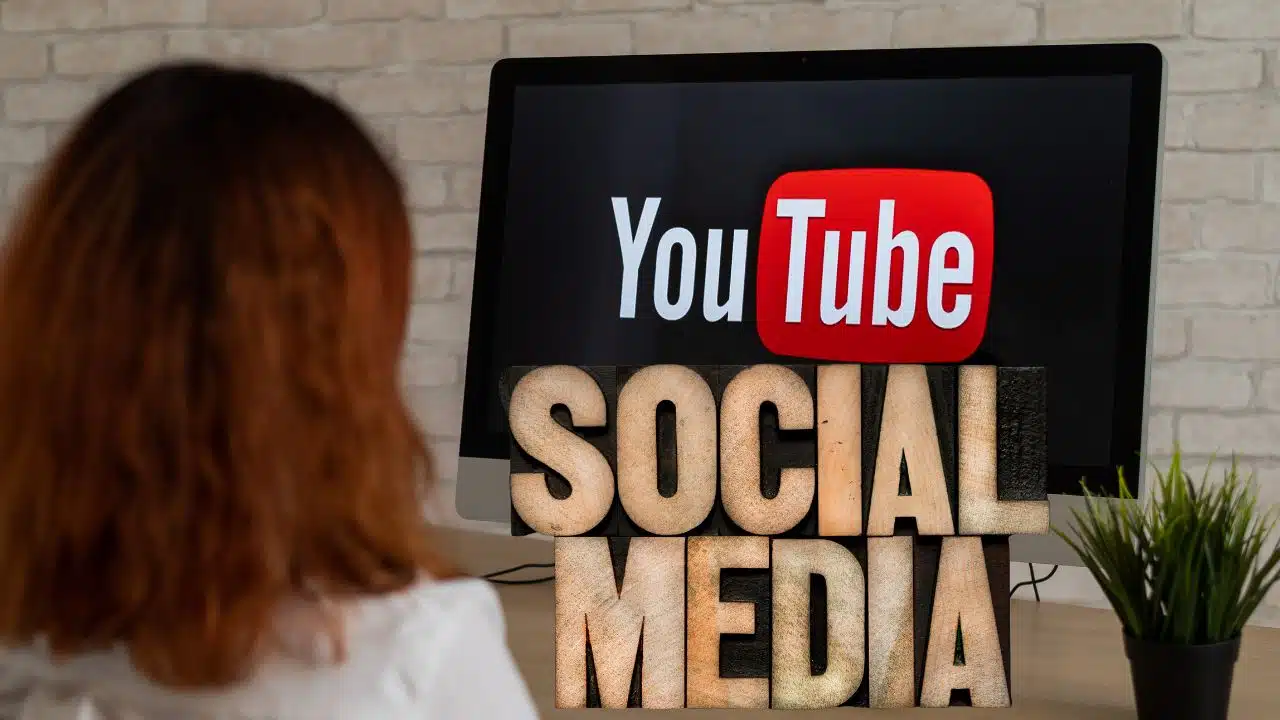
In a bold step aimed at protecting the mental health and safety of minors, Australia has announced an expanded ban on social media access for users under the age of 16—and this time, YouTube is being added to the list.
The updated regulation will come into force in December 2025, and follows growing concern from both parents and experts about the effects of social media on adolescents. Previously excluded due to its educational value, YouTube has now been brought under restriction, following a recommendation from Australia’s internet regulator, which cited widespread exposure to harmful content among minors.
Prime Minister Anthony Albanese confirmed this latest development on July 30, 2025, signaling that the government is serious about addressing online risks for young people.
Why YouTube Was Initially Exempt—and Why That Changed
YouTube, owned by tech giant Alphabet (Google), had not been included in the initial list of banned platforms. The platform was viewed as an educational tool, with a wide range of tutorials, lectures, and content suitable for classroom use. Many teachers and students across Australia relied on it during the COVID-19 pandemic for remote learning.
However, new data from a 2022 nationwide survey conducted by the eSafety Commissioner’s Office revealed that approximately 37% of teens reported encountering violent, sexual, hateful, or distressing content on YouTube. That statistic—paired with mounting pressure from mental health professionals—prompted officials to reassess the platform’s role in teen safety.
In addition, the explosion of short-form video content through YouTube Shorts (similar to TikTok and Instagram Reels) has blurred the line between entertainment and education, raising concerns that the platform may now be just as risky as others already banned.
The Full List of Platforms to Be Banned for Under-16s
As part of the regulation, teens under 16 in Australia will be banned from signing up for or using the following platforms without verified parental consent:
- YouTube
- TikTok
- Snapchat
These platforms are the most widely used by teens, according to a 2022 report from the Australian Bureau of Statistics and a follow-up study by the Australian Centre for Digital Wellbeing. All of them are now under scrutiny for allowing content that can negatively impact young minds, especially during critical stages of social, emotional, and cognitive development.
Pushback from Tech Companies
Tech companies, including Meta (which owns Facebook and Instagram), Snap Inc., TikTok, and Google, have all voiced their disapproval of the government’s sweeping action.
They argue that such bans:
- Infringe on freedom of speech and expression
- Prevent access to online educational and community resources
- Do not account for effective parental controls and content filtering systems already in place
In response, Australia’s eSafety Commissioner, Julie Inman Grant, emphasized that while platforms offer tools for safer use, enforcement is uneven, and many underage users continue to slip through age-verification filters.
The Mental Health Link: What the Data Says
The move comes against the backdrop of increasing concern over the mental health crisis among teens, not just in Australia, but globally.
Here are some key findings:
- A 2023 study by JAMA Pediatrics found that adolescents aged 12 to 15 who used social media for more than three hours a day were significantly more likely to report symptoms of anxiety, depression, and low self-worth.
- According to the Australian Institute of Health and Welfare, rates of self-harm, suicidal ideation, and eating disorders among teens have increased substantially in the last five years, with social media cited as a major contributing factor.
- In Australia, over 1 in 4 children aged 12–17 reported cyberbullying, with girls more likely to experience harassment based on appearance or social exclusion.
Not All Teens Are Affected the Same Way
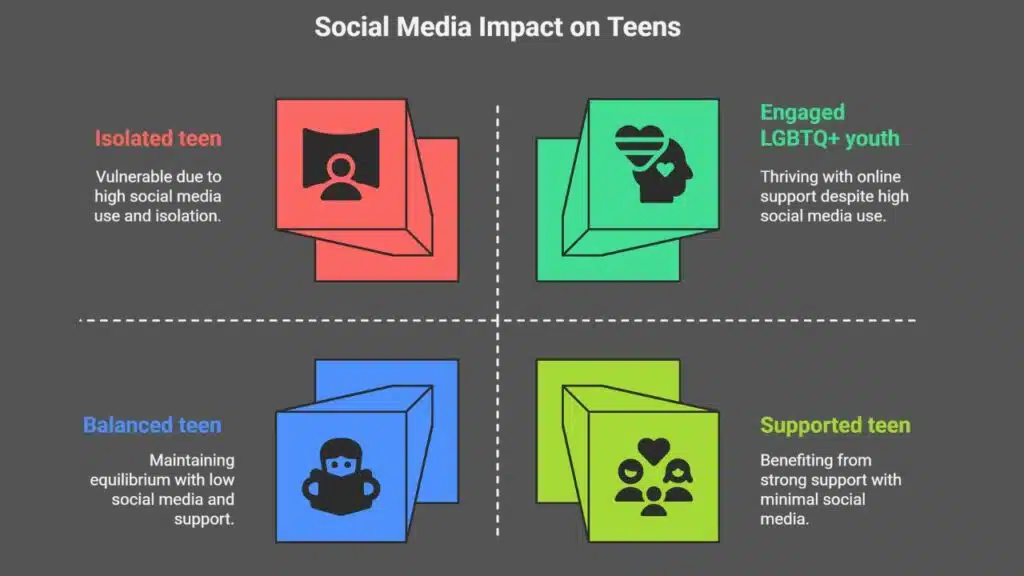
Experts stress that social media’s effects vary greatly from teen to teen, depending on:
- What they view online – Educational vs. toxic or exploitative content
- Time spent – Prolonged use (3+ hours daily) increases risk of harm
- Offline environment – Family support, school life, and community engagement play a key role
- Cultural context – Teen identity formation is closely tied to cultural values and representation
According to the American Psychological Association, social media can benefit teens who are socially isolated or marginalized—especially LGBTQ+ youth, racial minorities, or those with disabilities. For them, online communities can offer connection and support. However, these positives do not negate the need for boundaries and safe digital environments.
A Closer Look at Australia’s Teen Usage Statistics
A detailed survey conducted by the Digital Youth Research Project in 2022 involved 1,300 teens aged 12–17 across various Australian states and territories. The results were as follows:
| Platform | % of Teens Using Daily |
| YouTube | 85% |
| TikTok | 72% |
| 66% | |
| Snapchat | 59% |
| 34% |
Furthermore, 35% of respondents admitted to using one or more of these platforms multiple times a day, sometimes for 5+ hours. Sleep disruption, academic decline, and withdrawal from family were frequently reported.
Key Concerns and Risks for Teens
Here are the primary risks that have driven Australia’s new policy forward:
1. Cyberbullying
A major threat with long-term consequences. Cyberbullying often leads to anxiety, depression, school avoidance, and even self-harm.
2. Inappropriate Content
Teens report seeing graphic violence, sexualized imagery, misinformation, and hate speech. These affect emotional stability and worldview formation.
3. Sleep Disruption
Many teens stay up scrolling into the night. Poor sleep affects memory, mood, learning, and immune function.
4. Predatory Behavior
Online predators actively target young users. Incidents of sextortion and grooming have spiked in recent years.
5. Unrealistic Body Standards
Instagram and TikTok have been widely criticized for promoting filters and body images that lead to low self-esteem, especially among teenage girls.
6. Addiction and Dopamine Triggers
Platforms are designed to hook users with notifications, likes, and endless scroll features, leading to addictive behaviors and constant checking.
What Can Parents Do?
Australia’s eSafety guidelines recommend that parents take a proactive role in managing teen social media use.
Here are key suggestions:
- Keep devices out of bedrooms, especially at night
- Limit screen time to no more than 1–2 hours of social media per day
- Turn on privacy settings to reduce public exposure
- Follow your teen’s accounts to stay aware
- Hold regular conversations to discuss online experiences
- Set clear rules around usage during school, meals, and family time
- Model good behavior by managing your own screen habits
What Happens After the Ban?
From December 2025, age verification systems will be mandatory for all platforms operating in Australia. Companies that fail to comply risk fines and even restricted access.
Authorities also plan to work with schools, parents, and youth organizations to ensure awareness and support are provided during the transition.
Meanwhile, government agencies are investing in mental health resources, launching public awareness campaigns, and offering digital literacy workshops in schools.
Australia’s decision to expand its teen social media ban marks one of the most comprehensive online safety policies in the world. While controversial, it reflects the growing urgency to address digital threats facing today’s youth.
As other nations watch closely, this policy may spark a global debate on the balance between access to technology and the protection of minors in an increasingly connected world.
The Information is Collected from BBC and MSN.