

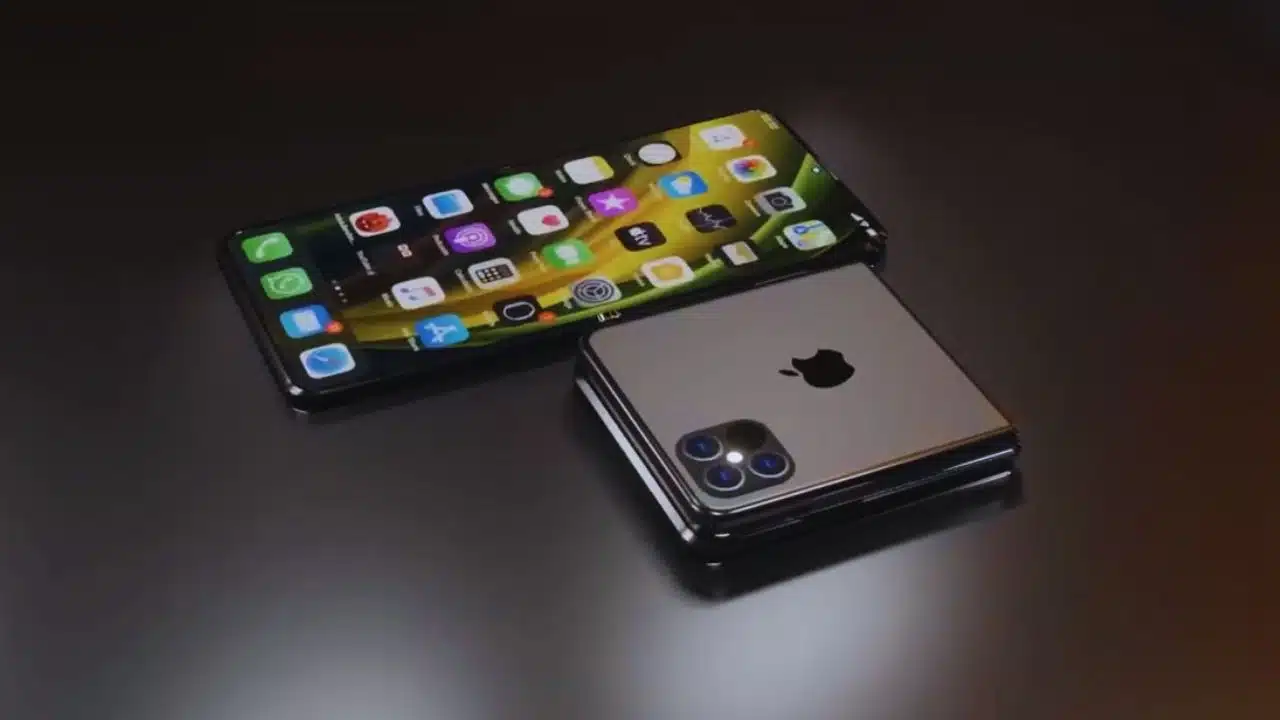
For years, the smartphone industry has been buzzing with speculation about when Apple would finally step into the foldable phone arena. While Samsung, Huawei, and other Android manufacturers have already released multiple generations of foldable devices, Apple has remained tight-lipped about its plans.
Now, a new development may have shed light on the long-awaited foldable iPhone, and the source is none other than Apple’s biggest rival and supplier — Samsung Display.
Samsung Hints at Apple’s Foldable Plans
According to a report by the South Korean outlet Chosun Biz, Samsung Display President Lee Cheong recently made remarks suggesting that his company is preparing to mass-produce foldable OLED screens for a major “North American client.” While Apple was not mentioned by name, industry experts and analysts widely agree that the description points directly to Apple.
Cheong further added that this unnamed client usually unveils its flagship products in the second half of the year — a timeline that perfectly aligns with Apple’s September iPhone launch cycle. This has fueled speculation that the long-rumored foldable iPhone could debut alongside the iPhone 18 series in 2026, marking Apple’s first entry into the foldable market.
Samsung Display has also confirmed that it is ramping up production capacity for 8.6-generation OLED panels, a next-generation display technology that will support larger foldable screens. This move indicates that Apple may be planning to launch a device that prioritizes durability, display quality, and slimness — areas where foldable traditionally face challenges.
Why Samsung’s Leak Matters
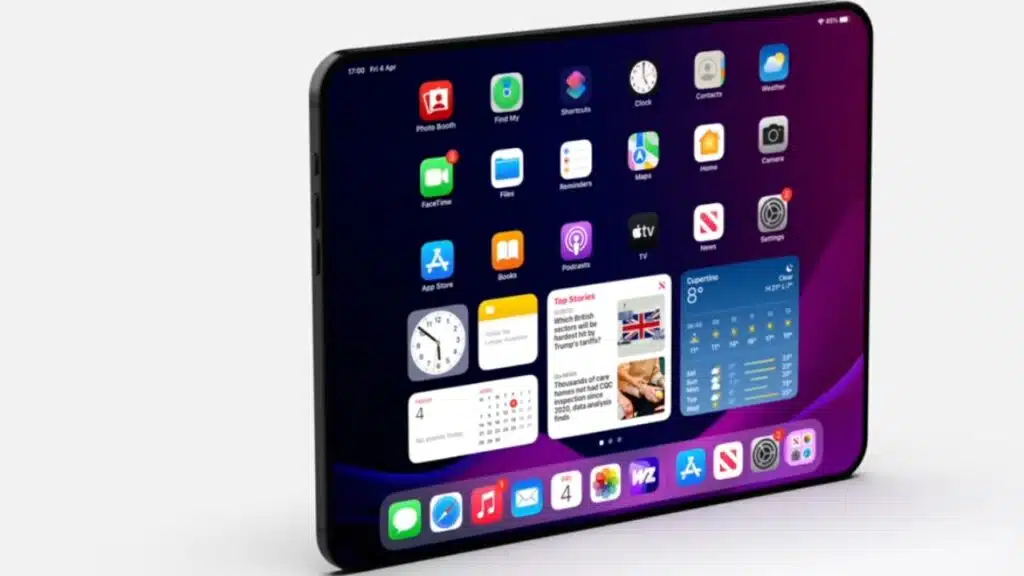
The fact that such information came from Samsung, Apple’s largest competitor in foldable and a primary supplier of displays, makes the leak particularly significant. Samsung has dominated the foldable phone market with its Galaxy Z Fold and Z Flip lines, and it stands to benefit financially by supplying the displays if Apple enters the market.
At the same time, this disclosure underlines the complex supplier relationship between the two companies. Apple competes fiercely with Samsung in the premium smartphone market, yet it relies heavily on Samsung Display for cutting-edge OLED technology.
Expected Design and Features of the Foldable iPhone
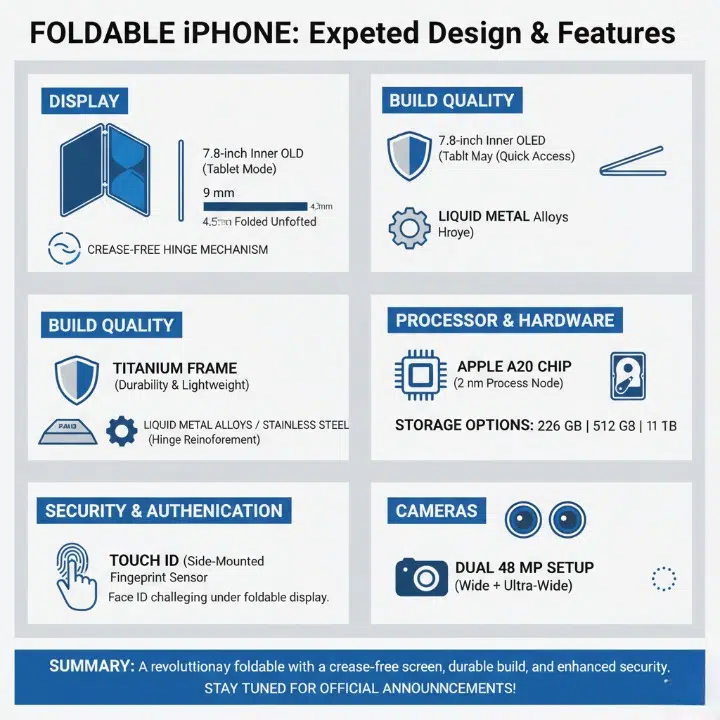
Although Apple has not officially confirmed anything, multiple leaks and analyst reports over the last two years have revealed what the device might look like.
Display
- Rumors suggest that Apple’s first foldable iPhone will feature a 7.8-inch inner OLED display for tablet-like use and a 5.5-inch external display for quick access when folded.
- Apple is reportedly working on a crease-free hinge mechanism, addressing one of the biggest pain points of current foldable devices. If successful, this could give Apple’s foldable iPhone a design advantage over rivals.
- Thickness is another key focus: leaks suggest the device will measure around 9 mm when folded and just 4.5 mm when unfolded, giving it one of the slimmest profiles in the foldable category.
Build Quality
- Apple is said to be experimenting with a titanium frame for enhanced durability while keeping the device lightweight.
- Some reports also hint at the use of liquid metal alloys or stainless steel components to reinforce the hinge structure.
Processor and Hardware
- Industry insiders believe the device will run on Apple’s upcoming A20 chip, expected to be manufactured on a 2 nm process node. This would make it one of the most powerful processors in any foldable device.
- Storage options may mirror Apple’s flagship iPhones, ranging from 256 GB to 1 TB, catering to professional and creative users.
Security and Authentication
- Unlike current iPhones, which rely on Face ID, the foldable iPhone may reintroduce Touch ID, likely via a side-mounted fingerprint sensor. Analysts argue this is because implementing Face ID under a foldable display is technologically challenging.
Cameras
- Camera details remain speculative, but leaks suggest at least a dual 48 MP setup (wide and ultra-wide), possibly with an under-display selfie camera for a seamless foldable experience.
Timeline: When Could Apple Launch It?
- Most credible analysts expect the foldable iPhone to launch in late 2026, likely marketed as part of the iPhone 18 lineup.
- Apple is known for not rushing into new categories until the technology is mature — and this may explain why it has waited while Samsung and others experimented with earlier models.
- Experts also believe Apple may limit production to 10–15 million units initially, making it more of a premium niche product rather than a mass-market iPhone.
Price and Market Position
Given its ambitious design and use of premium materials, Apple’s foldable iPhone will almost certainly be expensive. Early pricing rumors suggest a retail tag between USD $1,800 and $2,400 — possibly higher depending on storage and configurations.
This pricing strategy would place the foldable iPhone firmly in the luxury segment, appealing to early adopters, professionals, and Apple loyalists. Apple has historically used such launches to test the waters before scaling up production in later generations.
Challenges Apple Faces
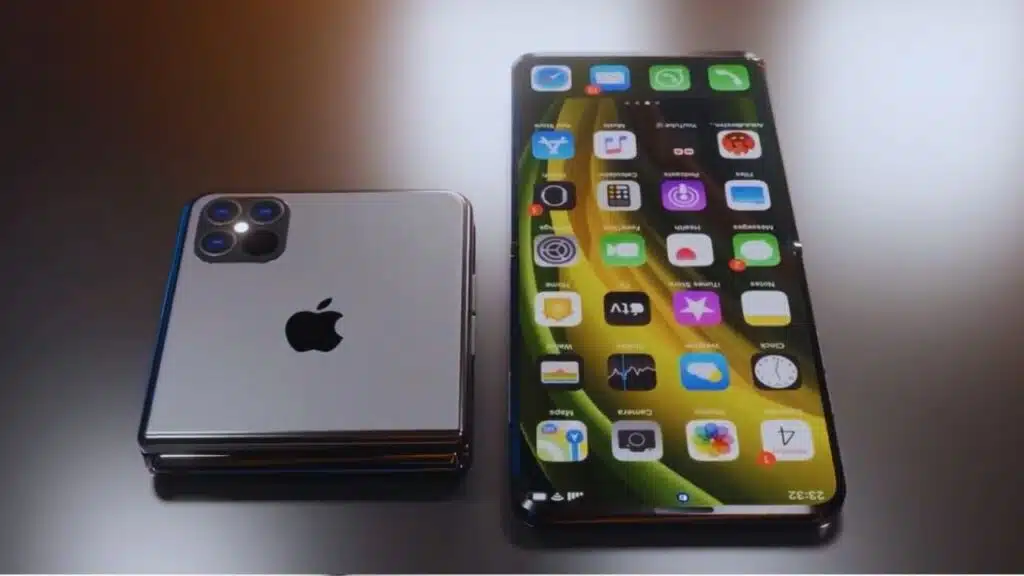
While the buzz around Apple’s foldable iPhone is growing, there are still hurdles to clear:
- Durability – Foldable screens remain more fragile compared to traditional glass. Apple will need to deliver a hinge and screen design that can withstand years of daily use.
- Battery Life – Slim profiles often mean smaller batteries. Apple must balance thinness with all-day power.
- Software Optimization – A foldable device requires unique software features for multitasking and screen transitions. Apple’s strength in iOS integration could give it an edge here.
- Market Competition – By the time Apple enters, Samsung will likely be on its 7th or 8th generation of foldable, giving it maturity and experience in this category.
Why Apple’s Foldable iPhone Could Change the Market
Despite these challenges, Apple’s entry into the foldable segment could be a watershed moment for the industry. Historically, when Apple embraces a new category — whether it was smartphones with the iPhone in 2007, tablets with the iPad in 2010, or smartwatches with the Apple Watch in 2015 — it often drives mass adoption and shapes the market.
If Apple delivers a foldable iPhone with better durability, seamless software, and top-tier performance, it could push foldable from being niche devices into the mainstream.
The Information is Collected from Live Mint and Business Today.
























