Tempus AI, a healthcare diagnostics company leveraging artificial intelligence (AI) to enhance medical test interpretation, experienced a strong debut on the Nasdaq Stock Market on Friday. The company’s shares surged by as much as 15% during the day before closing up 9% under the ticker symbol “TEM.”
IPO Highlights
Tempus AI priced its initial public offering (IPO) at $37 per share, the top end of its target range of $35 to $37. This pricing allowed the company to raise $410 million, achieving an initial valuation of just over $6 billion.
Early trading pushed the company’s valuation as high as $7 billion, but it settled at approximately $6.65 billion by the close of the day, with shares ending at $40.25.
Company Vision and Technology
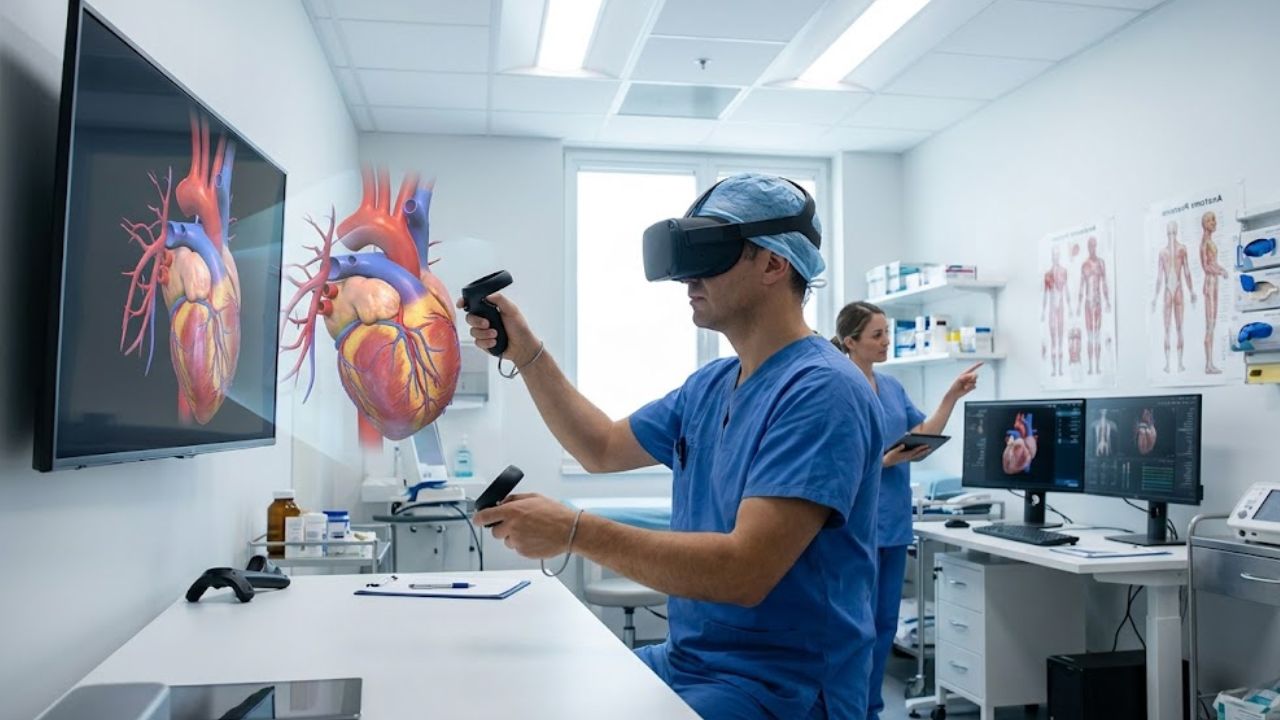
Tempus AI is committed to transforming health care through the application of AI and data analysis. The company aims to guide therapy selection and treatment decisions in partnership with physicians by making diagnostic tests more accurate and personalized.
In its IPO filing, Tempus stated, “We endeavour to unlock the true power of precision medicine by creating Intelligent Diagnostics through the practical application of artificial intelligence in healthcare.”
This approach connects laboratory results to a patient’s clinical data, providing tailored and personal insights.
Financial Performance
Despite its promising technology, Tempus reported a net loss of $214.1 million in 2023, against total revenue of $531.8 million.
However, the company’s operating losses have shown improvement, decreasing from 83% in 2022 to 37% in 2023. CEO Eric Lefkofsky expressed optimism on CNBC’s “Squawk Box,” predicting that the company would be both cash flow and EBITDA positive within the next year.
Leveraging AI for Better Health Care
Tempus AI’s method leverages AI and computer simulations to train robotic exoskeletons, allowing users to save energy while walking, running, and climbing stairs.
This method rapidly develops exoskeleton controllers without lengthy human-involved experiments, showcasing the potential of AI to enhance mobility and improve the quality of life for those with mobility impairments.
Strategic Partnerships and Support
The company’s IPO was led by Morgan Stanley, J.P. Morgan, and Allen & Company. Tempus boasts a robust investor base, including Google, Baillie Gifford, Franklin Templeton, NEA, and T. Rowe Price, reflecting strong market confidence in its technology and vision.
Founding and Inspiration
Tempus was founded in 2015 by Eric Lefkofsky, who was inspired by the inefficiencies he observed in the healthcare system during his wife’s breast cancer treatment. Lefkofsky aimed to create a company that utilized data from genomic sequencing to enhance medical care.
Today, Tempus focuses on oncology, using genomic tests to understand tumours at a molecular level and tailor treatments accordingly.
Market Position and Future Prospects
While Tempus is positioning itself as an AI company, AI-generated revenue constituted only about 1% of its total revenue in 2023. The company plans to integrate AI, including generative AI, into every aspect of its diagnostic tools, aiming for a broader impact in the future.
Early investors, including NEA, Revolution, and T. Rowe Price, have seen the company grow significantly. Tempus’ largest shareholder remains Lefkofsky, who holds 30.1% of the company and 65% of shareholder voting power, thanks to a dual-class share structure.
Other significant stakeholders include a firm controlled by Kimberly Keywell and Scottish asset manager Baillie Gifford.
Tempus AI’s successful IPO marks a significant milestone for the company and highlights the growing importance of AI in healthcare. Despite initial challenges and financial losses, the company’s innovative approach and strategic vision have positioned it well for future growth.
With strong backing from major investors and continued advancements in its technology, Tempus AI is poised to make a substantial impact on the medical diagnostics industry.
The information is taken from CNBC and Reuters