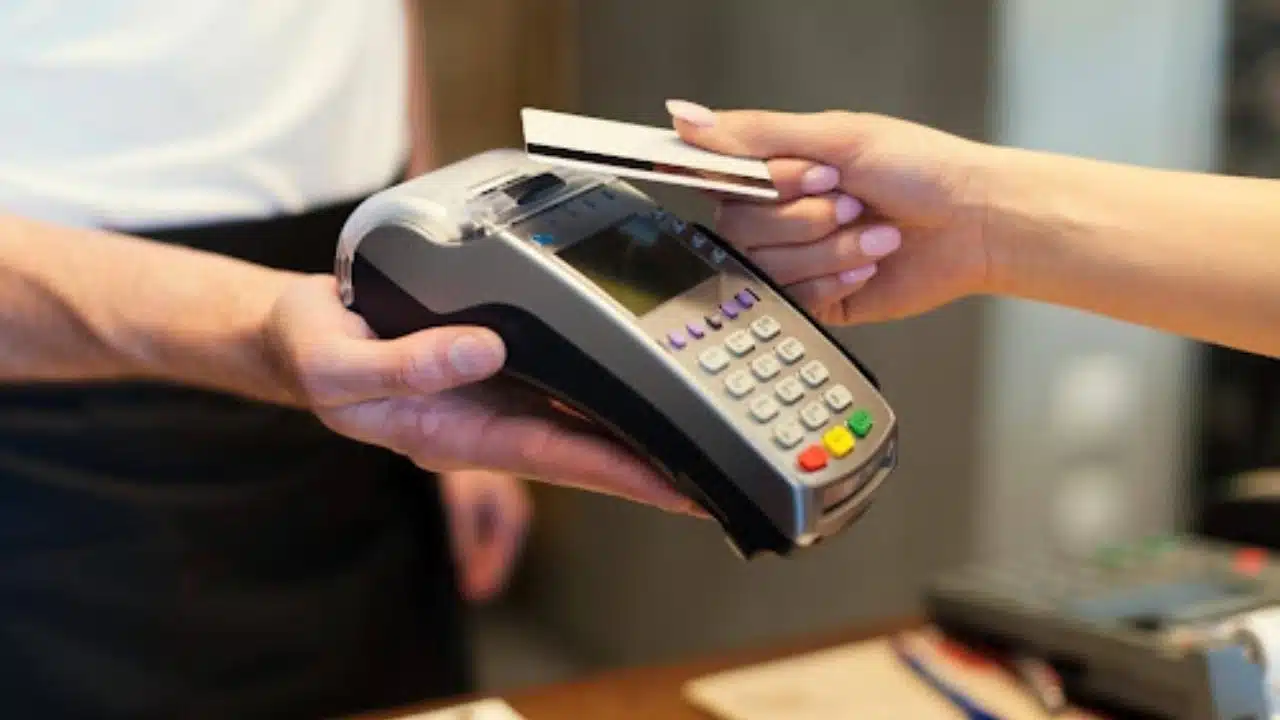
Accepting credit card payments has become a standard requirement for many businesses. Customers expect convenient payment options, while merchants need reliable systems that can authorize transactions, protect payment information, maintain accurate records, and transfer funds efficiently. Behind a simple card payment is a network of merchants, payment processors, acquiring institutions, card networks, and issuing banks.
Understanding merchant credit card processing services can help businesses evaluate how payments move from the customer to the merchant account and what technology is needed at the point of sale. The right setup depends on factors such as transaction volume, business type, payment methods, connectivity, security requirements, and the merchant’s existing technology.
What Are Merchant Credit Card Processing Services?
Merchant credit card processing services are the systems and services that facilitate electronic credit and debit card transactions for businesses. They connect the merchant’s payment environment with the financial institutions and payment networks involved in authorizing and settling transactions.
When a customer pays by card, the transaction begins at the merchant’s payment device or online checkout. Payment information is securely transmitted through the relevant processing infrastructure to request authorization. The card issuer then determines whether the transaction should be approved or declined.
If approved, the response is returned to the merchant’s payment environment, allowing the sale to be completed. Settlement takes place afterward according to the agreements between the merchant, acquiring institution, processor, and other parties.
This process happens within seconds in a typical retail transaction, although several systems may be involved behind the scenes.
How Does Credit Card Processing Work?
A typical in-person card payment begins when a customer presents a card or compatible payment device. The transaction amount is entered or transferred to the payment terminal, and the customer completes the payment using an available method.
The payment device can accept transactions through methods such as inserting a chip card, tapping a contactless card or device, or swiping a card where that method remains supported. The PCI Security Standards Council describes payment terminals as devices used to accept card payments through swipe, dip, insert, tap, or manual entry.
The terminal sends the relevant transaction information through the payment system for authorization. Once the issuing institution responds, the merchant receives an approval or decline.
The transaction then moves into settlement and reporting processes. Accurate records are important because merchants need to reconcile sales with payments received.
What Is the Role of a Payment Processor?
A payment processor helps facilitate communication between the merchant and the financial institutions involved in a card transaction. Depending on the arrangement, a processor may provide transaction routing, authorization support, settlement information, reporting, fraud-management tools, and other services.
Businesses should understand that terminology can vary across the payments industry. A merchant bank, acquiring bank, processor, and other payment service entities may have different roles even though customers typically experience them as part of one payment process.
For merchants, the important consideration is understanding which organization performs each function and which responsibilities are included in the service agreement.
Why Is a Point of Sale System Important?
A point of sale system can serve as the central technology used to record sales and manage checkout operations. Depending on its design, it may calculate transaction totals, maintain product information, update inventory, generate receipts, and communicate with payment equipment.
The PCI Security Standards Council distinguishes an electronic cash register or POS system from a payment terminal. A POS system can register and calculate transactions, while a payment terminal accepts customer card payments. An integrated payment terminal can combine these functions.
This distinction is useful because businesses may have separate POS and payment devices or use an integrated solution.
An integrated environment can reduce duplicate data entry and help ensure that the amount recorded by the POS matches the amount submitted for payment.
How Should Businesses Choose Payment Hardware?
The choice of payment hardware should reflect the merchant’s operating environment. A fixed retail checkout may require different equipment from a restaurant, mobile business, or service provider that accepts payments in multiple locations.
Businesses should consider:
- Supported card types
- Contactless payment capability
- Chip-card support
- Connectivity options
- Fixed or portable operation
- POS compatibility
- Security features
- Software support
- Receipt requirements
- Maintenance and replacement arrangements
The PCI Security Standards Council recommends that merchants use approved PIN-entry devices and validated payment software in their payment environments.
Equipment should therefore be evaluated for security and compatibility rather than selected solely on price or appearance.
What Payment Security Measures Matter?
Security is one of the most important considerations when accepting card payments. PCI DSS applies to entities involved in payment processing, including merchants, although the specific validation requirements depend on the merchant’s environment and applicable payment-brand rules.
Merchants should protect payment systems through appropriate technical and operational controls. These can include secure networks, strong authentication, controlled access, software updates, secure payment devices, and employee training.
The PCI Security Standards Council also recommends regularly inspecting payment terminals for unauthorized modifications or skimming devices.
Physical inspection is important because criminals may attempt to modify terminals or attach unauthorized components designed to capture payment information. Staff should understand what legitimate equipment looks like and know how to report suspicious changes.
How Does Encryption Help?
Encryption helps protect payment information by making data unreadable to unauthorized parties. Point-to-point encryption can be particularly useful because it protects card data as it moves through the payment environment.
The PCI Security Standards Council explains that payment terminals included in a PCI-listed point-to-point encryption solution can reduce the exposure of cardholder data by ensuring that payment information is encrypted within the approved payment environment.
Businesses should not assume that every encryption arrangement provides the same security or compliance benefits. Merchants should verify the specific solution and understand which components are covered.
What Should Merchants Compare Before Choosing a Service?
When evaluating merchant credit card processing services, businesses should look at the complete cost and service structure rather than focusing on a single processing fee.
Important questions include:
- What transaction fees apply?
- Are there monthly or account charges?
- Are equipment costs included?
- What payment methods are supported?
- How quickly are funds settled?
- What reporting tools are available?
- How are chargebacks handled?
- What customer support is provided?
- What contract terms apply?
- Which security responsibilities remain with the merchant?
- How are equipment failures handled?
The PCI Security Standards Council recommends that merchants ask service providers relevant questions about payment security and obtain appropriate information regarding PCI DSS compliance.
A detailed comparison can reveal differences that may not be obvious from advertised pricing.
How Important Is Connectivity?
Reliable connectivity is essential for many card-processing environments. Payment terminals may use wired internet, Wi-Fi, cellular connections, or other supported communication methods.
A business should evaluate the reliability of its network before deploying payment equipment. An unstable connection can interrupt transactions and create delays at checkout.
Businesses should also determine whether backup connectivity is available and whether the payment system has defined procedures for communication failures. Any offline transaction capability should be evaluated carefully because its availability and limitations depend on the payment environment.
A payment system is more than the terminal itself. PCI guidance describes a payment system as potentially including the payment terminal, POS equipment, networks, computers, and connections to the merchant’s financial institution.
How Can Businesses Manage Processing Costs?
Processing expenses can come from several sources, including transaction-related charges, monthly fees, equipment expenses, chargeback costs, and other account or service fees.
Businesses should estimate costs based on their actual transaction patterns. A pricing model that works for a low-volume merchant may not be equally suitable for a business processing a large number of transactions.
Equipment costs should also be included in the calculation. Businesses may purchase, lease, or otherwise obtain payment hardware depending on the service arrangement.
The most useful comparison is the estimated total cost of accepting payments over the expected period rather than one individual processing rate.
What Role Does Staff Training Play?
Technology alone cannot provide complete payment security. Employees interact directly with payment equipment and can be among the first people to notice unusual activity.
Staff should understand basic procedures for handling payment devices, recognizing suspicious modifications, reporting faults, and protecting customer information.
The PCI Security Standards Council recommends employee education as part of maintaining payment security. It also advises merchants to keep payment terminals protected and regularly inspect them for signs of tampering.
Clear procedures can make it easier for employees to respond appropriately if a terminal appears damaged or altered.
Final Thoughts
Reliable merchant credit card processing services can provide businesses with the infrastructure required to accept, authorize, record, and settle electronic card transactions. However, selecting a suitable service requires consideration of processing costs, payment hardware, connectivity, security, support, integration, and contractual responsibilities. For businesses building or upgrading their checkout environment, a point of sale system should be evaluated as part of the broader payment infrastructure. When POS software, payment hardware, processing services, connectivity, and security controls are properly coordinated, merchants can create a more reliable and efficient environment for everyday card transactions.