Aftermarket parts have been a huge part of car culture. It’s always nostalgic for me to think back to the tuner days of the late ’90s and early 2000s. Classic cars fill the imagination, like the gold wheels on the beautiful blue Subaru Impreza WRX, or the figure of a Mitsubishi Lancer Evolution. Back then, because cars with great performance were getting cheaper and cheaper, people were able to buy cars that can be modded for the track and for the streets.
Then the Fast and the Furious movies came out, painting a picture of the modded cars and machines people still today try to recreate for themselves. Nothing felt cooler than owning and driving a car you modded yourself.
But aftermarket parts aren’t just for street racing. Aftermarket parts have served as an economical alternative to original equipment manufacturer parts, or OEM parts, pretty much for as long as cars have existed. Why buy expensive OEM parts when you could get an aftermarket part that is better in quality, and cheaper in price.
After all, wouldn’t compete in the parts space inspire competitive products to be made at cheaper prices. If OEM parts were the only parts you could buy to repair your vehicle then the car manufacturers could set the price to whatever they wanted.
Aftermarket parts sound pretty good, and I wouldn’t blame you for considering them when replacing a part on your vehicle. What are the downsides to aftermarket parts, however? Do aftermarket parts have real downsides?
If you have a damaged vehicle and you don’t want to go through the trouble of replacing parts and repairing, you could always sell it. Online you could sell a damaged or even totaled vehicle for a fair price.
OEM Parts Come With Warranties
Probably the biggest difference between buying an aftermarket part over an OEM part is the fact that most of the time you will not get a warranty for it. Meaning that if the part doesn’t hold up well and was not intended for your vehicle, you will have to put down the money for another replacement.
Warranties are always great at ensuring some peace of mind for purchase. Technically they’re useless if everything goes the way it should and the part you purchased lasts a long and healthy time. You might be spending more on an OEM for the warranty, but that added an extra layer of protection is a seal of a quality investment to your car.
OEM Typically Guarantees Quality
Although it is true that you can potentially find a higher quality part in the aftermarket, this isn’t always the case. Usually, the quality of the part you purchase will reflect on the price, meaning the higher the price, the higher the quality. Sometimes that price can even be higher than what it would cost to get an OEM part.
An aftermarket part could be cheaper and of a higher quality than an OEM part but you would need to know which parts are better suited to your vehicle. These parts tend to be better because they are made with specific vehicles in mind, so you can’t really mismatch them unless you want them to underperform and possibly break. So you have to be sure that the cheap aftermarket part will be just as good or better than the OEM.
This is more easily said than done. Take the field you occupy yourself in. I wouldn’t imagine all the different brands and materials a plumber deals with. These complexities require some time to familiarize with and sadly not all of us have the time to know the aftermarket parts scene.
OEM Parts Are The Safer Choice
OEM parts are much simpler to just purchase the part you need and get your vehicle repaired. Your car stays all stock, which arguably preserves the value better and there is no need to gamble on whether or not the parts will work for long. The ease of mind knowing that you have the parts that were intended for your vehicle by the manufacturer could be very worth it.
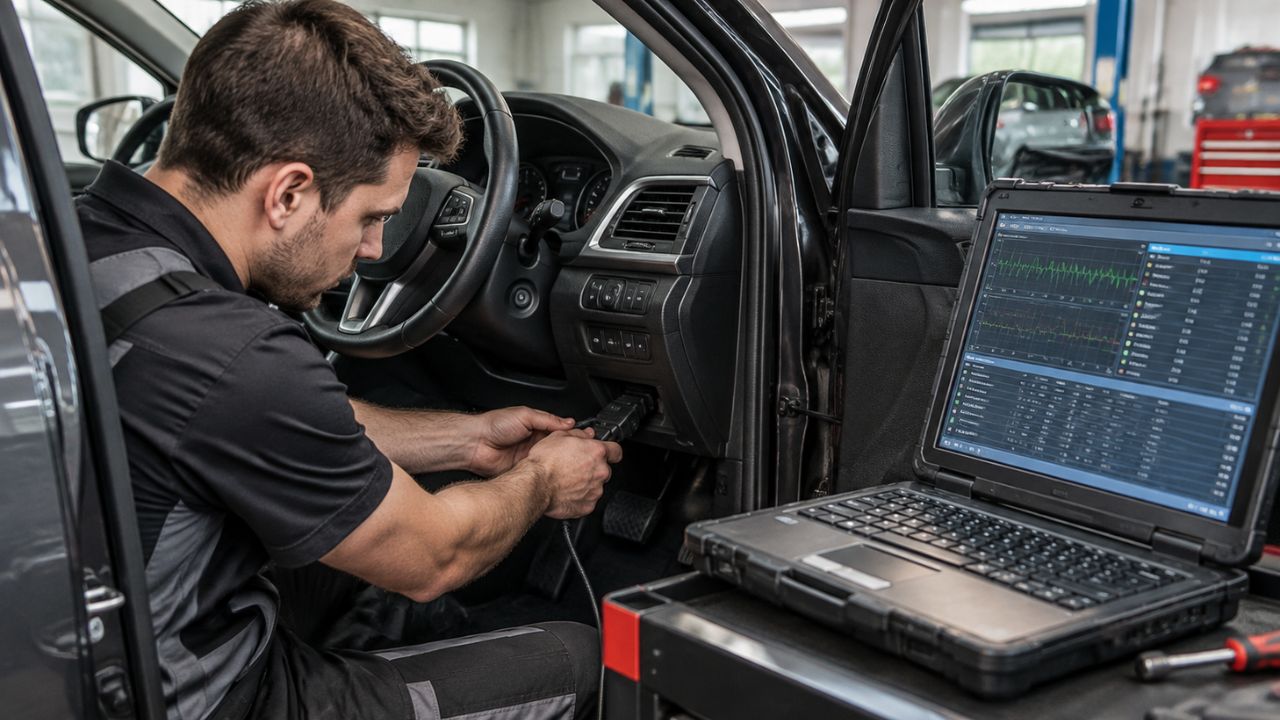
The best recommendation you can get for either going aftermarket or OEM is not from me but from your mechanic. If your mechanic recommends replacing something with an aftermarket, he is the expert and should know how to service your vehicle.
If you wish to be safe and you have the money, go with the OEM parts. They are created for your vehicle and come with a warranty. If you know an aftermarket part would be better for you and also has a price tag that isn’t too good to be true, go with the aftermarket part. Whichever you choose, be sure you are sure and informed of your decision.