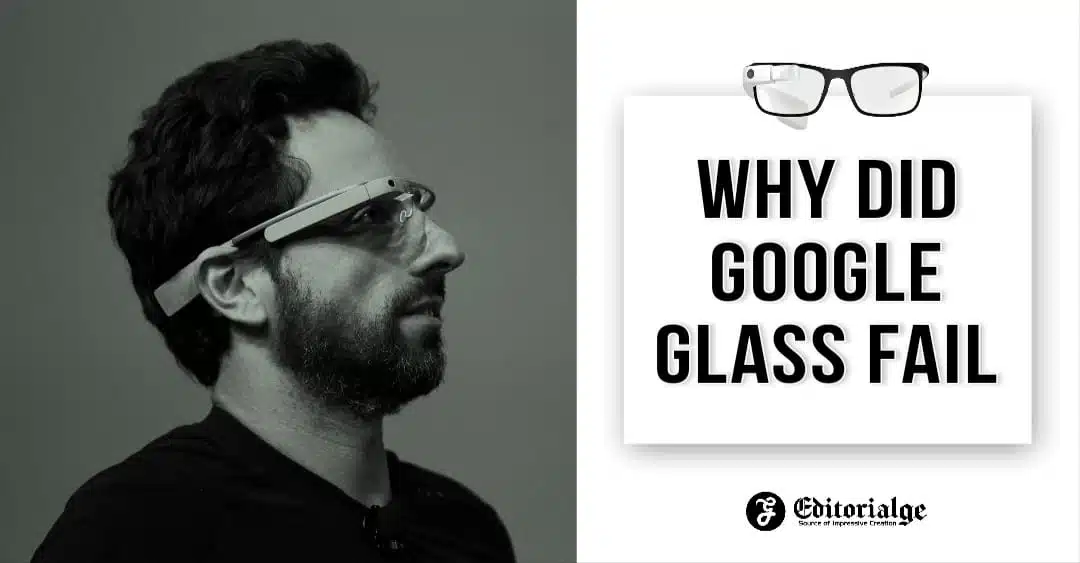
In 2023, you may have wondered why did Google Glass fail. Let’s tell you a story. Just imagine how the world was in 2012 when Google glass was first introduced.
A man starts his day in New York. As he prepares his coffee, a visual reminder with details about a date for that same night appears in his field of view. Then, while looking out the window, he received information on how the weather will be.
He can views text messages while doing other activities. Someone proposes to meet, to which he responds using the voice: “let’s meet Strand Books.” As he walk, the directions in front of his eyes tell him where to go.
This New Yorker never uses smartphone or other similar devices. He does everything with his glasses, making and receiving calls, recording videos, and taking photos. This is how Google imagined Google Glass in 2012.
Google Glass is born
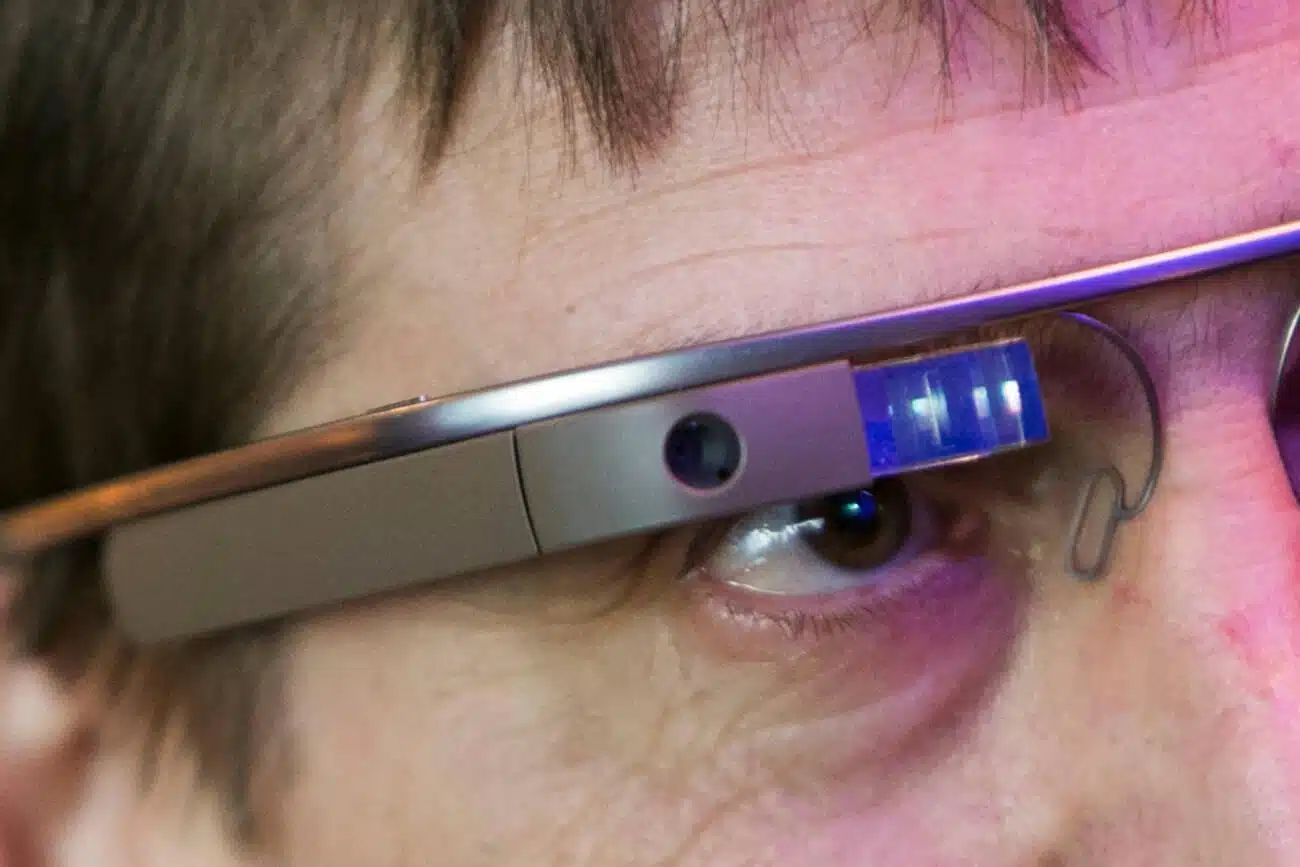
After many rumors, the Mountain View company presented its smart glasses project with a curious video called ‘Project Glass: One day…‘. The images tried to show the advantages of having this type of device on a typical day in a big city.
And the idea seemed interesting. Google was putting on the table the possibility of having glasses whose technology seemed to come from a science fiction movie. This caused them to become the desired devices even before they were released.
Related Read: Google Announced the Pixel Watch
The media exhibition helped build a halo of hype. Time magazine included Google Glass on its list of “best inventions of the year.” For example, they appeared in one of ‘The Simpsons’ episodes and featured prominently in New York Fashion Week.
The project, which had emerged three years earlier as a secret initiative of the Google X laboratory powered by Eric Schmidt, had started on the right foot. Everything seemed to indicate that, if commercialized, they would become a bestseller with growth potential.
All that media fanfare was not destined to fall on deaf ears. The search engine giant was determined to market its idea and, why not, make it a star product. Thus, he released an initial glasses model in 2013 for developers called “Explorer Edition.”
It was offered at $ 1,500 and had the necessary hardware components to start creating the first applications for the device. This was an elementary step to guarantee its success in the consumer market, which theoretically would reach later.
But when these glasses began to unfold, almost at the same time, the problems started. Many developers and testers soon ensured that the system was riddled with errors and that the battery was of poor duration. This, however, was not the only drawback.
The product, which had aroused great expectations, had also just opened privacy concerns. ¿What if someone was recorded to you without you knowing? ¿How about you go to the movies with your Google Glass? Enthusiasm was beginning to fade, and the commercial product Google wanted to launch had not yet arrived.
Why did Google Glass fail: the first hits
The company’s plans took the first hits, but they kept going. The decision went to extend the testing program. For 2013, some selected users of the Explorer Edition could invite a friend to participate in the program, which translated into providing early access to the glasses that were expected to arrive in 2014.
The truth is that the “beta” of Google Glass lasted too long. Along the way, even without reaching the general public, a version 2.0 with a built-in headset and up to an accessory store. But something was happening with the project, and the developers began to lose interest.
From Reuters, they pointed out that nine out of almost twenty companies that had started developing applications for Google glasses abandoned their efforts. And the presence of essential applications, such as Twitter, was not guaranteed back then.
The Mountain View company suspended its Glass Explorer program in the first quarter of the new year. This meant stopping selling the initial model and giving the project a new approach. The glasses would no longer be aimed at the mass public but at companies. However, we would have to wait to see the first fruits of this movement.
Forgetfulness, revival, and fall
“Glass at Work,” the new glasses stage, officially started in 2017. The new business edition, Google Glass Enterprise, arrived with battery improvements, many sensors, and professional applications from Google partners. Streye was one of them and offered to-do lists, real-time notifications for medical settings, QR code scanning, and more.
The project seemed to have resurfaced from the ashes with great force, and such was the impetus that in 2019 a new generation was arriving. The Google Glass Enterprise 2 embraced artificial intelligence and more conventional frames that adopted a design closer to prescription glasses and less to a futuristic device.
Changes in focus and attempts to revive the idea were insufficient to keep it alive. Almost four years after the last update, Google decided to kill Google Glass for companies; that is, he stopped selling Enterprise 2, ending the dream of his futuristic glasses. However, the company assures it will continue working on other virtual reality projects.