When you hear “artificial intelligence,” your mind probably jumps straight to chatty digital assistants, AI-generated art, or sci-fi movie plots. Because of recent headlines, AI feels like a brand-new phenomenon that suddenly arrived overnight.
But the truth is, AI has been living in your pocket, driving your car, and cleaning your home for years. Long before generative AI became a household talking point, machine learning algorithms were quietly woven into the fabric of our daily routines to eliminate friction.
Here are 12 everyday products powered by AI and services you likely use all the time that rely on invisible AI to function.
1. Smartphone Cameras
Your phone’s ability to capture a stunning, well-lit photo at a dimly lit restaurant isn’t just about the physical glass lens, it’s computational photography. When you tap the shutter, the camera’s built-in AI instantly captures and analyzes multiple frames. It reduces digital noise, balances the harsh lighting, and uses object recognition to map out depth, turning a mediocre snapshot into a crisp, professional-looking image in milliseconds.
2. Email Spam Filters
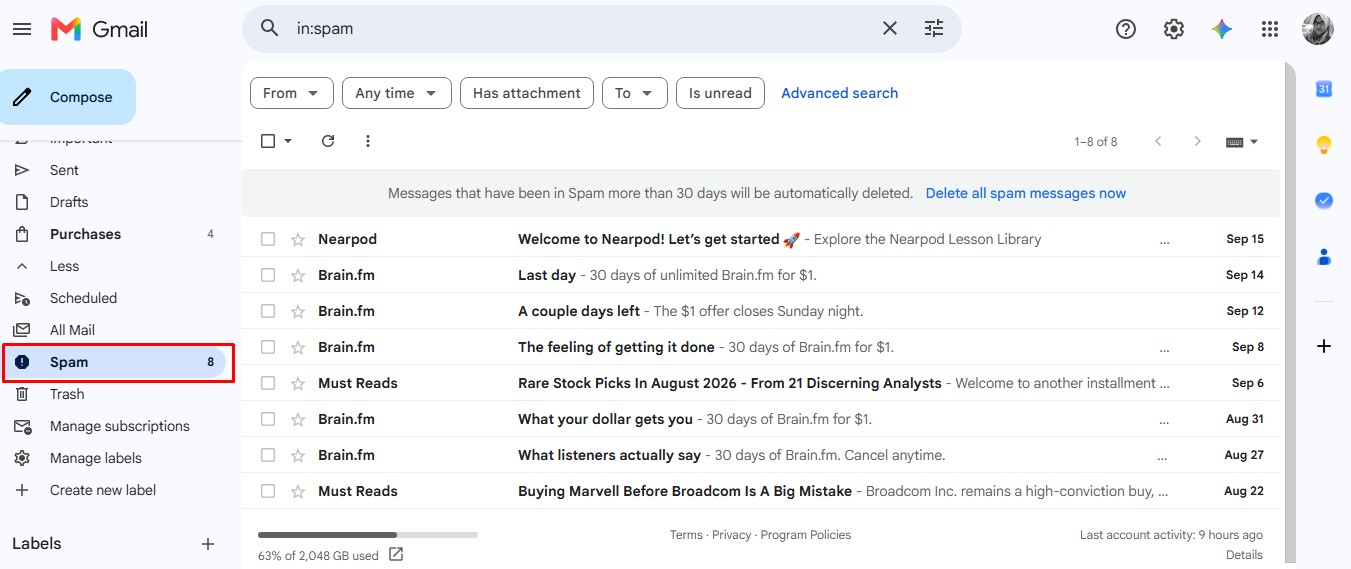
If your inbox is a relatively safe and organized place, you have natural language processing (NLP) to thank. Modern spam filters don’t just blindly block static trigger words like “lottery” or “free.” Instead, they use machine learning to analyze thousands of data points, including sender behavior, hidden email structures, and routing history. Every time you manually mark an email as “Spam,” you are personally training the algorithm to understand your specific boundaries.
When your GPS suddenly reroutes you to save five minutes, it isn’t just looking at a static map. Apps like Google Maps use advanced AI, specifically Graph Neural Networks, to process massive datasets in real time. The app analyzes historical traffic patterns alongside anonymized live speed data from millions of other drivers. It doesn’t just show you where traffic is right now; it accurately predicts where a bottleneck will be by the time you reach that exact intersection.
4. Streaming Recommendations
The reason streaming platforms seem to know your exact mood is due to complex machine learning algorithms called collaborative filtering. Netflix and Spotify don’t just look at broad genres you click on. They track your micro-habits: exactly how long you watch, when you pause, which intro songs you skip, and what users with identical habits are enjoying right now to serve up hyper-personalized feeds.
5. Smart Thermostats
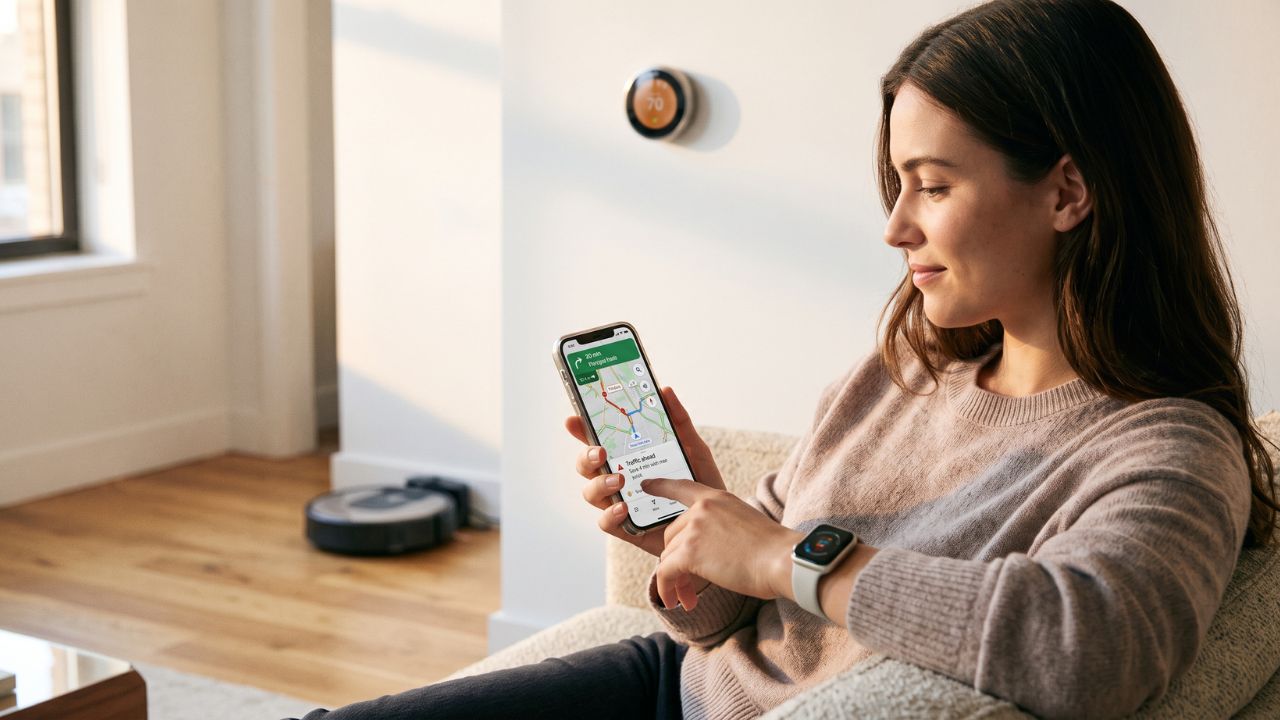
Devices like the Google Nest or Ecobee don’t just follow a manual schedule you punch in once; they actively learn your lifestyle. Using reinforcement learning and motion sensors, the AI tracks when you wake up, when the house is empty, and your preferred evening temperatures. It then builds a customized, automated heating and cooling schedule that keeps you comfortable while silently slashing your energy bill.
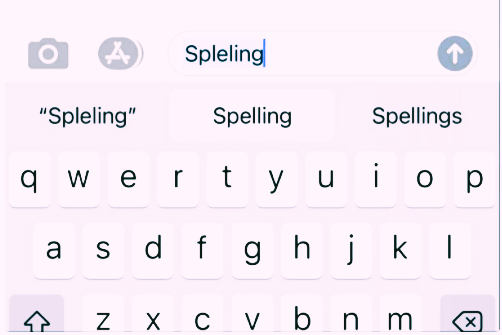
6. Predictive Text & Autocorrect
Your smartphone keyboard is constantly predicting your next thought. Modern phone keyboards now use transformer models (the exact same underlying AI architecture that powers popular chatbots) running directly on your device. The AI adapts to your unique vocabulary, the slang you use with friends, and your typing habits, calculating the statistical probability of the exact word you are most likely to type next.
7. Credit Card Fraud Detection
Banks rely on AI anomaly detection to protect your money 24/7. The algorithm establishes a highly specific baseline of your normal life, what you buy, where you typically shop, and how much you usually spend. If a transaction suddenly deviates from this complex web of patterns (like a massive electronics purchase made in a country you aren’t currently in), the AI instantly flags it and locks the card before the money actually leaves your account.
8. Mobile Check Deposit
Skipping the bank line to deposit a check from your couch is a modern luxury made possible by AI-driven Optical Character Recognition (OCR). The banking app doesn’t just snap a simple picture; its computer vision models actively decipher messy human handwriting, verify the standardized layout of the check, and validate your signature to securely convert ink scribbles into digital funds.
9. Robot Vacuums
Early robot vacuums just bumped into walls and blindly spun around until their batteries died. Today’s premium models are packed with computer vision and spatial mapping. They use machine learning models trained on thousands of household images to recognize and navigate around specific obstacles. They can easily distinguish between a harmless dropped sock, a tangled phone charger, or a pet waste accident, all while plotting the most efficient path across your rugs.
10. Wearable Health Monitors
Fitness trackers use AI to make sense of the overwhelming amount of raw biometric data bouncing off your wrist. Pattern recognition algorithms process your pulse, wrist movement, and blood oxygen to accurately map your deep and light sleep stages. Advanced smartwatches can even detect the specific irregular heartbeat patterns of Atrial Fibrillation (AFib) or recognize the exact physical motion signature of a dangerous fall, automatically dialing emergency services if you are unresponsive.
11. Ride-Sharing Apps
Everything from your estimated time of arrival to the exact price of your Uber or Lyft is calculated by machine learning. Ride-sharing algorithms constantly ingest real-time, localized data on driver supply, rider demand, weather conditions, and active traffic. This allows the AI to continuously adjust dynamic pricing and optimize driver routing on the fly.
12. Face ID and Biometric Security
Unlocking your phone by simply looking at it relies on advanced neural networks. The phone projects thousands of invisible infrared dots to create a highly secure 3D depth map of your face. The machine learning model constantly updates this map every single time you successfully unlock the device, allowing the AI to seamlessly recognize you even as you age, grow a beard, or throw on a pair of sunglasses.
Final Thoughts
We tend to fear what we don’t understand, and the current conversations around artificial intelligence can easily make the technology feel intimidating. But when you look closely at the tools we rely on every single day, it becomes clear that AI isn’t just about sci-fi futures or passing bar exams. At its core, consumer AI is simply a tool designed to remove the friction from daily life, quietly working in the background to get you home faster, keep your inbox clean, and help you take a better photo.
Frequently Asked Questions on Everyday products powered by AI
1. Is my phone listening to my conversations to show me targeted ads?
No, it just feels that way because AI prediction models are incredibly accurate. Advertisers use machine learning to match your demographic data, location history, and online browsing habits with people who share your exact profile. If you and a friend spend time together, the AI links your profiles and might show you an ad for a product your friend just searched for on their own phone.
2. Does running all this AI drain my smartphone’s battery?
Modern smartphones are built with dedicated “neural processing units” (NPUs) specifically designed to handle machine learning tasks like Face ID and predictive text. These specific chips run AI processes incredibly fast and use far less power than the phone’s main processor, actively preserving your battery life.
3. Is it safe to use AI biometric security like Face ID?
Yes. For most major smartphones, the mathematical 3D map of your face or fingerprint is encrypted and stored locally in a secure hardware enclave on the device itself. It is never sent to the cloud or backed up to corporate servers, meaning hackers cannot access your biometric data remotely.
4. How do streaming apps know exactly what I want to watch next?
They rely heavily on “collaborative filtering.” If the AI notices that your watching habits closely match the habits of 10,000 other users, it will highly recommend a show that those specific users recently binge-watched, operating on the statistical assumption that your tastes will continue to align.
5. Can AI really predict traffic jams before they happen?
Absolutely. Navigation apps combine historical traffic data (knowing that a specific highway always backs up at 5:15 PM on a Tuesday) with real-time speed data from drivers currently on the road. By feeding this massive amount of data into neural networks, the AI can accurately forecast congestion before you even start your engine.