


Do you wake up feeling like your body is fighting a battle you cannot win? If you live with constant aching or burning that never quits, you know exactly how heavy that burden gets. Even simple tasks like walking to the mailbox or getting a good night’s sleep feel impossible. I want you to know that you have real options for relief. Many people assume opioids are the only answer for severe discomfort. The truth is that powerful prescription drugs often bring serious risks like addiction and harsh side effects.
Recent research reveals a much better path forward. You can manage chronic pain effectively without relying on opioids. Doctors now use proven, everyday methods that offer superior long-term relief. I am going to walk you through the chronic pain management without opioids that specialists use right now.
We will explore physical therapy, safe medication choices, and simple lifestyle changes that reduce pain naturally. Grab a cup of coffee, and let’s go through it together. I will show you everything you need to know to take back control of your life.
Understanding Chronic Pain
Pain usually acts as a helpful warning system for your body. You touch a hot stove, your brain registers the burn, and you pull your hand away. Chronic pain plays by completely different rules. The pain signals keep firing for weeks, months, or even years after the initial injury heals.
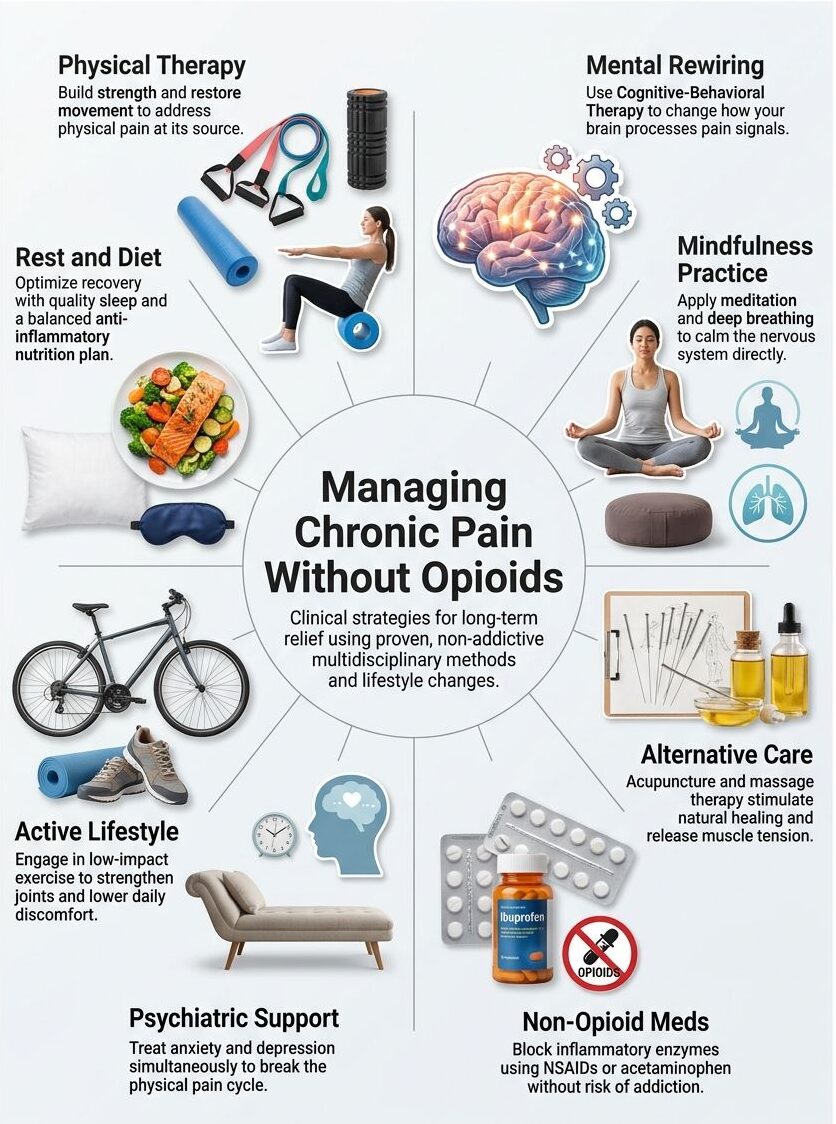
Recent National Health Interview Survey data from 2026 show just how common this is. A staggering 24.3% of US adults now live with a chronic pain condition. That means more than 51 million Americans share this exact struggle. You are definitely not fighting this battle alone.
What is chronic pain?
Doctors define chronic pain as any physical discomfort that sticks around for more than three months. Your nervous system essentially gets stuck in an active loop. A leading tip from rheumatologists explains this as central sensitization. Your brain becomes hyper-reactive to even normal physical sensations.
The 2022 CDC Clinical Practice Guideline strictly advises that nonopioid therapies are preferred for subacute and chronic pain management.
Unlike a sprained ankle that heals in a few weeks, long-term pain requires a completely different game plan. It demands a strategy that calms your nervous system down.
Common causes and symptoms of chronic pain
This condition stems from many different sources. Recent 2025 clinic data show that conditions like endometriosis and fibromyalgia are driving a massive increase in chronic pain cases, especially among women.
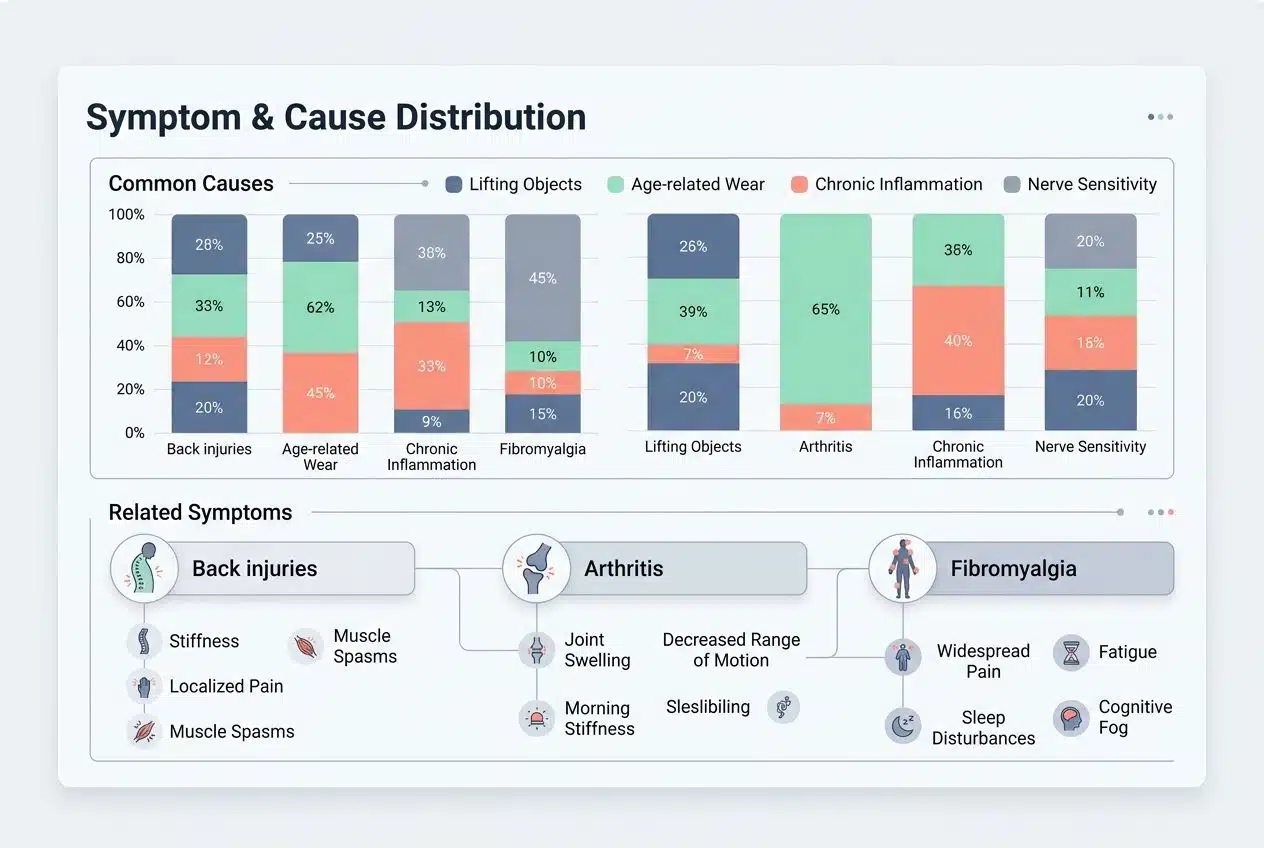
Understanding what triggers your specific discomfort helps you and your doctor take control of your health. Below is a breakdown of the most frequent causes and their related symptoms.
| Common Causes | Related Symptoms |
|---|---|
| Back injuries or degenerative disc disease | Persistent lower back aching, stiffness that worsens with movement, and radiating sensations down the legs |
| Arthritis and joint inflammation | Swelling in joints, reduced range of motion, warmth around affected areas, morning stiffness lasting hours |
| Fibromyalgia | Widespread muscle tenderness, fatigue that doesn’t improve with rest, sleep disturbances, and brain fog |
| Neuropathic conditions like diabetic neuropathy | Tingling or burning sensations, numbness in extremities, sharp shooting pains, sensitivity to touch |
| Migraines and headache disorders | Throbbing head sensations, sensitivity to light and sound, nausea, and vision changes before onset |
| Musculoskeletal strain from repetitive use | Localized muscle soreness, weakness, reduced flexibility, discomfort that intensifies with activity |
| Post-surgical complications | Ongoing soreness at incision sites, phantom sensations, restricted movement, tissue tightness |
| Cancer-related conditions | Tumor-related pressure sensations, treatment-induced soreness, bone aching, nerve irritation |
Most people experience a mix of these symptoms at once. Recognizing your personal symptom pattern is the very first step in building an effective relief strategy.
Challenges of Managing Chronic Pain Without Opioids
Doctors face real obstacles when helping patients shift away from powerful prescription drugs. Many people grew up thinking narcotic pills were the only answer for serious pain.
Switching gears feels scary and unfamiliar. Patients often face a few common roadblocks when exploring nonopioid therapies:
- High Out-of-Pocket Costs: A 2025 health economics report notes that physical therapy sessions in the US cost between $50 and $150 each if you lack insurance.
- Insurance Hurdles: Even with coverage, annual deductibles often range from $250 to $1,250 before benefits kick in.
- Slow Progress: Alternative treatments take time to rewire the nervous system, frustrating people who want instant relief.
- Mental Health Stigma: Treating the psychological side of pain is crucial, but many patients feel hesitant to see a therapist.
Finding the right combination of treatments takes patience. The true challenge is building a strategy that fits your unique budget and lifestyle.
Non-Pharmacological Treatment Options
Your body responds powerfully to treatments that avoid pills entirely. The US economic burden of chronic pain exceeds $635 billion annually, pushing the medical community to embrace the biopsychosocial approach. This method works directly with your mind and muscles to reduce pain at its actual source.
Physical therapy and therapeutic exercise
Physical therapy stands as one of the most powerful tools for managing your physical condition. A trained professional helps you rebuild strength and restore stolen movement patterns. While a 12-week course of therapy can cost around $1,200 out of pocket, the long-term investment often prevents costly future surgeries. Your therapist will design a program specific to your arthritis or back injury.
Many patients on the r/physicaltherapy forums share a valuable insider tip for beginners. If traditional land exercises cause severe flare-ups, you should ask your doctor about aquatic therapy. Warm water reduces the weight on your joints and provides gentle resistance. Consistent movement truly transforms how your body handles discomfort.
Cognitive-behavioral therapy (CBT)
Cognitive-behavioral therapy acts like a mental toolkit for symptom management. It teaches you to spot the negative thought patterns that actively fuel your physical suffering.
If you cannot afford a specialized therapist, technology offers incredible new options. The highly-rated Curable app delivers evidence-based pain science lessons and CBT exercises right to your phone.
Using a biopsychosocial approach helps you separate the actual physical sensation from the emotional fear of the pain.
This app provides a practical, low-cost alternative to expensive in-person clinic programs. Patients report better sleep and a much greater sense of control over their daily lives.
Mental Mindfulness Practices
Mindfulness calms your nervous system directly by quieting mental chatter.
- Mindfulness meditation: You sit quietly and observe your physical sensations without judgment. Just 10 minutes a day shifts your relationship with discomfort.
- Guided imagery: Visualize peaceful scenes in vivid detail. Your brain responds to these mental images almost as strongly as real physical experiences.
- Body scan meditation: Move your attention slowly from head to toe. This catches early warning signs of a flare-up before it escalates.
- Autogenic training: Give your body specific verbal cues like “my arms feel heavy.” Your nervous system responds by slowing your breathing and heart rate.
Physical Relaxation Techniques
Physical relaxation strategies reduce the intense muscle tension that makes chronic pain worse.
- Progressive muscle relaxation: You deliberately tense and then release different muscle groups. This teaches your body to let go of hidden tension.
- Deep breathing exercises: Try the 4-7-8 technique popularized by Dr. Andrew Weil. Breathe in for four seconds, hold for seven, and exhale for eight.
- Gentle Movement: Practices like Yoga and Tai chi combine stretching with flowing sequences to protect joints and build balance.
- Biofeedback tracking: Use a smart device like an Apple Watch to monitor your heart rate variability. Watching your stress metrics drop proves your efforts are working.
Complementary and alternative medicine
Hands-on therapies address your symptoms from a completely different angle. The National Center for Complementary and Integrative Health actively funds research proving the benefits of these alternative treatments.
- Acupuncture: A trained practitioner places paper-thin needles at specific points to block erratic nerve signals and stimulate healing.
- Massage Therapy: This manual technique loosens tight muscles, improves blood flow to injured tissues, and calms the nervous system.
- Chiropractic Care: Controlled spinal adjustments improve alignment and relieve structural pressure on trapped nerves.
A common pro tip from seasoned massage therapists is to drink plenty of water after a deep tissue session. This helps your body flush out the lactic acid released from your muscles, preventing next-day soreness.
Non-Opioid Medication Alternatives
Over 80 million Americans receive acute pain medication prescriptions every single year. Fortunately, your doctor can prescribe several nonopioid therapies that fight discomfort with far fewer risks. These drugs work differently from narcotics and help you build a safer, more sustainable treatment plan.
Non-opioid analgesics
The medical landscape for pain reduction has changed significantly in recent years. Following recent FDA guidance, the agency approved a groundbreaking non-opioid medication called Journavx (suzetrigine) in January 2025.
This daily pill costs about $15.50 and works by blocking the NaV1.8 sodium channel in your peripheral nervous system. It stops the pain signal before it ever reaches your brain.
Options like this provide incredible hope for patients wanting to avoid addictive narcotics. Doctors also regularly utilize prescription-strength NSAIDs and certain nerve-calming antidepressants.
A crucial tip from addiction specialists is that if you are currently taking opioids, you must plan an exit strategy with your doctor. Tapering down safely prevents severe withdrawal symptoms.
NSAIDs and acetaminophen
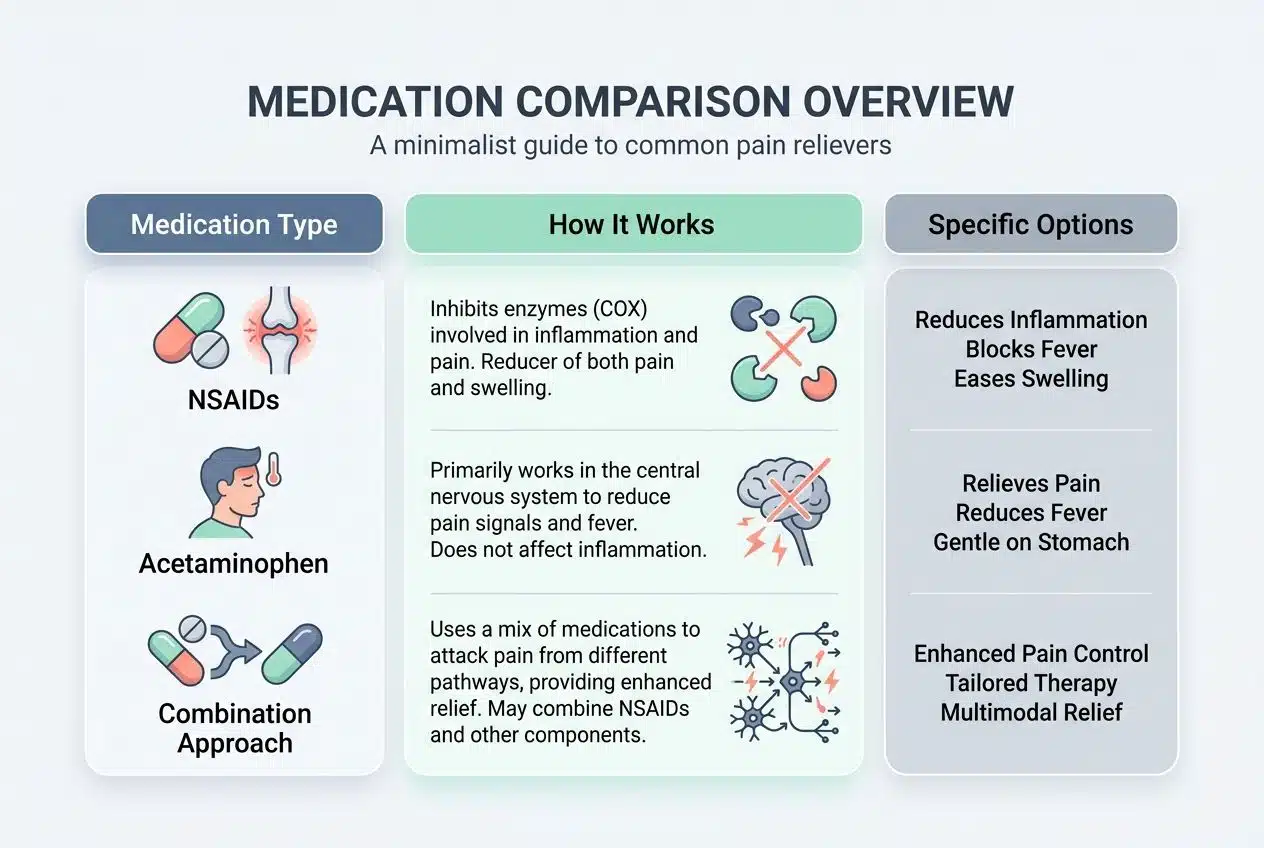
These over-the-counter medication options stand as your frontline defenders. They offer immediate relief without the heavy risks tied to stronger drugs.
| Medication Type | How It Works | Best For | Key Considerations |
|---|---|---|---|
| NSAIDs (Ibuprofen, Naproxen) | Block inflammatory enzymes; reduce swelling and pain signals | Arthritis, muscle strains, migraines, and post-operative pain | Take with food to prevent stomach upset. Monitor kidney function with long-term use. Avoid if you have heart disease or ulcers |
| Acetaminophen (Tylenol) | Lowers pain perception in the brain; reduces fever | Headaches, mild to moderate pain, and fever | Gentler on the stomach than NSAIDs. Never exceed 4,000 mg daily. Read labels carefully; many over-the-counter products contain it |
| Combination Approach | Using both medications together attacks pain through different mechanisms | Moderate to severe pain when single agents fall short | Alternate doses every three hours; allows lower doses of each. Talk with your doctor before combining. Track your total intake carefully |
A major warning from gastroenterologists is to always take NSAIDs like Advil or Aleve with a full meal. Taking them on an empty stomach drastically increases your risk of painful ulcers. For Tylenol, you must never exceed the absolute maximum limit of 4,000 mg per day to protect your liver from permanent damage.
Cannabinoids for pain management
Medical cannabis is now authorized in more than 38 US states as of 2026. Doctors increasingly consider cannabinoids as a legitimate prescription alternative for chronic symptom management.
These plant-based compounds interact with your body’s internal pain signaling system differently than standard pills. Patients frequently report better sleep and reduced joint stiffness.
If you live in a legal state, experienced users on the r/medicalmarijuana forums offer a helpful insider tip. High-THC strains can sometimes trigger intense anxiety in beginners.
Starting with a balanced 1:1 ratio of CBD to THC provides the best physical relief while keeping your mind perfectly clear. Always consult your healthcare team to ensure it will not interact with your current prescriptions.
Addressing Psychiatric Comorbidities
Physical suffering and mental health struggles almost always travel together. Treating one while ignoring the other leaves half the job completely undone. Your doctor might recommend therapy or medication to address both issues at the same time.
Managing anxiety and depression alongside pain
Up to 23.8% of US adults with chronic pain experience persistent anxiety or depression. The US Pain Foundation extensively studies this mind-body link, proving that emotional stress turns up the volume on physical pain.
Treating your physical discomfort while completely ignoring your mental health leaves half the job undone.
The Department of Veterans Affairs recently pioneered a high-tech solution to this exact problem. They deployed RelieVRx, an FDA-authorized virtual reality headset program, across more than 170 medical centers.
This eight-week VR program immerses patients in calming environments while teaching essential patient education and coping skills. It drops anxiety levels and effectively reduces chronic lower back pain from the comfort of your living room.
Role of counseling and psychotherapy
Talking to a professional counselor gives you practical strategies to handle the heavy emotional weight of your condition. Psychotherapy opens doors to healing that medication simply cannot touch.
Therapists utilize several proven frameworks to help you regain control:
- Acceptance and Commitment Therapy (ACT): This approach teaches you to pursue a rich, meaningful life without waiting for the pain to disappear completely.
- Somatic Tracking: Experts use this technique to help you observe physical sensations with curiosity rather than fear, which turns down your brain’s alarm system.
- Group Support Sessions: Sharing your specific daily struggles with peers validates your experience and provides shared coping strategies.
Insurance usually covers these behavioral health visits, making them a very accessible part of your multidisciplinary care plan.
Lifestyle Modifications for Chronic Pain Relief
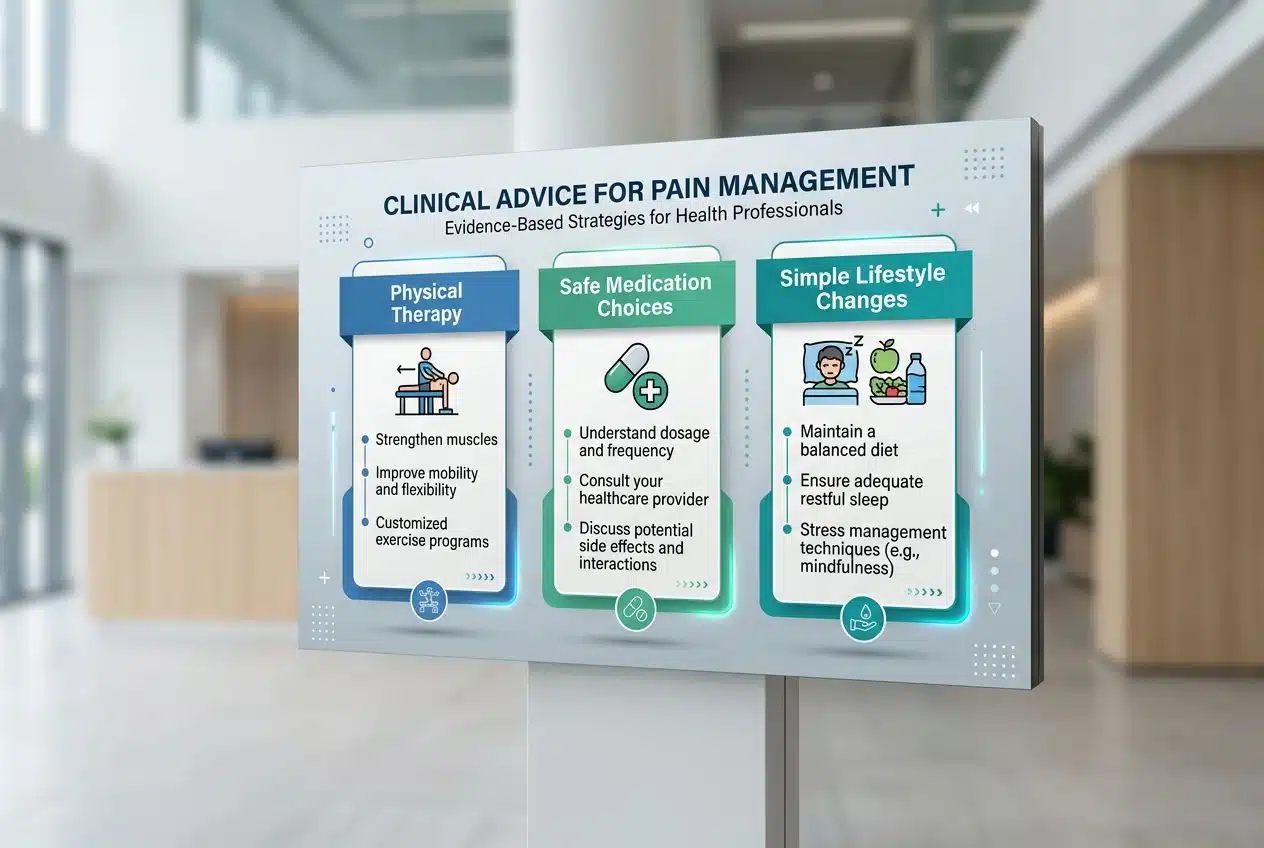
Your daily habits shape your physical experience more than you might realize. Simple tweaks to your routine can dramatically lower your baseline inflammation. Small changes in how you move, sleep, and eat shift your whole experience.
Engaging in regular physical activity
The American Heart Association recommends at least 150 minutes of moderate aerobic activity weekly. Moving your body lubricates your joints and releases natural endorphins.
- Start Low and Slow: Begin with low-impact exercises like swimming or cycling to build your endurance safely. Increase your workout intensity very slowly over several weeks.
- Mix Aerobics with Strength: Break that 150-minute weekly goal into manageable chunks. Include strength training twice a week to build the muscles that support your fragile joints.
- Incorporate Daily Stretching: Stretch for five minutes every morning to melt away overnight muscle tension, or practice gentle yoga to support deep relaxation.
- Optimize Your Timing: Exercise early in the day when your energy reserves are full. Always drink plenty of water before and after your workouts.
- Listen to Your Body: Keep a simple symptom journal to identify which exact movements help and which ones hurt. Work directly with a specialist to build a safe program.
- Prioritize True Recovery: Schedule dedicated rest days to allow your body proper recovery time and prevent overuse injuries.
A vital pro tip for staying active is mastering the pacing strategy. Do not overdo your chores on a good day, or you will inevitably trigger a severe crash the next morning.
Importance of sleep and stress management
Quality sleep acts as your body’s perfect repair shop. When you skip sleep, your cortisol levels spike, increasing whole-body inflammation and making your nerves highly sensitive. The Sleep Foundation strongly recommends keeping your bedroom cool, ideally around 65 degrees Fahrenheit, for the deepest, most restorative rest.
You must also limit phone usage right before bed. The harsh blue light from your screen suppresses melatonin production, making it incredibly hard to fall asleep. Managing daily stress through short walks or meditation keeps your muscles loose and your pain signals quiet.
Maintaining a balanced diet
Your gut health and your joint inflammation share a very direct connection. The Mediterranean diet consistently ranks as the top eating plan for natural pain reduction. Focusing on the right nutrients gives your cells the fuel they need to repair damaged tissue.
- Omega-3 Fatty Acids: Eating wild-caught salmon or chia seeds actively reduces C-reactive protein (CRP), a major inflammation marker.
- Antioxidant-Rich Berries: Blueberries and strawberries fight the cellular damage that keeps your nerves irritated.
- Hydration: Drinking enough water daily keeps your spinal discs plump and your joints moving smoothly.
Many patients in online arthritis groups issue a strict warning about nightshade vegetables. Tomatoes, eggplants, and bell peppers contain compounds that trigger severe joint flare-ups for some sensitive individuals, so monitor your reaction carefully.
Monitoring Progress and Adjusting Treatment Plans
Tracking your daily progress ensures you stay on the fastest path to relief. Regular check-ins with your medical team help you quickly pivot away from things that do not work.
Veterans Affairs clinics often use the Defense and Veterans Pain Rating Scale (DVPRS). This brilliant tool adds functional questions to the standard 1-10 scale, asking how your discomfort actually affects your sleep and mood.
- Track Symptoms and Triggers: Monitor your daily symptoms using a simple scale. Note exactly what activities trigger your worst flare-ups and which nonpharmacologic therapies bring relief.
- Maintain a Regular Schedule: Book follow-up visits with your primary care doctor every four to six weeks to review your progress and discuss how techniques are performing.
- Report Every Side Effect: Share any minor side effects from your over-the-counter medication choices so your doctor can adjust the dosage promptly.
- Explore New Options: Ask your care team if alternative treatments like deep tissue massage or new prescription alternatives deserve a spot in your routine.
- Assess Your Mental Health: Evaluate whether your behavioral health counseling is effectively managing your daily stress, and speak up if high costs are preventing you from finishing therapy.
A crucial tip from patient advocates is to always bring a written copy of your symptom log to every appointment. Brain fog makes it incredibly difficult to remember important details in the doctor’s office.
Final Words
I hope this clinical advice on managing chronic pain without opioids helps you build a highly customized approach. You have so many incredible tools at your disposal, from advanced physical therapy to safe medications. Strategies like cognitive-behavioral therapy and simple lifestyle tweaks work together to lower your baseline inflammation. These practical methods fit right into your normal schedule without long recovery times.
Your doctor is ready to help you build a personalized plan using these proven, evidence-based options. Start today by picking just one new strategy to try. Whether you choose a short walk or a simple breathing exercise, taking action puts the control right back in your hands.
Frequently Asked Questions (FAQs) on Chronic Pain Management
1. What are some ways to manage chronic pain without using opioids?
You’ve got plenty of options! Physical therapy, swimming, walking, yoga, heat packs, cold compresses, and even counseling all help. A 2023 study from the American Physical Therapy Association found that patients who did structured PT for 8 weeks saw their chronic pain drop by about 30%.
2. Can diet changes really help with long-term pain?
Absolutely, food matters more than you think! Research from Harvard Medical School found that eating anti-inflammatory foods like fruits, vegetables, fatty fish, and whole grains can reduce joint pain by 20-30%.
3. Are there any safe medicines besides opioids for ongoing pain?
Yes, safer options exist! Over-the-counter medicines like acetaminophen or ibuprofen help with mild pain, and doctors often prescribe duloxetine (an antidepressant) for nerve-related chronic pain with far lower addiction risk.
4. How important is mental health when dealing with constant discomfort?
It’s absolutely huge! Studies show that chronic pain patients who receive mental health support like cognitive behavioral therapy experience up to 40% better pain control than medication alone.






















