


Long-running television broadcasts with massive episode counts often dominate the animated entertainment industry. Titles boasting over a thousand episodes carry a daunting barrier to entry for modern viewers juggling busy schedules and limited free time. The sheer volume of content requires a commitment of months, if not years, to see a narrative arc through to its ultimate conclusion. This dynamic frequently pushes adult audiences away from the medium, as keeping up with endless filler arcs and padded storylines becomes exhausting. This is precisely where the concise, tightly scripted format of a 12-to-13-episode series proves invaluable. Viewers looking for high-quality storytelling without the commitment increasingly turn to shorter formats. Finding the best one-season anime to binge in a weekend solves the time-constraint problem while delivering an emotionally satisfying, complete narrative arc.
Animation studios often use these limited-run projects to test original concepts, push visual boundaries, and recruit top-tier directorial talent without the financial risk of a multi-year syndication deal. The resulting shows feature zero narrative bloat. Every scene, line of dialogue, and action sequence actively pushes the plot forward. The pacing remains aggressive, and the thematic exploration goes incredibly deep. From high-octane cyberpunk tragedies and deep-space survival thrillers to surreal psychological dramas and sports masterpieces, the medium offers a diverse catalog of short-form brilliance. Audiences can easily consume these works in a couple of days, absorbing the full emotional weight of the story in a concentrated burst.
The industry refers to these 11-to-13-episode runs as a “single cour,” representing one three-month broadcast block on Japanese television. Historically, studios reserved their highest budgets for long-running shonen action shows. However, the streaming era shifted the economic model. Platforms like Netflix and Crunchyroll now fund tightly contained stories that resemble long feature films rather than traditional television shows. These productions prioritize distinct artistic visions over weekly merchandise sales. The selections detailed below represent the absolute pinnacle of this format. Carefully curated for their impeccable pacing, definitive endings, and critical acclaim, these series stand as masterclasses in efficient, devastating storytelling.
Cyberpunk: Edgerunners
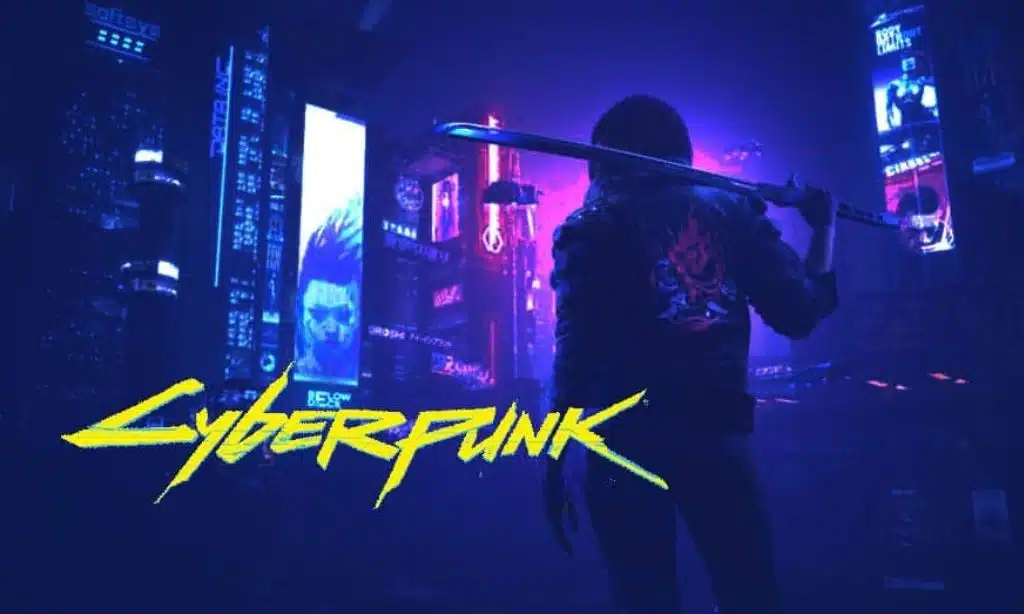
Cyberpunk: Edgerunners revitalized the cyberpunk genre for a modern audience upon its release. Set in the hyper-capitalist dystopia of Night City, the show tracks a street kid forced into the violent underground mercenary life after a devastating personal tragedy. The series masterfully balances frenetic, hyper-stylized action with crushing emotional weight, proving that animation serves as the perfect medium to explore transhumanism without budget limitations. Viewers instantly connect with the desperate, high-stakes lives of the Edgerunner crew. It stands as a masterclass in adapting video game lore into a standalone cinematic experience.
The Tragic Ascent of David Martinez
The narrative follows David Martinez, a bright but impoverished student who loses everything due to corporate greed and rampant gang violence. Left with nothing, David installs a military-grade speed enhancement called the Sandevistan and falls in with a crew of mercenaries led by the imposing Maine. The story pulls no punches regarding the grim reality of Night City. Characters constantly upgrade their bodies with chrome cyberware, trading their humanity and sanity for a better chance at survival. The core theme centers on the concept of cyberpsychosis—a violent mental breaking point triggered by excessive mechanical modification. David’s rapid ascent through the criminal underworld runs parallel to his psychological deterioration, making the story a tragic, fast-paced spiral. His relationship with Lucy, a skilled netrunner who dreams of escaping the grime of the city for a peaceful life on the moon, serves as the emotional anchor. The moon acts as a powerful visual metaphor for freedom and quiet, sitting in stark contrast to the neon-drenched chaos below.
Production Synergy Between Trigger and CD Projekt
Studio Trigger, known for explosive animation and bold color palettes, collaborated directly with video game developer CD Projekt Red to bring this universe to life. The production team drafted at least four different plot variations before settling on the final tragic arc. Interestingly, the iconic opening theme song was chosen simply by searching YouTube for tracks about cities, eventually landing on Franz Ferdinand’s “This Fffire”. The writing team included former CD Projekt Red staff currently working on major western gaming titles, ensuring the show matched the exact tone of the tabletop RPG and video game source material. Fans point to Episode 6 as the major turning point where the series shifts from a stylish action-heist show into a devastating character study. The animators utilized the actual map of the video game to stage the action sequences, creating perfect spatial continuity for fans of the source material while keeping the narrative completely accessible to newcomers.
A Premier Pick for the Best One-Season Anime to Binge in a Weekend
With exactly ten episodes, the pacing never falters. The show acts as a standalone prequel to the Cyberpunk 2077 game, meaning audiences require zero prior knowledge of the universe to understand the plot. The adrenaline-fueled sequences transition seamlessly into quiet, heartbreaking character moments, demanding consecutive viewing.
| Production Detail | Specification |
| Animation Studio | Trigger / CD Projekt Red |
| Episode Count & Runtime | 10 Episodes, 23–28 minutes each |
| Core Genres | Sci-Fi, Action, Thriller, Cyberpunk |
| Average Audience Rating | 8.4/10 |
| Key Thematic Elements | Transhumanism, corporate dystopia, cyberpsychosis |
Erased (Boku dake ga Inai Machi)
Erased operates as a tense, intricately plotted murder mystery layered with a fascinating time-travel mechanic. Based on the acclaimed manga by Kei Sanbe, the story grips audiences immediately with a high-stakes premise that bounces between the bleak present day and the snow-covered streets of 1988 Hokkaido. The show relies heavily on cliffhangers, making it nearly impossible to stop watching once the mystery begins to unfold. It stands as a testament to taut, suspenseful thriller writing in modern Japanese animation. The emotional core focuses entirely on the vulnerability of childhood and the desperate desire to fix past mistakes.
The Mechanics of Revival and the Hokkaido Abductions
Satoru Fujinuma, a struggling 29-year-old manga artist, possesses a strange, uncontrollable ability he calls “Revival.” This power violently throws him backward in time by a few minutes whenever a life-threatening incident occurs nearby, forcing him to alter events to prevent tragedies. When a mysterious killer murders his mother in his apartment and frames Satoru for the crime, Revival triggers with unprecedented force. Instead of going back a few minutes, Satoru is thrust 18 years into the past, returning to his 11-year-old body in 1988. He quickly realizes his mother’s death connects directly to a string of unsolved child abductions from his elementary school days.
Satoru must navigate life as a child while possessing the mind of an adult. His primary objective becomes protecting his isolated, abused classmate, Kayo Hinazuki, and catching the serial killer before the timeline repeats its tragic history. The psychological burden placed on Satoru is immense. He must act like an ordinary fifth grader while secretly investigating adults in his community, analyzing every conversation for clues. The narrative brilliantly highlights the sheer helplessness of childhood, where adults hold all the systemic power, making Satoru’s mission incredibly dangerous despite his future knowledge.
Directorial Brilliance and Atmospheric Tension
Directed by Tomohiko Ito and animated by A-1 Pictures, the production utilizes distinct visual cues to separate the two timelines. The 1988 sequences feature widescreen cinematic black bars at the top and bottom of the screen to evoke a sense of viewing a past memory. This framing brilliantly drops away during critical moments of realization, shocking the viewer back to reality. Character designer Keigo Sasaki worked meticulously alongside sound director Yoshikazu Iwanai and legendary composer Yuki Kajiura to build a deeply atmospheric, melancholic world. Kajiura’s haunting string arrangements perfectly elevate the tension during Satoru’s desperate attempts to change the future.
The adaptation condenses a lengthy, complex manga into 12 tight episodes. While some manga readers noted the final arc moved slightly too fast compared to the source material, the anime’s conclusion delivers a highly emotional and satisfying thematic resolution regarding trust and friendship. The director specifically fought to get this project greenlit by Kadokawa and Aniplex, recognizing the cinematic potential of the time-loop thriller format before it became a widespread industry trend.
Relentless Suspense for a Weekend Marathon
Every episode ends on a harrowing note, effectively forcing the viewer to hit the “next episode” button immediately. The combination of intense psychological thriller elements with nostalgic, coming-of-age vulnerability makes it a gripping watch from start to finish. The pacing prevents the audience from overthinking the time travel mechanics, keeping the focus squarely on the emotional stakes.
| Production Detail | Specification |
| Animation Studio | A-1 Pictures |
| Episode Count & Runtime | 12 Episodes, 23 minutes each |
| Core Genres | Mystery, Thriller, Sci-Fi, Drama |
| Average Audience Rating | 100% (Tomatometer), 95% (Audience) |
| Key Thematic Elements | Time travel (Revival), childhood trauma, the butterfly effect |
Death Parade
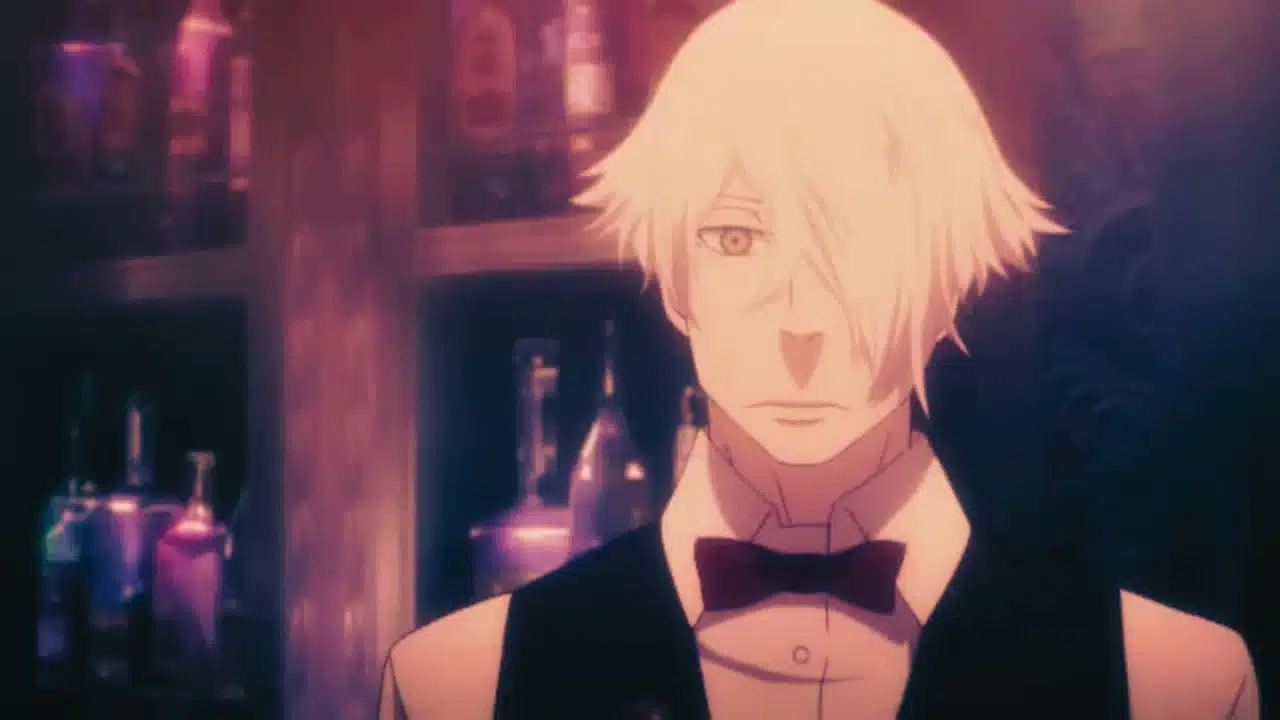
Death Parade flips the traditional concept of the afterlife on its head, presenting a sleek, jazz-infused purgatory where souls face judgment through brutal parlor games. Produced by the legendary Studio Madhouse, the show expertly blends psychological horror with profound character drama. It routinely asks difficult questions about human morality, trauma, and the fundamental fairness of divine judgment, wrapping these philosophical debates in visually stunning set pieces. Audiences consistently find themselves surprised by the depths of depravity and the heights of empathy displayed by the characters in just twelve episodes.
Purgatory by Parlor Game
When two people die at the exact same time, their souls arrive at an upscale, dimly lit bar called Quindecim. They possess no memories of their deaths. Welcoming them is Decim, a stoic bartender with white hair who serves as an Arbiter. Decim forces the confused patrons to play a randomly selected game—such as billiards, darts, twister, or arcade fighters—with their lives seemingly on the line. The games are meticulously rigged to induce extreme stress, breaking down the players’ psychological defenses and extracting the darkest parts of their souls. Based on how they act under this intense pressure, Decim judges whether their souls will be sent for reincarnation or banished to the endless void.
The overarching narrative shifts dramatically when a nameless, amnesiac human woman arrives to assist Decim. Her human empathy directly challenges the cold, objective system the Arbiters use. She points out that intentionally driving people to madness through fear does not reveal their true nature; it only reveals their darkest survival instincts. This ideological clash causes Decim to question the very nature of his existence and the fairness of judging complex human lives through artificially induced trauma.
Anime Mirai Origins and Tonal Dissonance
The series originated from a 2013 standalone 25-minute short film titled Death Billiards, created by Yuzuru Tachikawa for the Young Animator Training Project (Anime Mirai). The short proved so incredibly popular that Madhouse greenlit a full television adaptation. Tachikawa wrote and directed the entire series, giving it a unified, cohesive vision rarely seen in committee-driven anime productions.
The show also features a massive tonal bait-and-switch with its opening theme song, “Flyers” by Bradio. The upbeat, funky, and colorful opening sequence completely contrasts with the grim, emotionally devastating content of the actual episodes, becoming a massive talking point and meme among fans. Additionally, the series drops subtle religious, existential, and literary references throughout its run, heavily rewarding attentive viewers who analyze the background art and dialogue. The animation quality remains staggering throughout, perfectly capturing micro-expressions of panic, grief, and realization on the faces of the judged souls.
Pacing the Afterlife
The episodic nature of the games perfectly hooks the audience. You meet two new characters, learn their tragic backstories through the stressful game, and witness their final judgment within a single 23-minute window. Meanwhile, the serialized plot involving Decim and his human assistant slowly builds in the background, culminating in a spectacular, tear-jerking finale.
| Production Detail | Specification |
| Animation Studio | Madhouse |
| Episode Count & Runtime | 12 Episodes, 23–25 minutes each |
| Core Genres | Psychological Thriller, Drama, Mystery |
| Average Audience Rating | 8.1/10 |
| Key Thematic Elements | Morality, existentialism, human psychology under stress |
Odd Taxi
At first glance, Odd Taxi looks like a lighthearted, colorful comedy featuring a cast of friendly anthropomorphic animals. However, beneath the pastel exterior lies one of the most intricately woven, Tarantino-esque crime thrillers of the past decade. Produced by OLM and P.I.C.S., the show relies on razor-sharp, naturalistic dialogue and a massive web of interconnected storylines that all trace back to one cynical walrus driving a taxi. The writing serves as a masterclass in Chekhov’s Gun; every passing comment, radio broadcast, and background character plays a crucial role in the central mystery.
Intersecting Lives and Night City Secrets
Hiroshi Odokawa, an eccentric and socially awkward 41-year-old walrus, makes a meager living driving a cab through Tokyo. He suffers from insomnia and rarely engages in small talk, preferring to listen to a failing comedy duo on his car radio. Despite his antisocial nature, his taxi becomes the nexus point for several disparate groups operating in the city. He ferries around a clout-chasing hippo trying to go viral, an alpaca nurse hiding a dark secret, a struggling idol group dealing with internal jealousies, and a ruthless baboon yakuza enforcer named Dobu.
All these seemingly unrelated passengers share subtle connections to the strange disappearance of a teenage girl, whose body is eventually found in the harbor. As the police and the criminal underworld close in on Odokawa, he must use his sharp observational skills to outwit gangsters, corrupt cops, and internet vigilantes to survive. Odokawa’s deadpan reactions to the absurd violence and greed around him provide a dark comedic undertone to the escalating danger.
Masterful Screenwriting and Fan Speculation
Written by manga creator Kazuya Konomoto and directed by Baku Kinoshita, the show rejects typical anime tropes entirely. The dialogue flows like a gritty live-action indie film, packed with dry wit and incredibly subtle foreshadowing. During its initial broadcast, the show sparked massive internet speculation. Fans scoured every frame, analyzing fake social media posts within the show, background radio dialogue, and seemingly throwaway jokes to piece together the killer’s identity.
The narrative heavily rewards extreme attention to detail. An accompanying audio drama released alongside the anime provided supplementary clues, deepening the world-building and offering alternate perspectives on the events happening in the background of the main show. The twist ending completely recontextualizes the entire series, instantly making viewers want to watch it a second time to catch all the visual clues hiding in plain sight.
The Ideal Mystery Binge
Because the mystery unfolds like a massive jigsaw puzzle, watching the episodes back-to-back prevents the viewer from forgetting small details. The short length and brilliant pacing mean the complex narrative threads never overstay their welcome, converging perfectly in the final act. It undoubtedly ranks as one of the best one-season anime to binge in a weekend for fans of true crime and cerebral thrillers.
| Production Detail | Specification |
| Animation Studio | OLM & P.I.C.S. |
| Episode Count & Runtime | 13 Episodes, 23 minutes each |
| Core Genres | Mystery, Crime, Comedy, Drama |
| Average Audience Rating | 8.2/10 |
| Key Thematic Elements | Internet fame, organized crime, interconnected narratives |
Anohana: The Flower We Saw That Day
When discussing media guaranteed to evoke a powerful emotional response, Anohana: The Flower We Saw That Day reigns supreme. Created by the collective known as Super Peace Busters and produced by A-1 Pictures, the series deals heavily with childhood trauma, profound grief, and the difficult transition into adulthood. It completely avoids heavy action in favor of raw, character-driven melodrama. Viewers are regularly moved to tears by its sincere portrayal of a fractured friend group struggling to forgive themselves for a tragedy in their past.
Fractured Friendships and Lingering Grief
Years ago, a group of six inseparable elementary school friends—who called themselves the Super Peace Busters—drifted apart following the accidental death of one of their members, Meiko “Menma” Honma. Now in high school, the former leader of the group, Jinta Yadomi, has become an isolated shut-in, skipping school and playing video games all day. His stagnant life fractures when the ghost of Menma suddenly appears in his house, looking like an older teenager but acting exactly as she did as a child. Only Jinta can see or hear her.
Menma claims she cannot pass on to the afterlife until her final, forgotten wish is granted. However, she notes that the wish strictly requires all the Super Peace Busters to reunite. Jinta must track down his estranged, cynical former friends, convince them he isn’t losing his mind, and confront the bitter resentments and unspoken guilt they have harbored toward each other since the day Menma died. Each character represents a different stage of grief. Some hide behind academic perfection, others travel the world to escape their memories, and some hold onto unhealthy obsessions. Forcing them into the same room causes years of repressed psychological pain to boil over.
Mari Okada’s Signature Melodrama
The script was penned by Mari Okada, one of the most prominent and influential screenwriters in the Japanese animation industry, known specifically for her ability to craft emotionally devastating teen dramas. The show aired on Fuji TV’s prestigious Noitamina block, which explicitly caters to older demographics seeking realistic, character-driven stories beyond typical high school tropes. The series utilizes gorgeous, delicate animation to portray the nostalgic, sun-drenched summer days of the characters’ youth, contrasting them heavily with the gloomy reality of their current teenage lives.
The audio direction plays a massive role in the narrative’s impact. The ending theme, a cover of the 2001 hit song “Secret Base,” often starts its acoustic chords right as an episode hits its emotional climax, perfectly manipulating the viewer’s heartstrings before the credits even roll. The voice acting performances, particularly during the explosive arguments between the former friends, carry an authenticity rarely captured in animated drama.
A Cathartic Weekend Experience
Anohana tells a complete, highly focused story about acceptance and moving on in just 11 episodes. The emotional weight compounds with each chapter as the layers of guilt are peeled back, making a single continuous watch an incredibly cathartic experience.
| Production Detail | Specification |
| Animation Studio | A-1 Pictures |
| Episode Count & Runtime | 11 Episodes, 22 minutes each |
| Core Genres | Supernatural Drama, Slice of Life |
| Average Audience Rating | 8.1/10 |
| Key Thematic Elements | Grief, childhood nostalgia, forgiveness, trauma |
Vivy: Fluorite Eye’s Song
Vivy: Fluorite Eye’s Song masterfully combines high-concept science fiction, time travel, and a pop-idol aesthetic into a surprisingly brutal and profound action thriller. Produced by Wit Studio—famed for their dynamic, high-budget animation—the series chronicles a 100-year mission to save humanity from a catastrophic machine uprising. The show stands out by segmenting its narrative into distinct time jumps, showing the slow, horrifying evolution of artificial intelligence over a century through the eyes of an immortal, singing android.
The Singularity Project
In a future where AI have become integrated into daily life, humanity dictates that complex machines can only function properly if assigned a single, overarching life mission. Diva, the first autonomous humanoid AI, was given the mission to “make people happy with her songs”. Working in an amusement park called NiaLand, Diva spends her days singing to mostly empty crowds, struggling to understand the human concept of pouring her “heart” into her music.
Her monotonous life ends abruptly when a hyper-advanced, fast-talking AI named Matsumoto—who takes the form of a robotic teddy bear—travels 100 years from the future and crashes into her programming. Matsumoto reveals that in exactly one century, AI will inexplicably turn on humanity and slaughter them. He enlists Diva, whom he calls Vivy, to help him execute the “Singularity Project.” Together, they must alter specific historical turning points over the next 100 years to prevent the technological advancements that eventually lead to the war. This requires Vivy to compromise her core programming. She must learn to fight, deceive, and destroy her own kind, constantly questioning if engaging in violence violates her primary directive to make people happy.
Unpacking the Studio Wit Production
The series is an original creation co-written by Tappei Nagatsuki and Eiji Umehara. The plot is intelligently broken down into five distinct story arcs, each jumping decades into the future. This allows the audience to see the terrifying ripple effects of Vivy and Matsumoto’s actions as AI technology advances from clunky service robots to near-human synthetics.
Wit Studio delivers some of the best hand-to-hand combat animation of 2021, showcasing Vivy ruthlessly fighting rogue machines while her internal logic systems struggle to prioritize combat. The soundtrack is exceptional, featuring numerous vocal tracks performed by Kairi Yagi, whose music evolves stylistically as the decades pass in the show. The opening theme, “Sing My Pleasure,” sets a frantic, thrilling tone that carries through the entire runtime. The visual design of the futuristic cities decays over the 100-year span, providing a stunning backdrop to the philosophical debates between Vivy and Matsumoto.
The Ultimate Sci-Fi Binge
Because the show spans 100 years but is contained within only 13 episodes, the narrative momentum remains astonishing. Each two-to-three-episode arc feels like a mini-movie, leading directly into the next time jump. Binge-watching allows the viewer to keep track of the rapidly changing political and technological landscape of Vivy’s world without losing the emotional thread.
| Production Detail | Specification |
| Animation Studio | Wit Studio |
| Episode Count & Runtime | 13 Episodes, 24 minutes each |
| Core Genres | Sci-Fi, Action, Thriller, Music |
| Average Audience Rating | 8.6/10 |
| Key Thematic Elements | Artificial intelligence, the singularity, purpose and meaning |
Astra Lost in Space (Kanata no Astra)
Space survival stories often struggle to balance technical science fiction jargon with engaging character dynamics. Astra Lost in Space nails both perfectly. Produced by Lerche, this series takes a simple high school field trip premise and launches it into a massive, galaxy-spanning conspiracy. It is widely celebrated for its tight plotting, incredible twists, and a deeply satisfying conclusion that leaves absolutely no loose ends in its complex narrative.
Planet-Hopping Survival and Betrayal
In the year 2063, commercial space travel is a routine occurrence. A group of nine high school students, designated as Group B5, depart for a standard “Planetary Camp” on the nearby planet McPa. Immediately after their teachers drop them off and leave orbit, a massive, sentient sphere of glowing light appears and swallows the students. They are violently expelled into the vacuum of deep space. Because they were wearing their protective suits, they survive just long enough to board an abandoned, derelict spacecraft floating nearby, which they name the Astra.
The crew quickly realizes the sphere transported them 5,012 light-years away from their home planet. With severely limited food and water, the bickering teenagers must put aside their differences, manage their resources, and chart a course back home by planet-hopping across five unknown alien worlds to gather supplies. However, the environmental dangers of alien flora and fauna pale in comparison to a darker realization: the light sphere was not a natural phenomenon, the communications array was intentionally sabotaged, and one of the nine students is an assassin sent to ensure none of them make it back alive.
A Perfect Adaptation Without Compromise
Based on the manga by Kenta Shinohara, the anime adaptation is highly revered for its strict faithfulness to the source material. To ensure the pacing remained perfect and no crucial plot points were cut, the studio made the rare decision to broadcast both Episode 1 and Episode 12 with massive 47-minute runtimes, essentially providing the audience with two mini-movies bookending the series.
The narrative structure brilliantly combines the episodic adventure of exploring strange new planets with the overarching, serialized tension of a locked-room murder mystery. As the story progresses, the massive political conspiracy regarding why these specific children were targeted is unveiled, completely shifting the context of the universe. The series masterfully handles exposition, drip-feeding clues about cloning, political cover-ups, and historical revisionism without ever overwhelming the viewer. The character dynamics shift constantly as suspicion falls on different members of the crew, creating a paranoid, claustrophobic atmosphere aboard the ship.
Why It Commands a Binge Watch
With the continuous threat of starvation, sabotage, and alien attacks, every episode ends on a hook. Knowing that the anime covers the entirety of the manga in just 12 episodes guarantees viewers a complete, highly rewarding payoff for their weekend investment.
| Production Detail | Specification |
| Animation Studio | Lerche |
| Episode Count & Runtime | 12 Episodes (Eps 1 and 12 are 47 mins) |
| Core Genres | Sci-Fi, Mystery, Adventure, Survival |
| Average Audience Rating | 4.8/5 on Crunchyroll |
| Key Thematic Elements | Political conspiracy, teamwork under pressure, survival |
Ping Pong the Animation
To call Ping Pong the Animation a simple sports anime ignores the profound psychological depth hidden beneath its wildly experimental visuals. Directed by the visionary Masaaki Yuasa, this show ignores conventional anime aesthetics entirely, instead embracing a raw, sketch-like animation style that perfectly captures the kinetic, chaotic energy of high-speed table tennis. The series stands as a brilliant exploration of natural talent, ambition, psychological burnout, and the harsh realities of competitive sports.
The Duality of Peco and Smile
The narrative focuses on two high school childhood friends with diametrically opposed approaches to the sport. Yutaka “Peco” Hoshino is arrogant, loud, and possesses immense natural talent, but he lacks discipline and often skips practice. Makoto “Smile” Tsukimoto, conversely, is a quiet, robotic player who views ping pong as a simple chore to pass the time rather than a passion. Despite Smile’s lack of drive, his technical skills severely surpass Peco’s.
As the national inter-high tournament approaches, the boys face off against highly disciplined international players, including the exiled Chinese prodigy Kong Wenge and the fiercely intense high school champion known as “Dragon”. The brutal losses and intense rivalries force both Peco and Smile to confront their psychological barriers, redefining their relationship with the sport and each other. The show delves into the crushing weight of expectations placed on young athletes, analyzing how the Japanese school system and international sports academies commodify teenage talent.
Yuasa’s Visual Revolution and Industry Accolades
The anime adapts Taiyo Matsumoto’s acclaimed 1996 seinen manga, which previously spawned a 2002 live-action film. Director Masaaki Yuasa produced the series at Tatsunoko Production, choosing to fiercely respect Matsumoto’s original, unorthodox art style rather than updating it to fit modern, sanitized anime trends. Yuasa utilized split screens, dynamic camera angles, and distorted character proportions to convey the overwhelming speed and mental state of the players during rallies.
The electronic and synth-heavy soundtrack, composed by Kensuke Ushio, perfectly synchronizes with the rhythmic bouncing of the ping pong balls, creating an almost hypnotic viewing experience. The bold artistic choices paid off immensely; Ping Pong the Animation won the Grand Prize for Television Animation of the Year at the 2015 Tokyo Anime Awards Festival, cementing its status as a modern masterpiece.
A Fast-Paced Psychological Binge
In exactly 11 episodes, the show executes unparalleled character development for both its protagonists and antagonists. Because the sports matches are heavily tied to the emotional states of the characters rather than just scoring points, the pacing is exceptionally fast, demanding a weekend binge to fully appreciate the interconnected narrative arcs.
| Production Detail | Specification |
| Animation Studio | Tatsunoko Production |
| Episode Count & Runtime | 11 Episodes, 23 minutes each |
| Core Genres | Sports, Drama, Psychological |
| Average Audience Rating | 8.4/10 |
| Key Thematic Elements | Talent vs. hard work, athletic burnout, self-actualization |
Final Thoughts
Committing to a new television series does not require dedicating hundreds of hours to a single universe. The compact, fast-paced nature of a single-cour production forces studios to eliminate filler, refine their scripts, and deliver their creative visions with maximum impact. From the high-stakes, time-altering tension of Erased to the emotional, tear-inducing nostalgia of Anohana, these stories prove that brief runtimes can house unforgettable, industry-defining masterpieces.
Whether audiences seek the futuristic, hyper-violent neon streets of Cyberpunk: Edgerunners or the meticulously plotted, dialogue-heavy intrigue of Odd Taxi, the medium offers a perfectly contained story for every taste. Animation studios continue to leverage the 12-episode format to push visual boundaries and tell stories that would collapse under the weight of longer syndication. The result is a highly curated, premium viewing experience. Finding the best one-season anime to binge in a weekend guarantees a satisfying narrative payoff without the lingering frustration of unresolved plot threads, allowing viewers to experience a complete, brilliant journey from start to finish in just a couple of days.
Frequently Asked Questions (FAQs)
1. What is a “single-cour” anime?
A single-cour anime refers to a series that runs for one broadcast season in Japan, typically consisting of 11 to 13 episodes. These shows are designed to deliver a complete story within a short timeframe, making them ideal for binge-watching.
2. Why are short anime series better for binge-watching?
Short anime eliminate filler episodes and focus entirely on the main storyline. This results in tighter pacing, stronger character development, and a more satisfying narrative that can be completed in a weekend.
3. Which is the best one-season anime for beginners?
Erased is often recommended for beginners due to its simple yet gripping story, emotional depth, and easy-to-follow plot. It combines mystery, drama, and time travel in a very accessible way.
4. Are short anime series complete, or do they leave cliffhangers?
Most one-season anime listed here, like Astra Lost in Space and Anohana: The Flower We Saw That Day, are complete stories with proper endings. They are specifically designed to provide closure within their limited episode count.
5. Which one-season anime is the most emotional?
Anohana: The Flower We Saw That Day is widely regarded as one of the most emotional anime series ever made, focusing on grief, friendship, and healing from past trauma.





















