
Depression is a growing concern in the professional world, where high-pressure environments, relentless deadlines, and the constant demand for productivity can take a toll on mental health. Many professionals struggle with depression without even realizing it, mistaking the symptoms for mere stress or burnout.
Recognizing the early warning signs of depression in professionals is crucial for timely intervention and mental well-being.
This article explores the 10 early warning signs of depression in professionals, helping individuals and organizations identify the red flags before they escalate into severe mental health conditions. Understanding these signs can facilitate early intervention, promote workplace well-being, and improve overall productivity.
Additionally, incorporating mental health support systems in workplaces can lead to a healthier, more engaged workforce.
Understanding Depression in Professionals
Why Professionals Are at Risk of Depression
Professionals, especially those in high-stress industries like healthcare, finance, IT, and corporate leadership, are more vulnerable to depression due to:
- Long work hours leading to chronic fatigue
- High expectations and pressure to perform
- Lack of work-life balance
- Limited social support due to work commitments
- Job insecurity and career uncertainties
- Constant exposure to high-pressure decision-making
- Remote work challenges, leading to isolation
Common Causes of Depression in Professionals
| Cause | Impact on Mental Health |
| Long work hours | Leads to burnout and exhaustion |
| High expectations | Triggers anxiety and self-doubt |
| Work-life imbalance | Increases stress and mental fatigue |
| Job insecurity | Contributes to fear and uncertainty |
| Workplace conflicts | Lowers self-esteem and causes distress |
| Remote work isolation | Reduces social interaction, increasing loneliness |
The Impact of Workplace Stress on Mental Health
Stress is inevitable in professional life, but when it becomes chronic, it can contribute to anxiety and depression. Unchecked stress may lead to a decline in motivation, disengagement, and even physical health issues such as high blood pressure and heart disease. Many employees may find themselves unable to disconnect from work, leading to prolonged stress and emotional exhaustion.
Recognizing the Early Signs Can Prevent Severe Depression
Early detection is key to preventing mental health deterioration. If professionals can identify the early warning signs of depression, they can seek help, adopt coping strategies, and work toward recovery before their condition worsens. Workplaces should encourage open conversations about mental health and provide resources to support employees in distress.
10 Early Warning Signs of Depression in Professionals
Recognizing the early warning signs of depression in professionals is crucial for preventing mental health deterioration and ensuring timely intervention. Professionals often dismiss symptoms as mere workplace stress, but consistent patterns of mental and physical decline may indicate a deeper issue. Awareness and proactive measures can help individuals seek the right support before the condition worsens.
1. Persistent Fatigue and Low Energy Levels
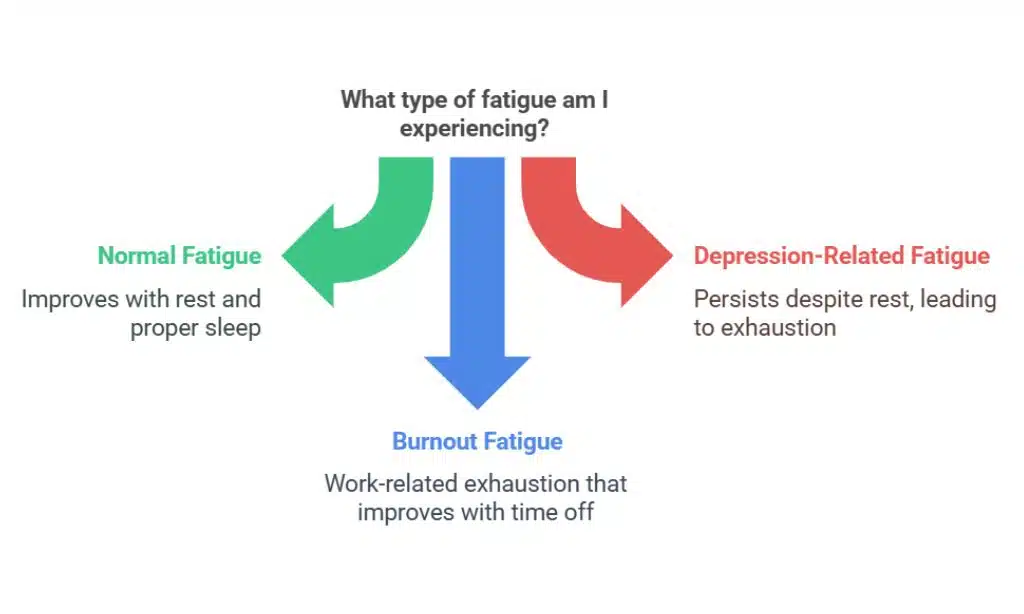
While occasional tiredness is normal, persistent fatigue that doesn’t improve with rest can indicate depression. This exhaustion affects concentration, productivity, and overall motivation.
Differences Between Normal Fatigue and Depression-Related Fatigue
| Type of Fatigue | Characteristics |
| Normal Fatigue | Improves with rest and proper sleep |
| Depression-Related Fatigue | Persists despite rest, leading to exhaustion |
| Burnout Fatigue | Work-related exhaustion that improves with time off |
Actionable Tip: Prioritizing rest, a balanced diet, and light exercise can help combat fatigue. If symptoms persist, consulting a healthcare professional is advisable.
2. Loss of Interest in Work and Daily Activities
A professional once driven by their career may start feeling indifferent, uninspired, and detached from their job responsibilities and achievements.
Key Indicators of Loss of Interest
- Avoiding projects that once seemed exciting
- Procrastination or missed deadlines
- Declining participation in work events
- Feeling disengaged in personal hobbies as well
Example: A marketing executive who once enjoyed brainstorming creative campaigns now finds themselves avoiding meetings and dreading assignments.
3. Increased Irritability and Mood Swings
How Irritability Manifests in a Professional Setting
- Snapping at colleagues or subordinates
- Frequent frustration with small mistakes
- Impatience in communication
Case Study: A finance executive reported that before recognizing his depression, he often lashed out at junior employees over minor errors, only to regret it later. After seeking therapy, he realized that irritability was a symptom of his mental distress.
4. Difficulty Concentrating and Making Decisions
Professionals suffering from depression often struggle with mental clarity, focus, and decision-making. This can result in:
- Missed deadlines
- Forgetfulness
- Poor problem-solving skills
Impact of Cognitive Fog on Productivity
| Cognitive Symptom | Workplace Effect |
| Poor concentration | Decreased efficiency in tasks |
| Indecisiveness | Delays in decision-making |
| Memory issues | Forgetting meetings or deadlines |
Actionable Tip: Using organizational tools such as planners and reminders can help manage cognitive challenges.
5. Changes in Sleep Patterns

Changes in sleep patterns are common symptoms of depression and can significantly impact daily functioning. While some individuals struggle with insomnia, finding it difficult to fall or stay asleep, others experience hypersomnia, where they sleep excessively but still feel tired.
Table: Sleep Pattern Changes and Their Effects
| Sleep Issue | Description | Impact on Work & Health |
| Insomnia | Difficulty falling or staying asleep | Reduced focus, memory loss, increased anxiety |
| Hypersomnia | Excessive sleep, difficulty waking up | Low energy, missed deadlines, decreased motivation |
Actionable Tip: Establishing a regular sleep routine, reducing screen time before bed, and practicing relaxation techniques can help regulate sleep patterns.
6. Unexplained Physical Aches and Pains
Depression doesn’t just affect mental well-being—it also manifests physically, often leading to unexplained aches and pains. Common physical symptoms include:
- Headaches caused by prolonged stress and tension.
- Back pain due to muscle tension and sedentary work habits.
- Digestive issues triggered by anxiety and stress-related eating patterns.
Table: Common Physical Symptoms of Depression
| Symptom | Possible Cause | Workplace Impact |
| Headaches | Stress, muscle tension | Reduced focus, increased sick leave |
| Back pain | Poor posture, prolonged sitting | Difficulty completing tasks |
| Digestive issues | Anxiety, poor diet, stress eating | Increased discomfort, low energy |
Actionable Tip: Practicing relaxation techniques, maintaining good posture, and engaging in physical activity can help alleviate these physical symptoms. Seeking medical consultation for persistent pain is recommended.
7. Increased Dependence on Alcohol, Caffeine, or Substances
Many professionals may turn to alcohol, caffeine, or prescription drugs to manage stress. Over time, these habits can become coping mechanisms that mask deeper mental health issues.
Common Substances Used for Coping
| Substance | Effect on Mental Health |
| Alcohol | Short-term relief but worsens depression over time |
| Caffeine | Increases anxiety and disrupts sleep patterns |
| Nicotine | Temporary mood boost but raises stress levels |
8. Feelings of Hopelessness and Self-Doubt
Negative thought patterns are one of the most debilitating aspects of depression, often leading professionals to underestimate their achievements and potential. These thought distortions may include feelings of inadequacy, excessive self-criticism, or an inability to recognize personal success. Over time, such thoughts can erode confidence, increase stress, and reduce workplace productivity.
Common Negative Thought Patterns and Their Impact
| Thought Pattern | Effect on Mental Health | Workplace Impact |
| Self-doubt | Increased anxiety, loss of confidence | Hesitation in decision-making, avoidance of responsibilities |
| Perfectionism | Fear of failure, burnout | Difficulty completing tasks, excessive revisions |
| Catastrophizing | Viewing minor setbacks as disasters | Increased stress, reluctance to take on new challenges |
| Impostor Syndrome | Feeling unworthy of success | Avoiding promotions, reluctance to share ideas |
Actionable Tip: Practicing positive affirmations, seeking constructive feedback, and engaging in cognitive-behavioral therapy (CBT) techniques can help reframe negative thought patterns into more balanced and productive perspectives.
9. Social Withdrawal and Isolation
Social withdrawal is one of the most common yet overlooked signs of depression in professionals. Individuals struggling with depression often isolate themselves from colleagues, avoiding work-related social events, meetings, and casual interactions. This withdrawal can intensify feelings of loneliness, making it even harder to seek support or engage with others, further exacerbating their mental health struggles.
Effects of Social Withdrawal in Professionals
| Behavior | Potential Impact |
| Avoiding team meetings | Lack of collaboration, miscommunication |
| Skipping work gatherings | Missed networking opportunities |
| Declining casual interactions | Reduced workplace support system |
| Preferring isolation | Increased risk of prolonged depression |
Actionable Tip: If you notice yourself or a colleague withdrawing from social settings, make a conscious effort to stay engaged. Small steps, like participating in team discussions or having lunch with coworkers, can help maintain social connections and support mental well-being.
10. Frequent Absenteeism and Declining Performance
Declining work performance can be a major indicator of mental health struggles. Professionals dealing with depression may find themselves unable to focus, leading to lower productivity and disengagement from work.
They may struggle with meeting deadlines, experience increased absenteeism, or show a lack of motivation to complete tasks. These symptoms not only impact individual success but can also affect team dynamics and overall workplace efficiency.
Signs of Work Performance Decline Due to Depression
| Work Behavior | Possible Mental Health Concern |
| Frequent absenteeism | Avoidance due to anxiety or exhaustion |
| Missed deadlines | Difficulty concentrating and decision-making |
| Decreased productivity | Loss of interest and motivation |
| Withdrawal from teamwork | Social isolation and emotional exhaustion |
Actionable Tip: If you or a colleague are experiencing a decline in work performance, seeking mental health support, adjusting workloads, and practicing self-care strategies can help improve overall well-being.
Takeaways
Recognizing the early warning signs of depression in professionals is crucial for preventing mental health deterioration, improving workplace productivity, and ensuring a supportive environment for all employees.
Depression is not simply a personal struggle—it has profound effects on workplace performance, team dynamics, and overall organizational success. By identifying symptoms early, professionals and employers alike can take proactive measures to address mental health challenges effectively.
By addressing mental health in the workplace, professionals can regain their sense of motivation, well-being, and productivity, leading to a healthier work environment for all. If you or someone you know is experiencing symptoms of depression, reaching out for professional support is a crucial step toward recovery.