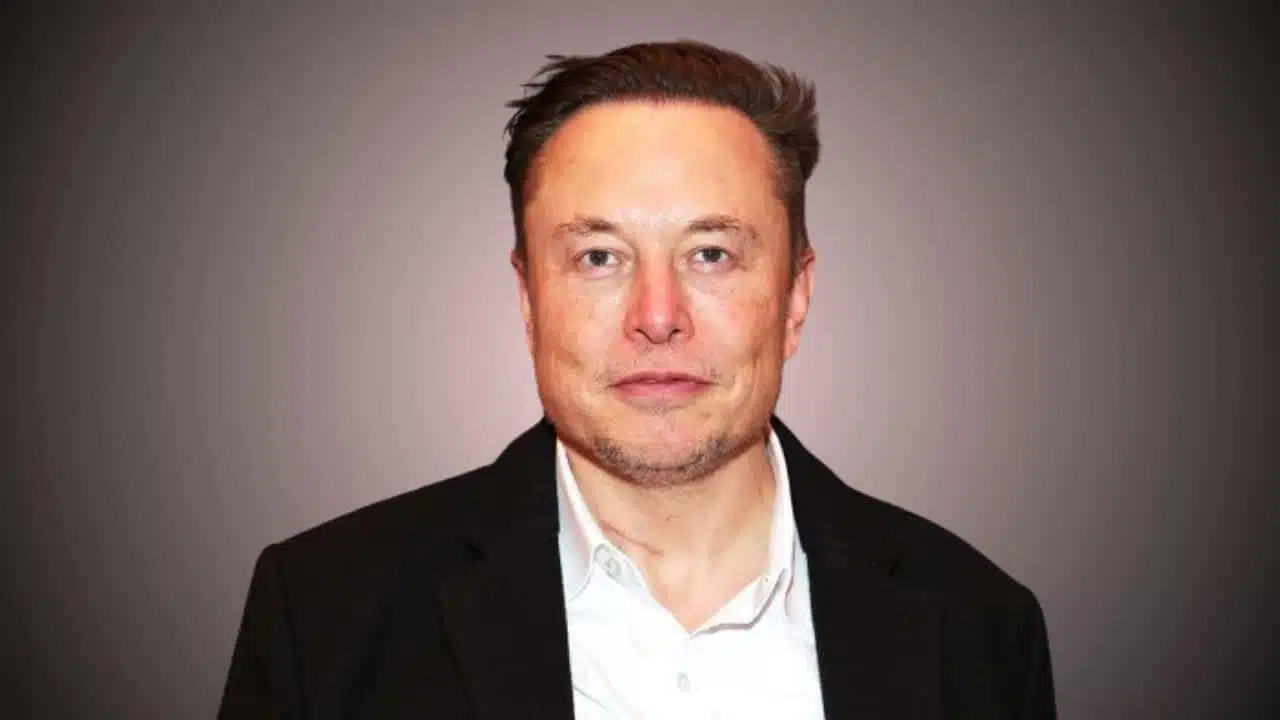
A significant legal ruling unfolded on Monday when Chancellor Kathaleen McCormick of Delaware’s Court of Chancery reaffirmed her January decision to nullify Tesla CEO Elon Musk’s colossal $55.8 billion compensation package. The court’s decision denies Tesla’s attempt to ratify the pay deal through a June 2024 shareholder vote, calling it “excessive” and unfair to shareholders.
This decision marks a crucial moment in corporate governance, executive compensation, and shareholder rights, shedding light on how shareholder actions and judicial oversight intersect in modern capitalism.
Legal Background of the Case
In 2018, Tesla shareholders approved an ambitious compensation plan aimed at incentivizing Musk for the company’s growth. The package included significant payouts based on Tesla’s market capitalization reaching specific milestones. Proponents argued that the structure tied Musk’s wealth to Tesla’s success, aligning his interests with the company’s shareholders.
However, Richard Tornetta, a Tesla shareholder, challenged the plan in a lawsuit. Tornetta alleged that Musk exerted undue influence over Tesla’s board, leading to the approval of a pay deal that served Musk’s interests disproportionately. The lawsuit claimed that Musk dictated his own terms to a board that lacked sufficient independence from the star CEO. Tornetta’s case further accused Musk of “unjust enrichment” and requested the court to annul the compensation plan.
Chancellor McCormick’s January 2024 ruling agreed with Tornetta’s assessment, striking down the package as inequitable and excessively generous.
Tesla’s Attempt to Reinstate the Pay Package
After the initial ruling, Tesla sought to overturn the decision by holding a shareholder vote in June 2024 to ratify the compensation plan. Tesla argued that shareholder approval could effectively validate the package and address the court’s concerns.
However, Chancellor McCormick rejected this effort in her latest ruling. She identified several flaws in the ratification process, most notably the presence of “material misstatements” in Tesla’s communications with shareholders. According to the court, these misstatements misled shareholders about the implications of their vote, undermining the validity of the ratification attempt.
“The motion to revise is denied,” McCormick wrote in her decision. She criticized Tesla’s legal team for advancing “creative but unprecedented theories” that contradicted established legal principles.
Significant Attorney Fee Dispute
The court’s decision also addressed attorney fees related to the case. The legal team representing Tornetta had initially requested $5.6 billion in fees, citing Delaware law that bases attorney compensation on the percentage of the financial benefit achieved for shareholders.
While acknowledging the soundness of this calculation method, McCormick ruled that granting such a large sum would constitute an “excessive windfall.” Instead, the court awarded $345 million in attorney fees, a significant reduction from the original request. This decision highlighted the importance of balancing adequate compensation for legal representation with fairness to shareholders and corporate entities.
Musk’s Defense During the Trial
Musk has consistently defended the compensation plan, arguing that it was designed to reward Tesla’s transformative growth. During the trial in 2022, Musk testified that Tesla had been the “laughingstock” of the auto industry before the success of the Model 3, which he credited with turning the company around.
Musk further contended that Tesla shareholders are among the “most sophisticated investors in the world,” capable of monitoring his performance and evaluating the fairness of his compensation. He denied having any direct involvement in designing the pay package, asserting that he did not discuss the plan with Tesla board members, even though some of them were his close friends.
Despite Musk’s claims, McCormick’s rulings have emphasized the lack of independence among Tesla’s board members during the approval process. The court found insufficient evidence to prove that the package was negotiated at arm’s length or that it represented a fair agreement for shareholders.
Implications for Corporate Governance and Shareholder Rights
The ruling carries significant implications for how companies approach executive compensation and shareholder engagement. Tesla’s compensation plan was heralded as one of the largest in corporate history, but the controversy surrounding it underscores the need for transparency, accountability, and fairness in executive pay structures.
The case also highlights the role of Delaware’s Court of Chancery in regulating corporate governance. As the jurisdiction where two-thirds of Fortune 500 companies are incorporated, Delaware’s legal precedents significantly influence corporate practices across the United States.
What’s Next for Tesla and Musk?
Tesla has announced its intention to appeal the ruling to the Delaware Supreme Court. The appeal will likely focus on challenging McCormick’s findings regarding the ratification process and the independence of Tesla’s board.
This legal battle adds to a series of challenges Musk faces as Tesla’s CEO. While Tesla continues to be a dominant force in the electric vehicle market, Musk’s increasing involvement in other ventures, including his acquisition of X (formerly Twitter), has raised questions about his focus on Tesla’s long-term growth.
Additionally, Musk’s compensation plan controversy may prompt broader discussions among investors and corporate boards about how to design pay structures that align with shareholder interests without appearing excessive or inequitable.
The Bigger Picture
The rejection of Musk’s pay package comes at a time when executive compensation is under heightened scrutiny globally. As corporate leaders are increasingly held accountable for their decisions, cases like this highlight the growing influence of shareholders and the courts in shaping the future of corporate governance.
The legal challenges surrounding Tesla’s compensation plan serve as a reminder that even the most ambitious pay structures must withstand rigorous scrutiny to ensure fairness, transparency, and alignment with shareholder interests. For Tesla, this case represents not only a legal setback but also an opportunity to reevaluate its governance practices and rebuild shareholder trust.