
Want to learn how to cook restaurant-quality meals at home without spending a fortune on culinary school or fancy kitchen gadgets? You are not alone. We all crave those beautifully plated dishes, perfectly seared steaks, and silky pan sauces that make dining out feel like a true luxury. However, relying on expensive takeout week after week quickly drains your wallet.
The secret behind those five-star dining experiences is not magic; it comes down to simple, foundational methods you can start using tonight. Professional chefs rely on proper heat control, fearless seasoning, and understanding how to layer flavors to elevate everyday ingredients.
I am going to walk you through these exact steps. Put down the delivery apps, tie on your apron, and grab your favorite chef’s knife. It is time to transform your own kitchen into the most exclusive dining spot in town.
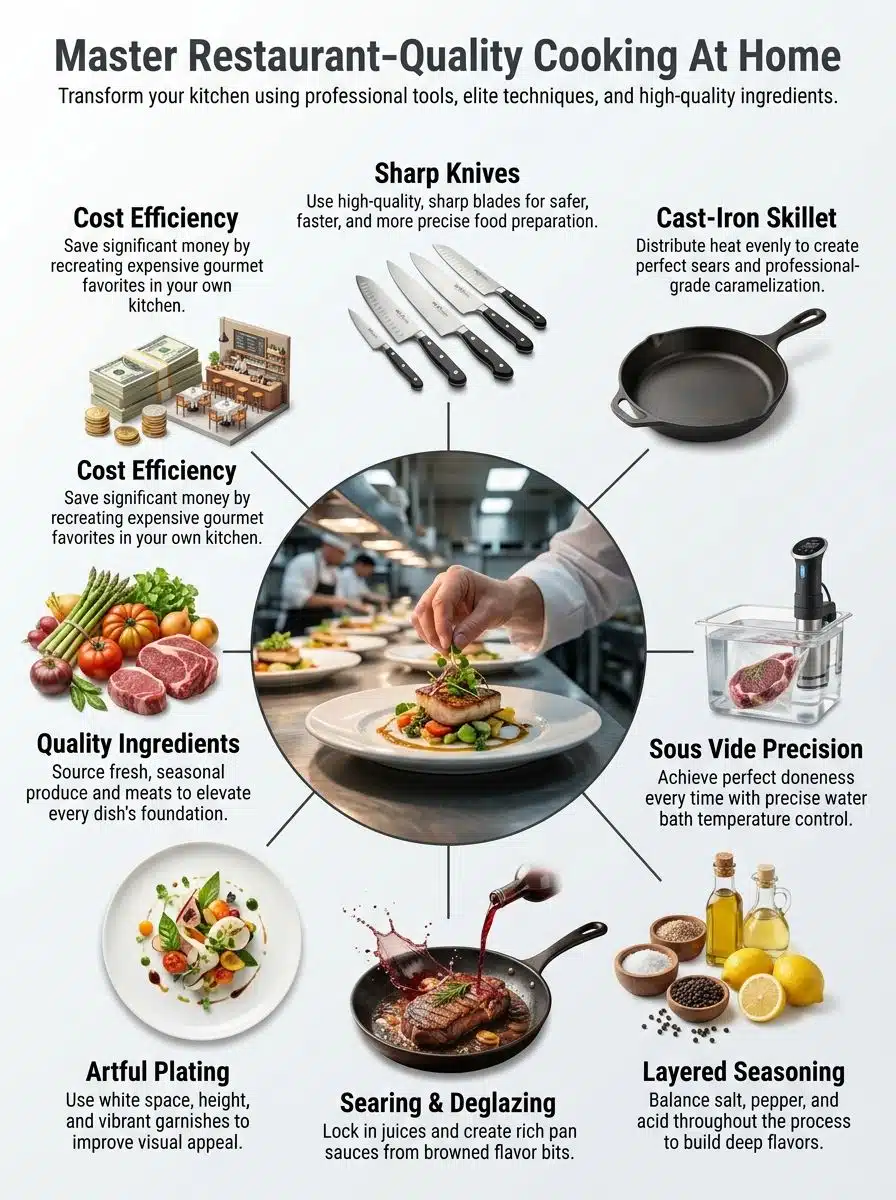
Essential Cooking Tools for Home Chefs
You need the right gear to cook like a pro. Quality tools transform your kitchen into a space where great food actually happens, making every step of the process smoother and safer.
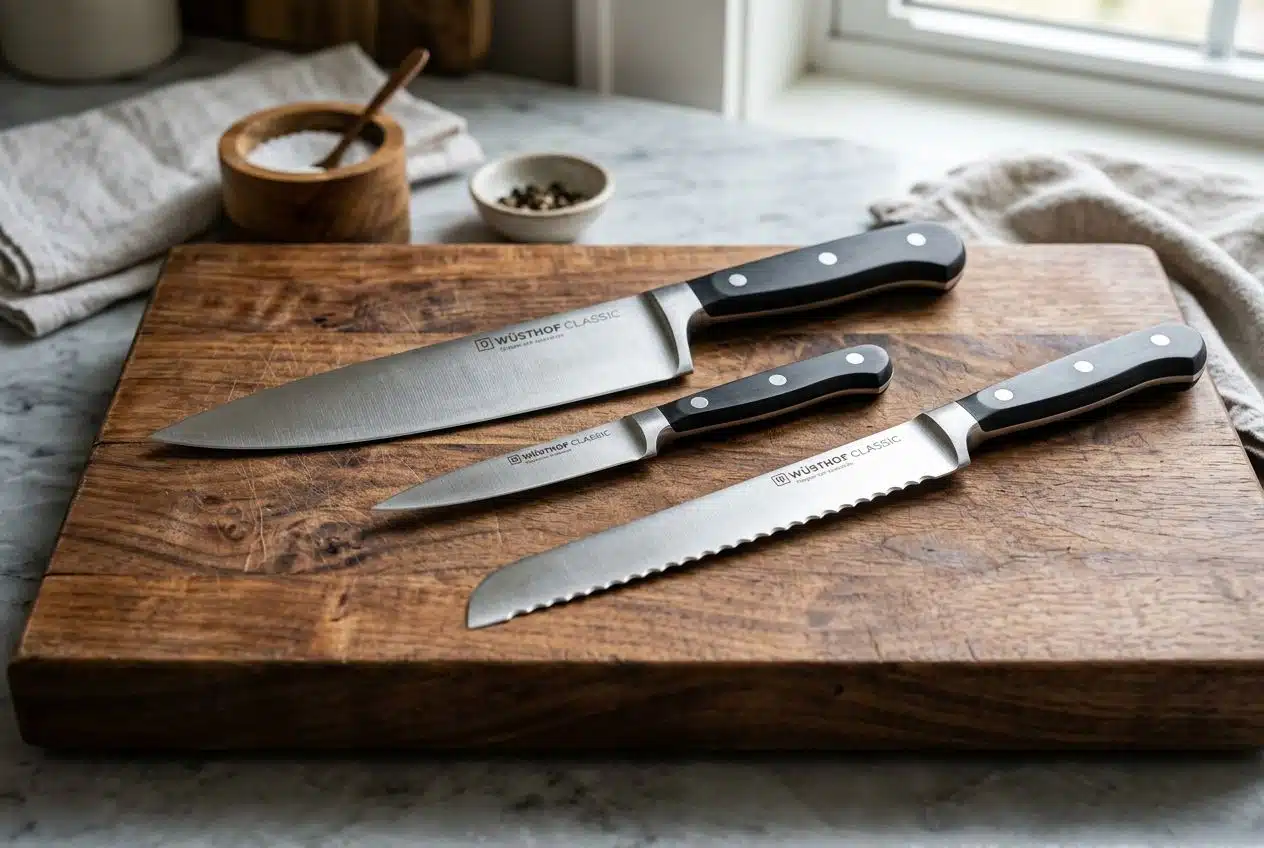
Choosing Quality Knives
A sharp knife is your best friend in the kitchen. A dull blade forces you to use more pressure, making slips and accidents much more likely. In fact, the US Consumer Product Safety Commission reported that roughly 350,000 knife injuries are treated in emergency rooms every year. Most of these happen because dull blades slip off food and hit fingers.
Quality knives hold their edge longer. This means you spend less time sharpening and more time cooking. A chef’s knife, a paring knife, and a serrated bread knife form the core of any home kitchen. Investing in good knives pays off fast, making food preparation easier, faster, and safer.
Benefits of a Cast-Iron Skillet
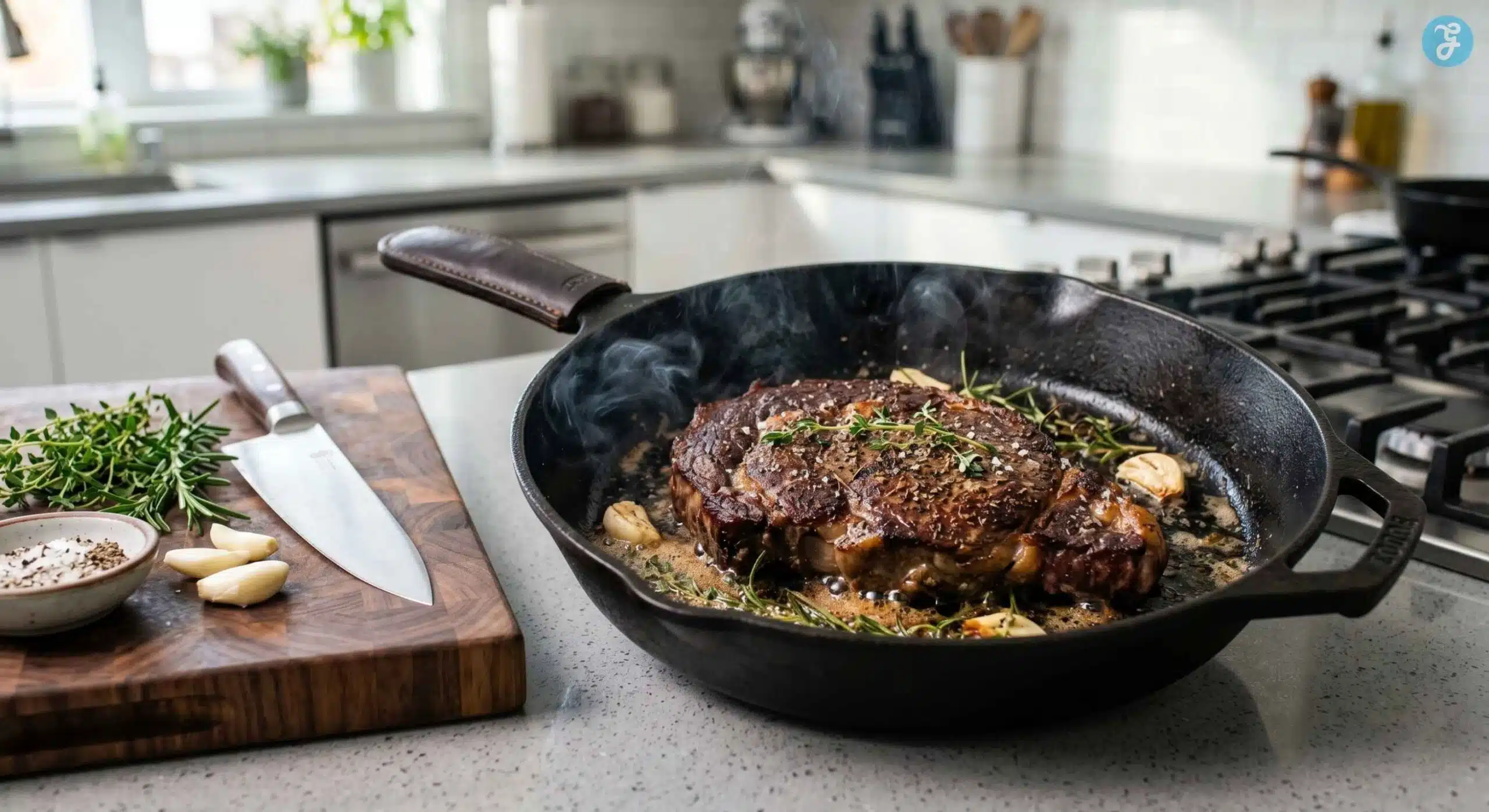
Cast-iron skillets heat evenly and retain warmth like nothing else. This cooking tool distributes heat across its surface, eliminating frustrating hot spots. You can sear meat at high temperatures, then move the skillet straight to the oven. Over time, your cast-iron develops a natural nonstick seasoning.
A classic 12-inch Lodge cast-iron skillet retails for around $30 to $35, which is incredibly affordable for a pan that lasts generations. Professionals love cast-iron for its superior heat retention, oven-safe versatility, extreme durability, and minimal cleanup requirements.
Using a Sous Vide Machine
Sous vide cooking transforms your kitchen into a professional culinary space. This water bath method cooks food at exact temperatures for perfect doneness. If you use a popular tool like the Anova or Breville Joule, you get exact precision.
Setting the water to exactly 130 degrees Fahrenheit guarantees a perfect medium-rare steak every single time. Simply seal your ingredients in a vacuum bag, submerge the bag in the heated water, cook for the allotted time, and finish with a quick pan sear in a hot cast-iron skillet for two minutes per side.
Operating an Immersion Blender
Immersion blenders take your cooking to the next level. This handheld tool transforms sauces, soups, and purees in seconds. Commercial models can reach speeds between 9,000 and 18,000 RPMs. That power is what gives restaurant purees their famous silky texture.
Submerge the blade completely into your liquid before turning it on to prevent splashing. Start on low speed, and move the blender in slow, deliberate motions. It is perfect for quickly emulsifying oil and vinegar to create creamy salad dressings.
Key Techniques to Master
Mastering core culinary techniques is what truly separates home cooks from restaurant chefs. Once you learn the foundational skills of balancing and heating, your kitchen game will change forever.
Proper Seasoning and Flavor Balancing
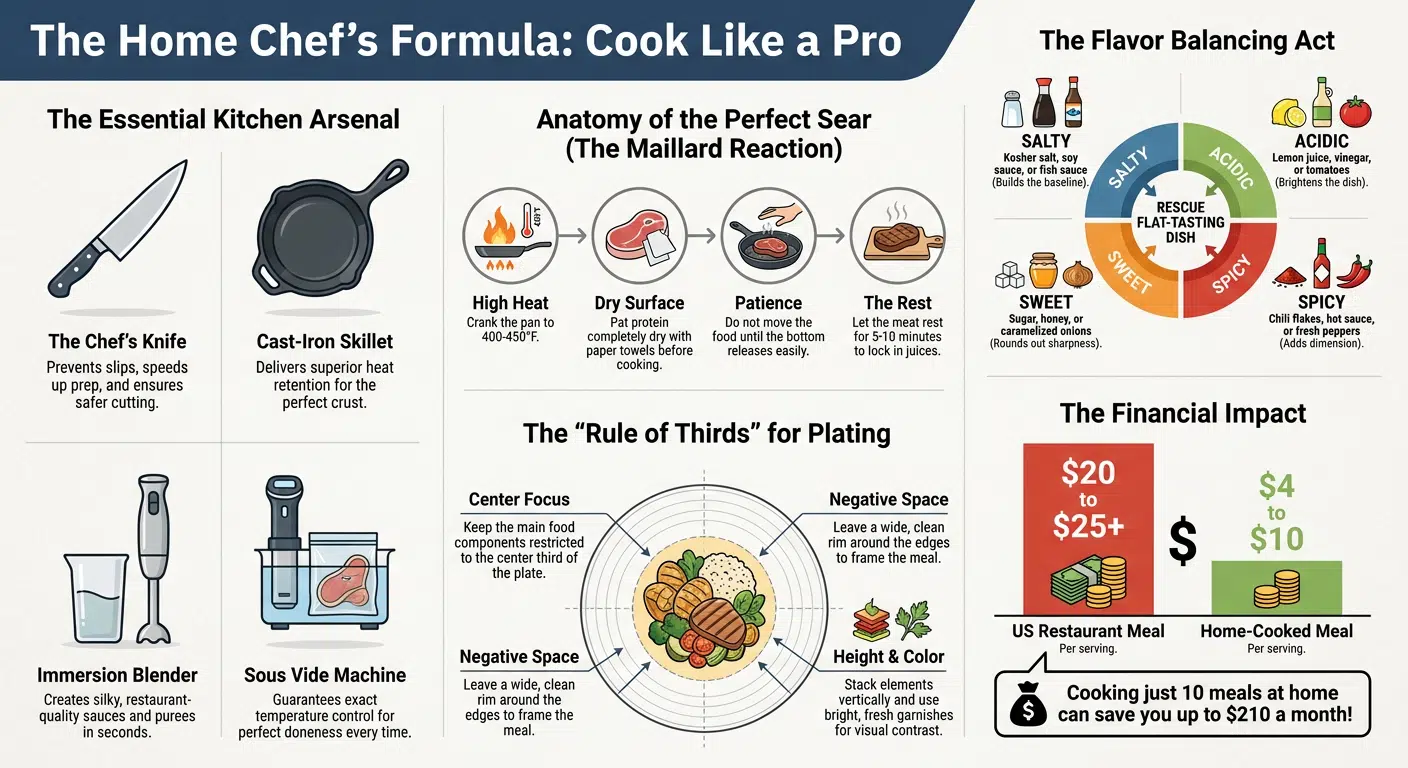
Seasoning forms the backbone of restaurant-quality cooking. Many home cooks skip this step or rush through it. Salt, pepper, and acid work together to build layers of flavor. Professional US chefs often prefer Diamond Crystal kosher salt over regular table salt because the hollow, flaky crystals stick to food better and are harder to over-salt.
Balancing flavors means playing with salty, acidic, sweet, and spicy elements. Taste your food multiple times during cooking, not just at the end.
Searing and Deglazing
Searing creates a golden crust on your food that locks in flavor, while deglazing transforms those browned bits into a silky sauce. The science behind this is the Maillard reaction, which kicks in rapidly when your pan reaches temperatures between 280 and 330 degrees Fahrenheit. Heat your pan until it is very hot, place your protein in the pan without moving it, and flip only once it releases easily.
After removing the meat, pour wine or broth into the hot pan to scrape up the brown bits, reducing the liquid to create a glossy, impactful pan sauce.
Plating for Presentation
Now that your food has the perfect sear, it is time to make your dish look amazing. Your eyes eat first, so thoughtful meal presentation gets people excited. Many culinary schools teach the ‘Rule of Thirds’ for plating, restricting the food to the center third of the plate and leaving a wide, clean rim.
Place your protein as the star of the show, stacking elements to create height and visual dimension. Bright garnishes like fresh herbs add pops of color, and wiping the plate edges clean with a cloth before serving adds a professional touch.
Recreating Restaurant Favorites at Home
You can recreate the bold flavors of your favorite restaurants right in your own kitchen by understanding how different regions layer their ingredients. Master these classic dishes from around the world to impress your family and friends.
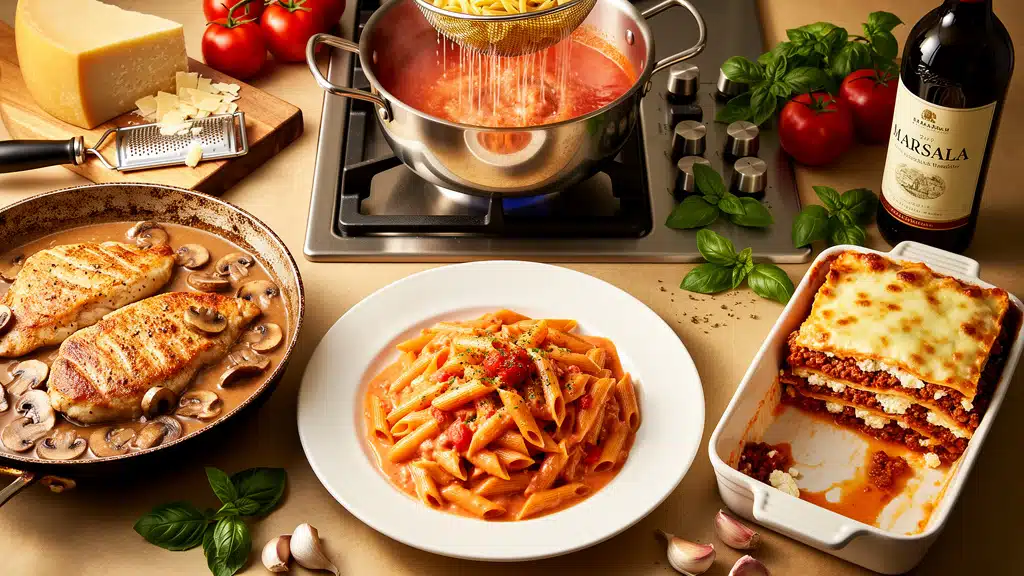
Italian: Penne alla Vodka, Chicken Marsala, or Homemade Lasagna
Italian cooking brings elegance to your home kitchen. Penne alla Vodka starts with heavy cream, vodka, and quality tomatoes. Chicken Marsala requires thin chicken breasts pounded flat for even cooking, seared, and simmered in a rich Marsala wine and mushroom sauce. Homemade Lasagna layers pasta sheets with a slow-simmered meat sauce and a rich ricotta mixture.
The Restaurant Secret: Authentic Italian kitchens never rinse their pasta. Instead, they pull the pasta out a minute before it is fully cooked and toss it directly into the simmering sauce along with a splash of starchy pasta water. This creates a glossy, unified emulsion that clings perfectly to every noodle.
The Pro Upgrade: Skip the pre-shredded domestic cheese and invest in a wedge of genuine Parmigiano-Reggiano imported from Italy. Grating it fresh over your finished dish delivers a sharp, nutty umami bomb you simply cannot fake.
Asian: Thai Green Curry, Beef Pho, or Chinese Orange Chicken
Asian cuisine brings bold, complex flavor profiles and exciting high-heat cooking methods. Thai Green Curry relies on a fragrant paste made from chilies, ginger, and lemongrass. Beef Pho requires simmering bone broth for 12 to 24 hours to extract collagen and build a rich taste. Chinese Orange Chicken combines a crispy cornstarch-coated texture with a tangy, sweet homemade sauce.
The Restaurant Secret: The mesmerizing aroma of your favorite takeout comes from a technique called “blooming.” Toasting your curry pastes and whole spices in a dry, hot pan before adding any liquids releases their essential oils, fundamentally deepening the entire flavor profile.
The Pro Upgrade: For wok-style dishes, do not crowd the pan. Cooking your proteins in small batches ensures a proper, crispy sear rather than steaming the meat in its own juices.
Mexican: Birria Tacos, Carnitas, or Skirt Steak (Arrachera)
Mexican cooking relies heavily on slow roasting, braising, and the masterful use of dried chilies. Birria tacos demand slow-cooked chuck roast braised with dried Guajillo and Ancho chiles. Carnitas require low heat and patience, cooking seasoned pork shoulder in its own fat. Skirt steak (arrachera) cooks fast over high heat after marinating in lime juice and cumin.
The Restaurant Secret: The defining characteristic of top-tier Carnitas is the contrast in texture. After hours of slow braising, chefs shred the tender meat and throw it into a screaming hot cast-iron skillet to crisp up the edges just before serving.
The Pro Upgrade: Ditch the store-bought taco seasoning packets. Toasting dried whole chilies (like Ancho or Pasilla) and blending them into a fresh adobo marinade will completely revolutionize your Taco Tuesdays.
French: Coq au Vin, Ratatouille, or Steak Frites
French cuisine is the foundation of many Western restaurant techniques. Coq au Vin is a rustic chicken stew braised slowly in red wine with mushrooms and pearl onions. Ratatouille requires cooking vegetables like eggplant, zucchini, and bell peppers individually before combining them. Steak Frites pairs a perfectly pan-seared steak with crispy, double-fried potatoes.
The Restaurant Secret: French chefs are masters of patience, particularly when building stews and braises. Ratatouille tastes vastly superior when you cook each vegetable separately to its ideal texture before gently folding them together, rather than turning them into a mushy one-pot boil.
The Pro Upgrade: The secret to legendary Steak Frites is the double-fry technique. Blanch the cut potatoes in lower-temperature oil to cook the inside, chill them, and then drop them in screaming hot oil for a perfectly crisp exterior.
Indian: Chicken Tikka Masala, Palak Paneer, or Lamb Rogan Josh
Indian restaurant dishes are famous for their deeply layered spices and rich, robust gravies. Chicken Tikka Masala starts by marinating chicken in yogurt and spices before charring it. Palak Paneer blends vibrant spinach with fresh cheese, requiring careful balancing of cumin and garam masala. Lamb Rogan Josh is an aromatic curry that relies on slow-cooking tough cuts of meat.
The Restaurant Secret: The yogurt marinade is not just for flavor; it is a powerful tenderizer. The lactic acid breaks down the proteins in the chicken, ensuring it stays incredibly juicy even when subjected to the intense heat needed to get those signature charred edges.
The Pro Upgrade: Buy whole spices (cumin seeds, coriander seeds, cardamom pods) and grind them yourself in a cheap coffee grinder. The vibrant, volatile oils in fresh-ground spices are light-years ahead of the dusty jars sitting on supermarket shelves.
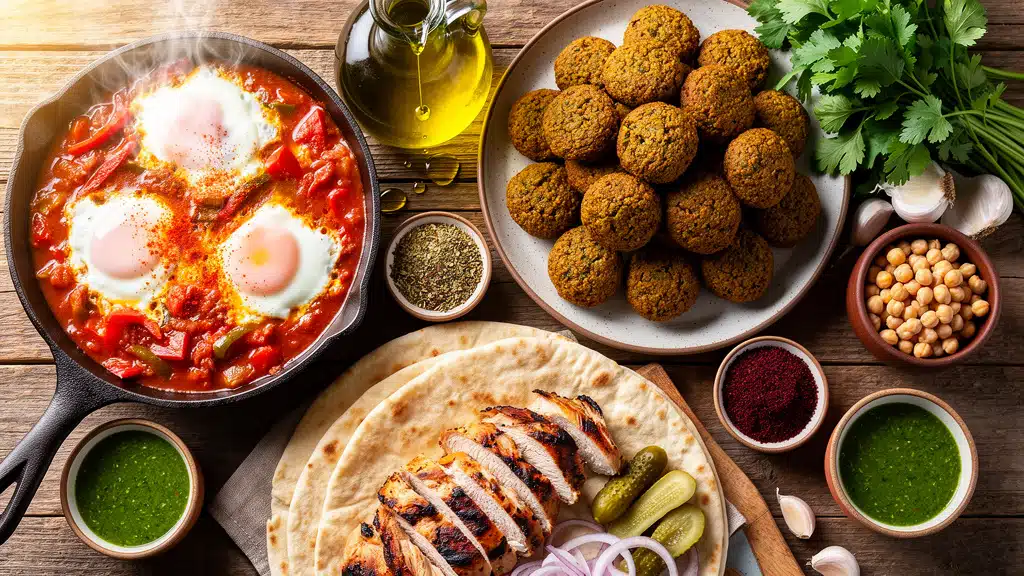
Middle Eastern: Shakshuka, Falafel, or Chicken Shawarma
Middle Eastern food brings vibrant, herbaceous, and smoky flavors to the table. Shakshuka involves poaching eggs in a boldly spiced tomato and bell pepper sauce. Falafel requires soaking dried chickpeas and blending them with fresh herbs before deep-frying. Chicken Shawarma utilizes an intense marinade of garlic, cumin, and coriander.
The Restaurant Secret: The unmistakable, airy crunch of authentic restaurant falafel comes from using strictly dried chickpeas soaked overnight. Using canned chickpeas retains too much moisture, causing the falafel to fall apart or become dense and heavy in the fryer.
The Pro Upgrade: Finish your dishes with a generous drizzle of high-quality extra virgin olive oil and a sprinkle of sumac or za’atar right before serving to wake up the earthy flavors with bright, acidic notes.
American Classics: Spaghetti and Meatballs, Butter Biscuits, or Short Ribs
American comfort food brings joy and nostalgia to dinner tables across the nation. Spaghetti and meatballs demand attention to flavor balancing, simmering browned meatballs in tomato sauce. Butter biscuits represent a fundamental baking technique requiring cold ingredients. Braised short ribs showcase how low and slow cooking methods produce spectacular results.
The Restaurant Secret: Diner-style, sky-high butter biscuits rely on the science of steam. By keeping your butter ice-cold and folding the dough in layers, the melting butter creates rapid pockets of steam in the hot oven, pushing the biscuits into flaky, towering layers.
The Pro Upgrade: When making meatballs, swap out regular breadcrumbs for a “panade”—a mixture of torn fresh bread soaked in milk. This traps moisture inside the meatball, guaranteeing a tender, melt-in-your-mouth texture every single time.
Tips for Elevating Everyday Dishes
You can easily transform ordinary, repetitive meals into something special by making a few smart, intentional choices in the kitchen. Here is exactly how to execute those upgrades.
Use Fresh, High-Quality Ingredients
Fresh ingredients make a massive difference in your kitchen. High-quality produce and meats simply taste better than cheaper counterparts. Shopping at local US farmers’ markets ensures you get ingredients at their peak seasonality. A ripe tomato in July beats a pale supermarket version in December every single time. Your meals shine when you start with excellent building blocks, and using fresh herb packs, much more punch than relying on dried ones sitting in the back of your cabinet.
Experiment with Sauces and Garnishes
Sauces transform ordinary dishes into gourmet creations. You can make a simple chicken breast sing by topping it with a custom pan sauce. A good sauce balances richness, acidity, and seasoning, and homemade sauces always beat store-bought versions because you control the inputs. Easy sauces to master include Beurre Blanc, Chimichurri, and a Classic Vinaigrette. Garnishes do the heavy lifting for presentation, where a sprinkle of fresh basil or toasted nuts adds texture and visual appeal.
Practice Portion Control and Plating
Plating transforms your home-cooked meal from ordinary to extraordinary, turning your plate into a canvas. Portion control is a huge part of restaurant plating. The USDA recommends a 3 to 4-ounce serving of protein for a balanced meal, though many restaurants double or triple that size, which clutters the plate. Smaller portions placed thoughtfully on a large plate instantly elevate the dining experience. Searing a perfectly sized piece of meat and garnishing it well creates a stunning visual that impresses guests.
Embracing the Micro-Joys of the Kitchen
Cooking at home does not have to be a rigid, stressful chore; it can actually be one of the most rewarding and relaxing parts of your entire day. Finding the fun in food preparation transforms it from a daily obligation into a highly anticipated hobby.
Cooking as a Daily Digital Detox
While the wellness industry often sells expensive retreats to help people unwind, the kitchen offers a free, immediate escape. Stepping away from screens, endless notifications, and algorithmic optimization to engage in a tactile, traditional habit anchors you in the present.
Much like the quiet focus of handwriting, the rhythmic chopping of vegetables or the crackle of a hot skillet forces you to be entirely present, turning meal prep into a deeply satisfying sensory experience.
The Weekend Pastry Project
There is a unique kind of magic in baking that completely captivates beginners. Dedicate one lazy weekend afternoon to a simple pastry or baking project, like a rustic fruit galette or a loaf of fresh focaccia.
The gentle science of pastry production requires just enough focus to quiet your mind, and watching butter melt into flour or dough rise on your counter provides an immense sense of accomplishment, while filling your home with the most incredible aromas.
Host a “Pantry Roulette” Night
Remove the pressure of absolute perfection by gamifying your dinner. Invite your family or a friend to pick three random ingredients from your pantry and challenge yourself to build a cohesive dish around them.
This playful approach encourages you to rely on your instincts rather than a strict recipe, inevitably leading to happy accidents and memorable, “ugly delicious” meals that taste amazing simply because you had fun making them.
The Final Bite: Your Culinary Evolution
When you first step into the kitchen with the goal of elevating your daily meals, it is remarkably easy to get caught up in the pursuit of absolute perfection. You might obsess over matching the exact knife cuts from a YouTube tutorial or panic when a pan sauce slightly breaks.
However, the true beauty of home cooking lies in its beautiful imperfections and the tangible, tactile connection it creates between you and the food on your plate. Over time, the anxiety of following a recipe step-by-step begins to fade, naturally replaced by an intuitive understanding of how heat, acidity, and seasoning interact.
The kitchen ceases to be merely a place of utility and gradually becomes a personal sanctuary where creativity and curiosity thrive. Every slightly burned edge or oversalted broth is simply a necessary stepping stone in your overarching culinary evolution.
Ultimately, the greatest reward is not just the stunning, restaurant-quality food you produce, but the quiet, enduring pride that comes from nourishing yourself and the people you care about with your own two hands.
Benefits of Knowing How To Cook Restaurant-Quality Meals At Home
Cooking at home puts money back in your pocket while guaranteeing that you eat vastly better food. You gain absolute control over every single bite that lands on your plate.
Cost Savings Compared to Dining Out
Your wallet will thank you when you master gourmet cooking at home, as restaurant meals drain your bank account incredibly fast. To clearly illustrate the financial impact of cooking at home versus eating out, take a look at the following breakdown:
| Dining Option | Average Cost Per Serving |
| US Restaurant Meal | $20 to $25+ |
| Home-Cooked Meal | $4 to $10 |
Over a month, cooking just ten meals at home saves you a significant amount of money. Batch cooking techniques stretch your ingredient budget even further, transforming your kitchen into a money-saving machine.
Control Over Ingredients and Dietary Preferences
Beyond saving money, cooking at home gives you total command over your food. Store-bought meals and restaurant dishes famously hide excess sodium. While the FDA recommends limiting sodium to 2,300 milligrams per day, the average American consumes around 3,400 milligrams daily, mostly from eating out.
Home cooking flips this script entirely. You control the salt levels, the oil amounts, and the sugar content in every single dish, making it easy to adjust recipes for allergies or specific dietary needs.
A More Personalized Dining Experience
Cooking at home gives you total control over your flavor profiles, allowing you to pick the exact ingredients that go into each dish. You serve food on your schedule, skip ingredients you dislike, and add extra of what you love. Portion sizes can be tailored to match your actual appetite, preventing unnecessary waste.
The dinner table becomes a relaxed space to create memories while you experiment with sauces and garnishes until the flavors sing perfectly for your specific palate.
The Chef’s Secret Pass: Plating Your Final Masterpiece
Your kitchen transforms into a gourmet space the moment you commit to mastering culinary techniques. Start small with one or two recipes that excite you, then build your skills from there. You will find that searing a perfect steak or balancing flavors in a sauce brings real satisfaction.
These cooking methods work because they follow the same principles professionals use every day. Your homemade meals will taste better, cost less, and reflect exactly what you want to eat. The journey happens one meal at a time, and your family and friends will absolutely notice the difference in your cooking.
Frequently Asked Questions (FAQs) on How to Cook Restaurant-Quality Meals at Home!
1. How can I make my home-cooked meals taste as if they came from a restaurant?
Start with fresh ingredients, use a sharp knife and heavy pan, and season boldly as you cook, tasting and adjusting along the way. The real game-changer is heat: crank your pan to around 400-450°F before adding meat or fish to get that gorgeous golden crust restaurants are known for.
2. What kitchen skills do I need to cook restaurant-quality dishes at home?
Focus on the basics: chopping vegetables evenly, searing meat for a golden crust, and timing everything so it comes together hot. According to the Culinary Institute of America, mastering just five fundamental knife cuts will drastically elevate the consistency and texture of your home cooking.
3. Are there tricks chefs use that I can try in my own kitchen?
Rest your steak for 5-10 minutes after cooking to keep the juices locked inside. Always finish pasta in its sauce instead of just dumping it together so every strand soaks up flavor. One pro trick: salt your pasta water to about 1-2% salinity, which tastes like the ocean and properly seasons the noodles from within.
4. Do I have to buy expensive equipment to get professional results?
Not at all. A sturdy cast-iron skillet, like Lodge (around $25 to $35), and one good chef’s knife will take you very far. Fancy gadgets gather dust faster than bread goes stale, so stick with simple gear that does its job well every time.
5. How do I manage meal timing so everything finishes at once?
Chefs rely on “mise en place,” which means having all ingredients chopped, measured, and ready before the heat is even turned on. Cook items that take the longest (like roasted roots or braised meats) first, and save quick-cooking elements (like pan-seared fish or sautéed greens) for the very last minutes before serving.
6. What is the secret to a great pan sauce?
A great pan sauce relies on the “fond” (the browned bits stuck to the pan after searing meat). The secret is deglazing the pan with a cold liquid like wine or stock, scraping up those bits, letting it reduce by half to concentrate the flavor, and whisking in a pat of cold butter right at the end to make it glossy and rich.