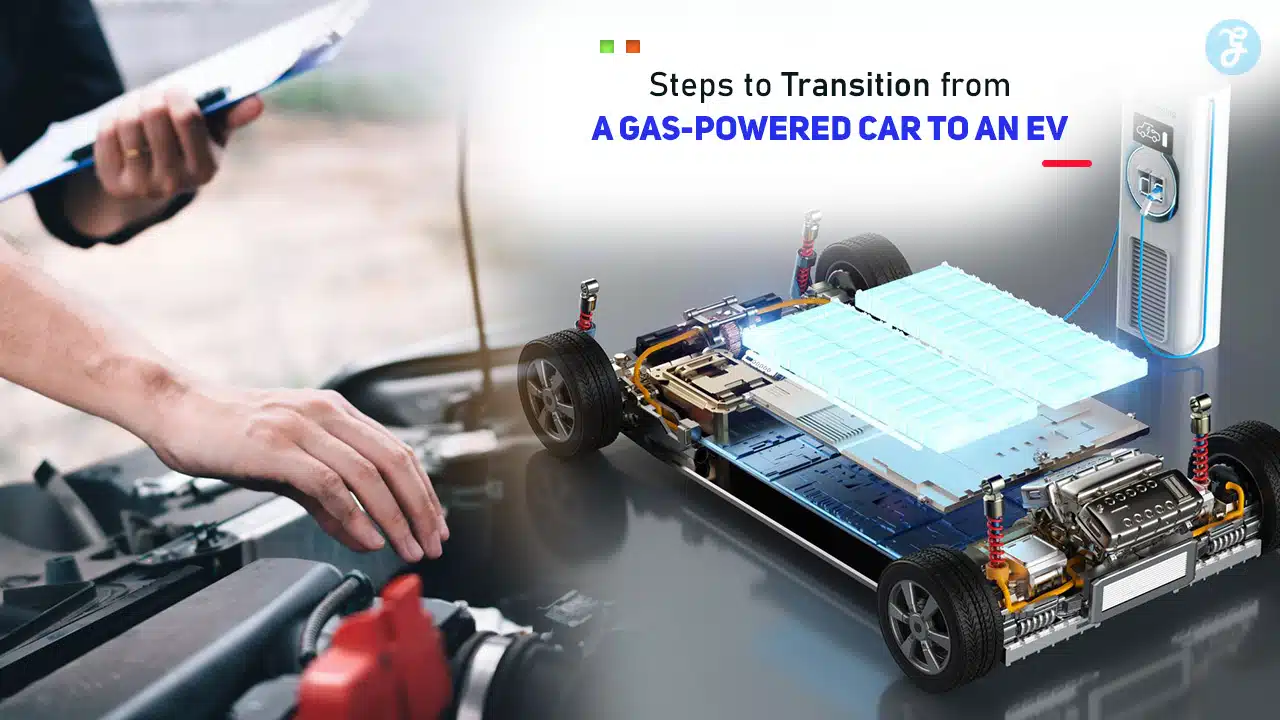
As electric vehicles (EVs) become more accessible, reliable, and affordable, more drivers are considering making the switch from traditional gas-powered cars to electric alternatives.
Transitioning to an EV offers numerous benefits, including reduced fuel costs, lower emissions, and access to new technologies. However, shifting from a familiar gasoline vehicle to an electric car can be a big change.
It requires understanding new technologies, planning for charging needs, and considering lifestyle adjustments.
This article will walk you through 5 essential steps to transition from a gas-powered car to an EV, providing practical advice to make the switch smoother and more enjoyable.
Why Transitioning to an EV is a Smart Choice?
Electric vehicles are more than just a trend; they represent the future of sustainable transportation.
Governments around the world are offering incentives to encourage EV adoption, and as battery technology improves, EVs are becoming increasingly viable for all types of drivers. In addition to being environmentally friendly, EVs offer long-term savings on fuel, maintenance, and even tax incentives in some regions.
If you’re ready to make the switch, let’s dive into the five key steps to ensure a successful transition to an EV.
Step 1: Assess Your Driving Needs and EV Options
Before making any decision, it’s crucial to evaluate your driving needs and consider which type of EV best suits your lifestyle. Not all EVs are created equal; each model comes with different ranges, charging capabilities, and features tailored to specific driving needs.
How to Assess Your Driving Habits
- Evaluate Your Daily Commute: Consider the average distance you drive each day. Most EVs can cover around 200-300 miles on a full charge, which is more than sufficient for daily commutes. However, if you often drive long distances, you may need a vehicle with a larger battery capacity or faster charging options.
- Consider Weekend and Long-Distance Travel: If you frequently take road trips or drive extended distances, look for an EV with a long range or one that supports fast charging at public stations.
- Look at Available Models: EVs come in a range of models, from compact cars and sedans to SUVs and trucks. Research brands like Tesla, Nissan, Chevrolet, and new entries from Ford and Volkswagen to understand the offerings that match your needs.
- Assess Cargo and Passenger Needs: If you need ample cargo space or frequently travel with family, consider an SUV or a model that offers flexible seating and storage options.
Choosing Between Battery Electric Vehicles (BEVs) and Plug-In Hybrid Electric Vehicles (PHEVs)
- Battery Electric Vehicles (BEVs): BEVs run entirely on electricity and require charging infrastructure, but they offer zero emissions and lower long-term costs.
- Plug-In Hybrid Electric Vehicles (PHEVs): PHEVs have both a battery and a gas engine. They can run on electricity for shorter commutes and switch to gasoline for longer trips. This can be a good choice if you’re not ready for a full EV transition.
Assessing your driving needs will help you choose an EV that fits seamlessly into your daily life.
Step 2: Calculate Your Budget and Potential Savings
Switching to an EV requires an upfront investment, but it also brings substantial savings over time. To determine if an EV fits your budget, it’s important to look at initial costs, potential savings, and incentives.
Key Financial Considerations When Switching to an EV
- Initial Purchase Price: EVs generally have a higher purchase price than comparable gas-powered cars due to battery costs. However, prices are decreasing as battery technology improves. Look for models that fit your budget, or consider a used EV if you want to save on initial costs.
- Long-Term Fuel Savings: One of the biggest financial advantages of an EV is the savings on fuel. Calculate how much you currently spend on gasoline and compare it to the cost of charging an EV at home. Most EVs cost significantly less per mile to operate than gas-powered vehicles.
- Lower Maintenance Costs: EVs have fewer moving parts than traditional cars, resulting in lower maintenance expenses. Without oil changes, exhaust systems, and spark plugs, EV maintenance primarily focuses on tires, brakes, and battery health.
- Government Incentives and Rebates: Many governments offer financial incentives for EV purchases, such as tax credits, rebates, or discounts on registration fees. Check federal, state, or local incentives that could significantly reduce your overall costs.
- Battery Replacement Costs: While batteries are designed to last, they eventually lose capacity. Be aware of the replacement cost for the battery and consider it in your long-term financial plan.
Calculating your potential savings and knowing about financial incentives can help offset the initial investment in an EV and make the transition more affordable.
Step 3: Plan Your Charging Options and Install Home Charging
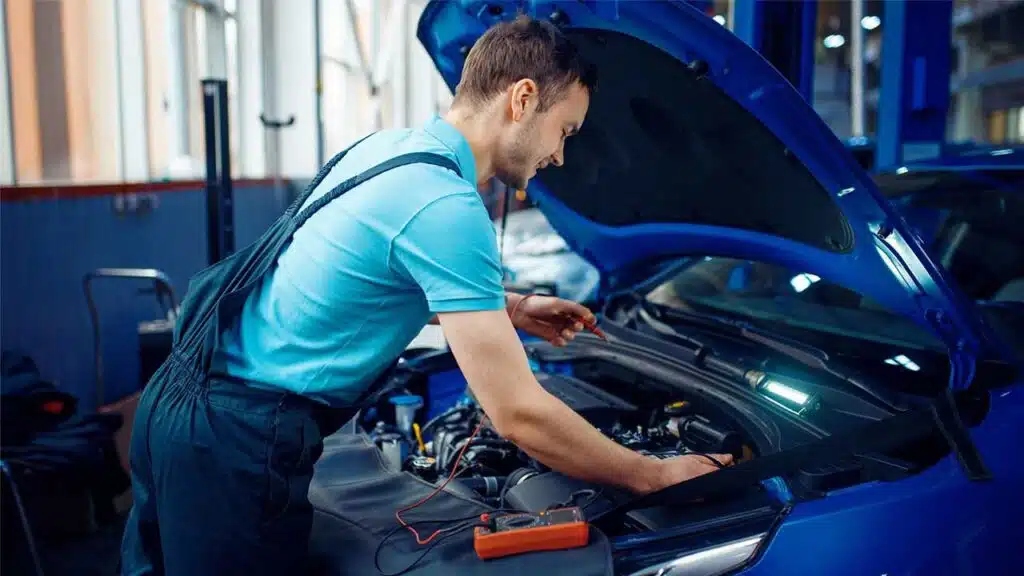
Charging infrastructure is one of the most important aspects of transitioning to an EV. Unlike a gas station, where you can quickly refuel, EVs require a bit of planning, especially if you want to maximize convenience and minimize charging time.
Setting Up a Home Charging Station
- Level 1 Charging (Standard Outlet): A standard 120-volt outlet can charge your EV, but it’s slow and may take an entire day to reach a full charge. This is suitable for plug-in hybrids or for those who drive very short distances daily.
- Level 2 Charging (240-Volt Outlet): Installing a Level 2 charger at home provides a faster charge, usually taking 4-8 hours to fully charge an EV. This is ideal for overnight charging and is a practical choice for most EV owners.
- Installation Costs and Requirements: Installing a Level 2 charger may require an electrician to upgrade your home’s electrical system. Expect to pay for the charger and installation, which can vary based on your home’s wiring.
Understanding Public Charging Options
- Locate Charging Stations: Many cities have extensive networks of public chargers. Apps like PlugShare and ChargePoint allow you to locate and reserve charging spots.
- Fast Charging Stations: Fast chargers, or Level 3 DC fast chargers, are ideal for long trips as they can recharge an EV up to 80% within 30-60 minutes.
- Charging Networks and Memberships: Some charging stations require memberships or offer subscriptions for discounted rates. Research popular networks like Tesla Supercharger, Electrify America, and EVGo to see which best suits your needs.
Setting up a home charger and understanding your local charging infrastructure will ensure that you’re prepared to keep your EV charged and ready to go.
Step 4: Familiarize Yourself with EV-Specific Maintenance
While EVs generally require less maintenance, they do have unique maintenance needs, especially related to the battery and software. Familiarizing yourself with these requirements will help you keep your EV running smoothly.
Key Maintenance Areas for EVs
- Battery Health: The battery is the most important component of an EV. Many manufacturers offer warranties for batteries, but it’s important to follow best practices, like avoiding frequent fast charging and not letting the battery drop to 0%.
- Brake System: EVs use regenerative braking, which reduces wear and tear on the brake pads. However, you should still schedule brake checks as part of routine maintenance.
- Tire Maintenance: EVs are typically heavier than gas-powered cars due to the battery, so tires may wear out faster. Regularly rotate and check tire pressure to ensure even wear.
- Software Updates: Many EVs receive over-the-air software updates that improve functionality, range, and safety features. Check your car’s software settings to ensure updates are automatic.
- Cooling and Heating Systems: EV batteries rely on cooling systems to maintain optimal temperature. Periodic checks on the cooling system can help extend battery life.
Regular maintenance keeps your EV in top shape, reduces the risk of unexpected issues, and extends its lifespan.
Step 5: Transition Your Driving and Charging Habits
Transitioning from a gas-powered car to an EV may require adjusting some of your driving habits, especially those related to range awareness and charging practices. Embracing these new routines can make your EV ownership experience smoother and more enjoyable.
Tips for Adapting Your Driving Habits
- Monitor Battery Levels: Unlike gas cars, EVs need regular battery level monitoring. Try to keep the battery within the 20-80% range for optimal battery health and plan your trips accordingly.
- Plan Charging Stops for Long Trips: If you’re going on a long drive, plan your route with charging stops. Apps like A Better Routeplanner can help you map out your trip based on your vehicle’s range and the location of fast chargers.
- Learn About Regenerative Braking: EVs use regenerative braking, which helps recharge the battery during deceleration. Get comfortable with this feature, as it can extend your range and reduce brake wear.
- Optimize Climate Control: Heating and cooling can impact battery life. Use seat warmers instead of full cabin heating when possible, and pre-condition the cabin while the car is still plugged in.
- Adopt a Charging Routine: Develop a routine for charging at home. Many EV owners charge overnight to start the day with a full battery. Having a routine ensures that you’re prepared for any daily commute or unexpected travel.
Transitioning your driving and charging habits will help you maximize your EV’s range, preserve battery health, and make the most of the electric driving experience.
Conclusion
Switching from a gas-powered car to an electric vehicle is an exciting step towards embracing sustainable and innovative technology.
By following these 5 essential steps—assessing your driving needs, calculating your budget, planning your charging options, understanding EV maintenance, and adapting your driving habits—you’ll be fully prepared to make a smooth transition to electric driving.
The future of transportation is electric, and making the switch can not only benefit the environment but also offer long-term financial savings, a quieter driving experience, and a sense of alignment with future-forward technology.
With the right preparation, you can make this transition confidently and enjoy the numerous benefits that EV ownership brings.